

What is a Cold Pressed Juice? Is It Really Better?
You’ve seen the bottles lining the shelves of high-end grocery stores and dedicated juice bars. They often come with a steeper price tag and glowing promises of superior health. But when you strip away the marketing hype, what is cold-pressed juice actually? Is the liquid inside that bottle truly different from what you’d get out of a standard kitchen appliance?
If you love juice but hate the confusion, you aren't alone. As a team deeply embedded in the juicing industry—specifically with our work at Ormeo—we know that not every glass of juice is created equal.
This guide breaks down the mechanics, the biology, and the practical reality of cold-pressing. We’ll look at why the juicing process matters, how it affects shelf life, and whether investing in a cold press juicer like the Ormeo 2311 is the right move for your health.
Understanding the Basics: What is Cold-Pressed Juice?
To put it simply, cold-pressed juice is juice extracted using a slow, deliberate method that avoids heat.
The term originally comes from the commercial sector, where a massive hydraulic press would literally crush fruits and vegetables between plates to squeeze the juice out. These industrial machines apply thousands of pounds of pressure to extract every drop of liquid.
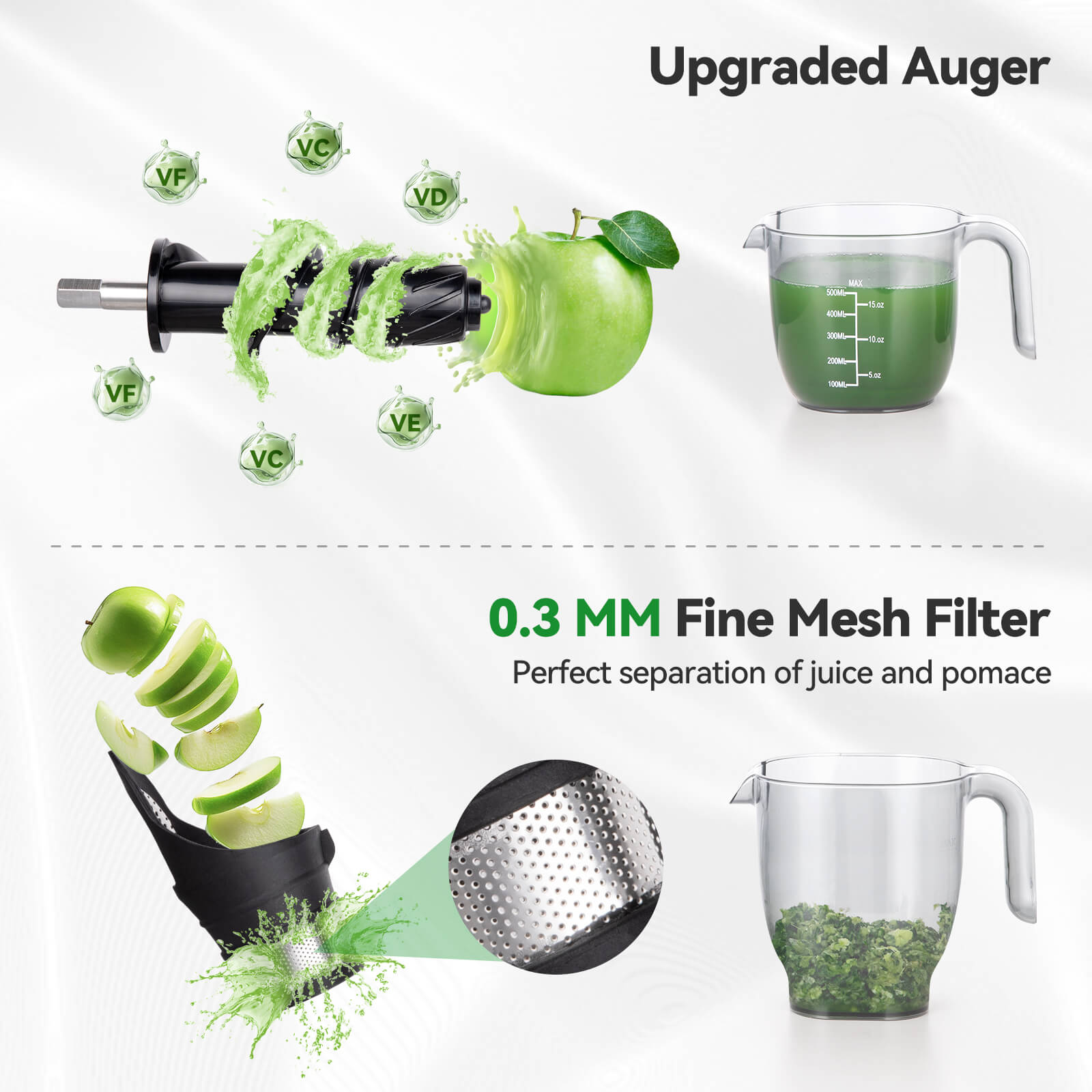
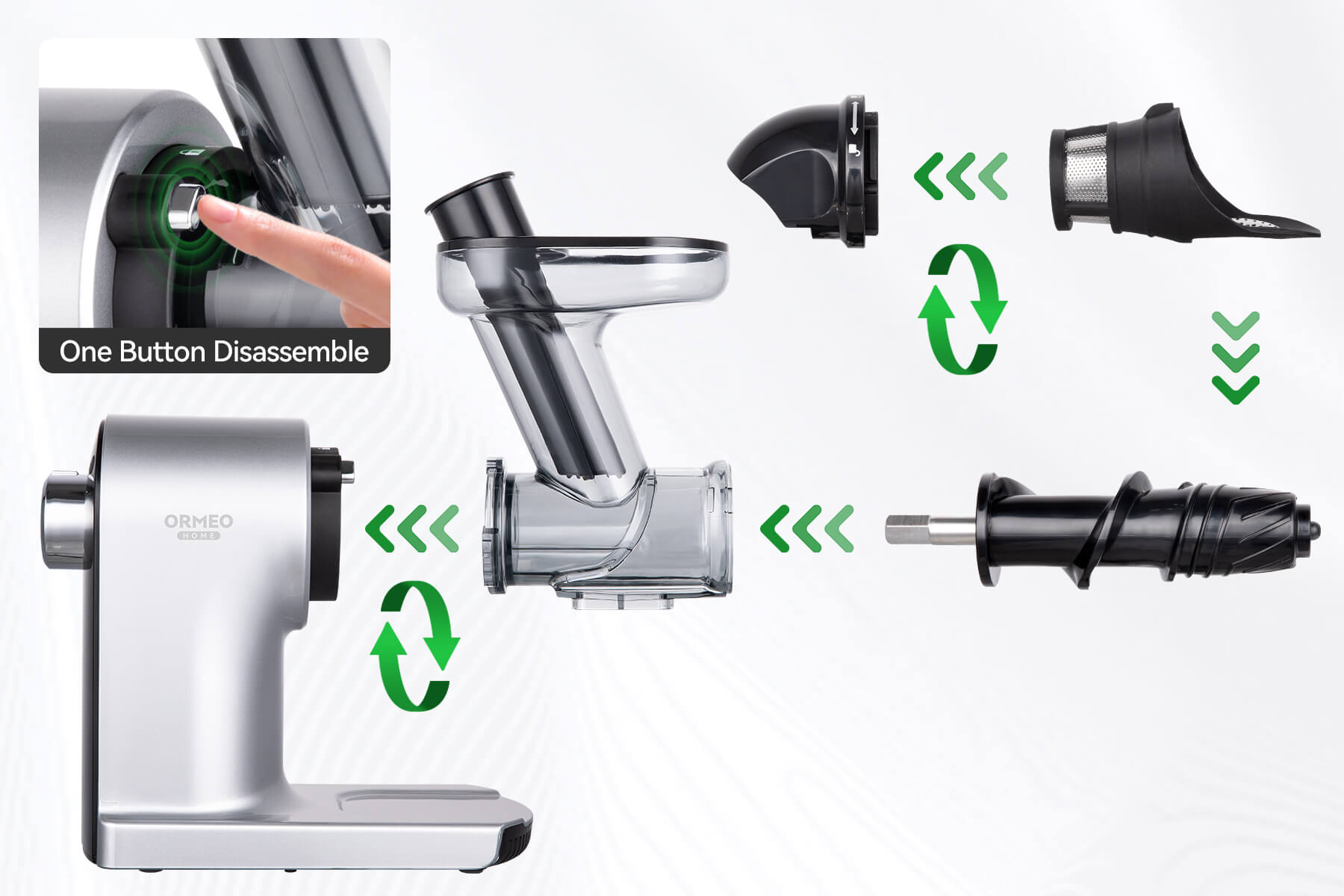
In a home setting, we don't usually fit a giant hydraulic rig in our kitchens. Instead, we use cold press juicers (also known as masticating or slow juicers). These machines mimic that high-pressure action using an auger (a large screw) that crushes produce against a screen.
The "cold" in cold-pressed juice doesn't mean the fruit is frozen; it means the juice is extracted without the high heat generated by high-speed spinning blades. By using pressure to extract juice, we protect the integrity of the ingredients.
The Problem with Traditional Juicing Methods
To understand why cold-pressed juice is considered really better, you have to look at the alternative: the centrifugal juicer.
Most standard juicers found in department stores are centrifugal. They work like a washing machine on a spin cycle. They use a metal blade spinning at thousands of RPMs (revolutions per minute) to shred the fruit and vegetable matter into a pulp. The force flings the juice away from the solids.
While fast, this traditional juicing method introduces two enemies of quality:
-
Heat: The friction of the high-speed blade warms up the produce.
-
Air: The spinning creates a vortex, forcing air into the liquid.
This combination causes rapid oxidation. Have you ever seen a sliced apple turn brown? That’s oxidation. When you drink juice from a centrifugal machine, that frothy layer on top is actually oxidized bubbles. This degrades the vitamin C and live enzymes before you even take your first sip.
The Difference Between Cold-Pressed Juice and Regular Juice
The difference between cold-pressed juice and regular juice isn't just about the machine; it's about the biological profile of the end product.
When cold-pressed juice is made using a slow juicer, the auger moves slowly (often around 40-80 RPM). There is no screaming motor and no heat friction. The machine uses pounds of pressure to gently extract juice from fruits and veggies.
Here is a breakdown of the key differences:
- Nutrient Density: Cold-pressed juice retains significantly more vitamins, minerals, and enzymes because the cell walls of the plant are crushed open rather than shredded apart.
- Texture and Taste: Regular juice often separates quickly into water and pulp (that "watery" bottom layer). Cold-pressed juice tends to be richer, with a vibrant color and a texture that feels like "liquid silk."
- Yield: A cold press gets a maximum amount of juice out of the produce. The pulp that comes out of an Ormeo 2311 Quiet Cold Press Juicer, for example, is bone dry compared to the wet slush from a centrifugal machine.
Health Benefits of Cold-Pressed Juice
Why do people obsess over this type of juice? It comes down to absorption and density.
When you eat a raw carrot, your body has to work hard to break down the fiber to get to the beta-carotene. When you drink cold-pressed juice, you are bypassing that digestive labor. The nutrient payload hits your bloodstream almost instantly.
Superior Nutrient Retention
The benefits of cold-pressed juice center on enzyme preservation. Enzymes are sensitive to temperatures above 104°F (40°C). Because cold-pressed juicers operate slowly, they never reach these temperatures. This means your green juice isn't just green colored water—it is a living, enzymatic food. Cold-pressed juice is rich in antioxidants that might otherwise be destroyed by the violence of a centrifugal blade.
Increased Vegetable Intake
Incorporating cold-pressed juice into your routine is the most efficient way to consume the daily recommended servings of vegetables. You might struggle to eat a pound of spinach, two cucumbers, and four stalks of celery in one sitting. But you can easily drink the juice from the pulp of those veggies in a single glass.
Shelf Life of Cold-Pressed Juice: How Long Does It Last?
One of the most practical questions we get at Ormeo is regarding the shelf life.
Because traditional juicing methods whip so much air into the liquid, that juice begins to spoil almost immediately. It usually tastes "off" within 24 hours.
Cold-pressed juice lasts significantly longer. Because the juicing process minimizes oxidation, you can store fresh, homemade cold-pressed juice for 3 to 5 days in the refrigerator without significant loss of flavor or nutrition. This makes it possible to "batch juice" on a Sunday and enjoy fresh juice through Wednesday.
Note on Commercial Juice: You might see bottled cold-pressed juices at the store with a 30-day expiration date. These juice manufacturers use a method called HPP (High Pressure Processing). After bottling, the juice is submerged in water and subjected to thousands of pounds of pressure to kill harmful bacteria. While this extends the shelf life of the juice, raw, homemade juice from your Ormeo juicer is always going to be fresher than HPP juice.
Storing Cold-Pressed Juice Properly
To ensure your juice stays fresh, proper storage is non-negotiable.
-
Temperature: Keep it cold. Storing cold-pressed juice at room temperature encourages bacteria growth immediately.
-
Container: Use airtight glass bottles (mason jars work great). Fill the juice all the way to the brim to leave as little air as possible in the jar.
-
Light: Light can degrade nutrients. Store your juice in the back of the fridge, not on the door where the temperature fluctuates.
Choosing the Right Tool: The Ormeo Solution
If you want to juice at home, the equipment dictates the quality. You need a machine that applies the right amount of pressure to extract without generating heat.
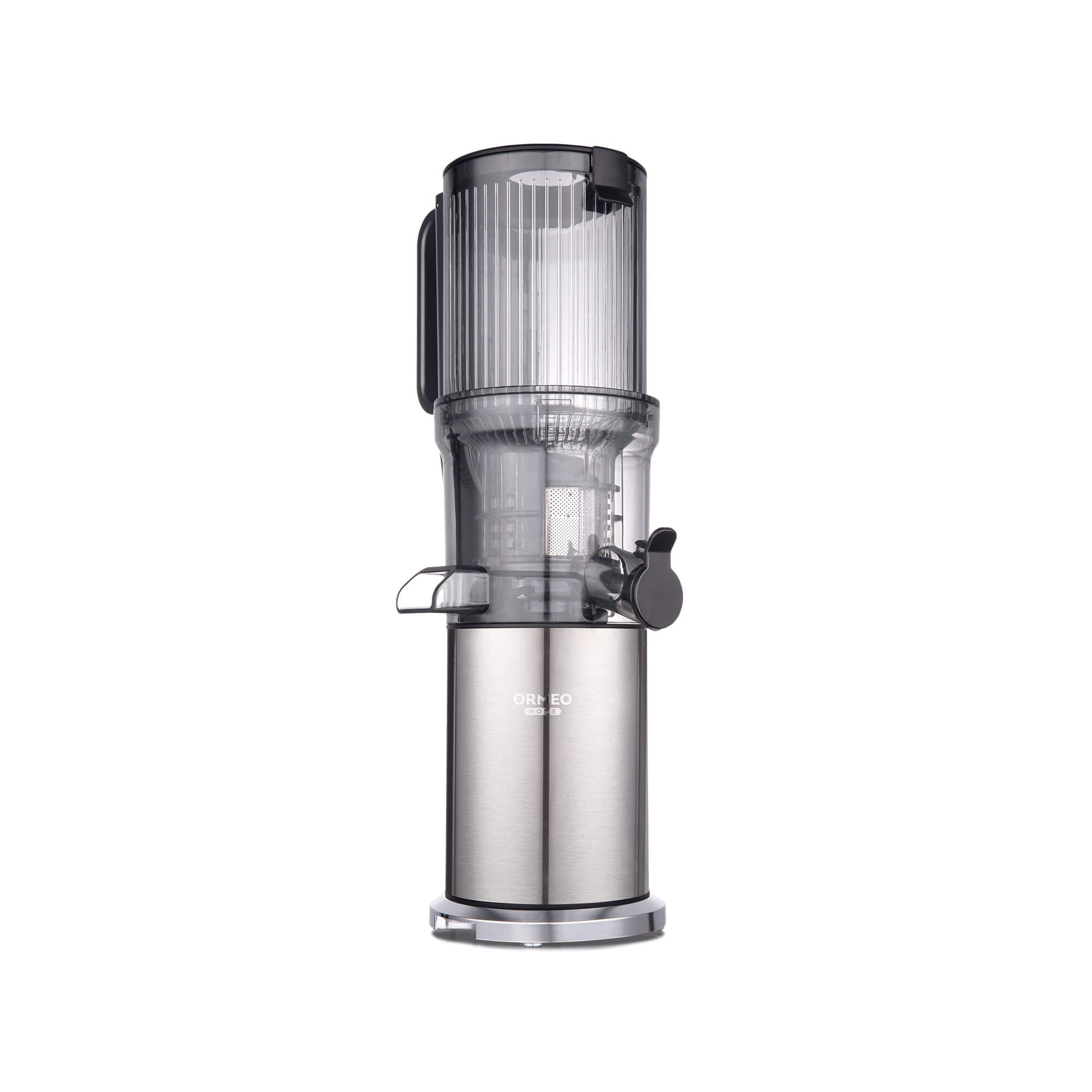
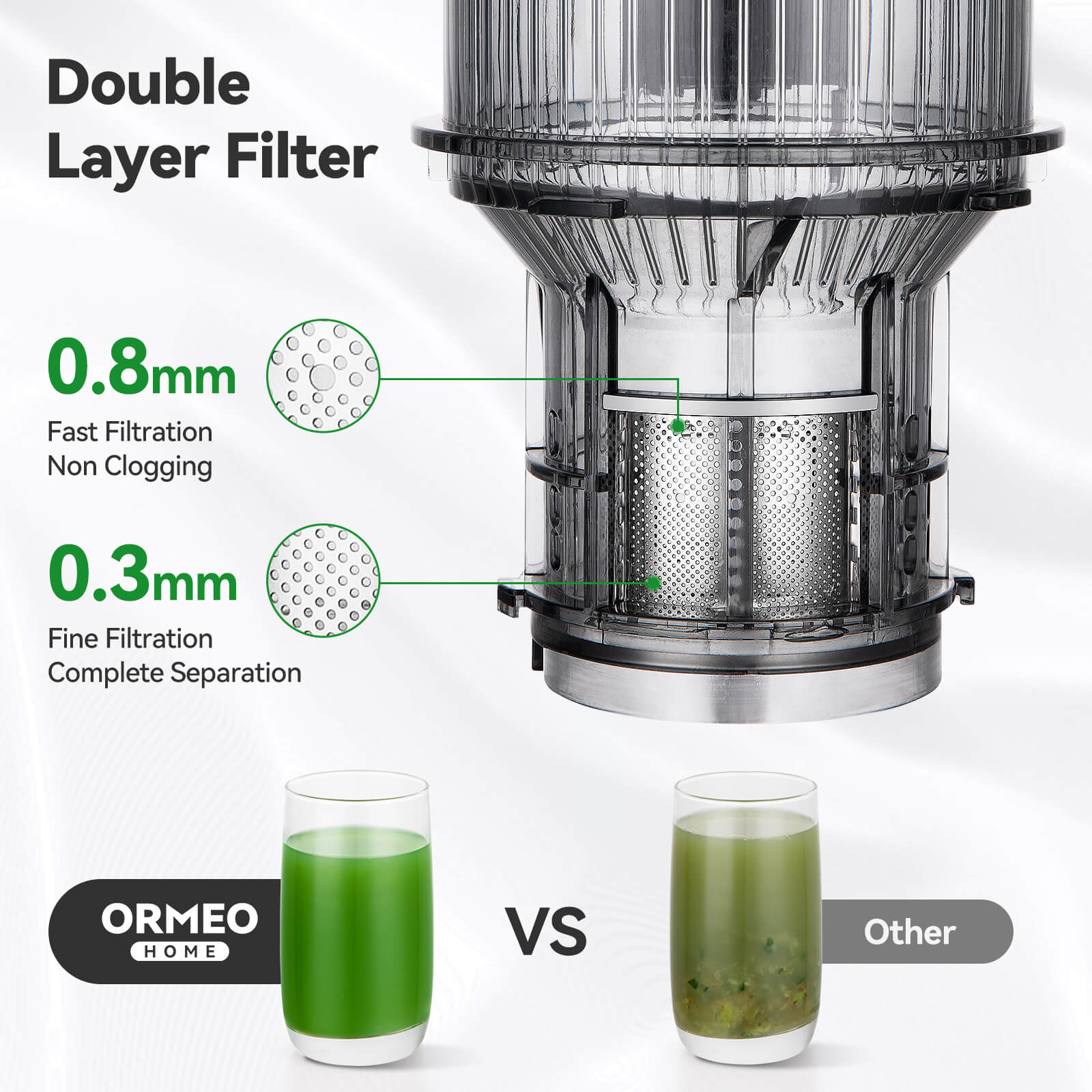
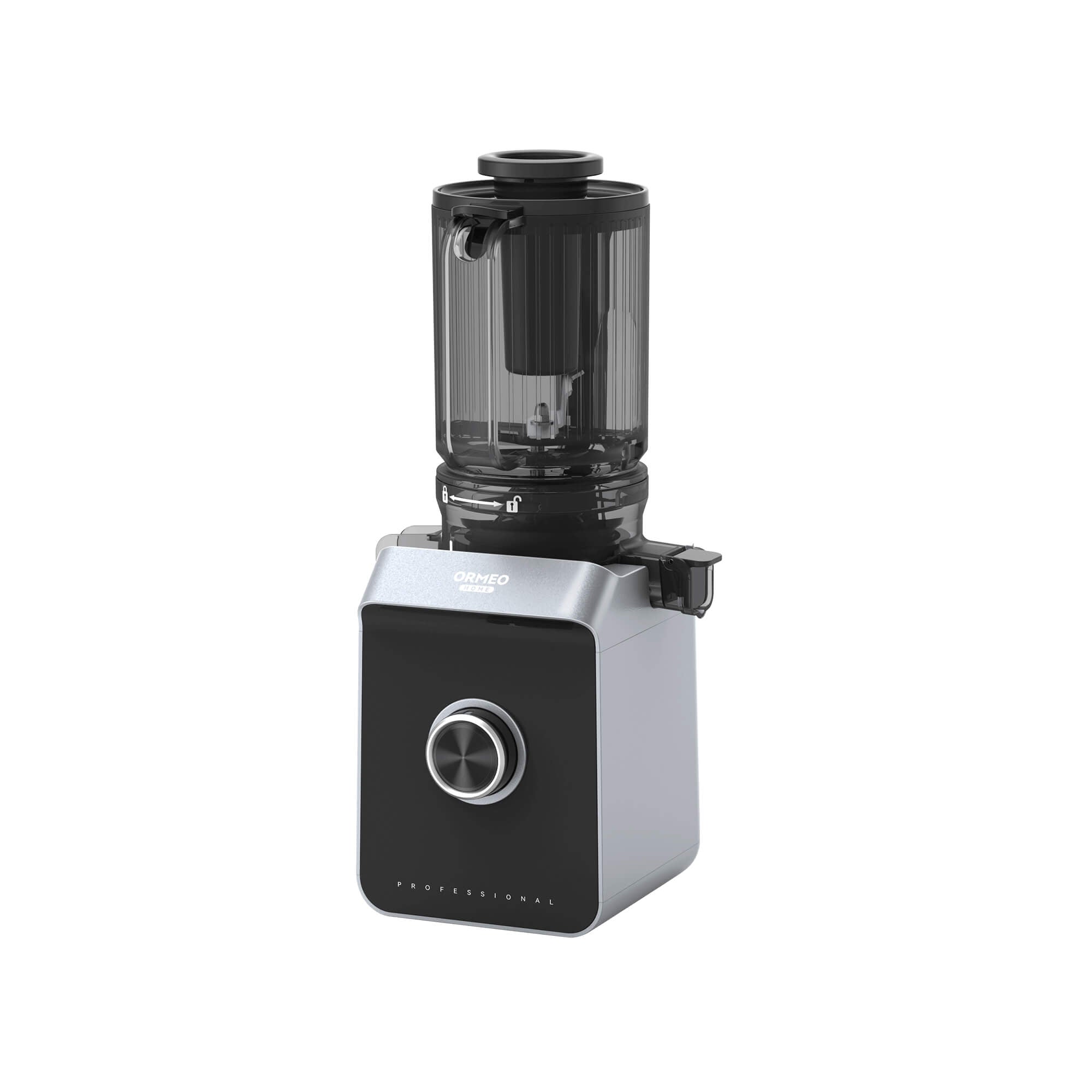
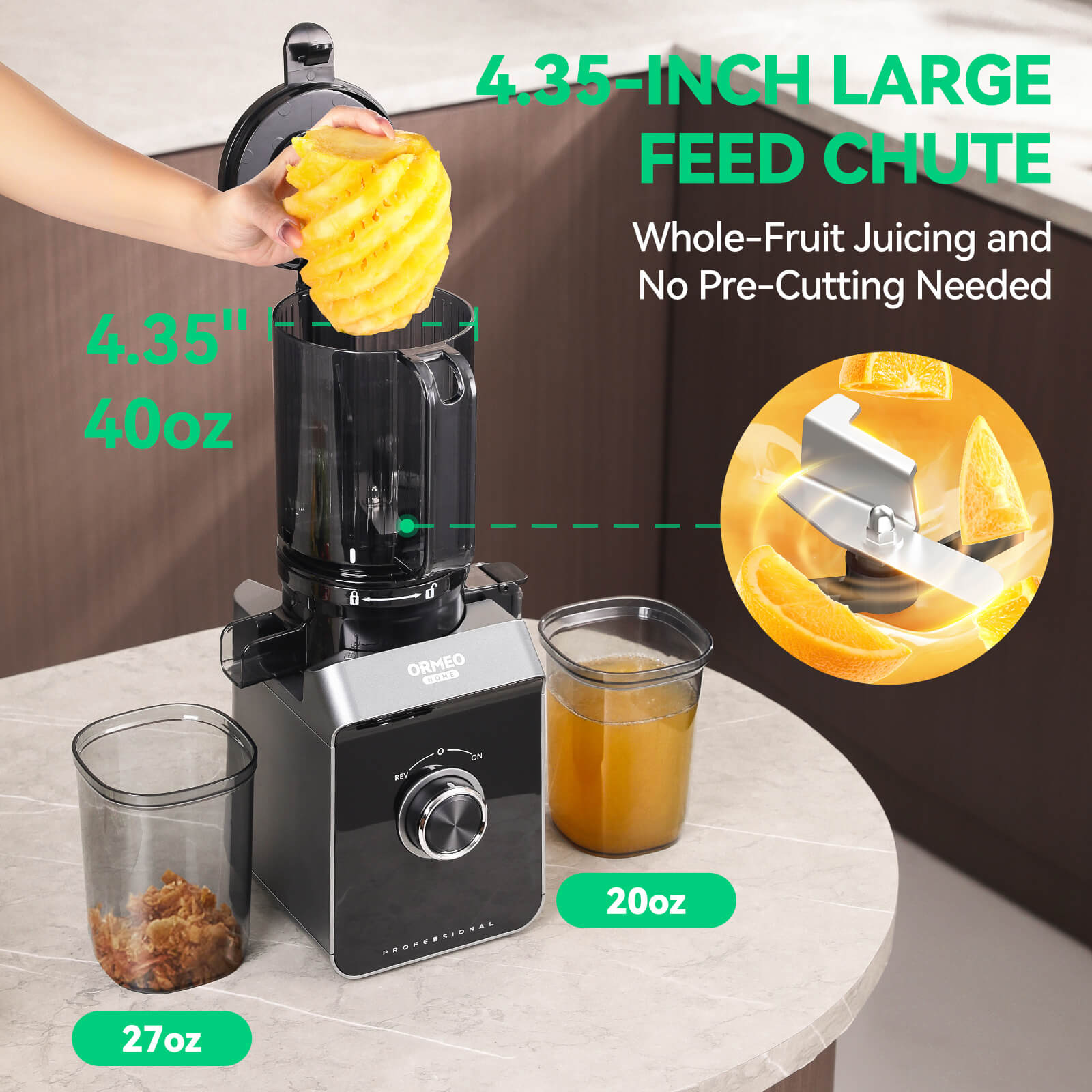
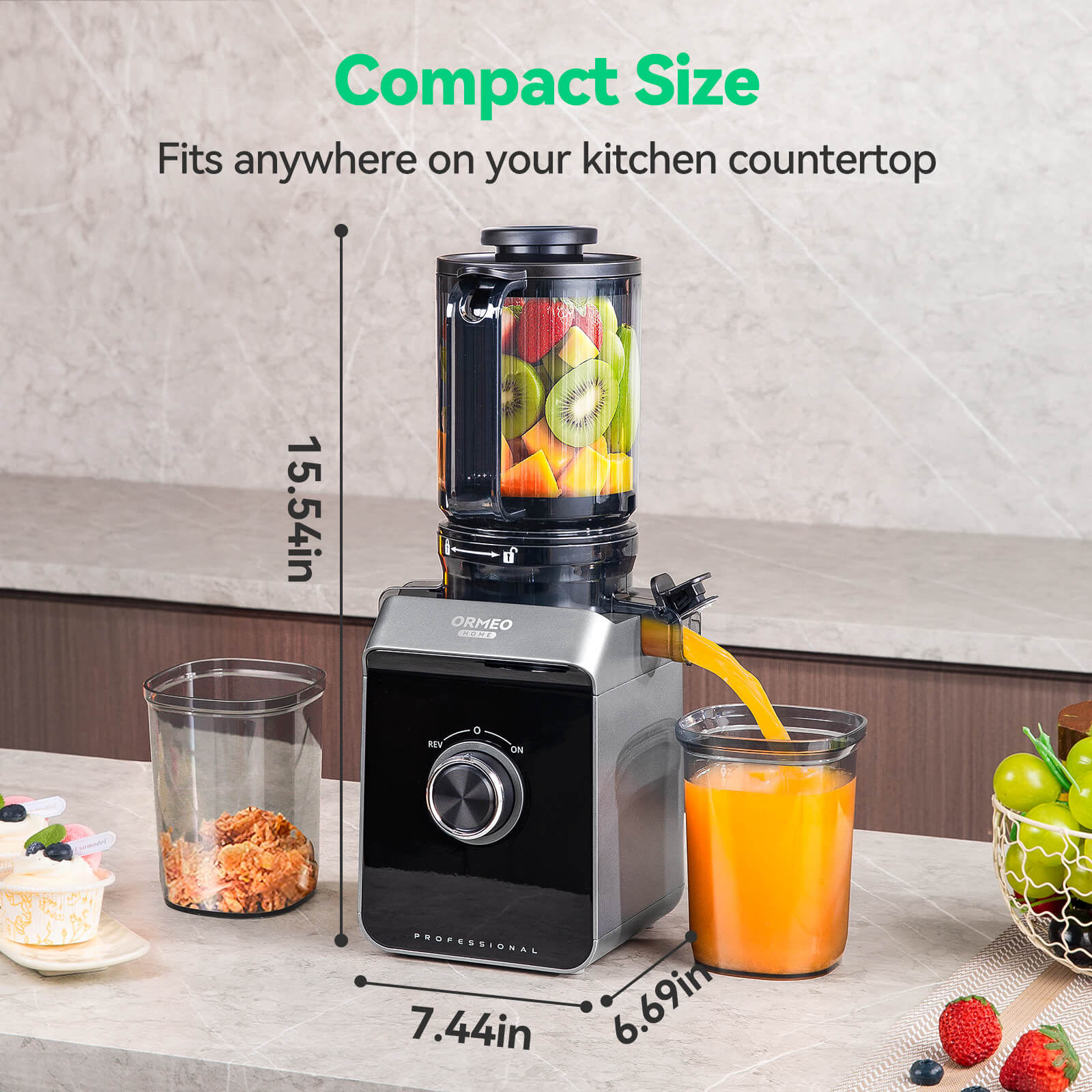
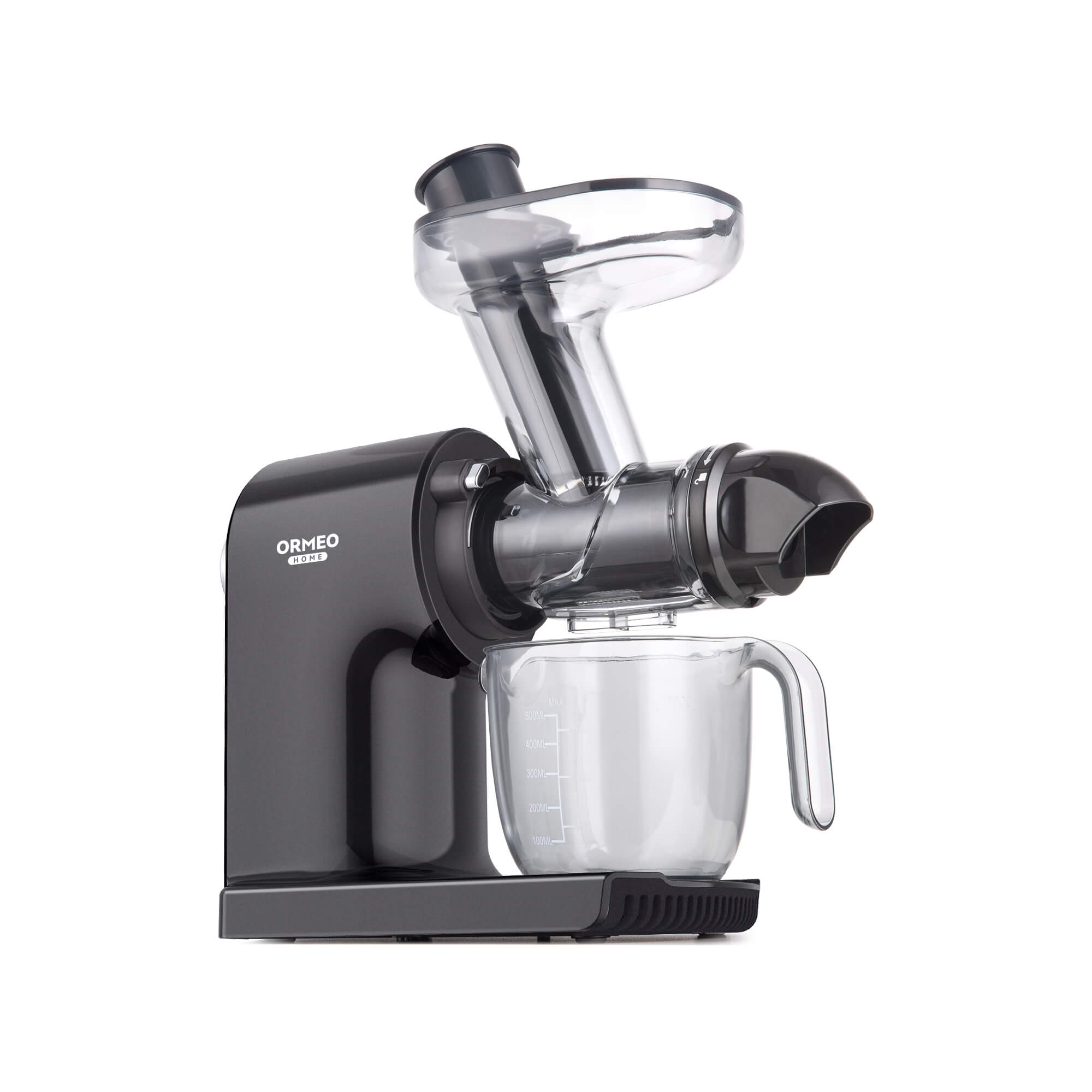
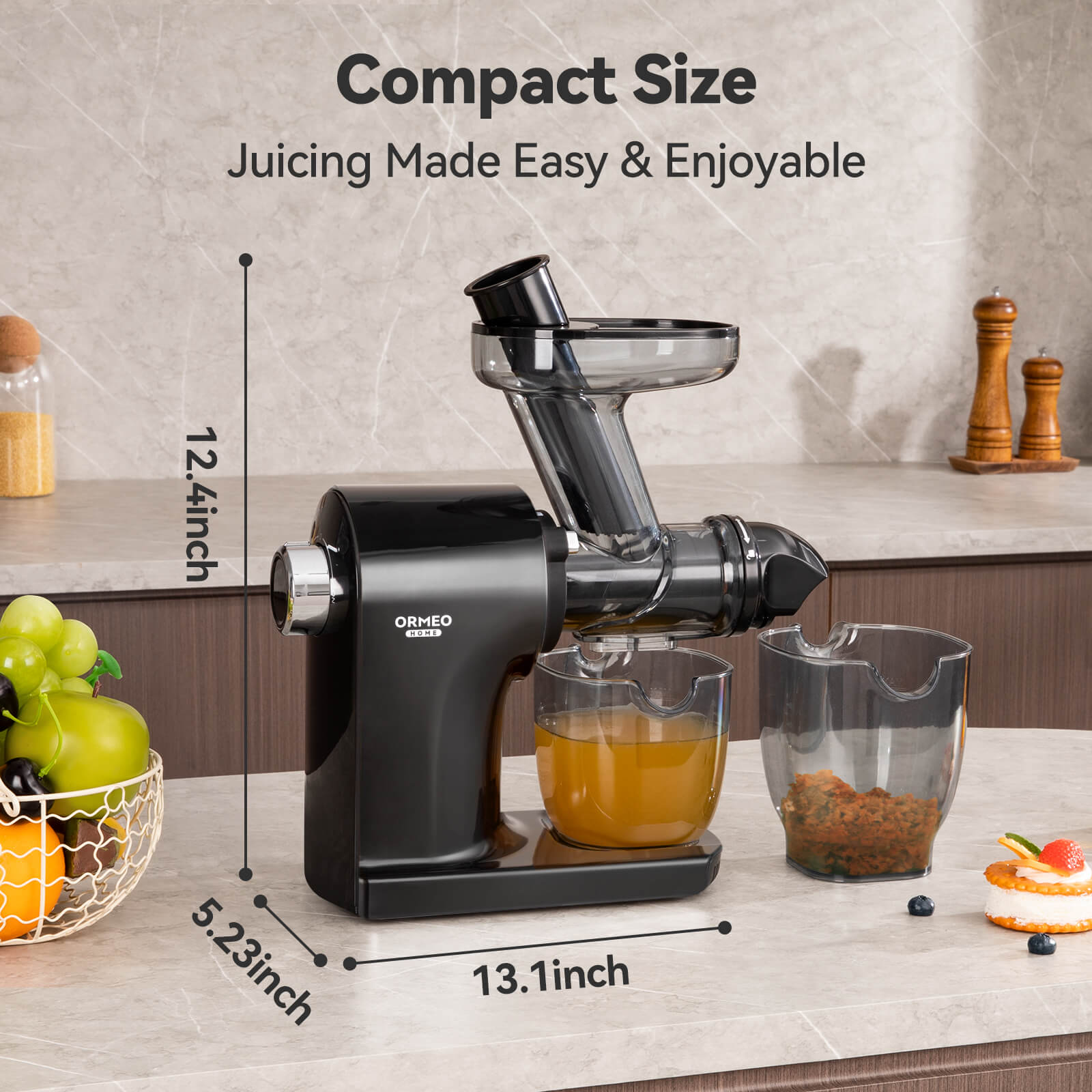
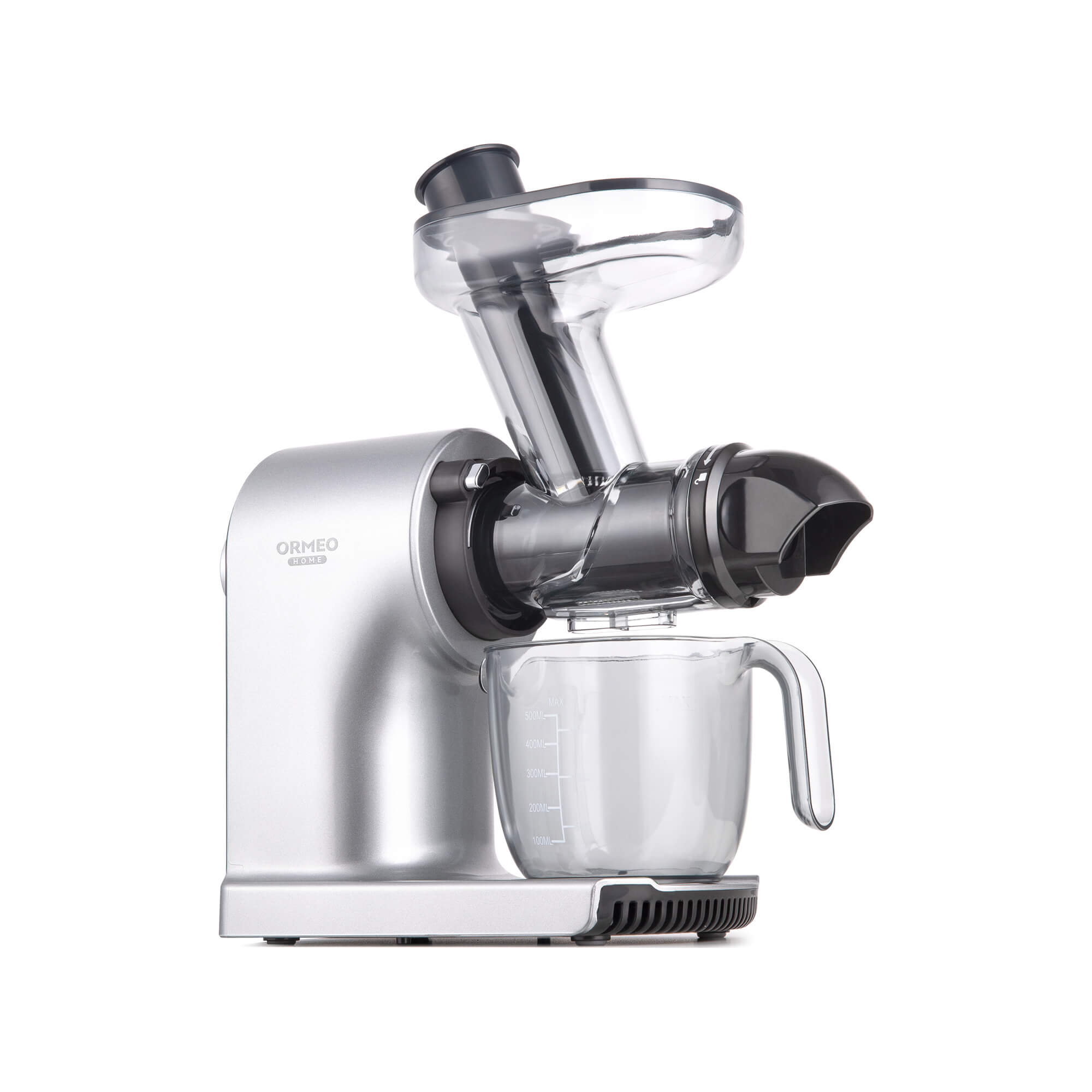
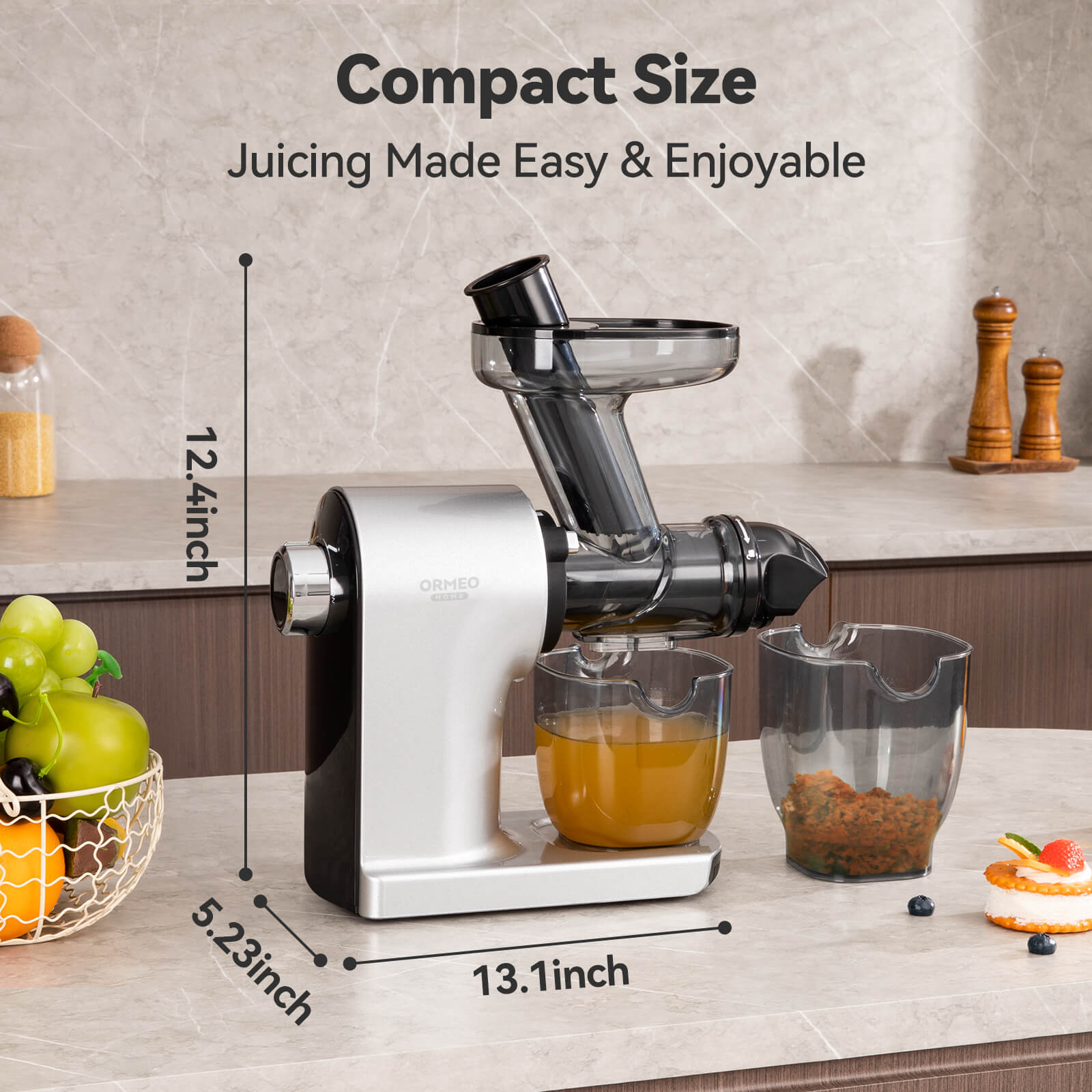
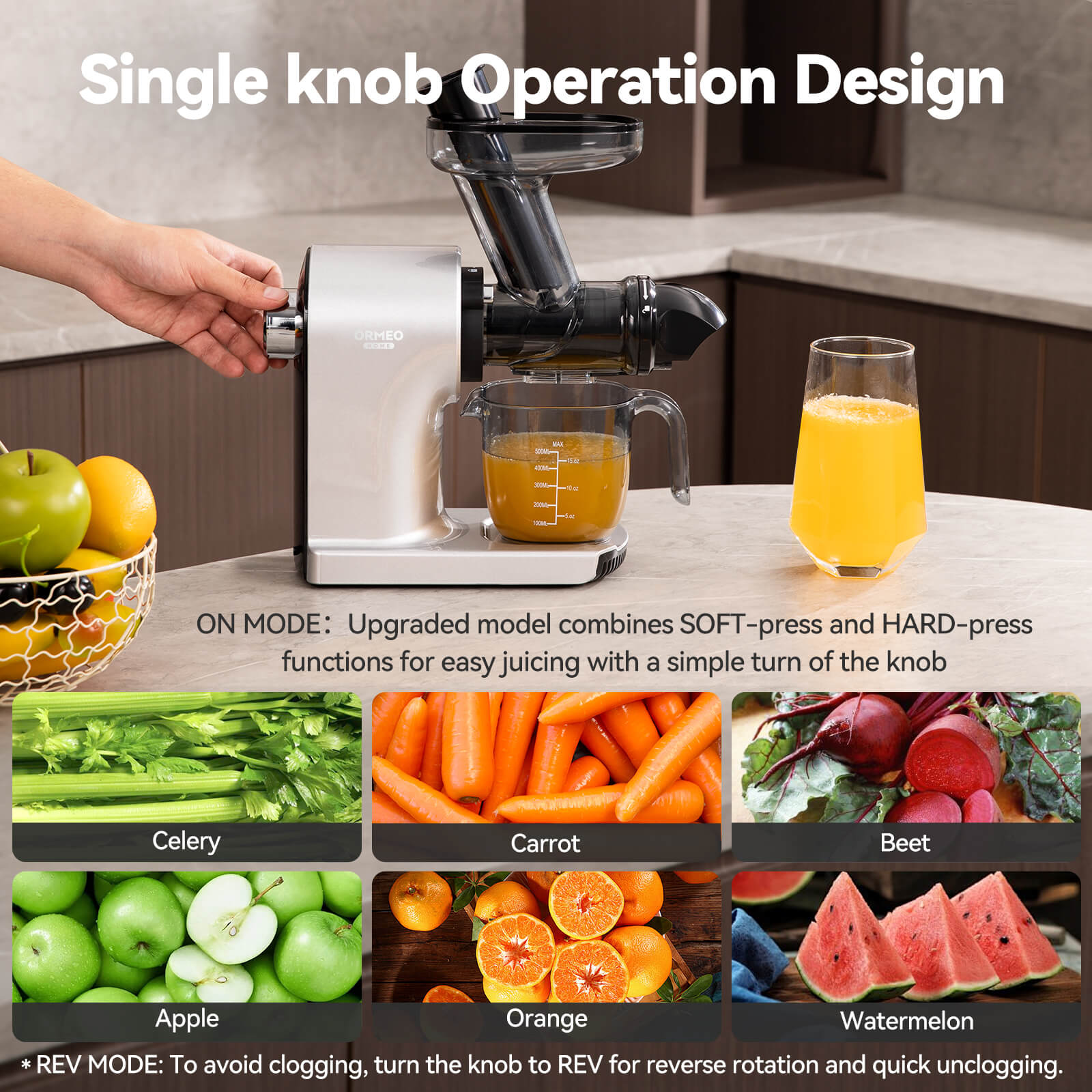
We designed the 2311 Quiet Cold Press Juicer specifically to bridge the gap between commercial quality and home convenience.
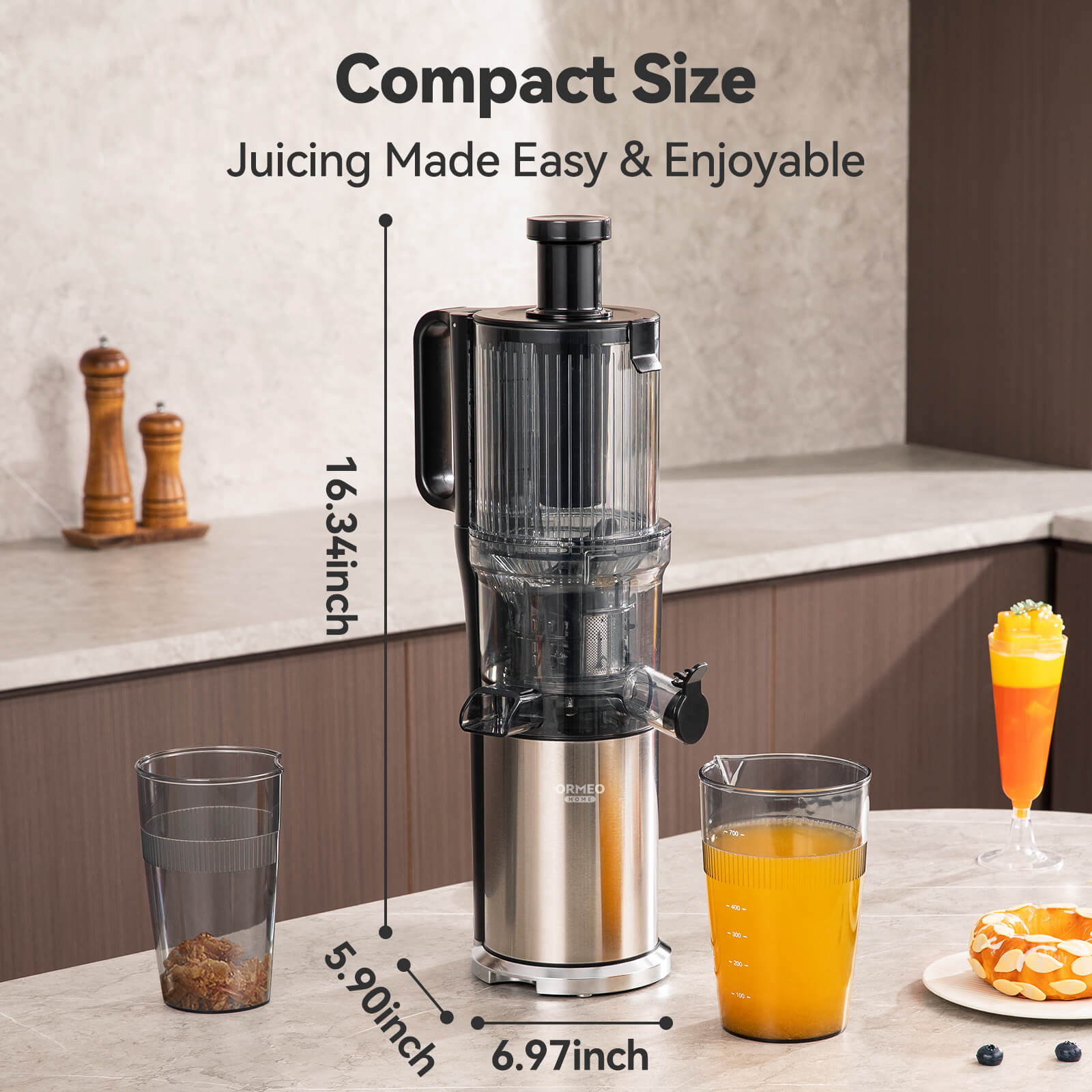
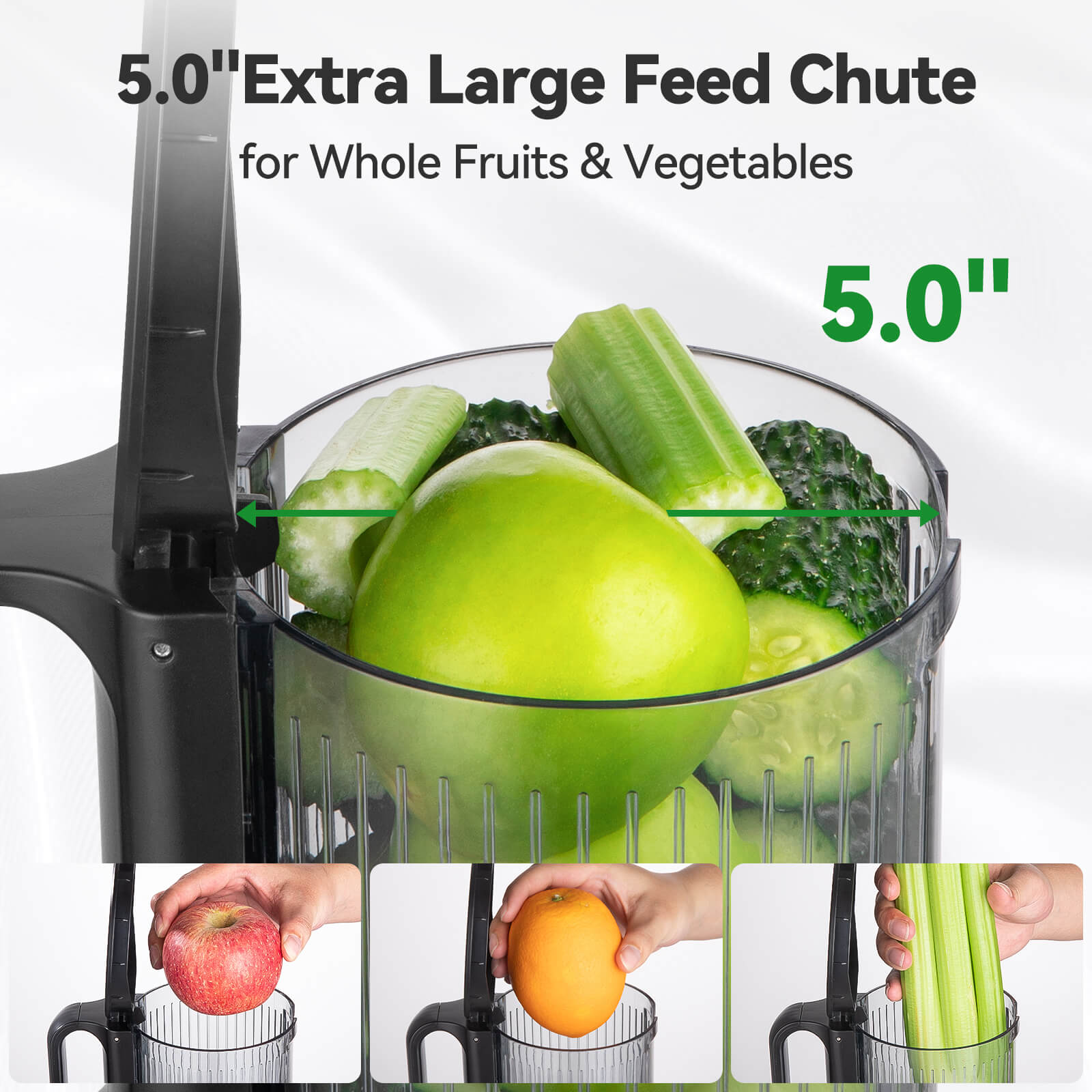
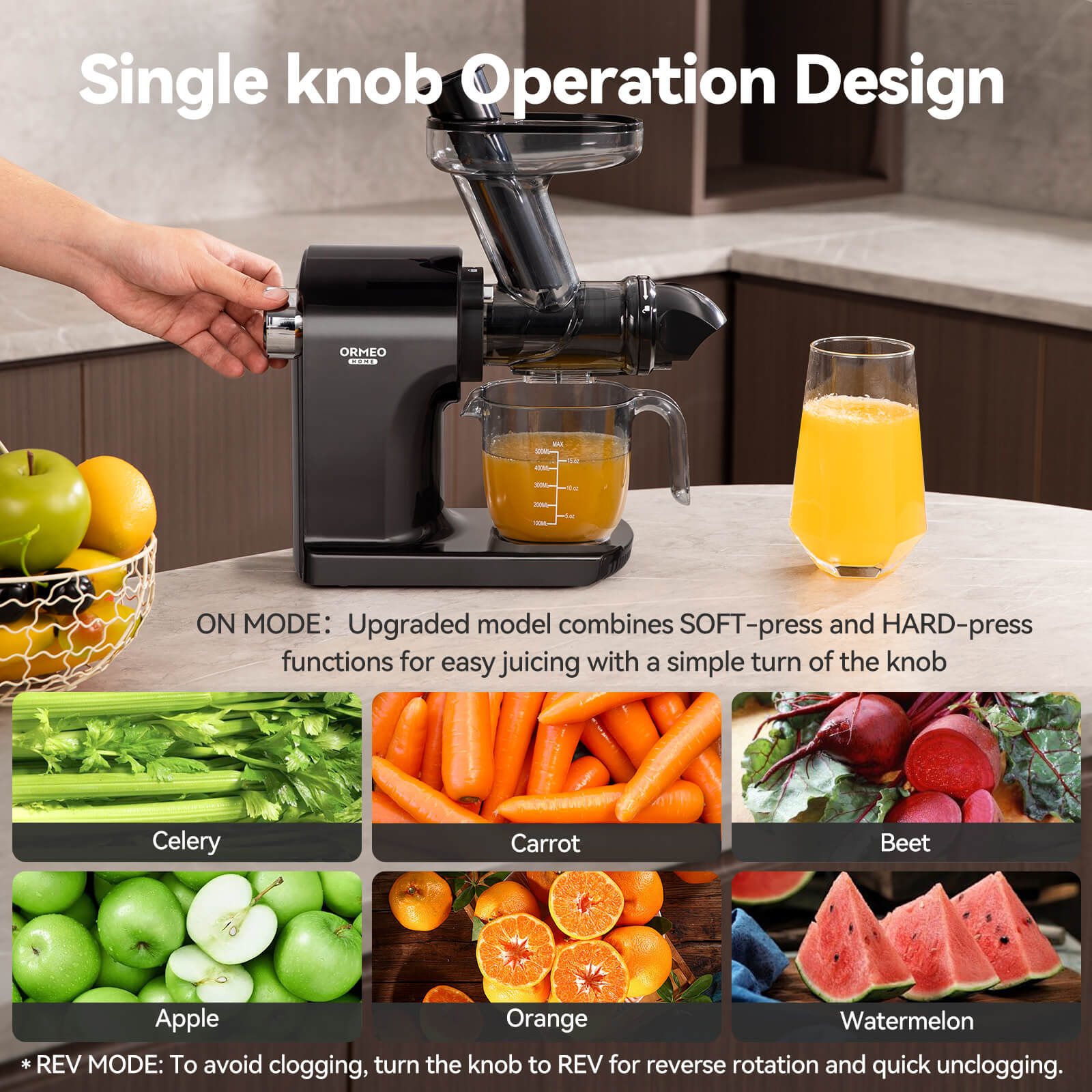
Unlike clunky traditional juicing methods, the Ormeo 2311 is compact and whisper-quiet. It handles everything from hard root vegetables to delicate leafy greens (which centrifugal juicers often struggle to catch). It is a masticating juicer that respects the produce. By using our specific auger design, the juice delivers a concentrated flavor profile that allows you to taste the difference immediately.
When compared to other juicing machines, the 2311 focuses on yield. We want to get the juice out of the produce, not leave it in the waste bin. This saves you money on groceries in the long run.
Is Cold-Pressed Juice Really Better?
So, is it hype?
If you are just looking for a sugary drink, any juice will do. But if you are looking for a health tool, cold-pressed juice offers a distinct advantage.
Cold-pressed juice is known for its ability to deliver high-quality nutrition efficiently. It minimizes oxidation, tastes better, and lasts longer. While cold-pressed juices are typically more expensive to buy or require a better machine to make, the investment pays off in health dividends.
The difference between cold-pressed and centrifugal is the difference between eating a fresh apple and eating applesauce that's been sitting out for an hour.
Conclusion: Adding Cold-Pressed Juice to Your Life
Cold-pressed juice is juice in its highest form. Whether you are looking to boost your vitamin C, detox with a heavy green juice, or just enjoy the pure flavor of fresh fruits and vegetables, the method matters.
Everything you need to know comes down to this: Heat and air kill nutrients. Pressure preserves them.
By adding cold-pressed juice to your daily diet using a reliable machine like the Ormeo 2311, you ensure that you aren't just drinking colored water—you are fueling your body with the maximum amount of juice and nutrients nature intended.
Ready to start your juicing journey? Check out the 2025 Best Cold Pressed Juicer - 2311 and taste the difference yourself.









Share:
How To Cold Press? Make Cold-Pressed Juice at Home Methods
Best Fruit Juice Recipes For Weight Loss: Pro Tips