

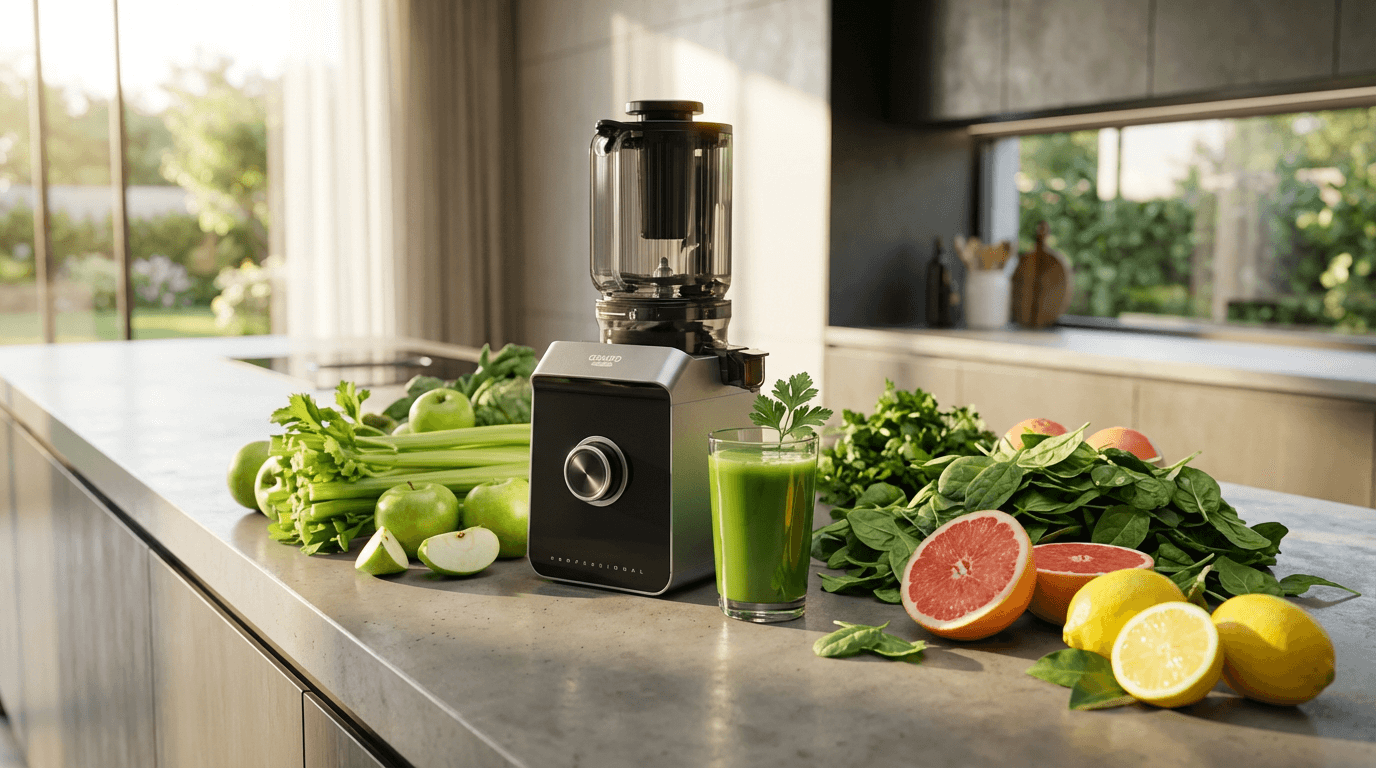
Best Fruit Juice Recipes for Weight Loss: The Real Way to Juice for Results
Let’s be honest: the internet is flooded with "miracle" drink claims. But if you are here looking for juicing recipes for weight loss, you probably know that magic potions don’t exist. However, strategic nutrition does.
Juicing is not just about pulverizing produce; it is about creating a caloric deficit while flooding your body with a concentrated dose of vitamins. It is a tool to help with weight loss, reduce inflammation, and break the cycle of craving processed sugars.
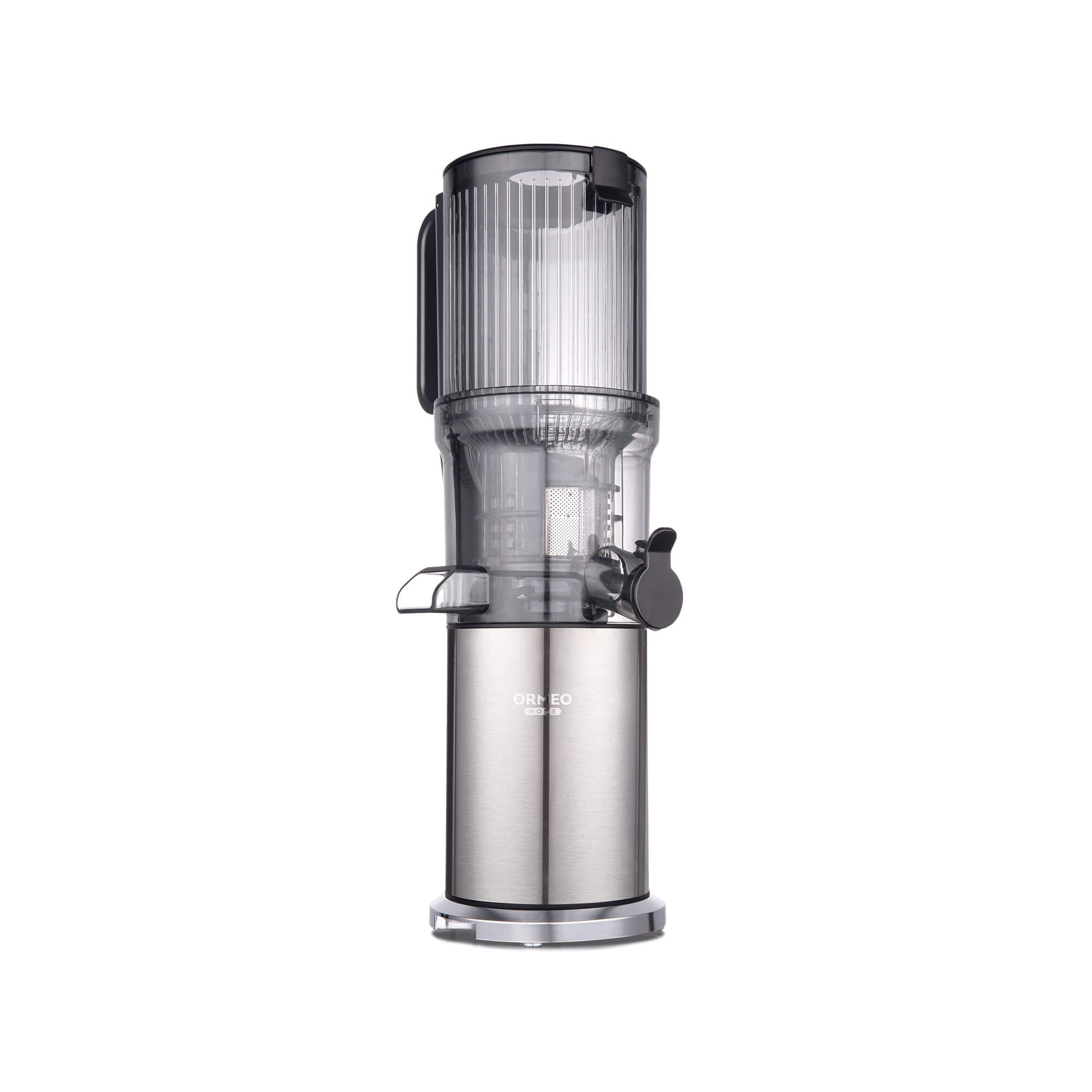
In this guide, we aren’t just listing random fruits. We are going to look at the specific science of juicing for weight loss, how to use the Ormeo 2311 Quiet Cold Press Juicer to get the most out of your ingredients, and the exact ratios you need to make the best juice that actually tastes good.
The Reality of Juicing for Weight Loss: Why It Works
Many people fail at juicing for weight because they treat juice like a milkshake—loading it with high-sugar fruits. If you want to lose weight, your ratio matters.
The best healthy juice recipes prioritize vegetables. When you strip the fiber from whole fruits, you are left with water, nutrients, and sugar. If you drink a glass of pure orange juice, your blood sugar spikes, which can actually trigger insulin storage and cause weight gain.
To avoid this, we focus on vegetable juices with low-glycemic fruit accents. This ensures you get the health benefits—like improved digestion and high energy boost—without the crash.
The Right Tool: Why Cold Press Matters
Before we get to the recipes, let’s talk gear. You can use a standard centrifugal juicer, but high-speed spinning creates heat, which can destroy enzymes and oxidize the juice quickly.
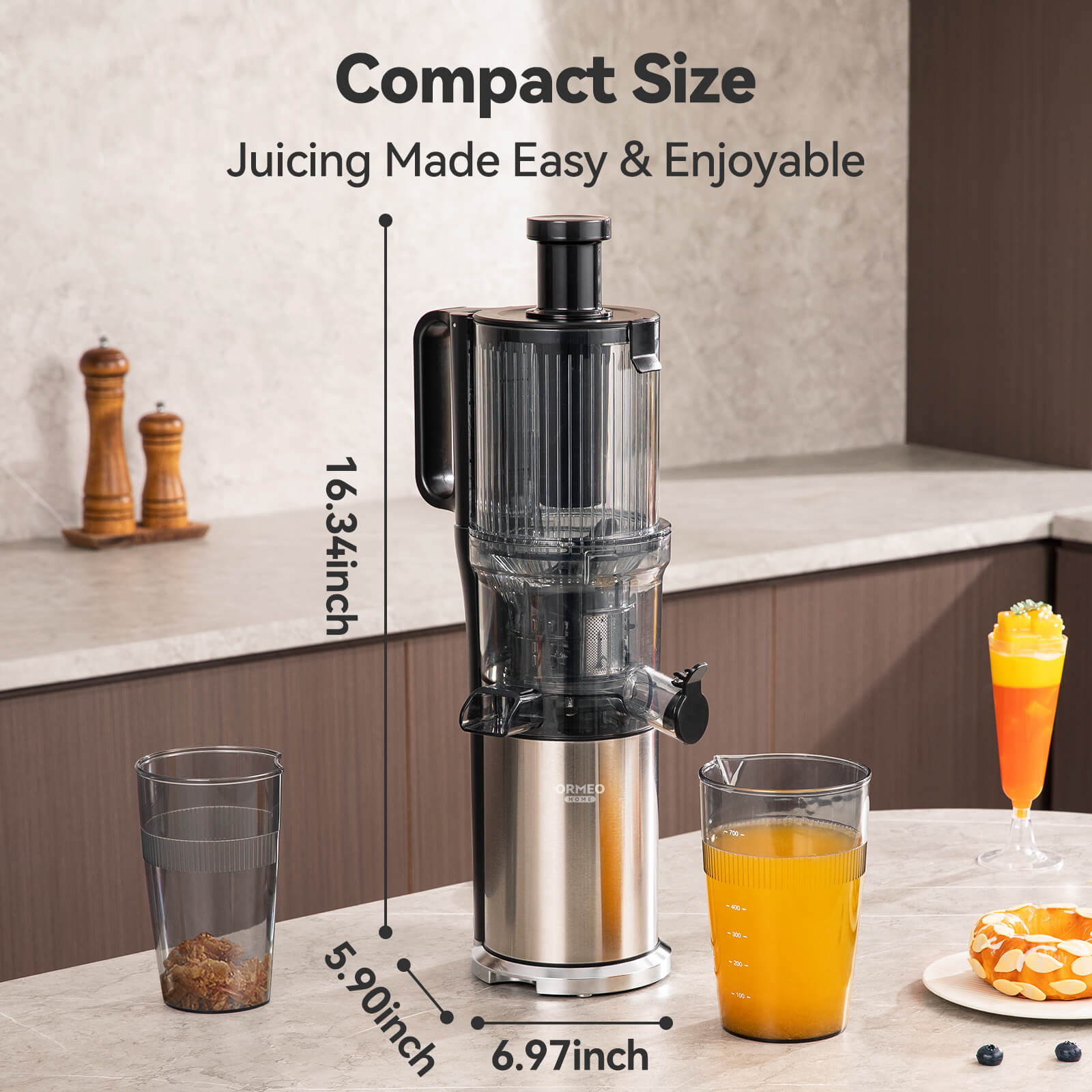
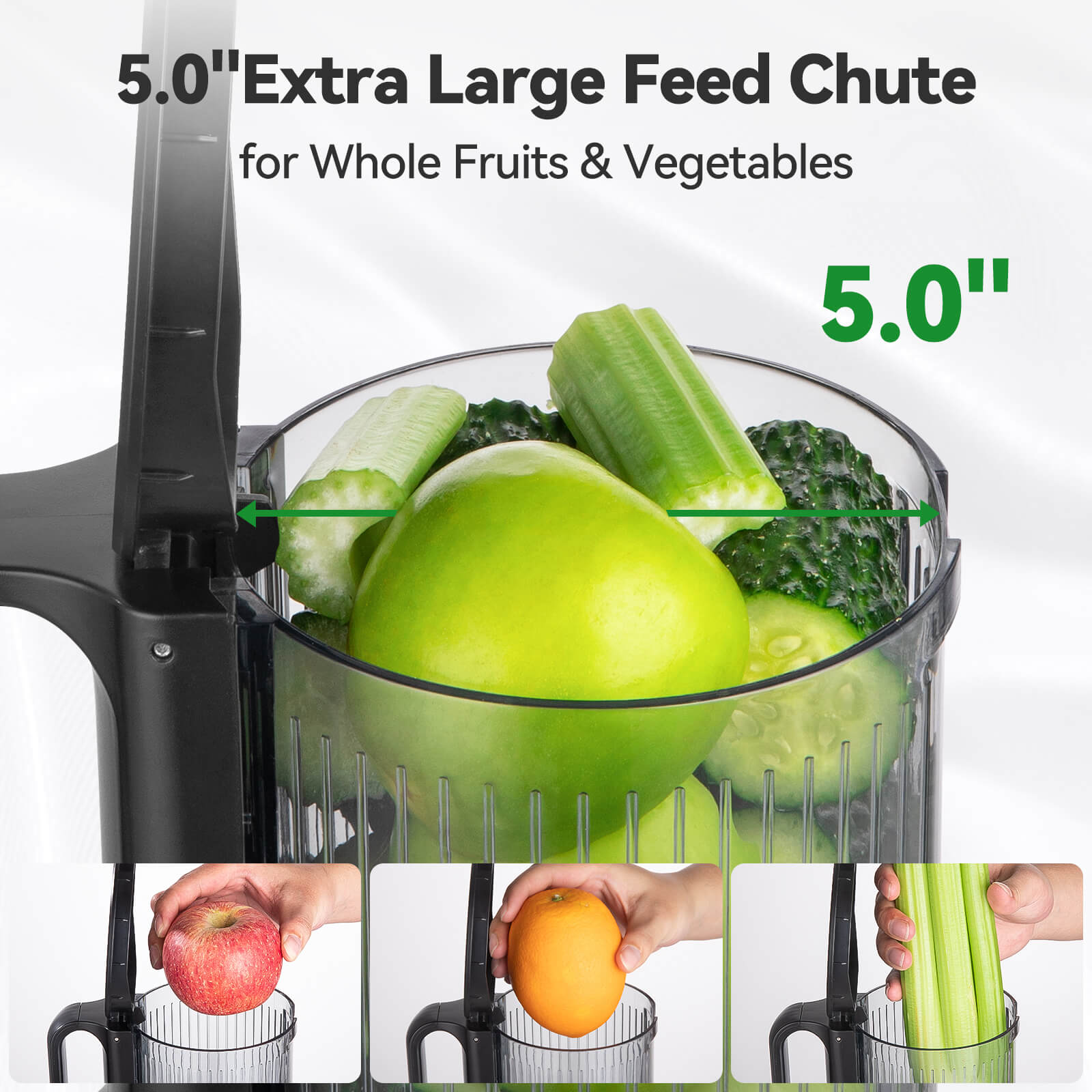
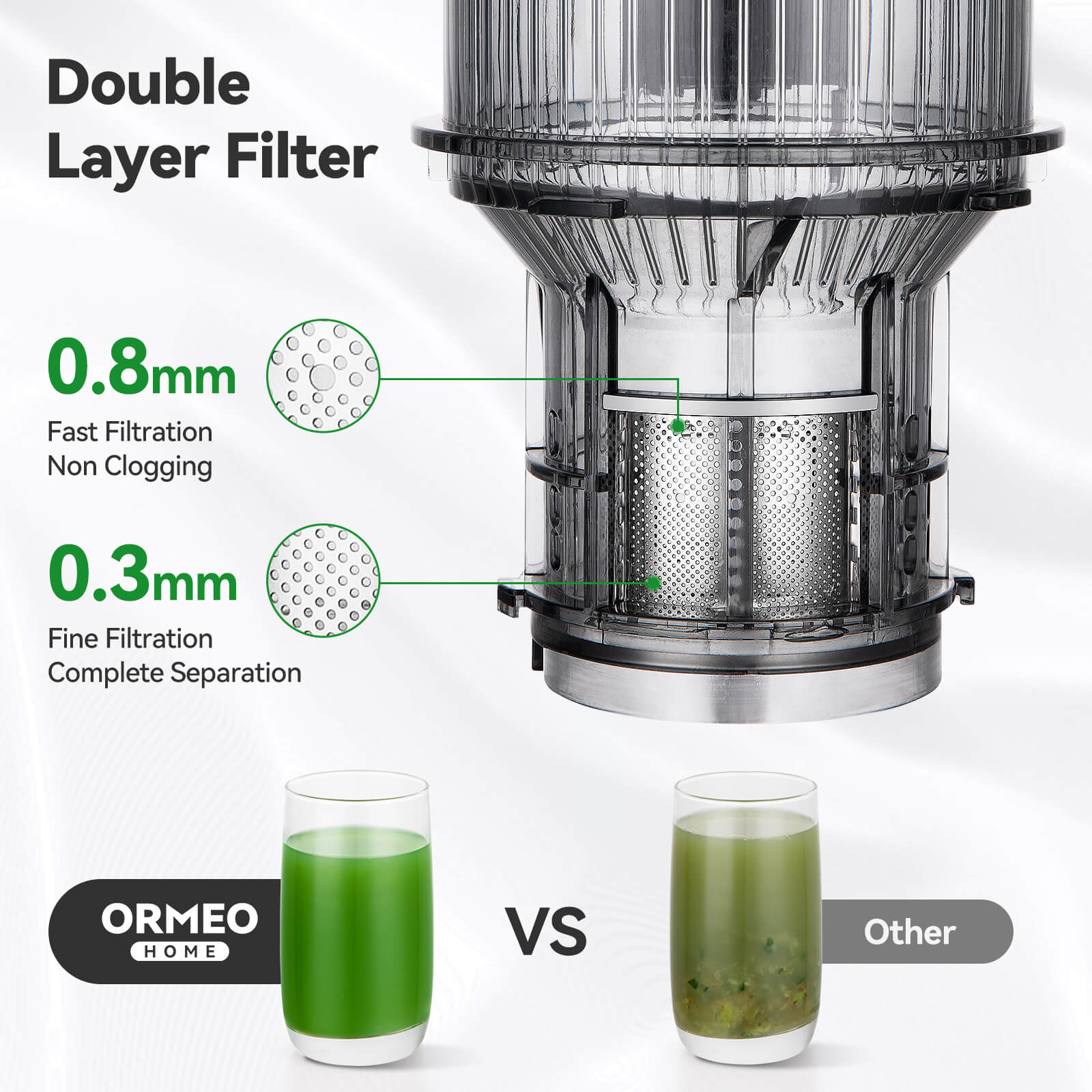
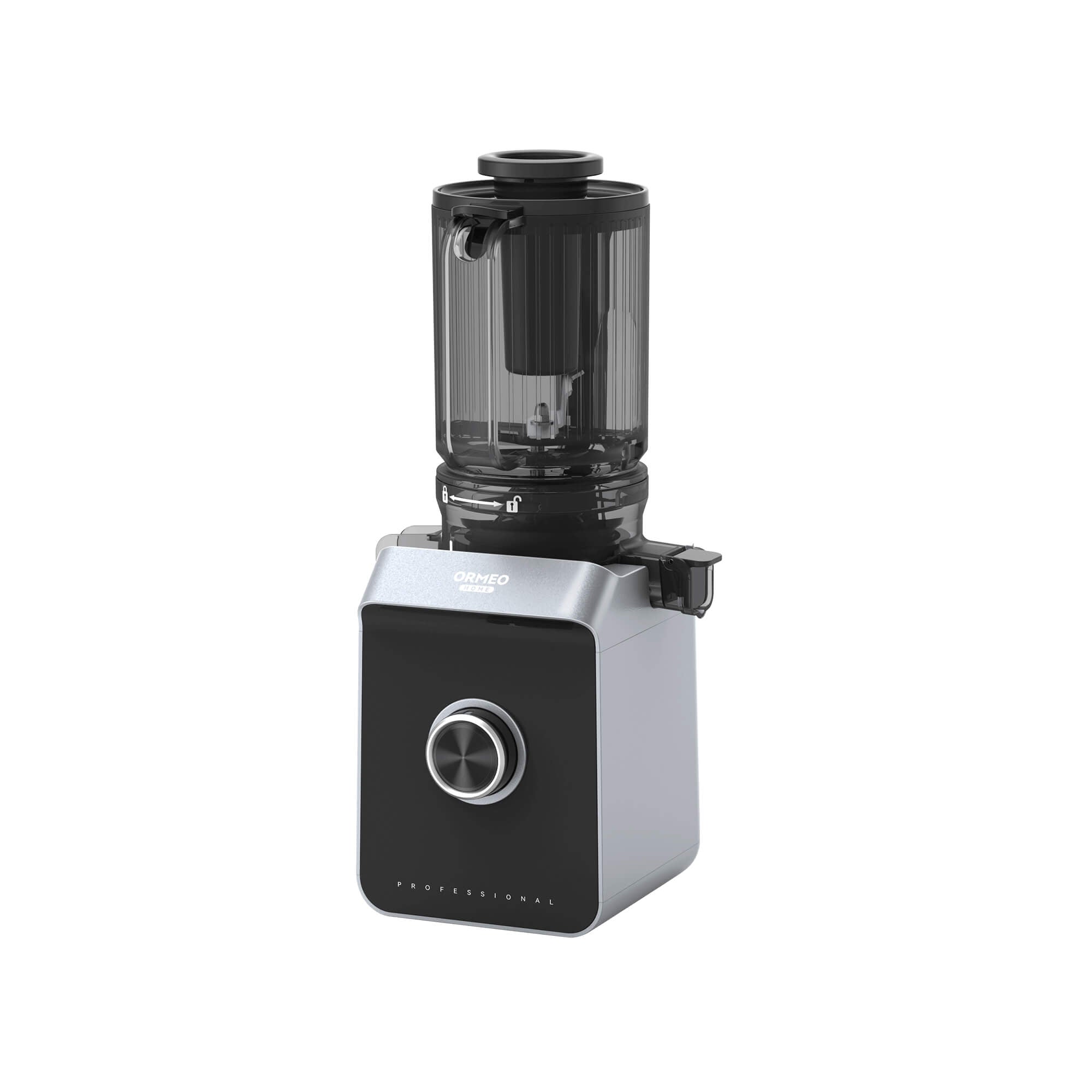
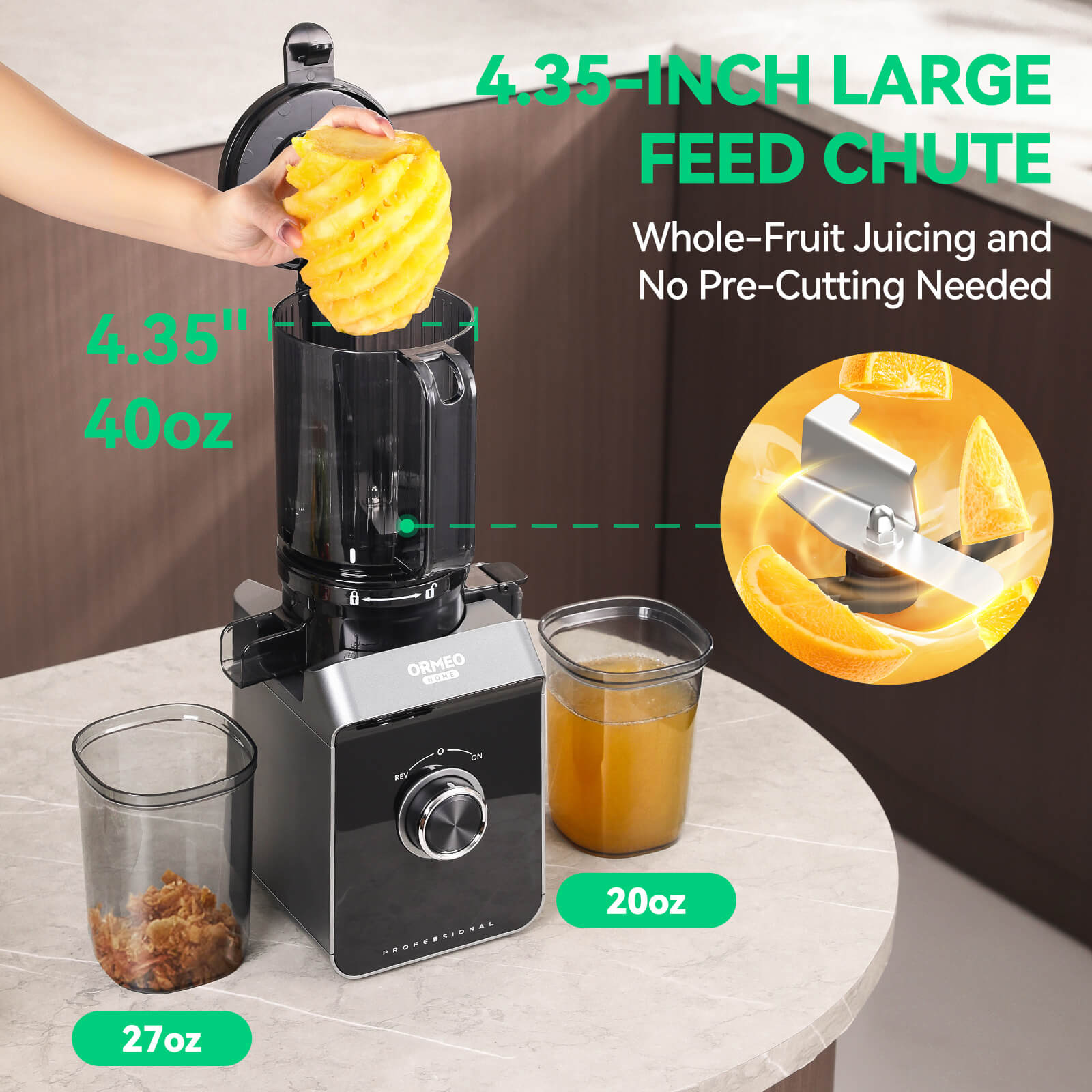
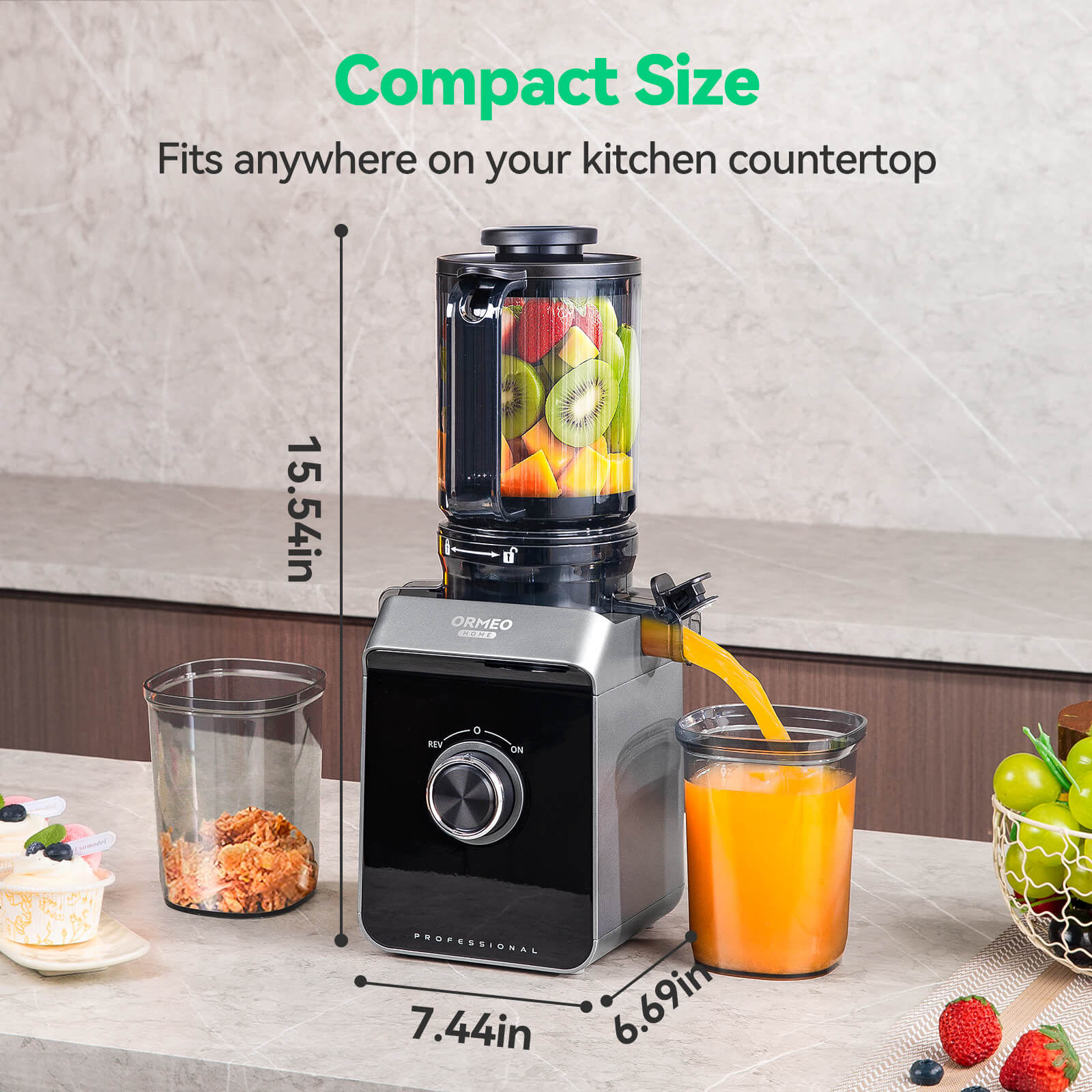
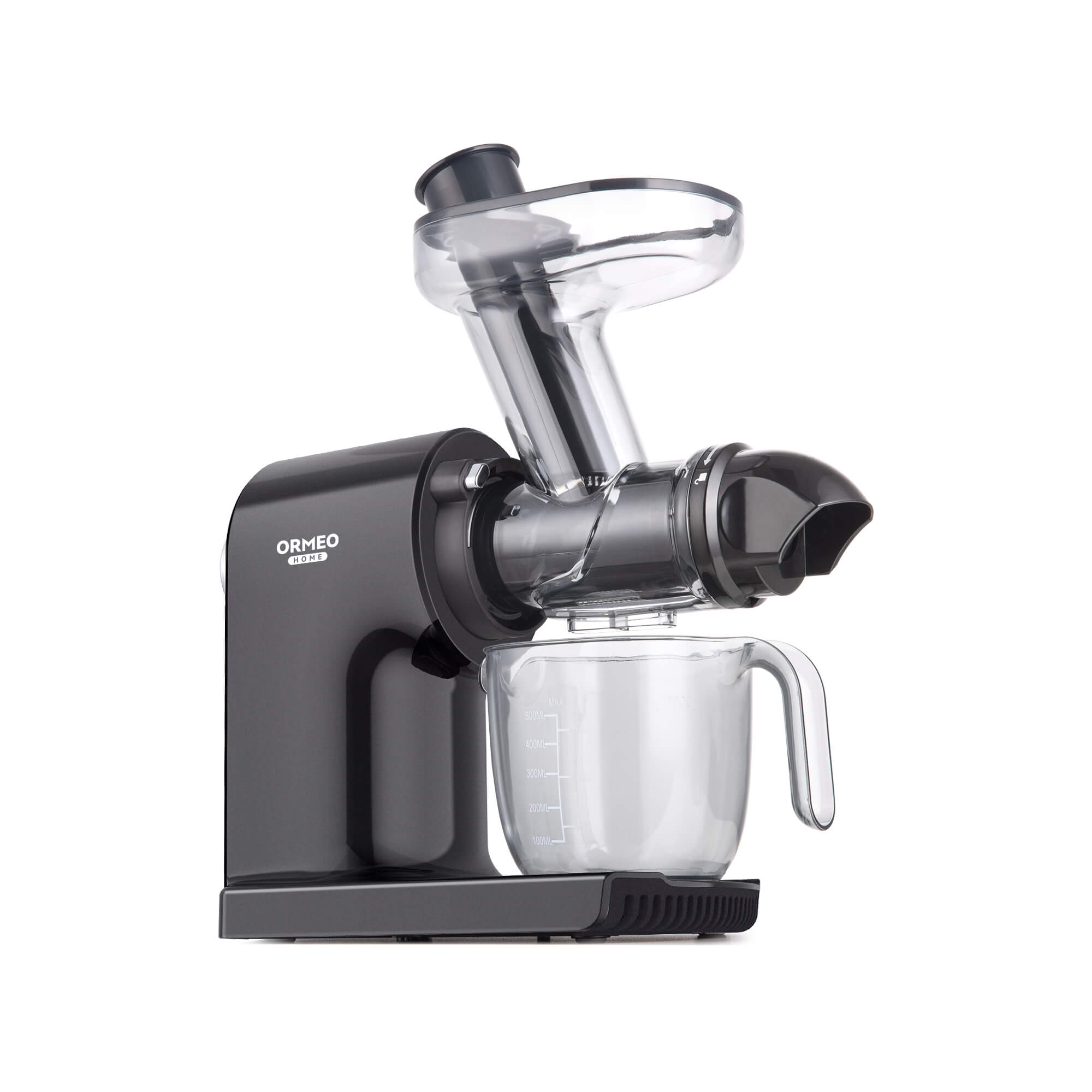
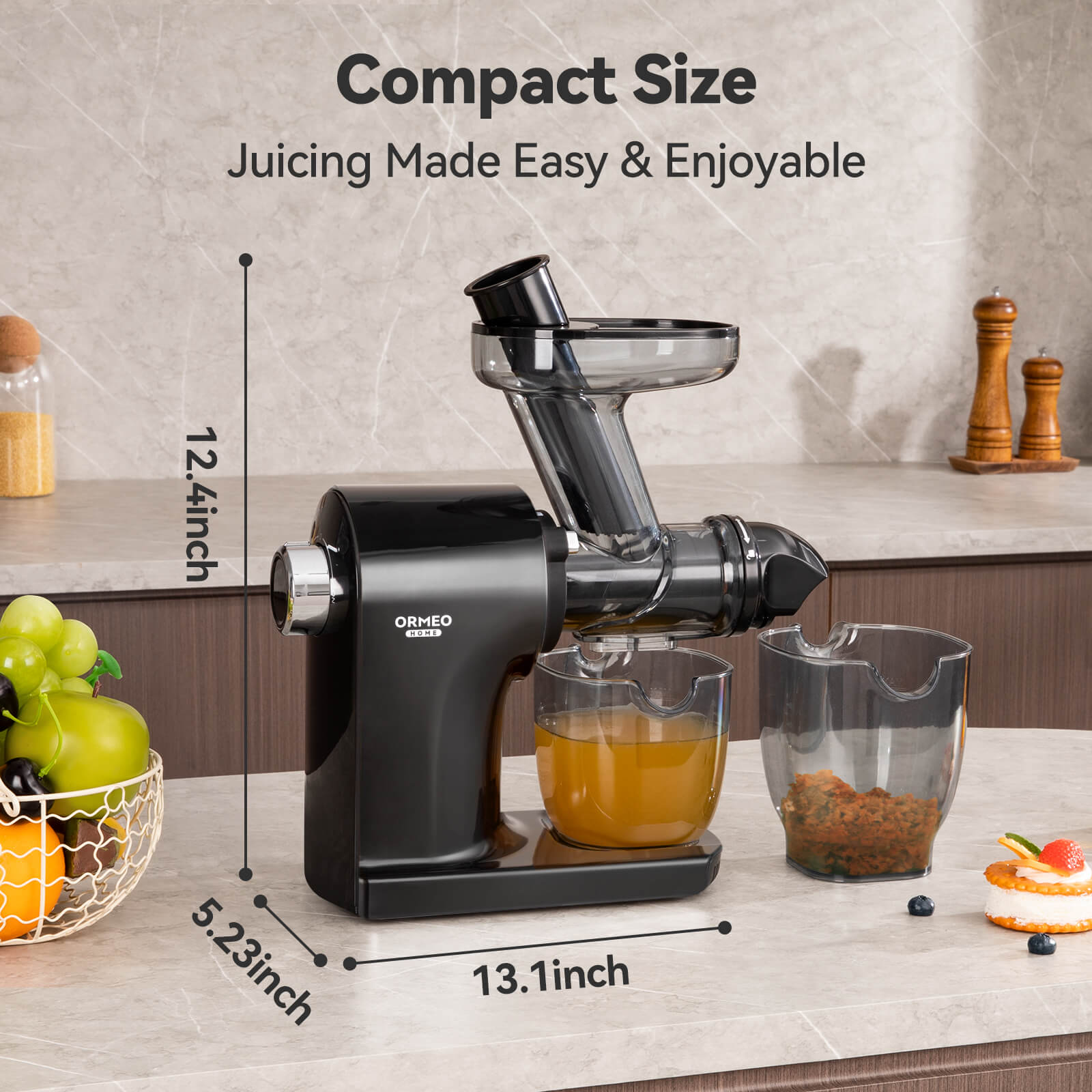
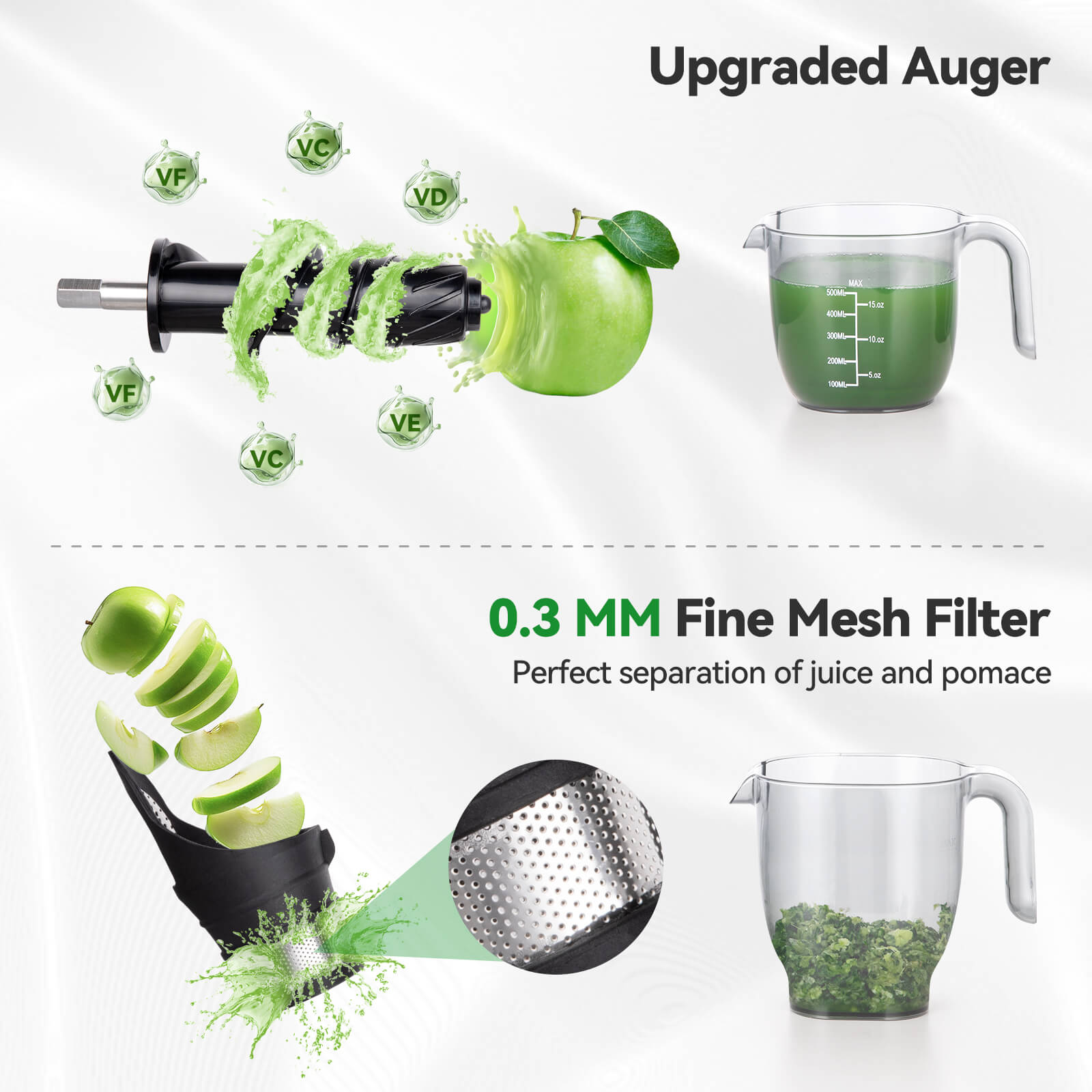
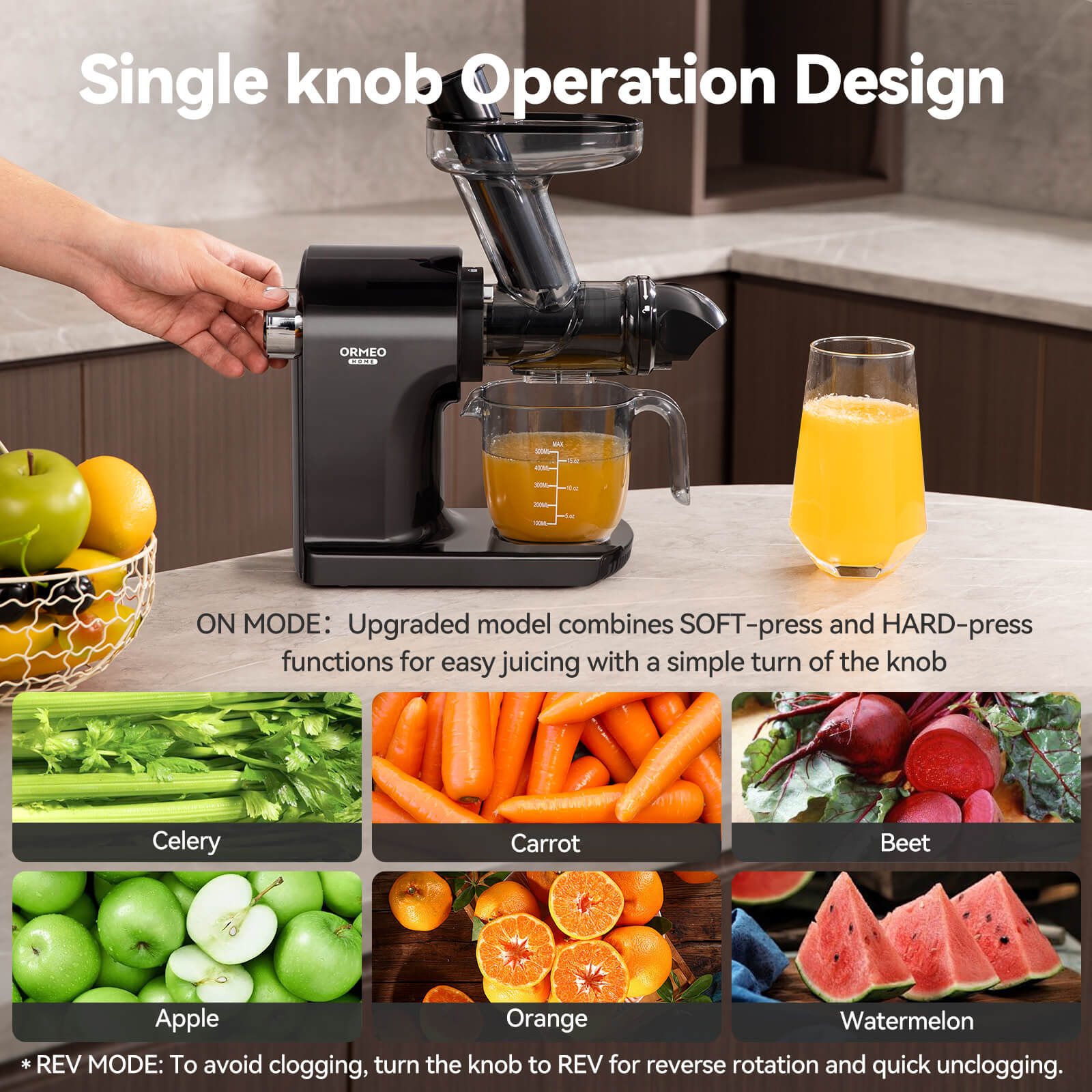
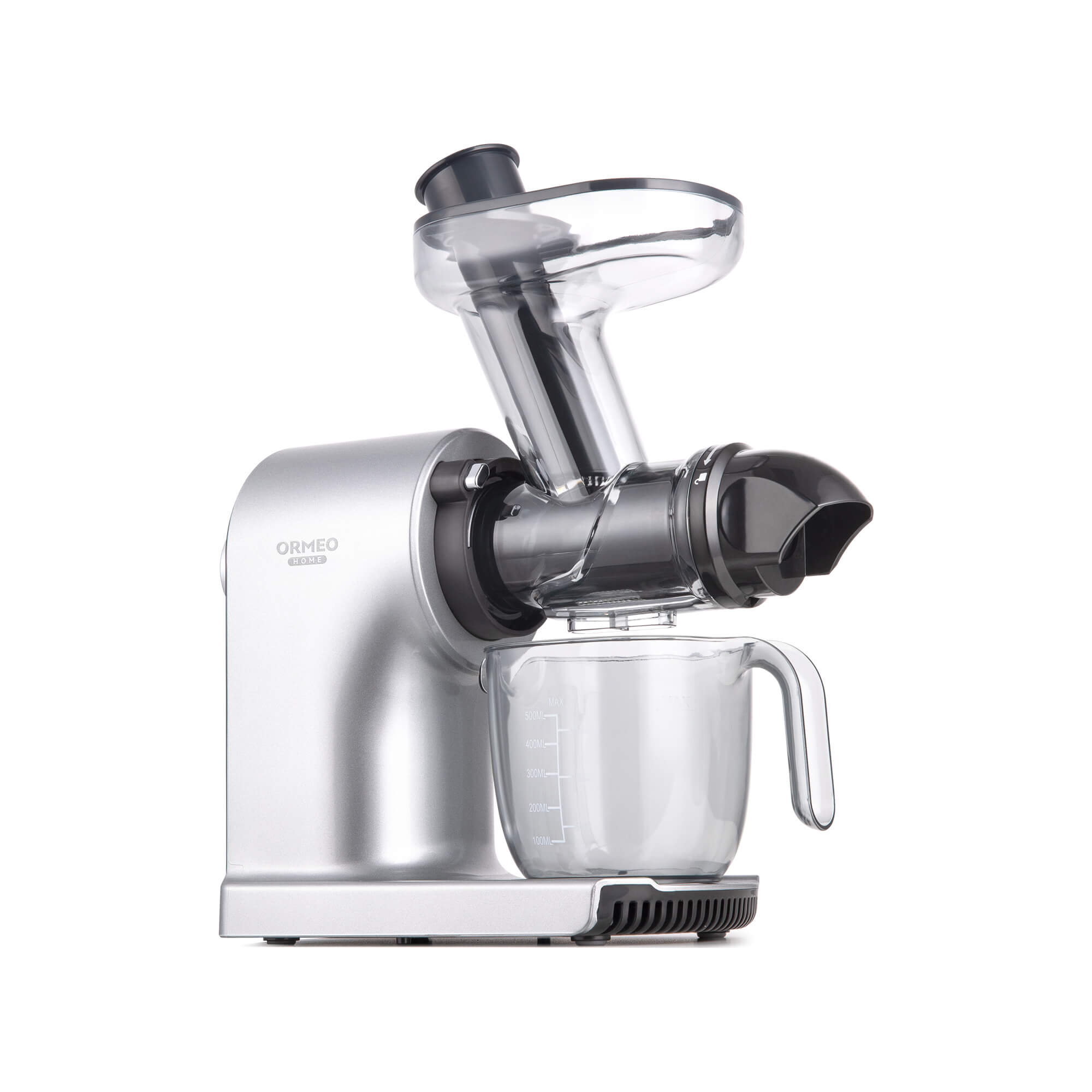
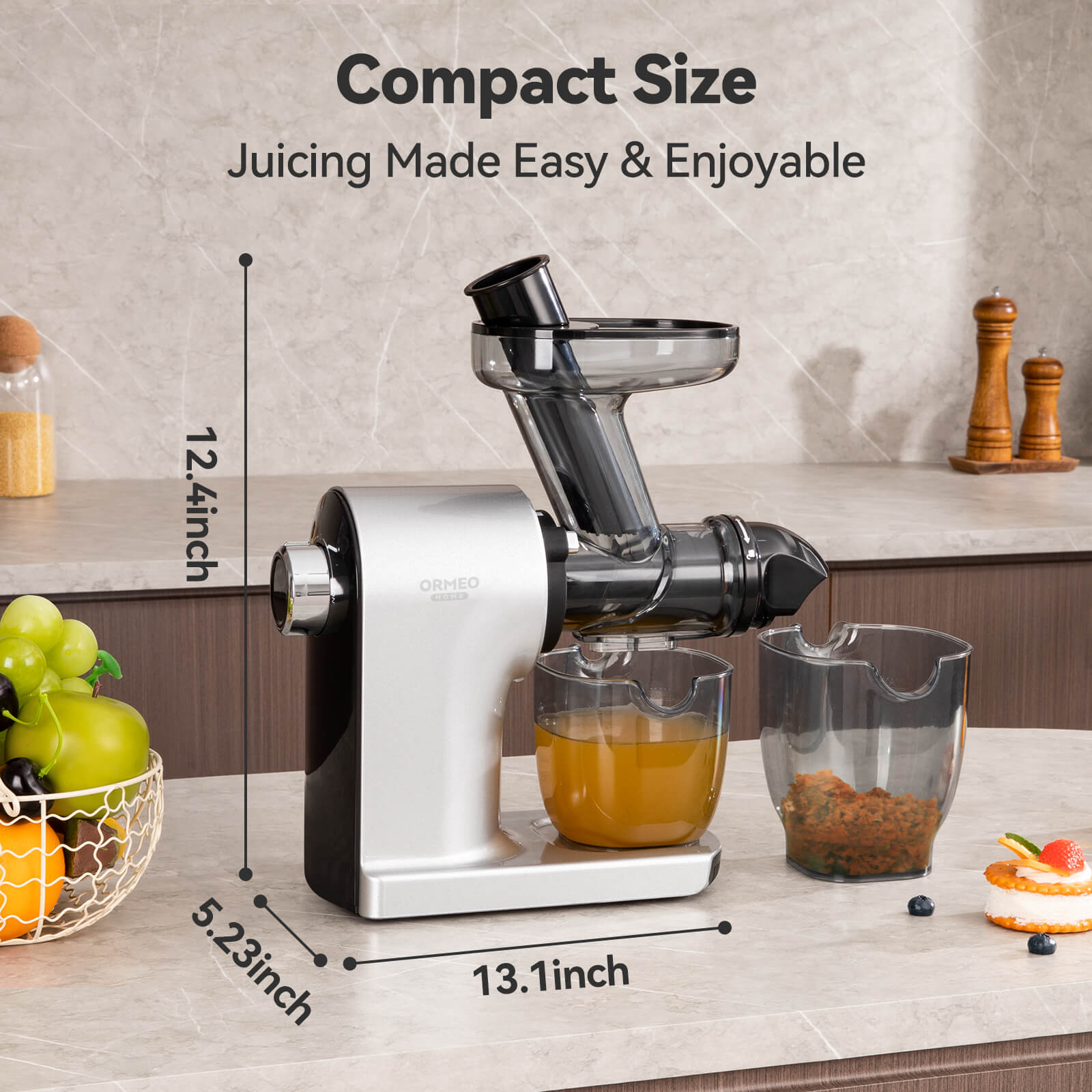
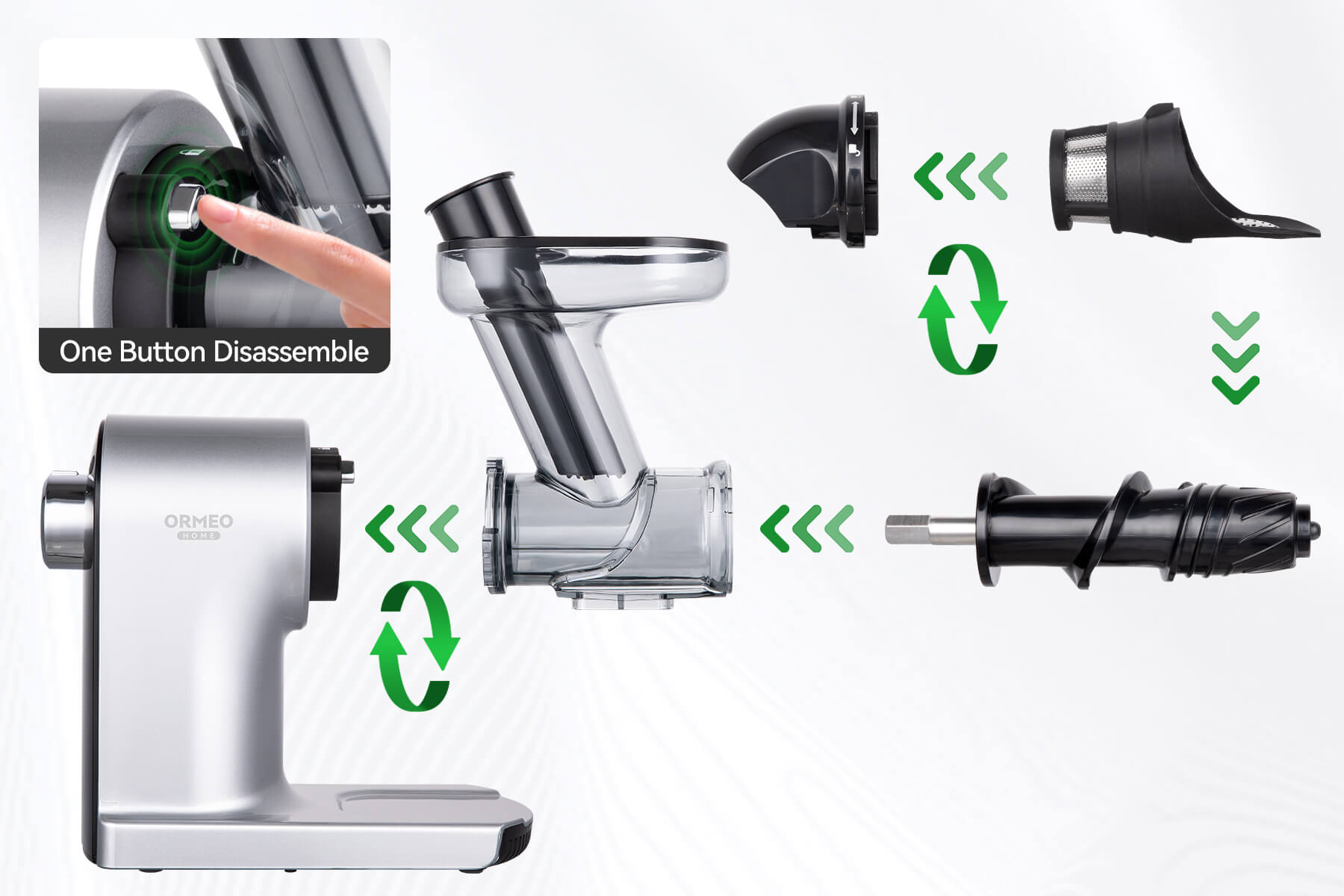
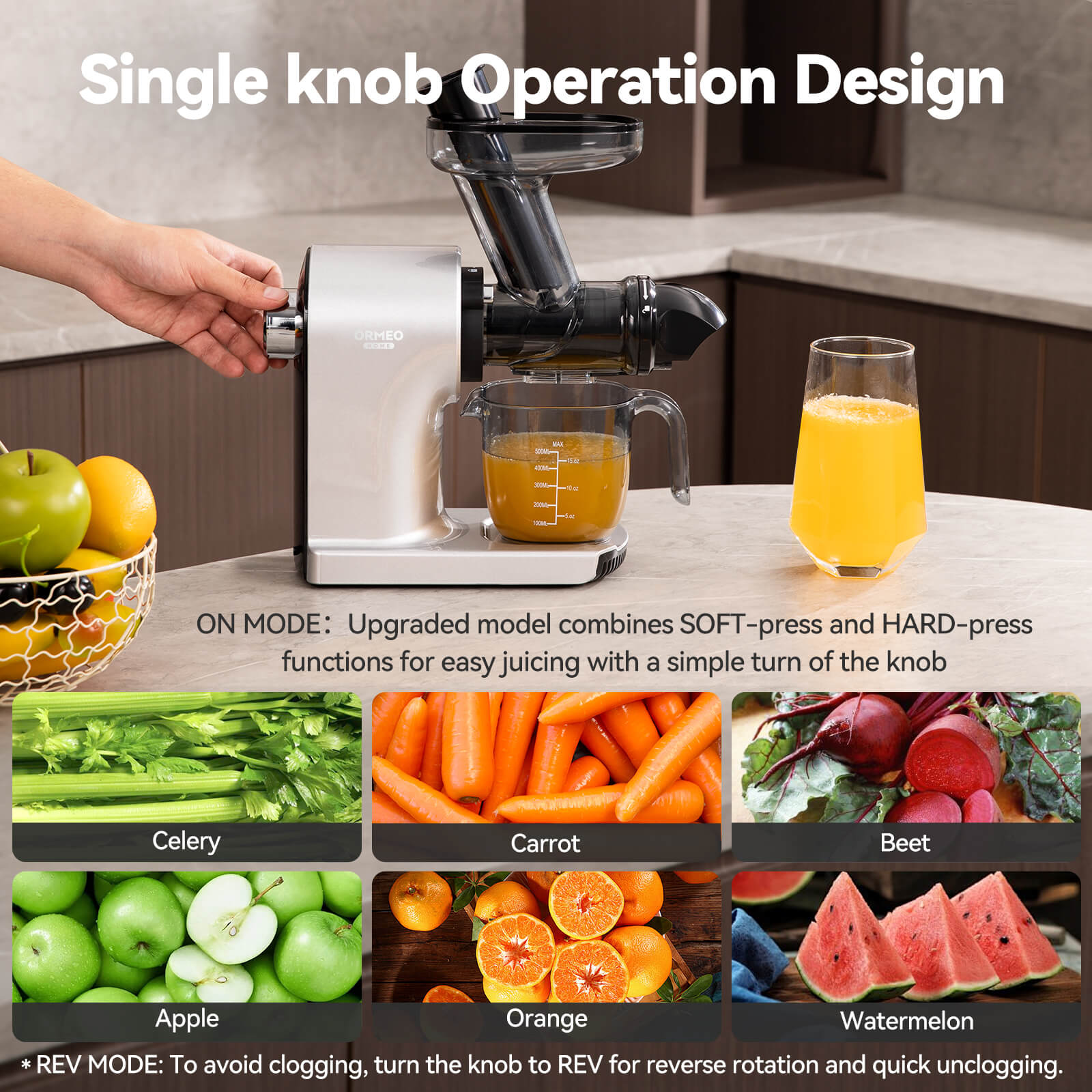
For the highest nutrient retention, we recommend the Ormeo 2311 Quiet Cold Press Juicer. This machine is a "masticating" juicer. It slowly crushes the ingredients, squeezing out every drop of liquid while keeping the pulp dry. This process preserves the vitamin C and delicate enzymes that help fight free radicals. Plus, it’s quiet enough that you won’t wake the whole house during your morning weight loss journey.
Top 5 Juicing Recipes for Weight Loss (With Exact Measurements)
Stop guessing. Here are precise juicing recipes that can help you manage your calories and stay hydrated. These are designed to be a part of a balanced diet, not a starvation plan.
1. The "Green Gut-Reset" (Ultimate Detox Green Vegetable Juice)
This is the gold standard green juice. It is extremely low in calories, hydrates the cells, and the celery helps reduce water retention (bloat).
Best for: Morning hydration and reducing inflammation.
Ingredients:
- 4 stalks of celery (leaves included)
- 1 large cucumber (skin on for silica)
- 2 large handfuls of spinach or kale
- 1 green apple (lower sugar than red apples)
- 1/2 lemon (peeled)
- 1-inch piece of ginger
Why it works: Leafy greens like kale and spinach are nutrient-rich powerhouses containing calcium and iron. The ginger stimulates digestion and adds a spicy kick to mask the "grassy" taste. This is a true detox blend.
2. The Metabolic Citrus Zinger
Citrus juice is fantastic, but we need to control the sugar. This recipe uses grapefruit, which contains compounds that may help lower insulin levels.
Best for: Mid-day slump and metabolism boosting.
Ingredients:
- 1/2 Ruby Red Grapefruit (peeled)
- 2 medium carrots
- 1/4 pineapple (core included—it has bromelain for digestion)
- 1/2 inch turmeric root (or 1/4 tsp powder stirred in)
Why it works: Pineapple provides natural sweetness and bromelain to improve digestion. The carrots offer beta-carotene (Vitamin A) without the massive blood sugar spikes of straight fruit juice. It’s a vitamin C bomb that supports your immune system.
3. The "Berry Blast" Antioxidant Elixir
We often hear about the berry blast smoothie, but juicing berries creates a rich, tart nectar. Berries are lower in sugar than tropical fruits and packed with anthocyanins.
Best for: Post-workout recovery and skin health.
Ingredients:
- 1 cup blueberries
- 1 cup strawberries (caps removed)
- 1 medium beet (scrubbed well)
- 1 red apple
Why it works: Beets contain nitrates which improve blood flow and stamina—perfect for your exercise routine. The berries are high in antioxidant properties to fight oxidative stress. This is one of the best healthy juice recipes for satisfying a sweet tooth naturally.
4. The "Salad in a Glass" (V8 Alternative)
If you prefer savory over sweet, this is the best juice for you. It feels like a meal and is incredibly savory.
Best for: Lunch replacement or savory snack.
Ingredients:
- 3 large tomatoes
- 1 red bell pepper
- 2 stalks celery
- 1/2 cucumber
- Dash of cayenne pepper (optional for metabolism)
Why it works: Tomatoes are rich in lycopene. This juice is savory, hydrating, and virtually fat-free. It’s an easy way to incorporate more fruits and vegetables into your day without feeling like you are drinking syrup.
5. The Ginger-Lemon Aid (Immunity & Fat Burn)
Simple, sharp, and effective. This isn't a sipping juice; it's a functional shot or a dilutable concentrate.
Best for: Waking up your digestive system.
Ingredients:
- 2 lemons (peeled)
- 2 inches of fresh ginger
- 2 apples
- Sparkling water (to dilute)
Why it works: The acidity of lemon combined with the heat of ginger can help suppress appetite and help you lose weight by reducing cravings.
How to Build a Juicing Strategy for Weight Management
Owning a juicer like the Ormeo 2311 is step one. Step two is strategy. Here is how to make juicing for weight loss sustainable.
1. Juicing vs. Blending vs. Eating Whole
There is a debate: "Should I juice or use a blender?"
- Juicing: Removes the fiber (pulp). This allows for rapid absorption of nutrients and antioxidants. It gives your digestive system a break. It is the best way to consume a specific, concentrated dose of vitamins.
- Blending (Smoothies): Uses the whole fruit. The fiber helps keep you fuller longer.
- Whole Fruits: The best for satiety.
The Strategy: Use juice for hydration and nutrient loading (micro-nutrition). Eat whole foods for satiety (macro-nutrition). Do not rely solely on liquid calories if you struggle with hunger.
2. The Danger of the "Juice Fast"
A juice fast or juice cleanse can result in rapid water weight loss, but it is rarely sustainable fat loss. If you do a fast, limit it to 1-3 days. Prolonged fasting can slow your metabolism. Instead, use juice as a part of a balanced diet. For example, replace your sugary latte with a green juice, or drink a glass of the Vegetable mix before dinner to curb your appetite so you eat less.
3. Managing Sugar and Insulin
If you are on weight loss medication or simply monitoring your glucose, you must be careful with natural sugars.
- Rule of Thumb: adhere to an 80/20 ratio. 80% vegetables, 20% fruit.
- Always include a lemon or lime; the acidity lowers the glycemic load.
- Never drink high-sugar fruit juice (like pure grape or mango) on an empty stomach without fiber or protein nearby.
4. Preparation and Storage
Air is the enemy. Nutrient degradation happens immediately after juicing.
- Drink immediately for the best nutrient profile.
- If you must store it, fill a glass jar to the very top (no air gap), seal it tight, and keep it cold. The Ormeo 2311 minimizes oxidation during extraction, giving you a slightly longer shelf life (up to 48 hours) compared to centrifugal juicers.
Integrating Juices into a Healthy Lifestyle
Juicing is a powerful catalyst for a healthy lifestyle. When you start your day with fresh fruits and vegetables, you are less likely to crave junk food later. It sets a psychological tone for the day.
However, remember that calorie intake is the ultimate law of weight loss. Even healthy juice recipes contain calories. If you drink 1,000 calories of juice on top of your normal diet, you will gain weight.
The "Add-In" Approach
Don't just subtract foods; add good things in. Use juicing to incorporate more fruits and vegetables than you could physically eat. It is hard to eat a pound of spinach, four celery stalks, and a cucumber in one sitting. But you can drink them in 5 minutes.
This approach ensures your body gets essential nutrients like magnesium, potassium, and Vitamin C, which are often depleted when dieting. A well-nourished body holds onto less fat and water weight than a malnourished one.
A Note on Texture
Some people dislike pulp. With the Ormeo 2311, the juice comes out very smooth. However, if you use a different method or prefer it ultra-clear, you can strain the juice through a nut milk bag or fine mesh sieve. Conversely, if you want some fiber back, you can stir a spoonful of the pulp back into your glass.
Final Thoughts: Your Weight Loss Plan
You don't have to hate your weight loss plan. Adding fresh, cold-pressed juice to a healthy diet and regular exercise will help your body burn fat and work at its best.
The best juice is the one you enjoy enough to drink consistently. Start with the Berry Blast or the Green Vegetable Juice, grab your Ormeo juicer, and start fueling your body with the good stuff.
Frequently Asked Questions (FAQ)
1. Can I lose weight by juicing only?
While a juice fast can lead to rapid scale weight reduction (mostly water and glycogen), it is not a sustainable long-term method for fat loss. You miss out on protein and healthy fats essential for muscle maintenance. The best approach is juicing for weight loss as a supplement to a well-balanced diet, using juice to replace high-calorie processed drinks or as a nutrient booster, rather than a total meal replacement.
2. What is the best time to drink juice for weight loss?
The optimal time is in the morning on an empty stomach. This lets your body quickly absorb the vitamins and minerals without food getting in the way. Another option is to drink a juice that is high in vegetables 20 minutes before a meal. This can help fill you up ("pre-loading"), which will make you eat fewer calories during the meal. To keep your blood sugar from going up too much before bed, stay away from juices with a lot of fruit in them.
3. How long can I keep fresh juice in the fridge?
Fresh juice is best consumed immediately. However, using a slow cold-press machine like the Ormeo 2311 reduces oxidation. You can store juice in an airtight glass container (filled to the brim to minimize oxygen) for up to 48-72 hours. If the juice turns brown or tastes fizzy, it has fermented and should be discarded. Adding lemon helps preserve it longer.
4. Is juicing better than blending (smoothies) for weight loss?
Neither is strictly "better"; they serve different purposes. Juicing provides a concentrated dose of nutrients and gives the digestion system a rest, which can reduce bloat. Blending keeps the fiber, which helps keep you fuller longer. For pure nutrient absorption without bulk, juicing wins. For meal replacement, a smoothie is often better. Many people use both strategies in their weight loss plan.
5. Will the sugar in fruit juice cause weight gain?
It can if you aren't careful. Natural sugars (fructose) in fruit still count as calories and affect insulin. To avoid weight gain, stick to the 80/20 rule: 80% vegetables (cucumber, celery, spinach) and 20% fruit for flavor. Avoid making juice solely from apples, pineapples, or oranges. Green juices are generally safer for preventing blood sugar spikes.
6. Can I juice if I am taking weight loss medication?
Generally, yes. Juicing is an excellent way to ensure you get essential nutrients if your appetite is suppressed by medication. However, beware of the "grapefruit effect," as grapefruit can interact with many medications. Always consult your doctor before making significant dietary changes or consuming large amounts of specific produce like grapefruit or high amounts of Vitamin K (kale/spinach) if you are on blood thinners.
7. What are the best ingredients for a natural detox?
Focus on ingredients that support liver and kidney function. Beet juice is excellent for liver health. Celery acts as a natural diuretic to flush excess water. Lemon balances pH levels. Ginger and turmeric are powerful anti-inflammatories. A combination of these in a green juice creates a potent environment for your body’s natural detoxification processes to work efficiently.
8. Why is cold-pressed juice recommended over centrifugal?
Centrifugal juicers spin at high speeds, generating heat and forcing air into the juice. This breaks down fragile enzymes and oxidizes nutrients faster (why the juice separates quickly). A cold press juicer (masticating) crushes produce slowly and stays cool. This preserves maximum nutrient density, keeps the juice fresher for longer, and yields more liquid from ingredients like leafy greens.









Share:
What is a Cold Pressed Juice? Is It Really Better?
Best Juicer For Fruits? Expert Reviews & Buying Guide