

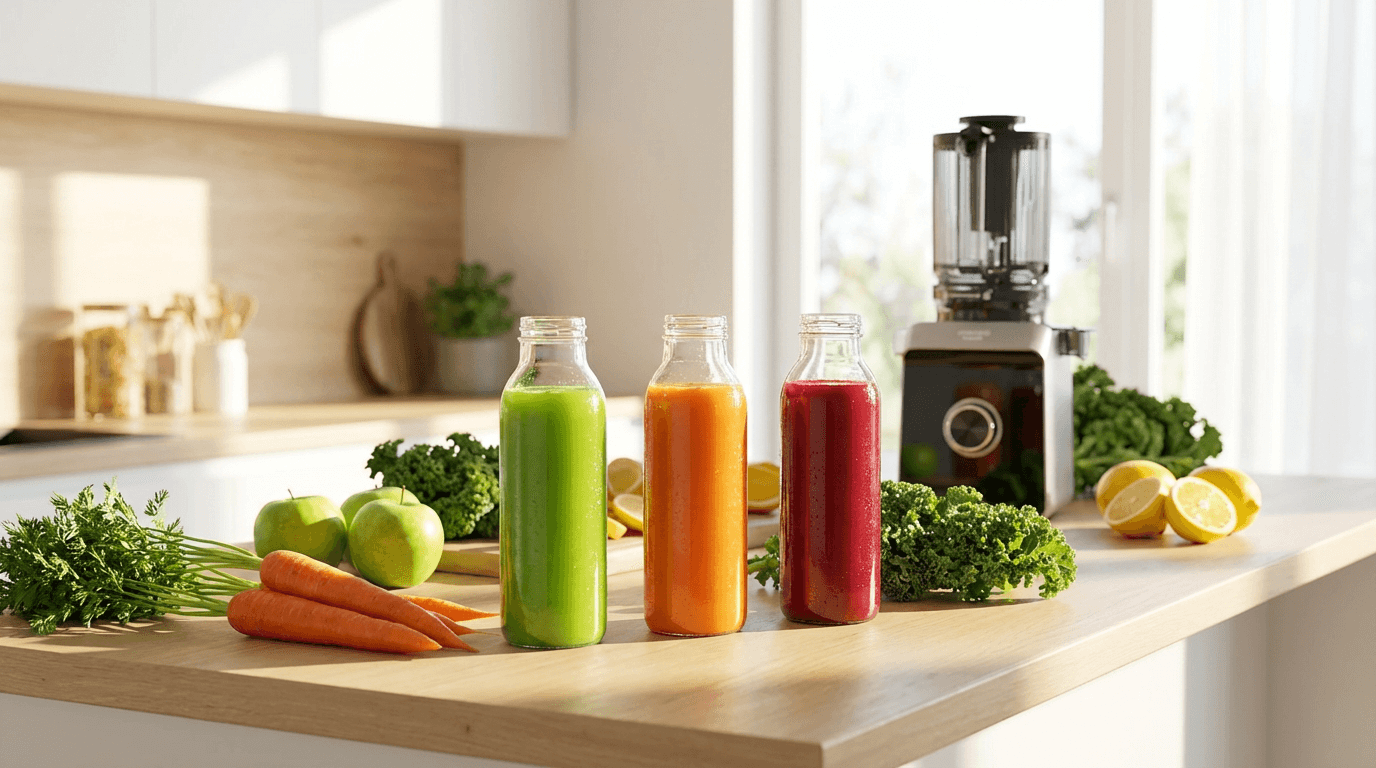
How To Cold Press? Make Cold-Pressed Juice at Home Methods
Let’s be real for a second: walking into a juice bar and dropping $12 on a single bottle of green juice hurts. Sure, it tastes like liquid gold, and you feel instantly healthier just holding it, but the cost adds up fast. The allure of fresh juice, packed with vitamins and minerals, is undeniable, but the price tag is a major barrier.
That is usually the moment people start wondering, "Can I make cold-pressed juice at home?"
The answer is a resounding yes. In fact, once you master the juicing process, the juice that’s made in your own kitchen often tastes better and is significantly fresher than anything sitting on a store shelf. Whether you are looking to boost your immune system, sneak more veggies into your diet, or just enjoy a delicious juice without preservatives, this guide covers everything.
We are going to break down the mechanics of cold press, the right ingredients for cold-pressed juice, and how to do it with—or without—a machine.
Understanding the Hype: What is Cold-Pressed Juice?
To understand why cold pressed juice is best, we have to talk about heat and violence.
Most standard juicers you see in department stores are called centrifugal juicers. They operate like a lawnmower in a bowl. A metal blade spins at high speeds (thousands of RPMs), shredding the fruits and vegetables to separate the liquid from the pulp.
While fast, this violence introduces heat and forces air into the liquid. This causes rapid oxidation—the same process that turns a sliced apple brown. Oxidation kills off delicate enzymes and essential nutrients before you even take your first sip.
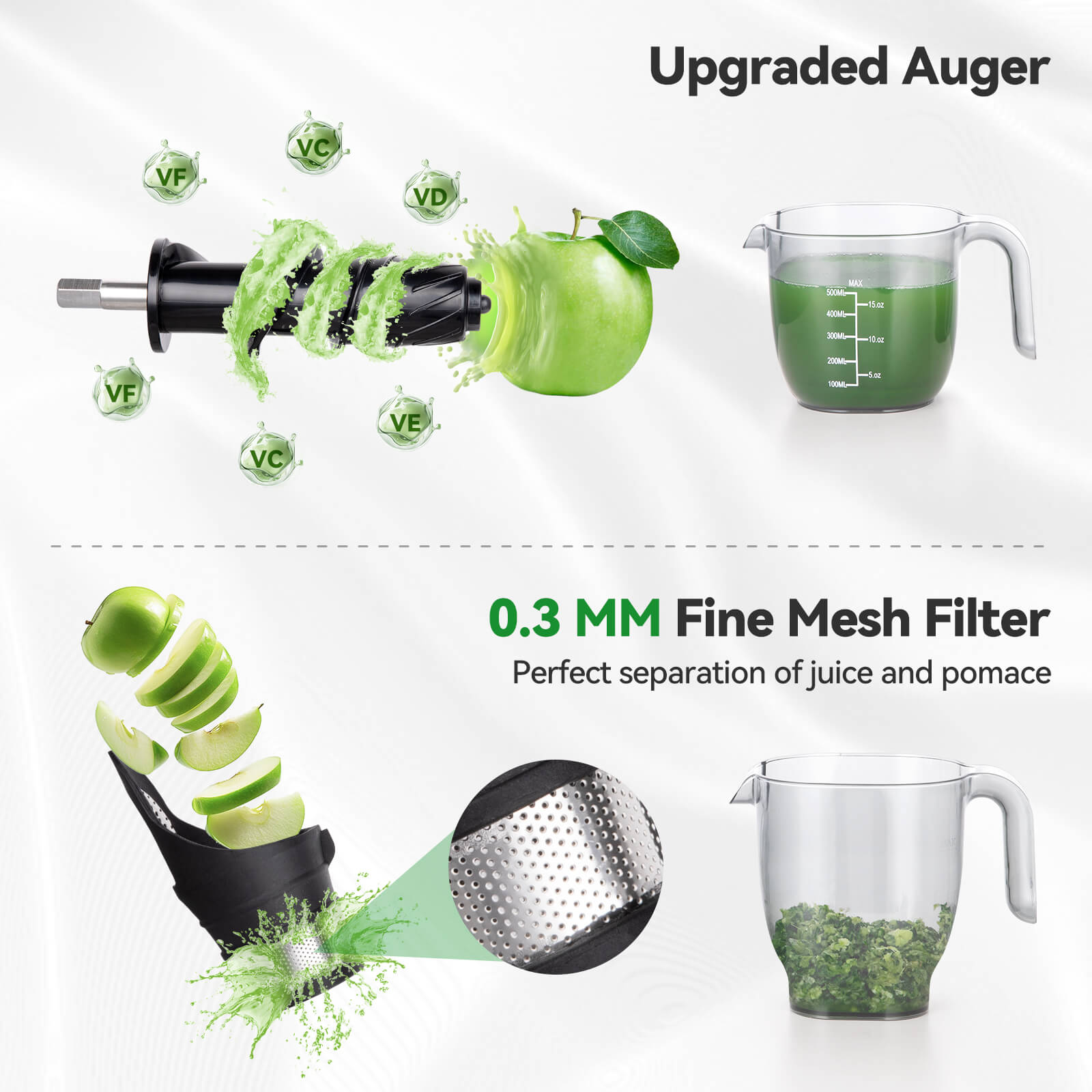
Cold pressing is the opposite. A cold press juicer, also known as a masticating juicer, operates slowly. It uses a heavy gear (an auger) to crush and squeeze the produce against a screen. It’s a slow, methodical grind that mimics the act of chewing.
Because there is no heat and very little air exposure, you extract a cup of juice that is:
-
Nutrient-dense: Retains more vitamin C and antioxidants.
-
Longer lasting: Can be stored for up to 72 hours.
-
Better tasting: The texture is smooth, rich, and vibrant.
If you want to preserve the integrity of your produce, cold press is the only way to go.
The Gear: Do You Need a Cold Press Juicer?
Here is the truth: You can make cold-pressed juice without a juicer, but it is messy (we will cover that method below). If you plan on juicing more than once a week, a dedicated machine is a game-changer.
The Professional Approach: Using a Machine
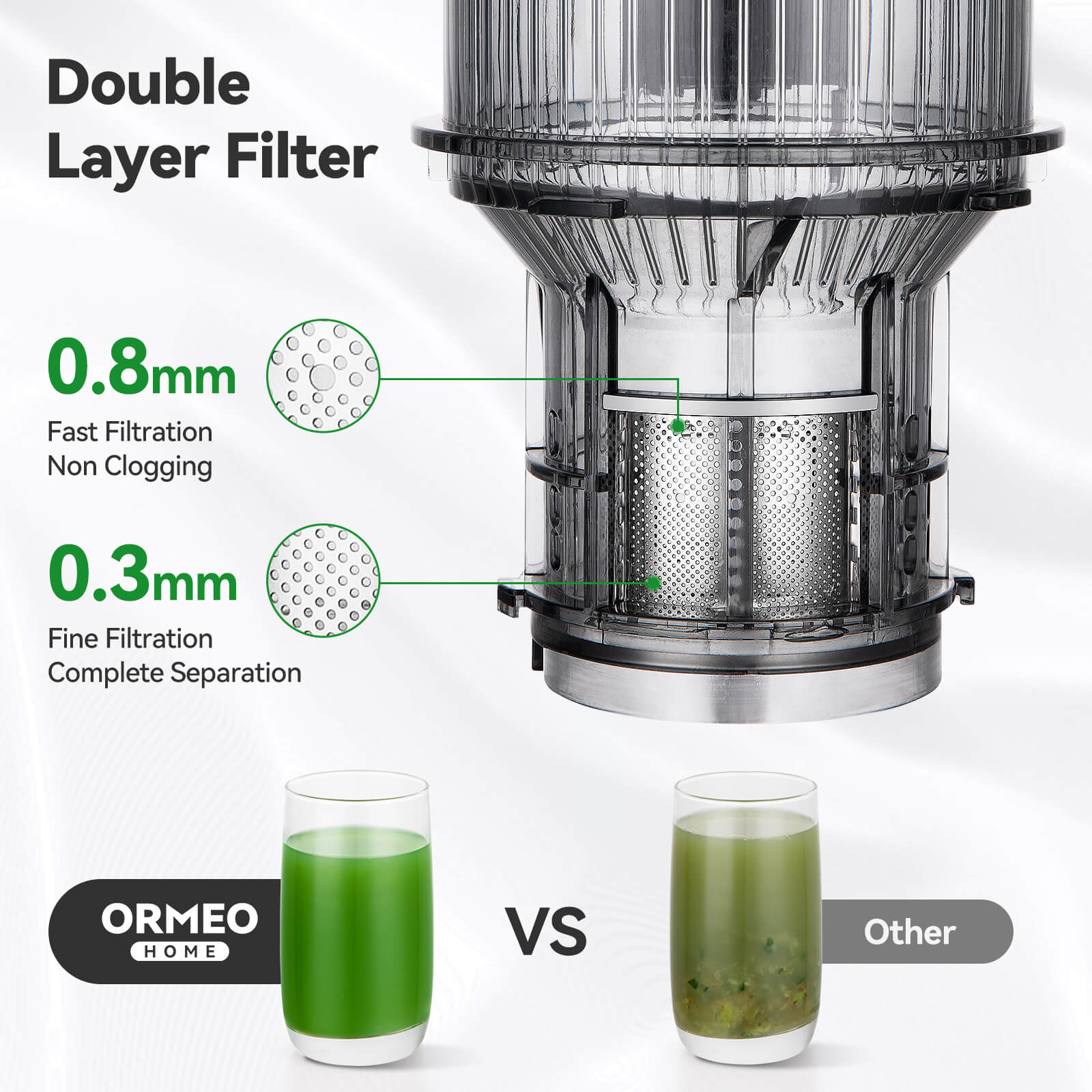
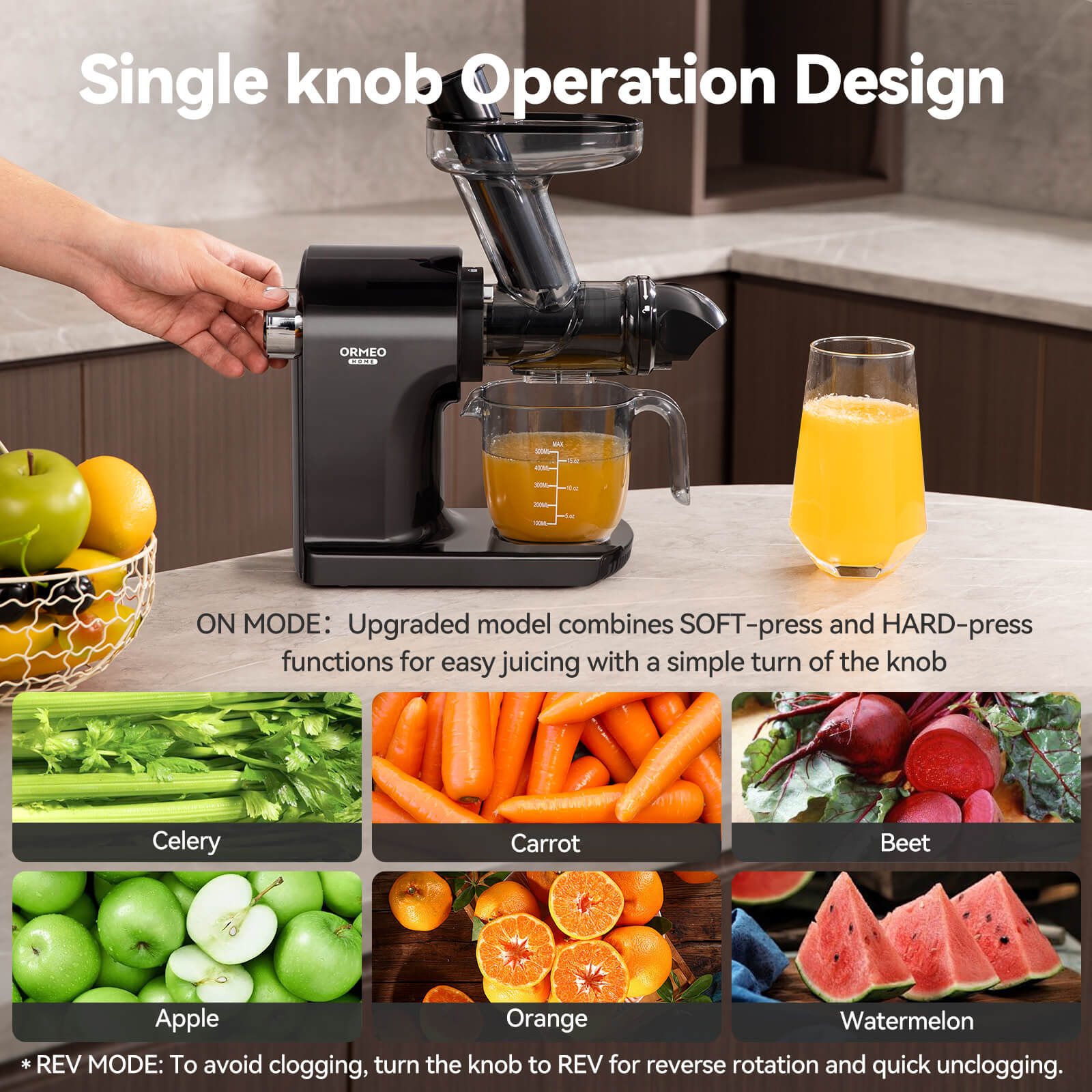
When choosing a machine, you want something that handles both hard carrot sticks and wispy leafy greens like kale without clogging.
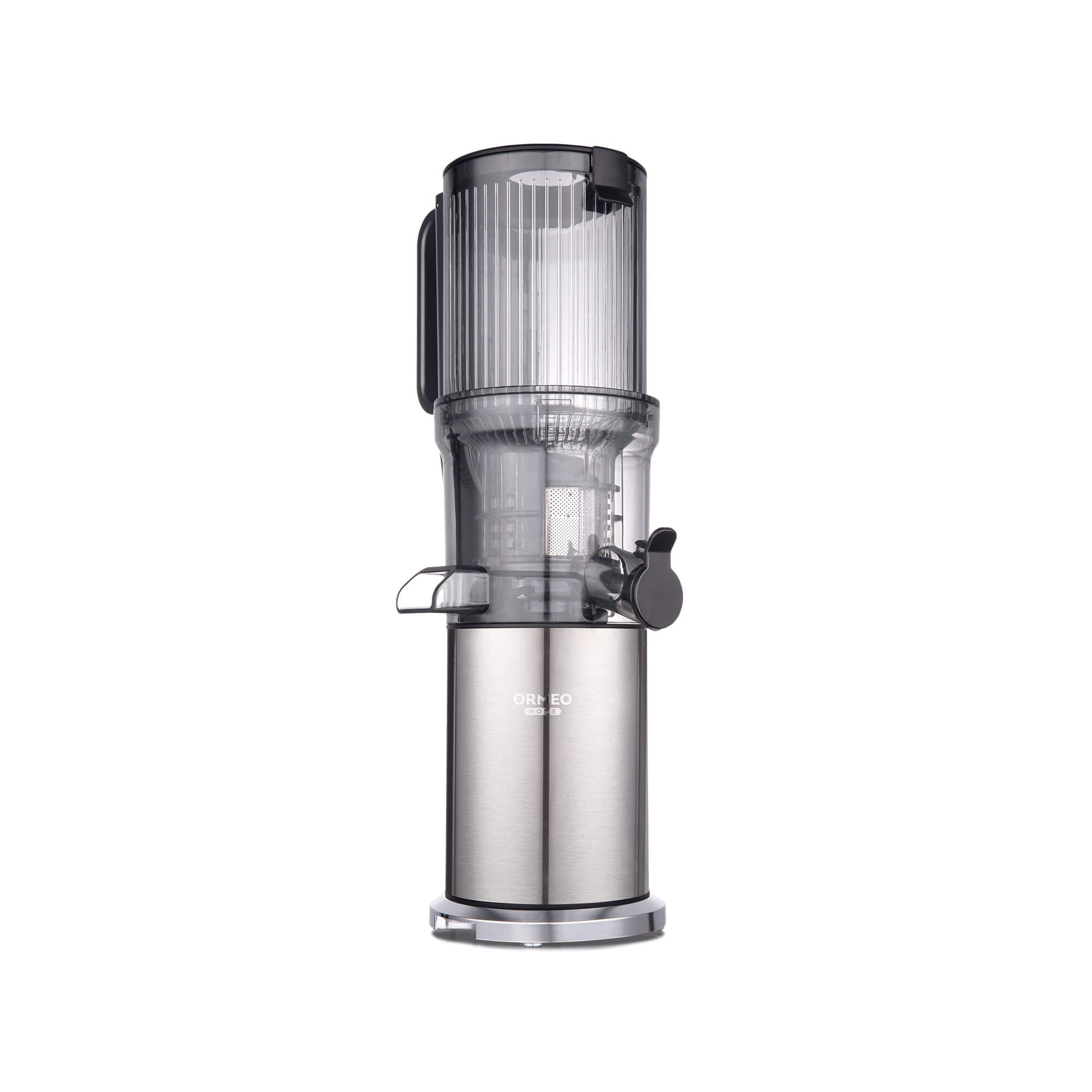
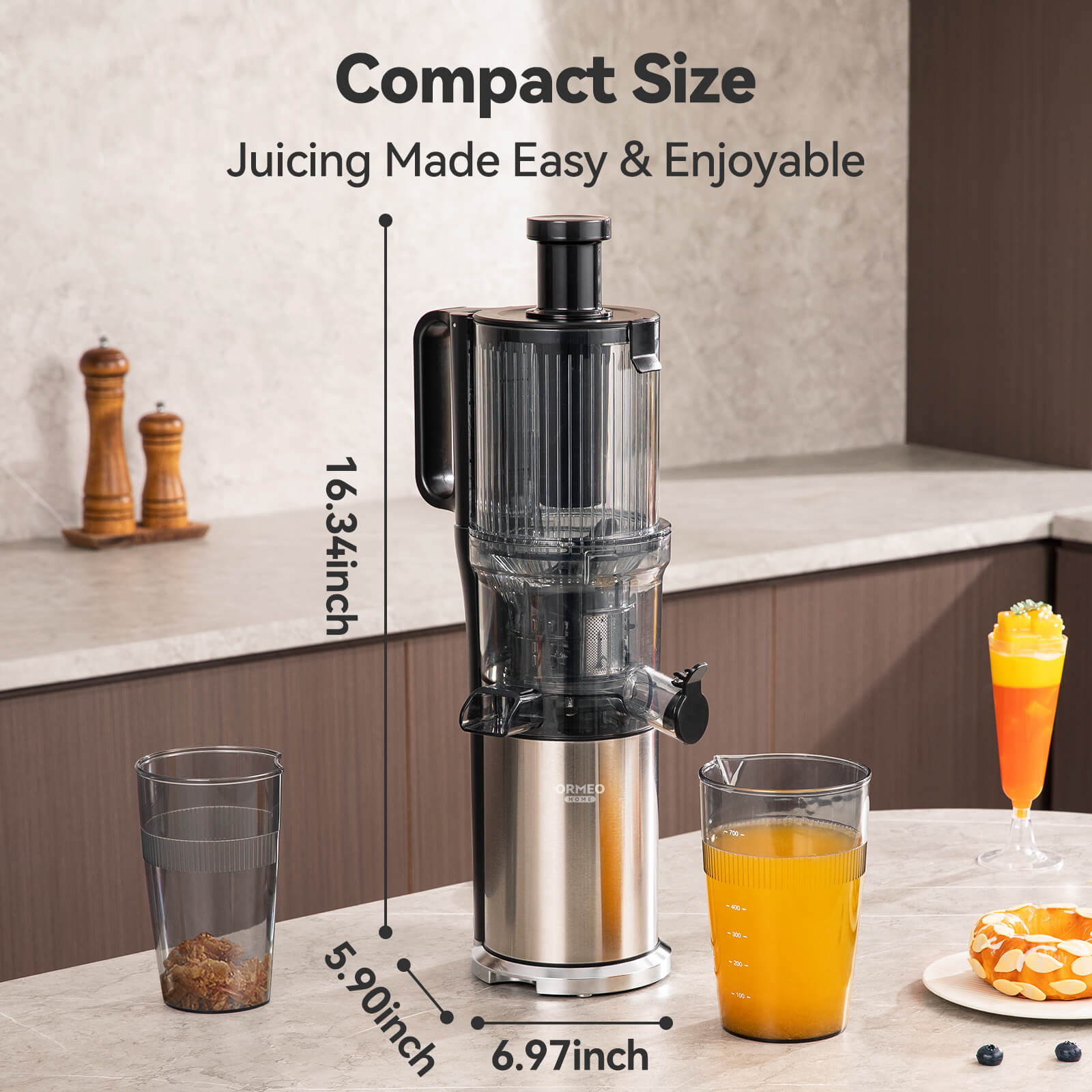
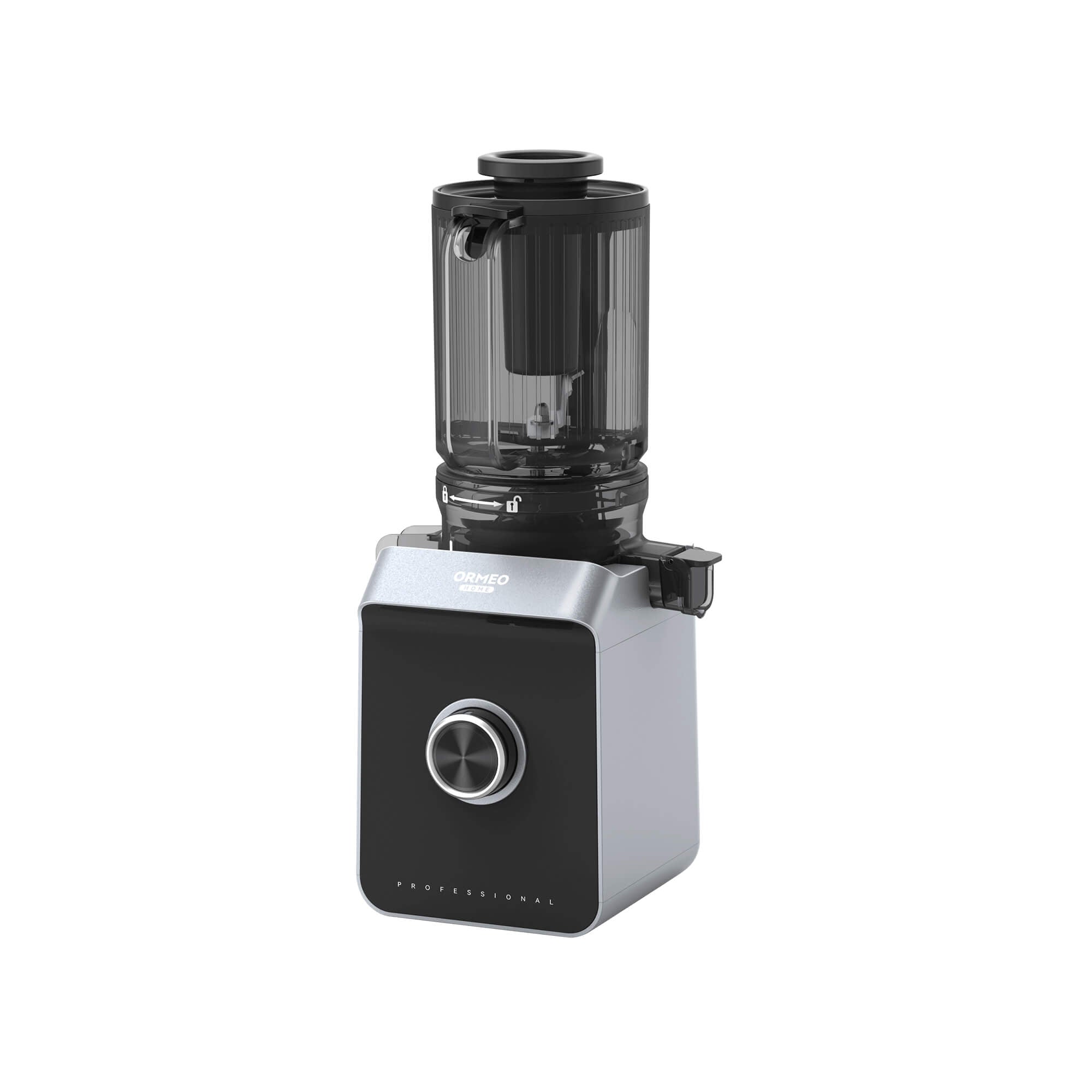
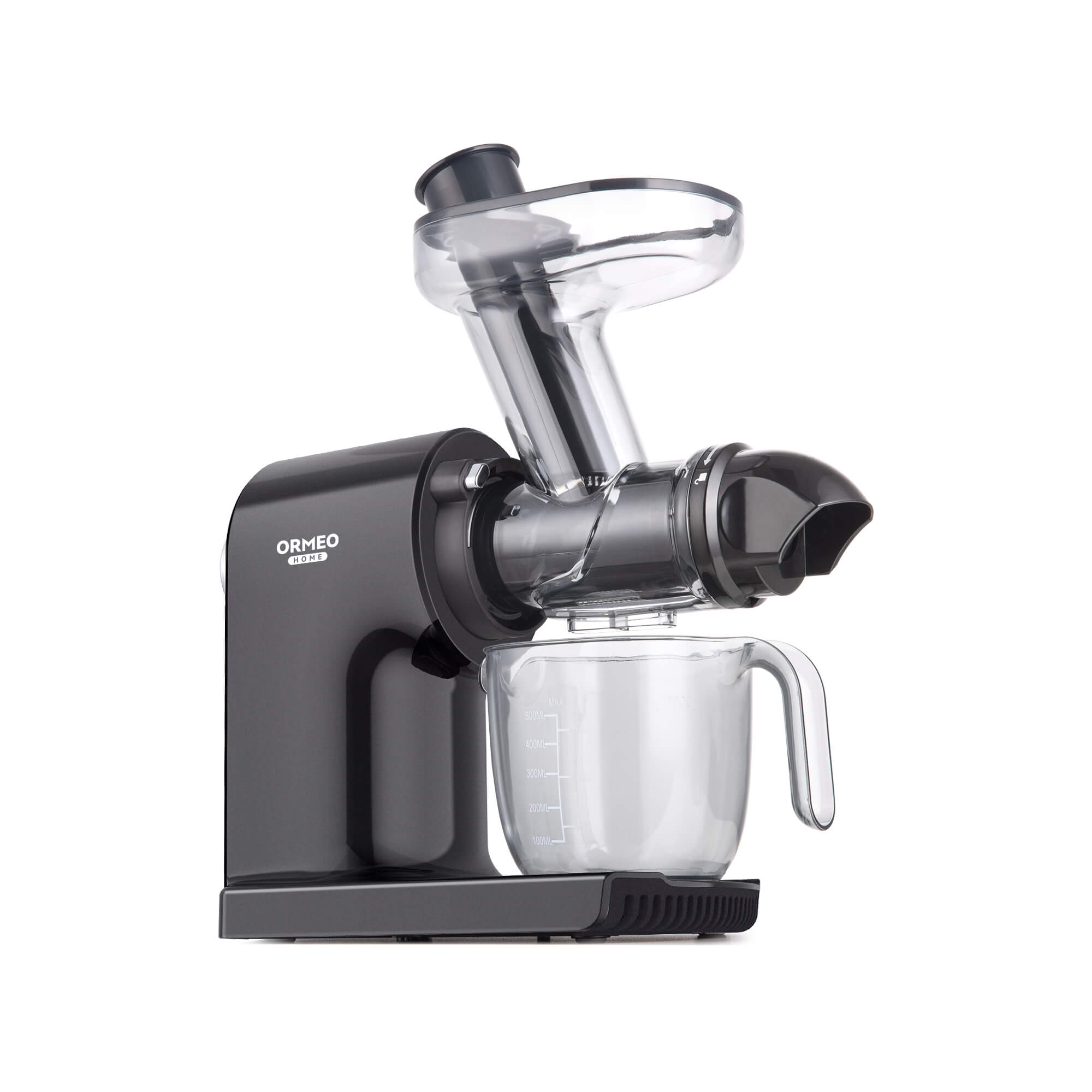
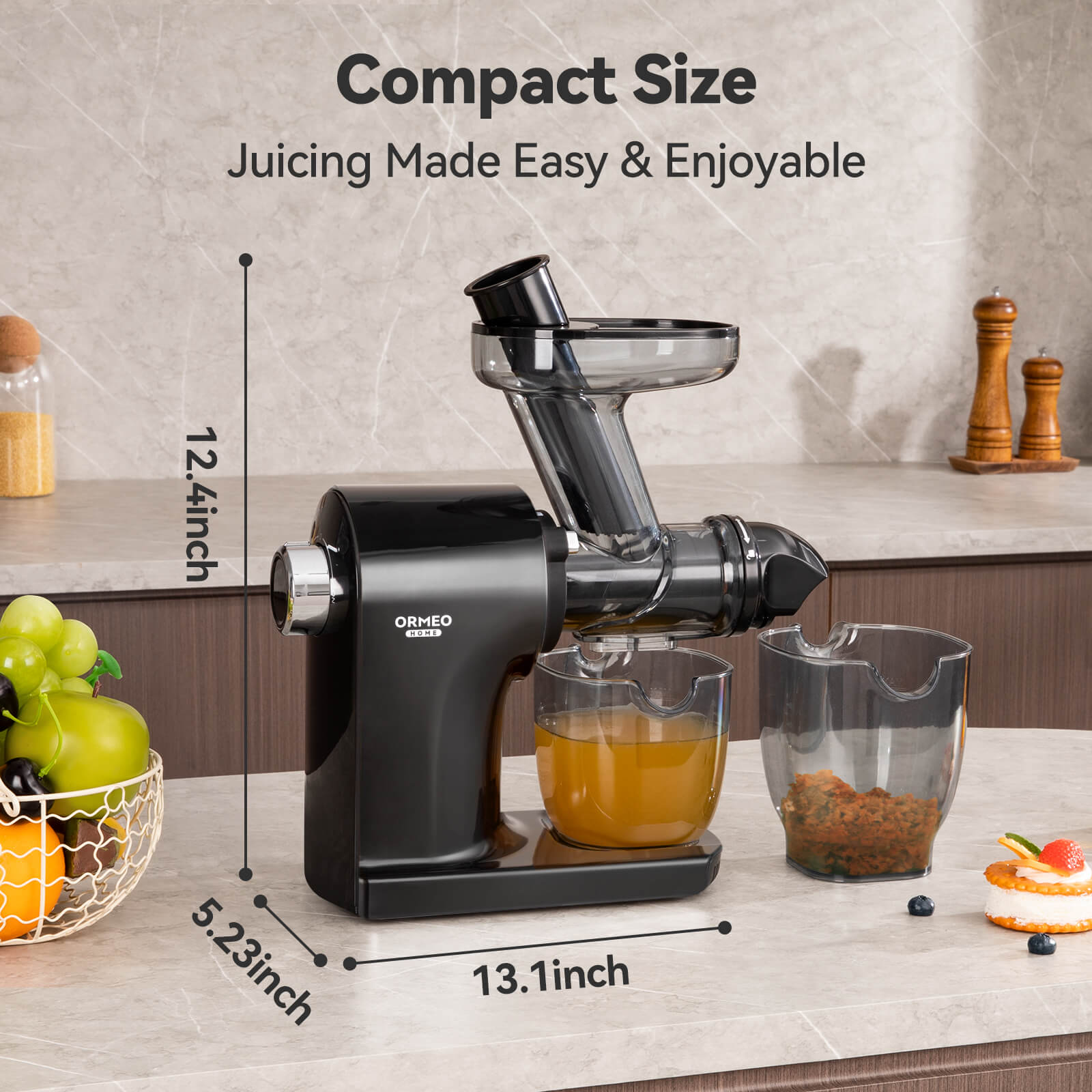
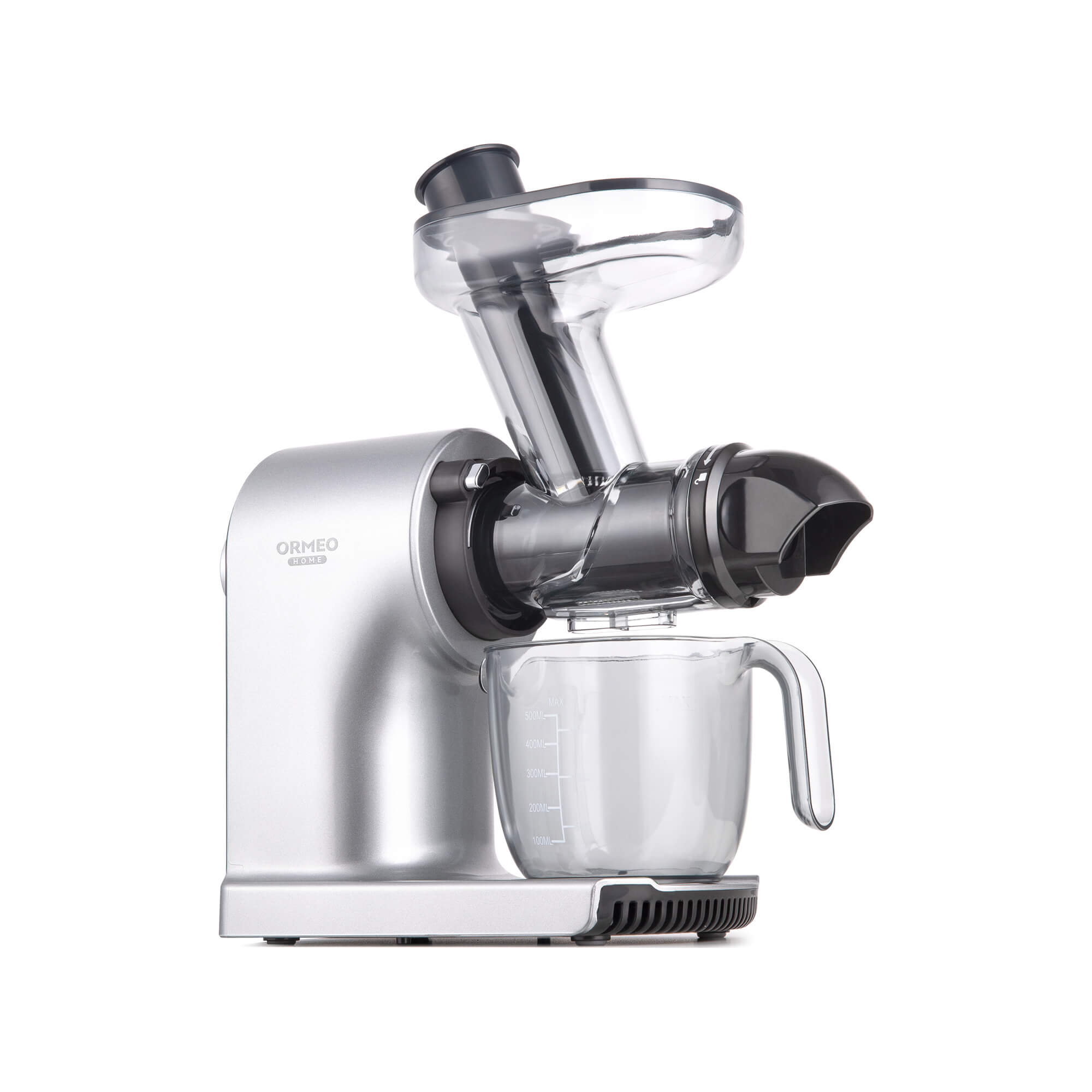
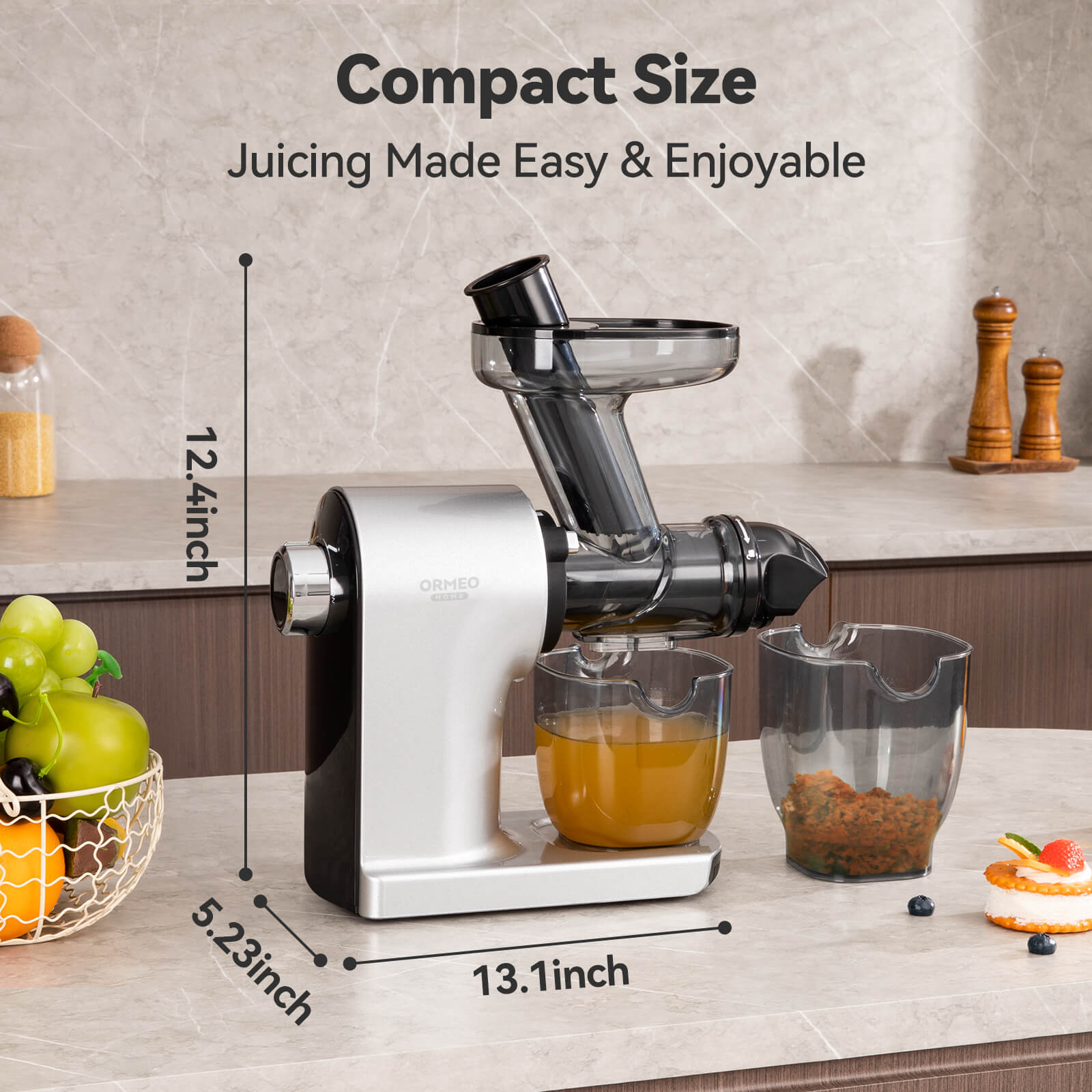
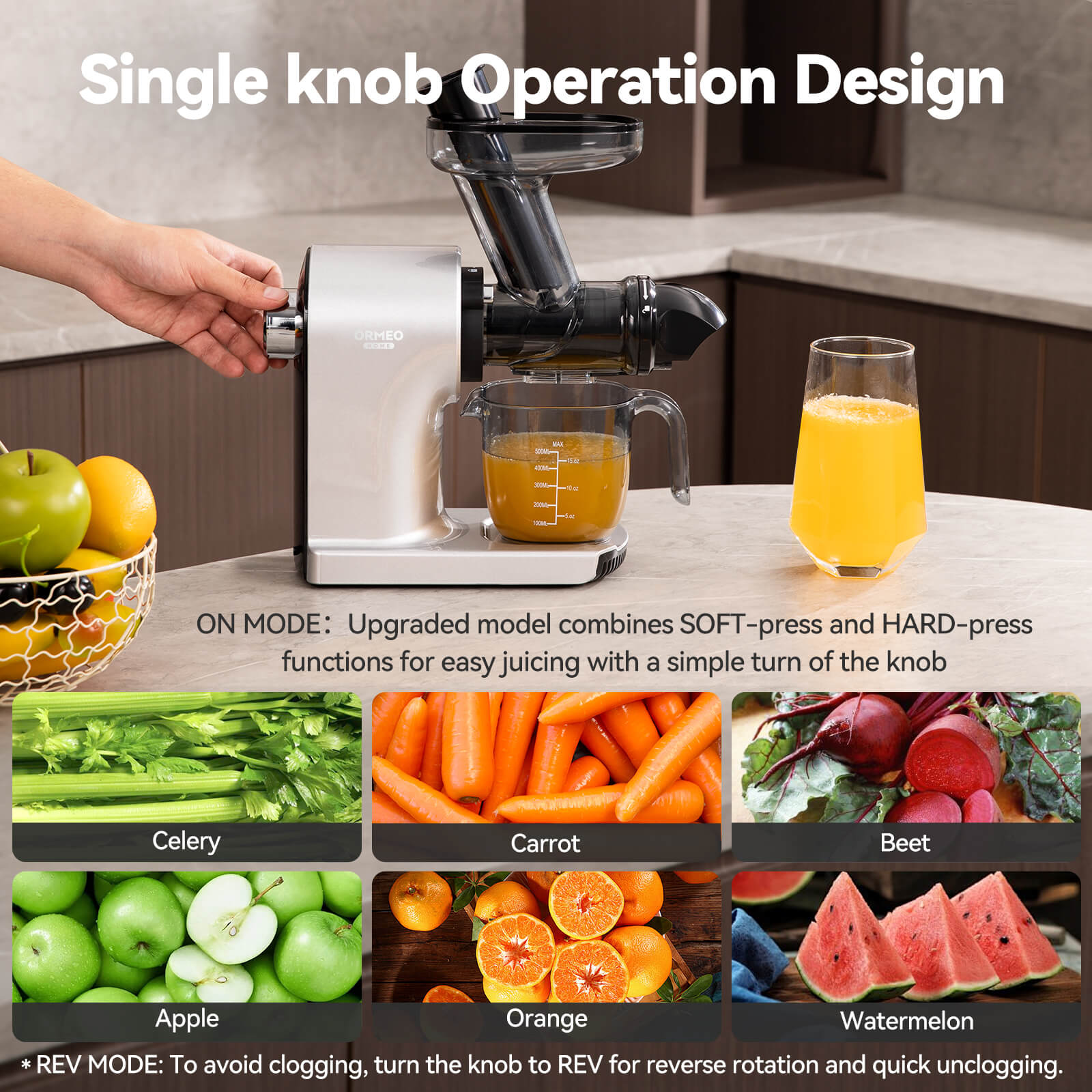
I’ve been using the Ormeo 2311 Quiet Cold Press Juicer lately, and it has solved my two biggest gripes with juicing: noise and yield.
Most juicers sound like a jet engine taking off, which makes it impossible to make morning juice without waking up the whole house. The Ormeo 2311 is incredibly quiet. More importantly, the pulp comes out bone-dry. That means the machine is squeezing every drop of liquid out of my expensive organic produce.
Using a machine like the Ormeo simplifies the juicing process:
-
Prep: Wash your produce.
-
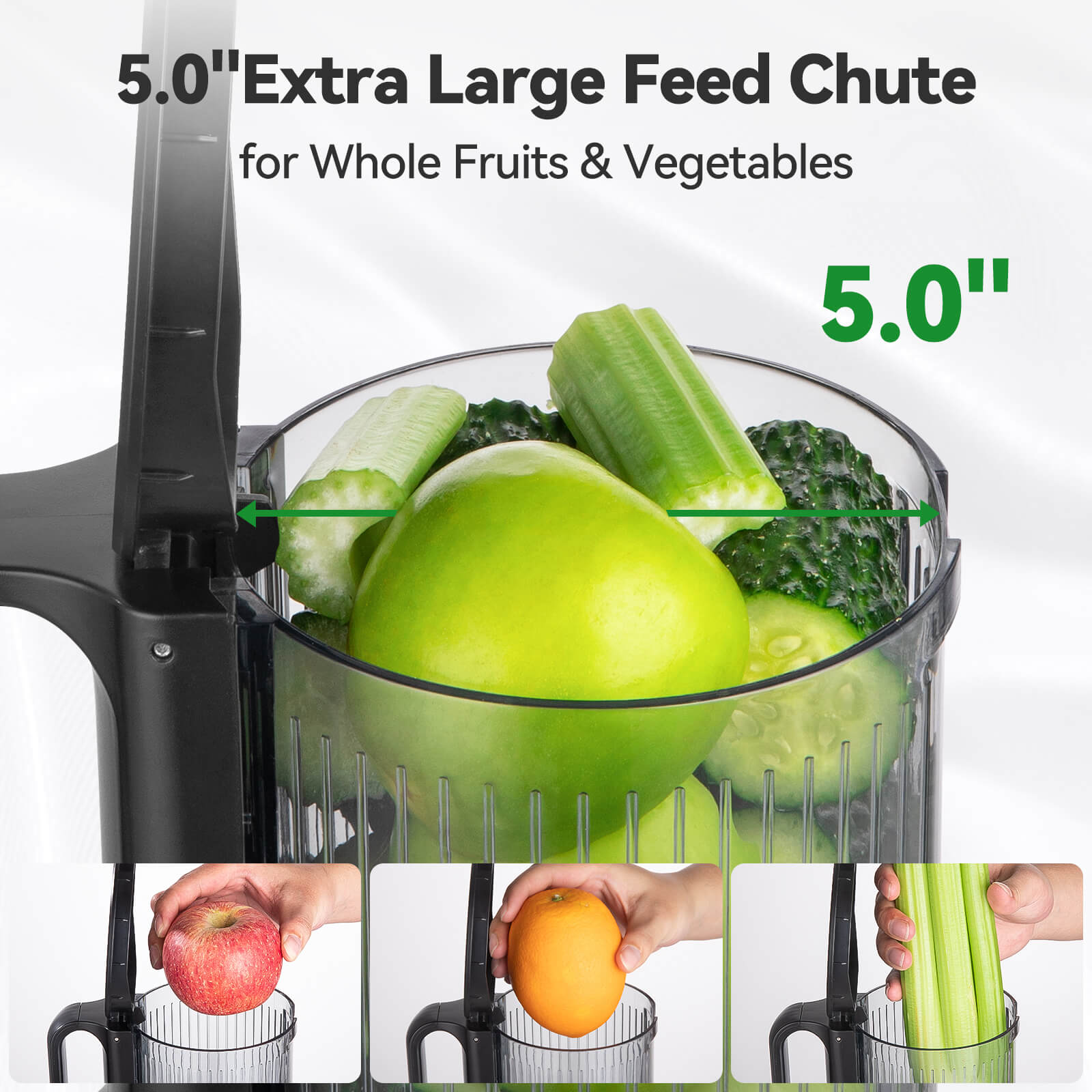
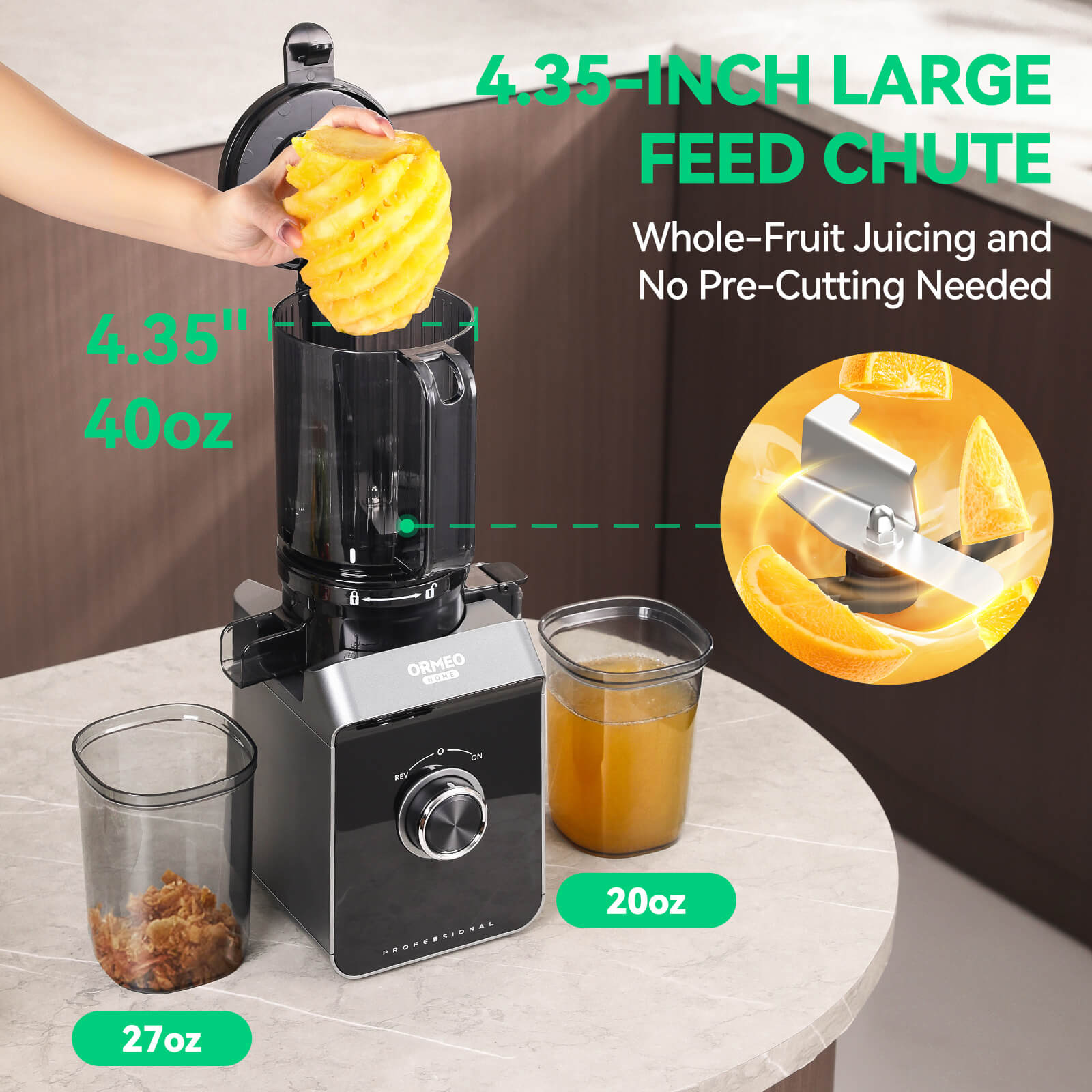
Feed: Drop ingredients into the feed chute.
-
Drink: The machine separates the juice and the fiber automatically.
The DIY Approach: Juice Without a Juicer
If you aren't ready to commit to an Ormeo yet, you can use the "Blender Hack." This creates cold pressed juice manually.
You will need:
- A high-powered blender.
- A nut milk bag or several layers of cheesecloth.
- A large bowl.
- Patience.
The Method:
-
Blend Fruits: Chop your fruits and veggies efficiently. Toss them in the blender with a splash of water (to help the blades catch).
-
Puree: Blend on high until you have a thick smoothie.
-
Strain: Place your mesh bag or cheesecloth over a bowl. Pour the smoothie in.
-
Squeeze: Twist the top of the bag and squeeze hard. You are acting as the compressor. You have to physically force the liquid out to strain the pulp.
It works, but it takes time and muscle.
Choosing the Right Ingredients for Cold-Pressed Juice
You can't make a 5-star drink with 1-star ingredients. When you make cold-pressed juice at home, the balance of flavors is critical. A common rookie mistake is using too much fruit, creating a sugar bomb, or too many greens, making swamp water.
Here is how to build the perfect recipe:
1. The Base (High Yield)
These ingredients produce a lot of liquid and dilute strong flavors.
- Cucumber: Hydrating and neutral.
- Celery: Adds a salty, mineral kick.
- Romaine Lettuce: Surprisingly sweet and full of water.
2. The Nutrient Powerhouse (Greens & Roots)
This is where the health benefits come from.
- Kale & Spinach: Packed with iron and vitamins and minerals. A good cold press juicer is essential here to get yield from these leaves.
- Beet: Excellent for blood flow and stamina, but has a very strong, earthy taste.
- Carrot: Adds sweetness and that vibrant orange color loaded with beta-carotene.
3. The Flavor Adjusters (Sweet & Zing)
- Apple: Green apples are lower in sugar and add tartness. Red apples bring pure sweetness.
- Lemon/Lime: Essential. The acid cuts through the "vegetable" taste and brightens the whole drink.
- Ginger: Adds heat and aids digestion.
- Pineapple: Hides the taste of almost any green vegetable.
3 Cold-Pressed Juice Recipes to Master
Here are three classic combinations to get you started with your Ormeo or your blender setup.
1. The "Green Goddess" (Green Juice)
This is your daily driver. It’s nutrient-dense but tastes crisp, not grassy.
Ingredients:
- 1 large Cucumber
- 2 cups Spinach
- 2 stalks Celery
- 1 Green Apple
- 1/2 Lemon (peeled)
- 1 inch Ginger
Instructions: Alternate feeding the spinach and the cucumber into the juicer. The hard cucumber helps push the soft leaves through the auger.
2. The "Vision Quest" (Carrot & Citrus)
Sweet, tangy, and incredible for your skin.
Ingredients:
- 5 large Carrots
- 1 Orange (peeled)
- 1/2 inch Turmeric root
- 1/4 Lemon
Instructions: Carrots are hard, so listen to your machine. The Ormeo 2311 handles them easily, but feed them one by one to ensure maximum extraction.
3. The "Blood Builder" (Beet Blend)
An earthy tonic that is great before a workout.
Ingredients:
- 1 medium Beet (scrubbed, no need to peel)
- 1 Red Apple
- 3 Carrots
- 1/2 Lemon
Note on Beets: Beets stain everything. If using the juice without a juicer method, wear gloves or your hands will look pink for days.
How to Store and Serve Your Juice
One of the biggest questions I get is: "How long does it last?"
Because cold-pressed juice hasn't been pasteurized (heated to kill bacteria), it is a raw product. It is alive. This means it will spoil faster than store-bought juice full of preservatives.
Proper Storage Techniques
To keep your juice fresh for up to 72 hours, follow these rules:
-
Minimize Air: Oxygen is the enemy. When you pour your juice into a mason jar or glass bottle, fill it all the way to the very rim. You want the lid to touch the juice when you close it. No air gap means no oxidation.
-
Seal it Tight: Ensure a tight seal on your container.
-
Stay Cold: Place it in the coldest part of your refrigerator immediately. Do not leave it on the counter.
-
Freezing: Yes, you can freeze it! If you made a huge batch, pour it into a jar (leave 1 inch of space for expansion) and freeze. It retains most nutrients this way. Thaw in the fridge overnight.
Pro Tip: If your juice separates (water at the bottom, foam at the top), that is normal for fresh juice. Just give it a shake. However, with a high-quality masticating juicer like the Ormeo, separation happens much slower than with a centrifugal machine.
Is Cold-Pressed Juice Actually Good For You?
There is a lot of debate about fiber versus juice. When you juice, you remove the insoluble fiber (the pulp). Some say this is bad.
Here is my take: You aren't juicing to replace fiber; you can get that from oatmeal or salads. You are juicing to flood your body with a massive amount of nutrients that require almost zero digestion.
When you drink a cold-pressed juice, your body absorbs the antioxidants and vitamins rapidly. It is an energy shot without the caffeine crash. Plus, let's be honest—are you really going to eat 5 carrots, 2 apples, a beet, and a bowl of spinach for breakfast? Probably not. But you can drink them in 5 minutes.
A Note on Sugar
While healthy, fruit juice is concentrated sugar. To make the cold-pressed juice good for stable energy levels, aim for a ratio of 80% veggies to 20% fruit. Use lemon to add flavor without adding fructose.
Final Thoughts: Making the Process Easier
Starting a juicing habit is easy; keeping it up is hard. The friction usually comes down to the cleanup.
If you are using the blender and strainer method, it is a labor of love. It’s great for occasional treats, but for daily health, it can get exhausting.
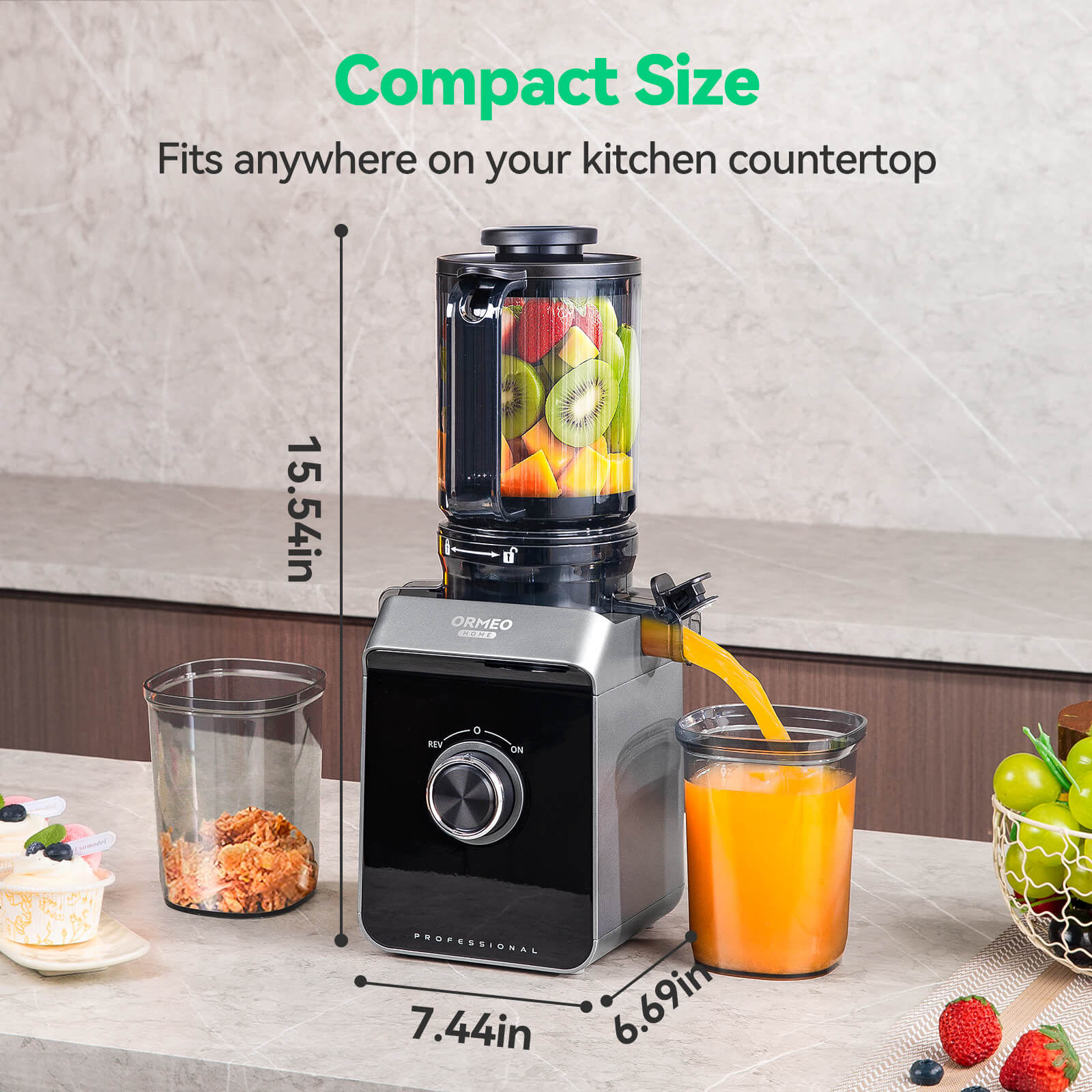
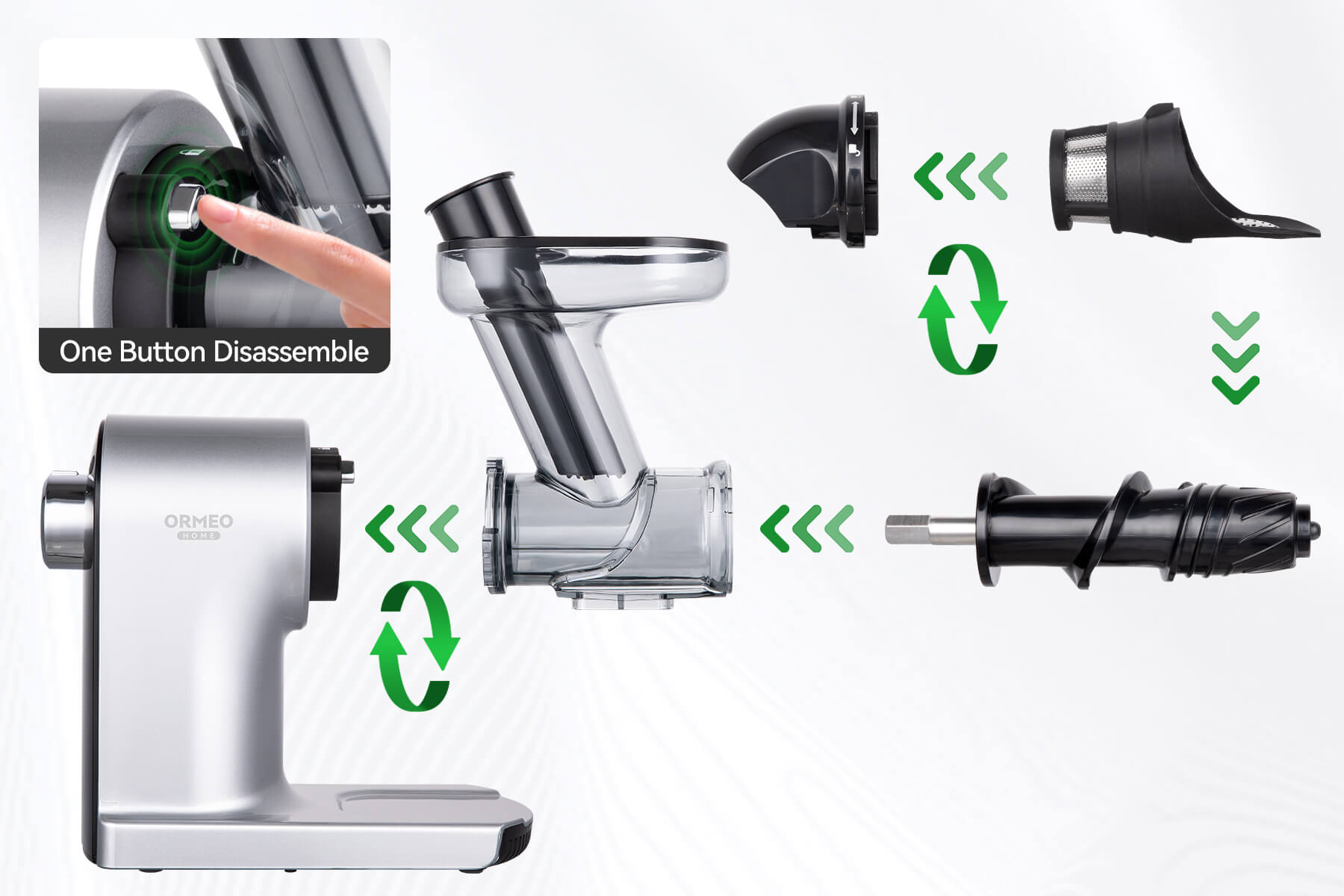
This is why investing in the right tool matters. The Ormeo 2311 Quiet Cold Press Juicer was designed specifically to make the process even easier. It’s easy to assemble, quiet enough to use while the kids sleep, and cleaning the parts takes just a few minutes under running water.
Making cold pressed juice at home puts you in control. You know exactly what is in your cup—no hidden sugars, no "natural flavors," just pure plant power.
So, grab your favorite fruits, stock up on leafy greens, and start pressing. Your body will thank you.









Share:
Detox & Cleanse: Is Juice Cleanse Best For You?
What is a Cold Pressed Juice? Is It Really Better?