

Detox & Cleanse: Is Juice Cleanse Best For You?
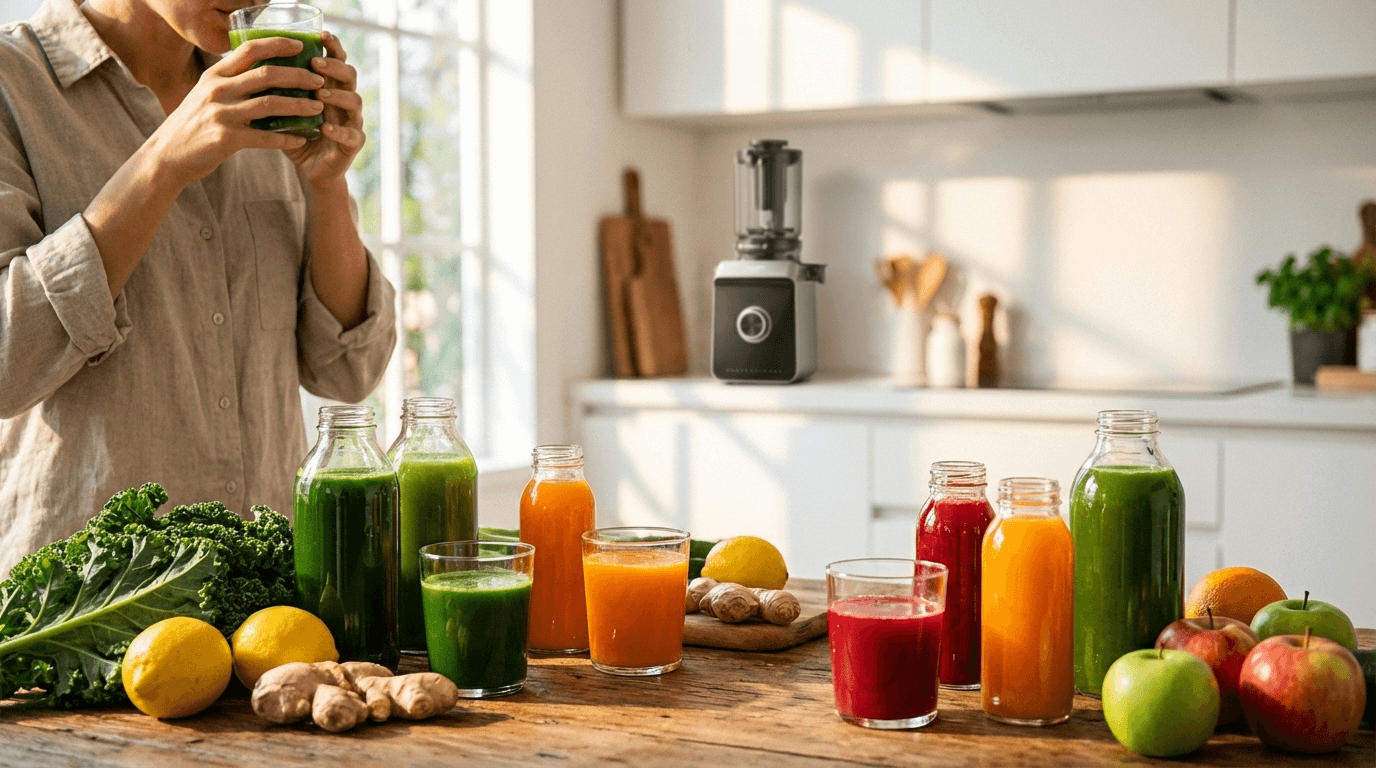
Let’s be honest. We’ve all had those moments—usually right after the holidays or a particularly indulgent vacation—where we feel sluggish, bloated, and just plain "off." The wellness industry knows this feeling well, and right on cue, my social media feed fills up with influencers posing with bright green drinks that promise to reset my whole body. A juice cleanse is hard to resist. It sounds so clean, so pure, and so quick.
But before you clear your fridge of solid foods and commit to a liquid-only existence for the next three days (or longer, brave soul), we need to cut through the hype. As someone deeply embedded in the nutrition world, I see the trends come and go. The juice diet isn't new, but the conversation around it is changing. Is a juice fast the ultimate detox, a viable path to rapid weight loss, or just a sugary recipe for being "hangry" and irritable?
Let’s take a real, unfiltered look at the world of juice cleanses, examining the actual science versus the marketing, and figuring out if this intensive regime actually aligns with your health goals.
Understanding the Juice Cleanse Phenomenon
At its core, a juice cleanse—often interchangeably called a juice diet or a juice fast—is pretty much what it says on the label. You commit to a specific period, ranging anywhere from a single day to a hardcore one week cleanse, where you consume only the juice squeezed from fruits and vegetables.
The idea behind it is very appealing. Supporters say that by skipping the hard work of breaking down heavy proteins, fats, and processed junk, you give your digestive system a much-needed break. The theory says that this break lets your body focus its energy on deep cleaning, which is a huge internal detox to get rid of toxins that are said to have built up because of how we live today. During this time, juice becomes your sole source of calorie intake and hydration. It’s portrayed as the ultimate reset button, often promising rapid weight loss as a very attractive side effect.
The Real Benefits: It’s Not All Hype
I’m not here to completely trash juicing. There are undeniable upsides to flooding your system with liquid nutrition, provided it's done correctly.
The most significant benefit is the sheer volume of vitamins and minerals you can consume in a single glass. It’s hard to eat a whole head of kale, three cucumbers, two lemons, and an inch of ginger in one sitting. But juice them, and suddenly that massive nutrient load is easily digestible. These juices, especially those heavy on leafy greens like spinach and kale, are absolute powerhouses of antioxidants, like beta-carotene and vitamin C. These compounds are crucial for fighting oxidative stress in the body and supporting immune function.
Furthermore, many people are chronically dehydrated. A juice cleanse forces hydration, which can immediately make you feel more energized and helps support kidney function, one of your body's actual built-in filtration systems. Some individuals genuinely report feeling lighter, experiencing improved digestion, and having clearer skin after a short juice fast.
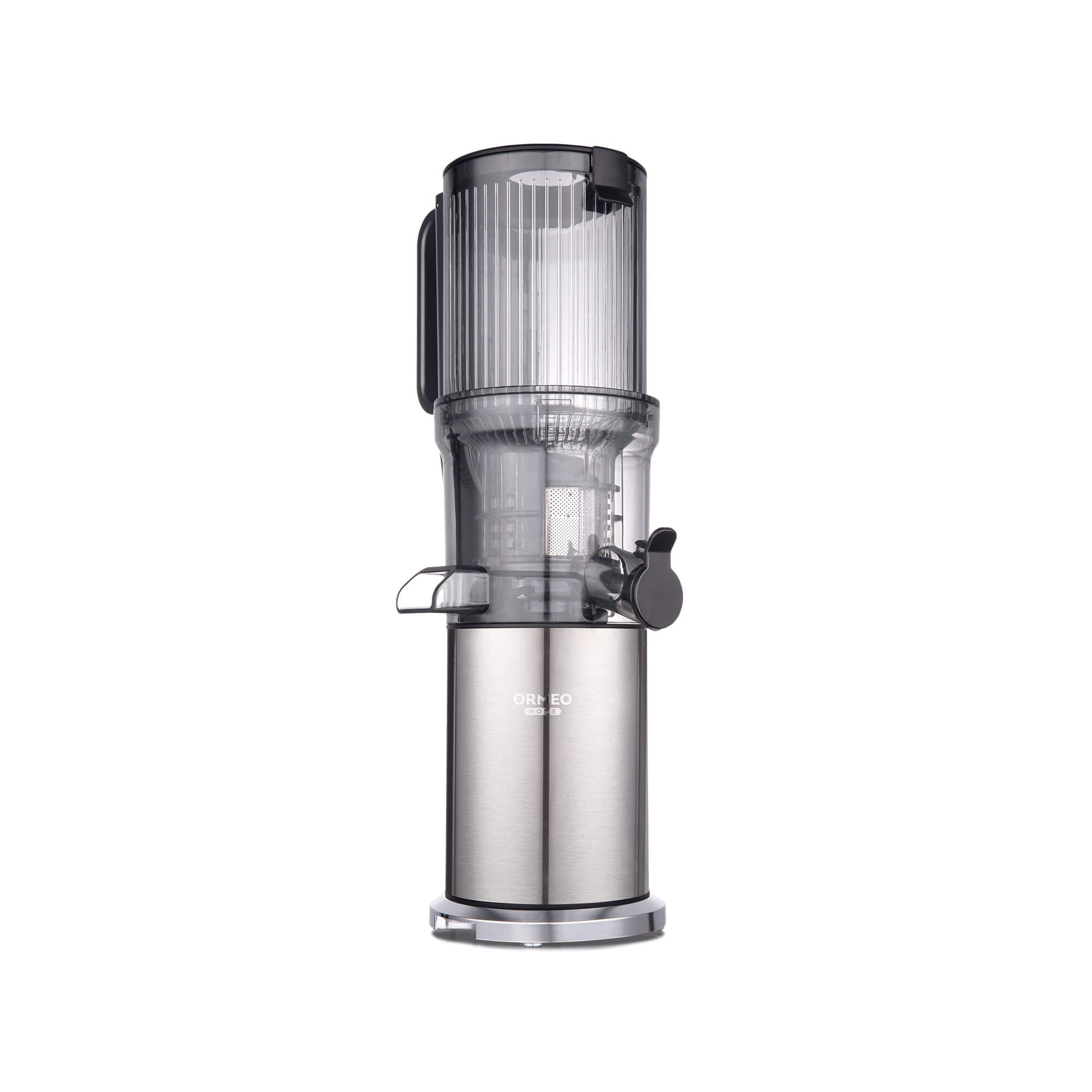
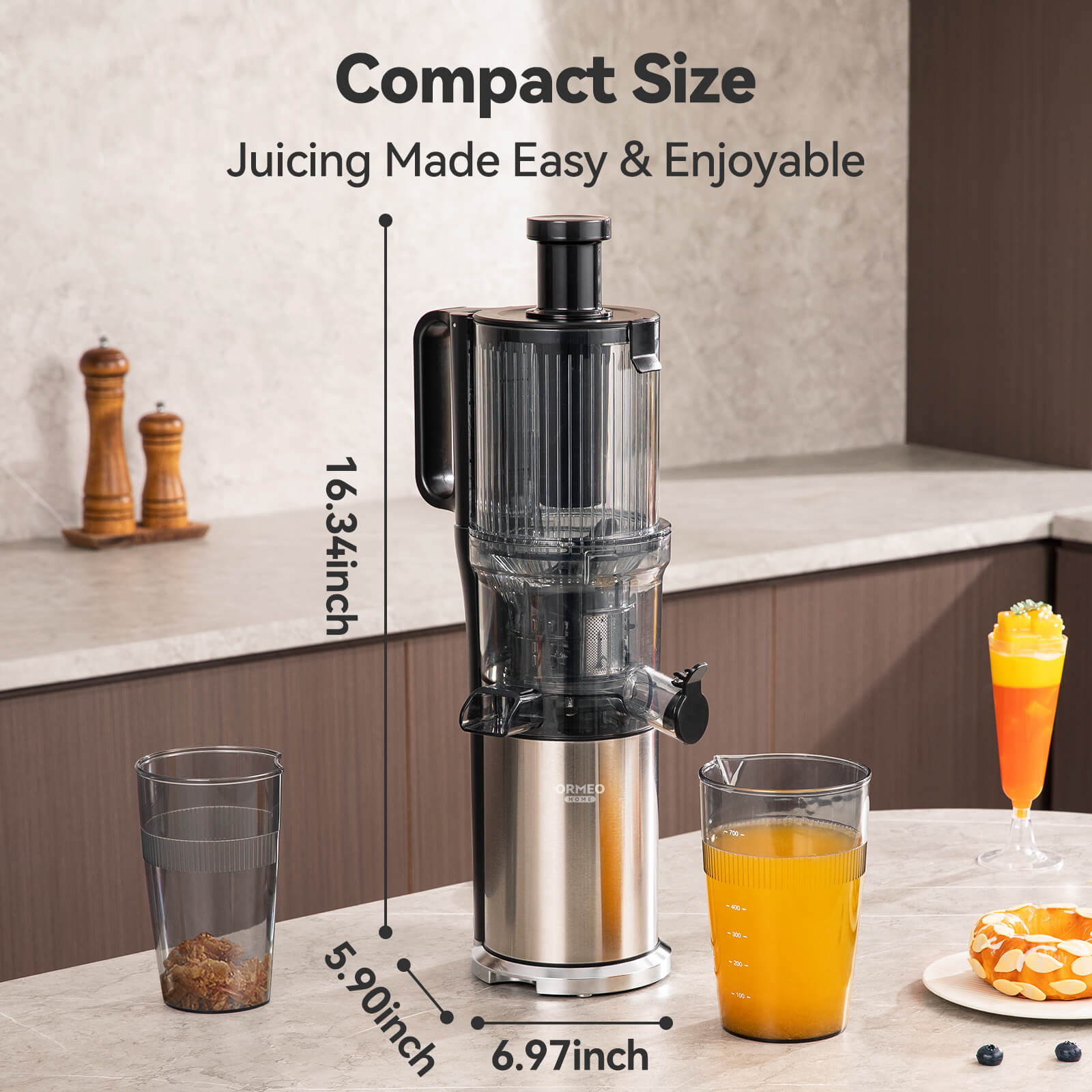
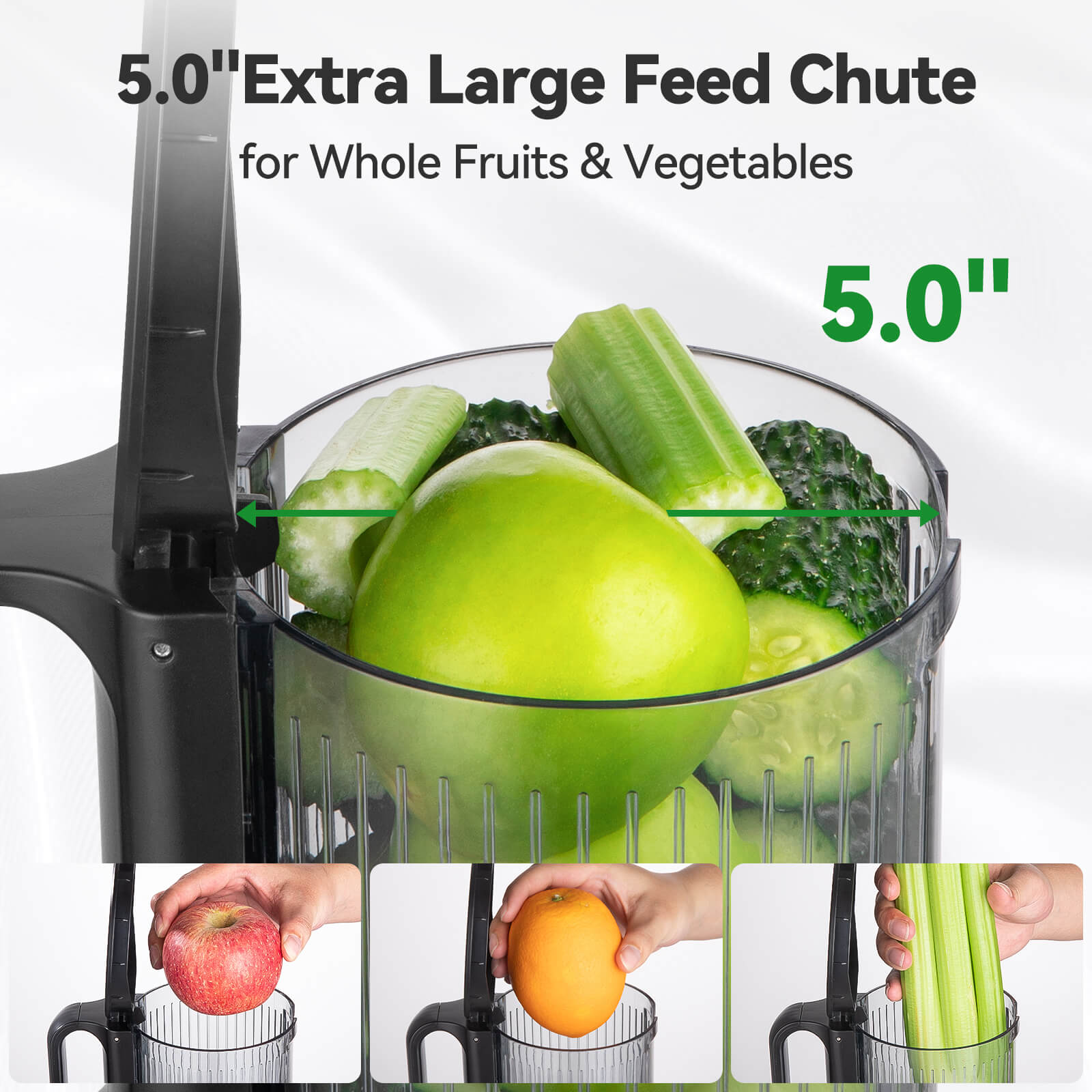
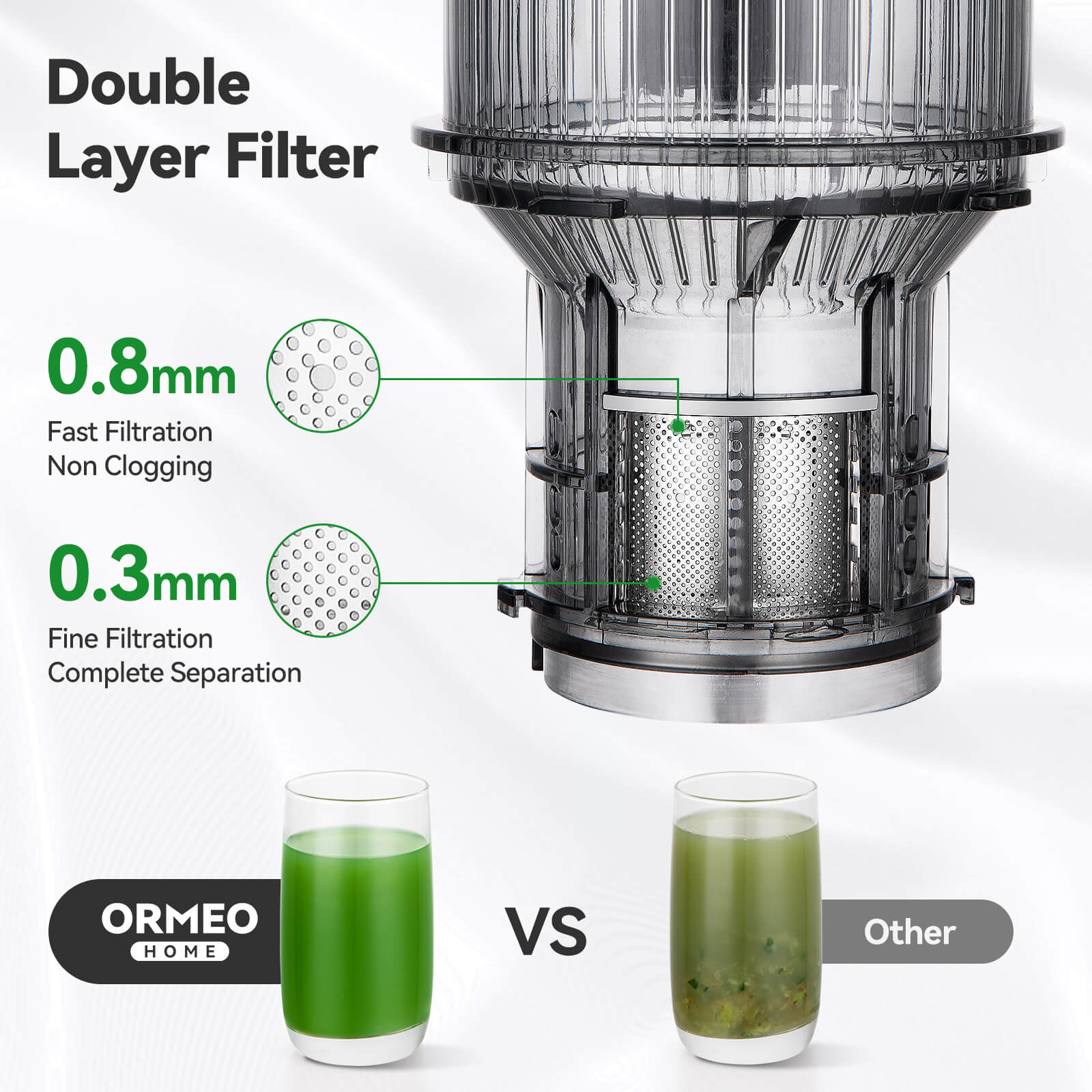
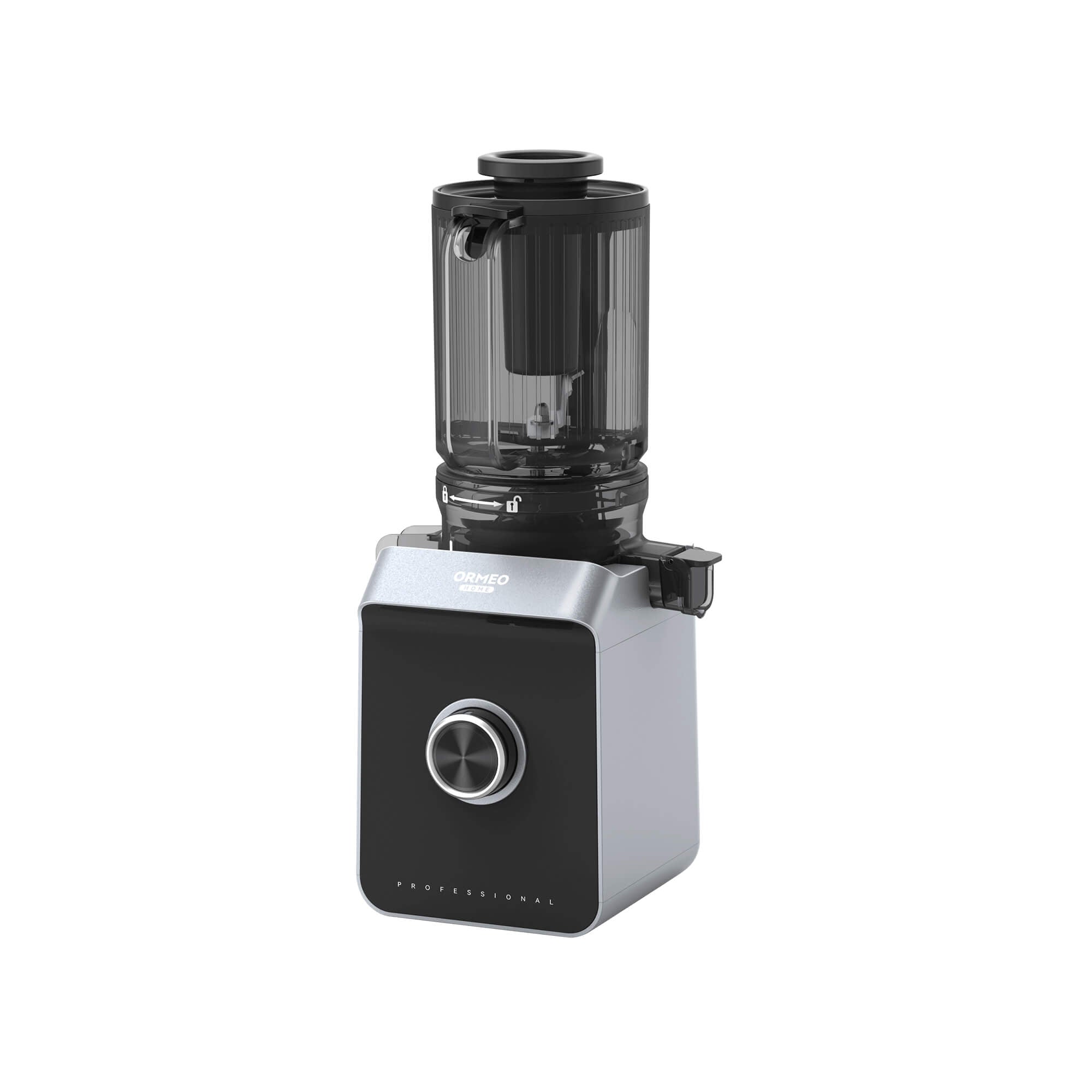
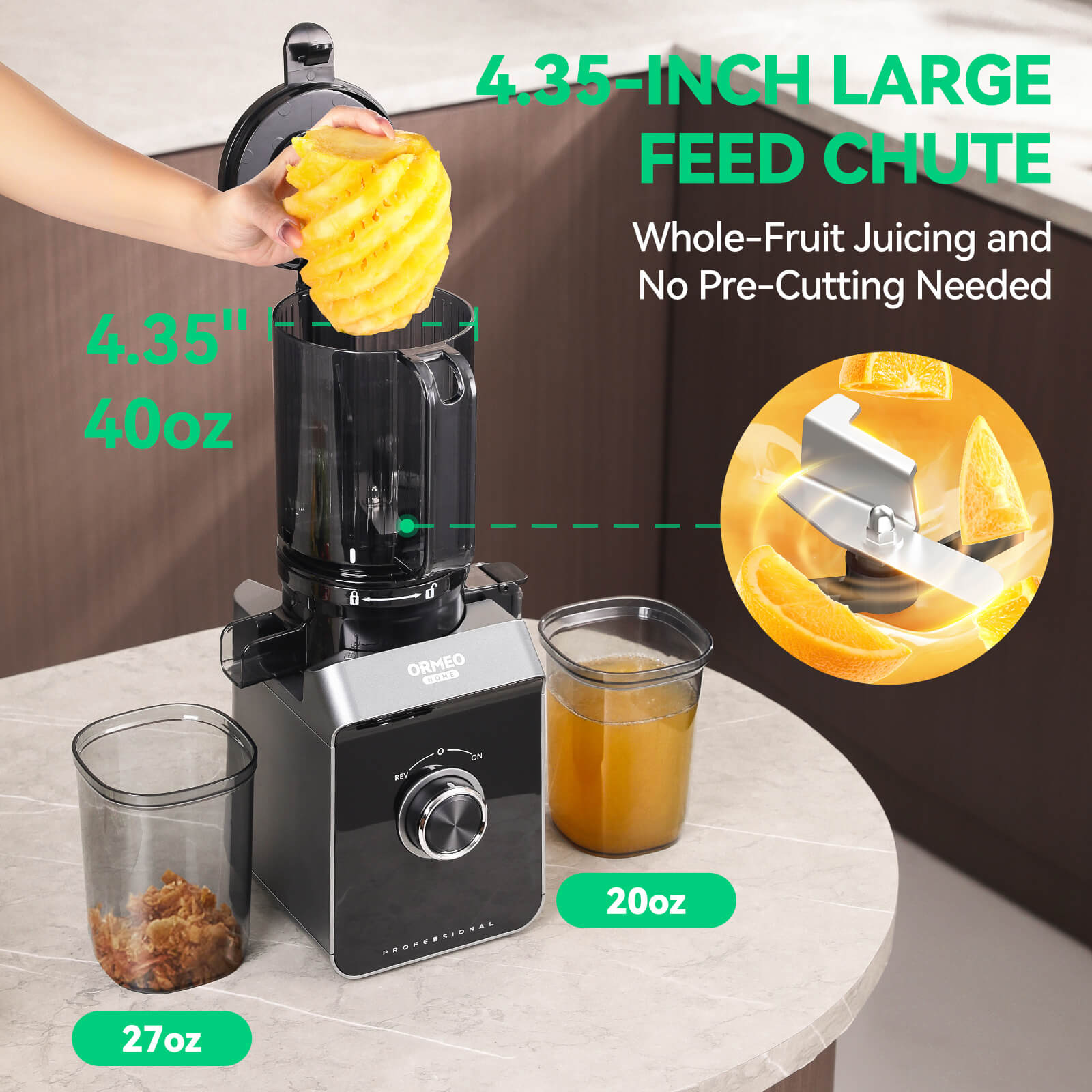
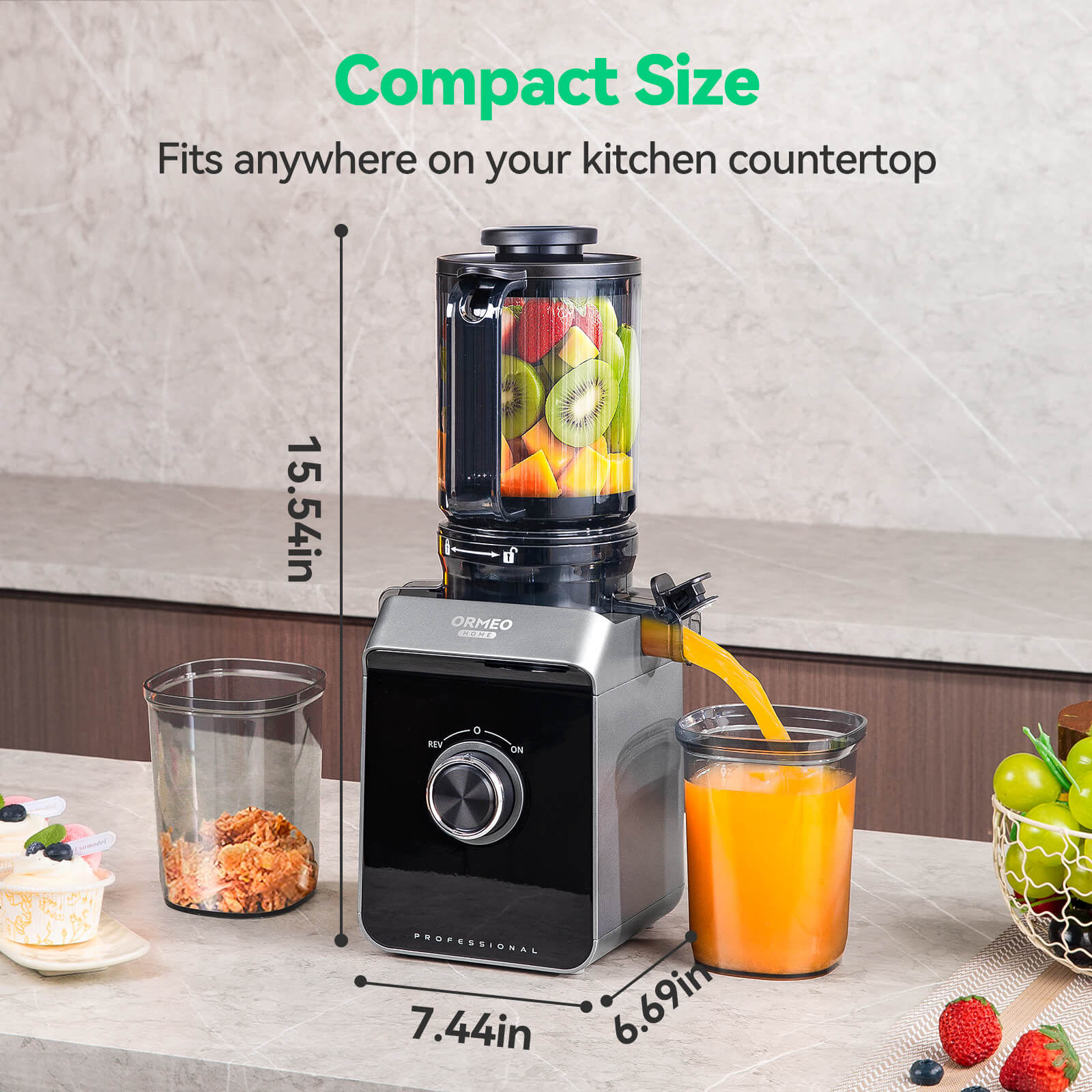
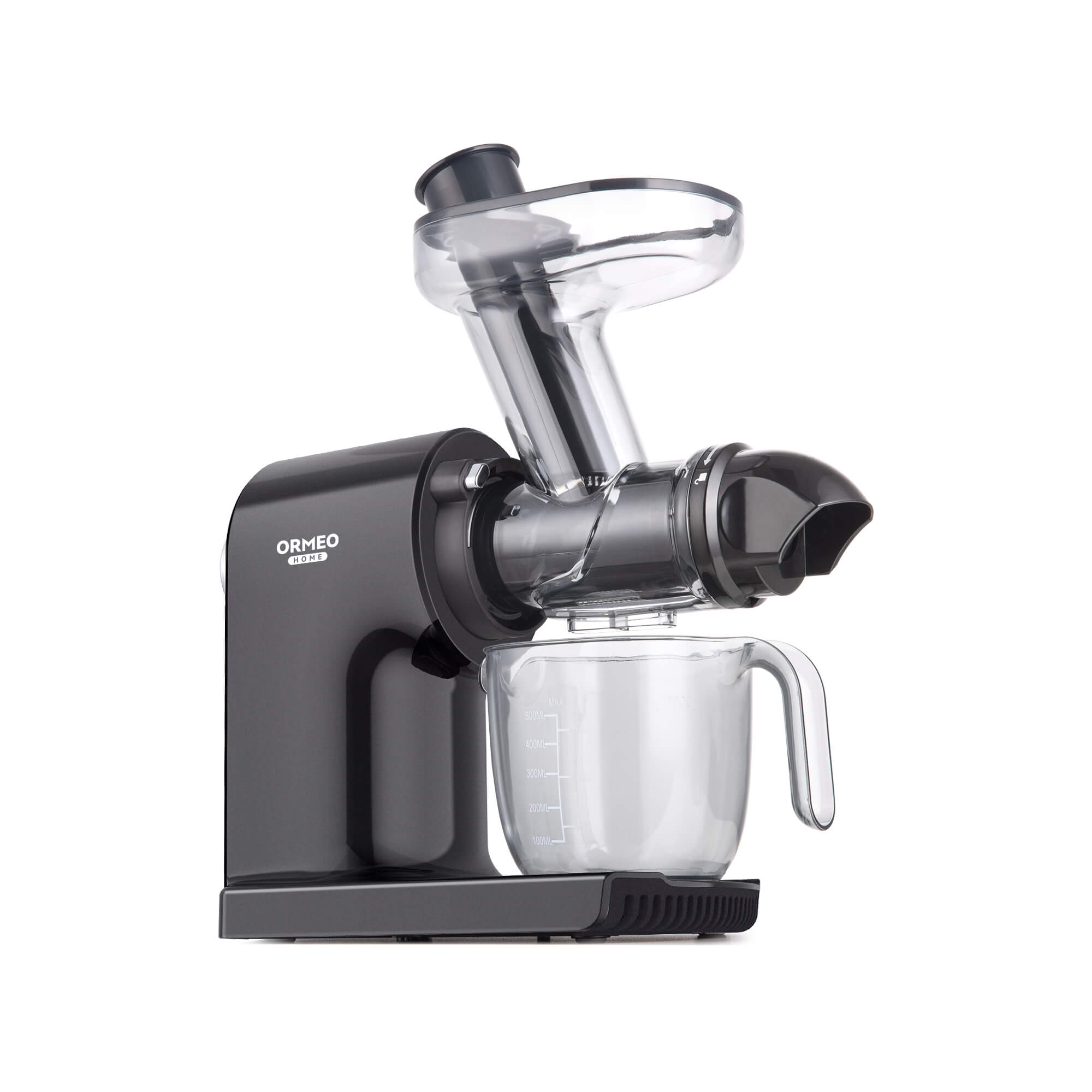
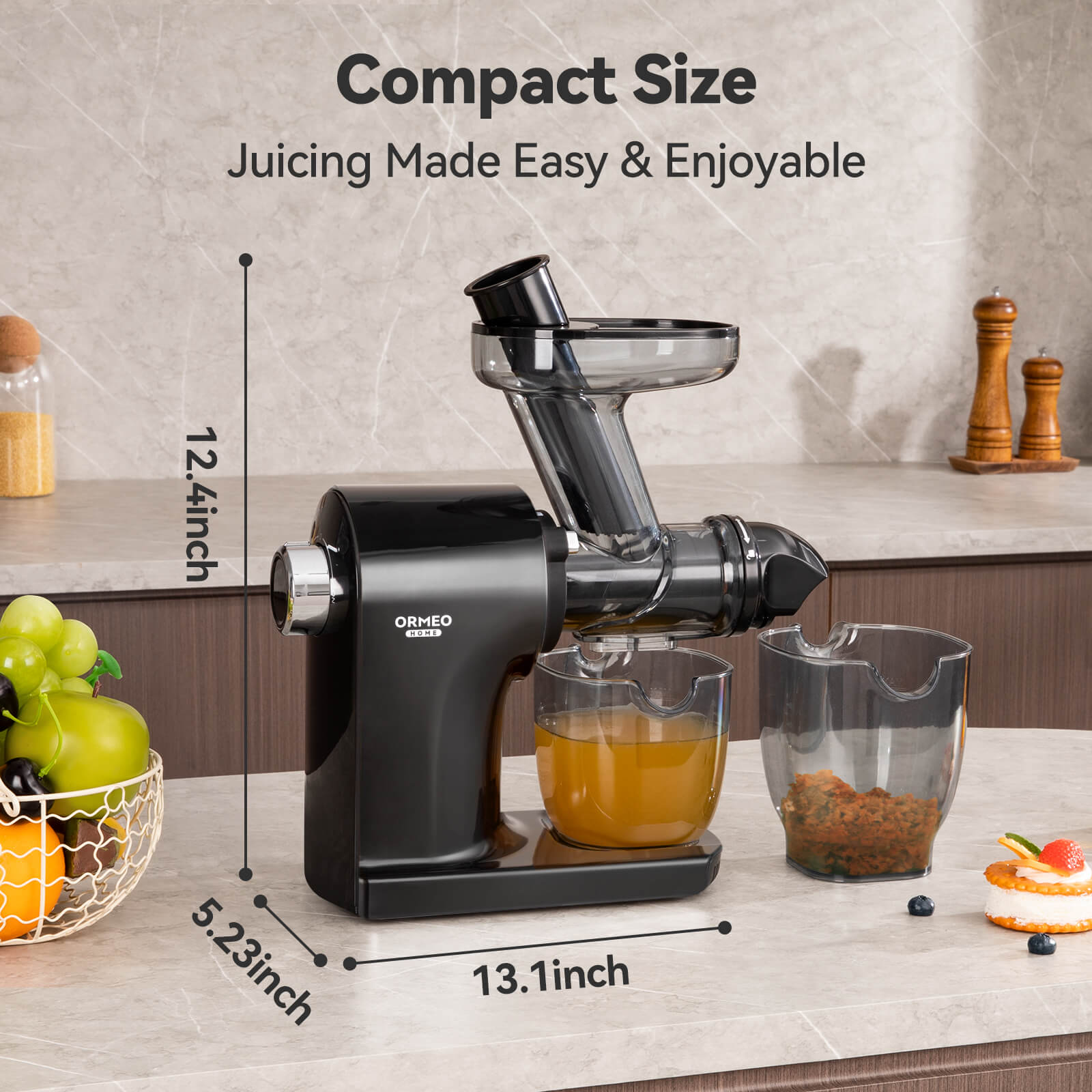
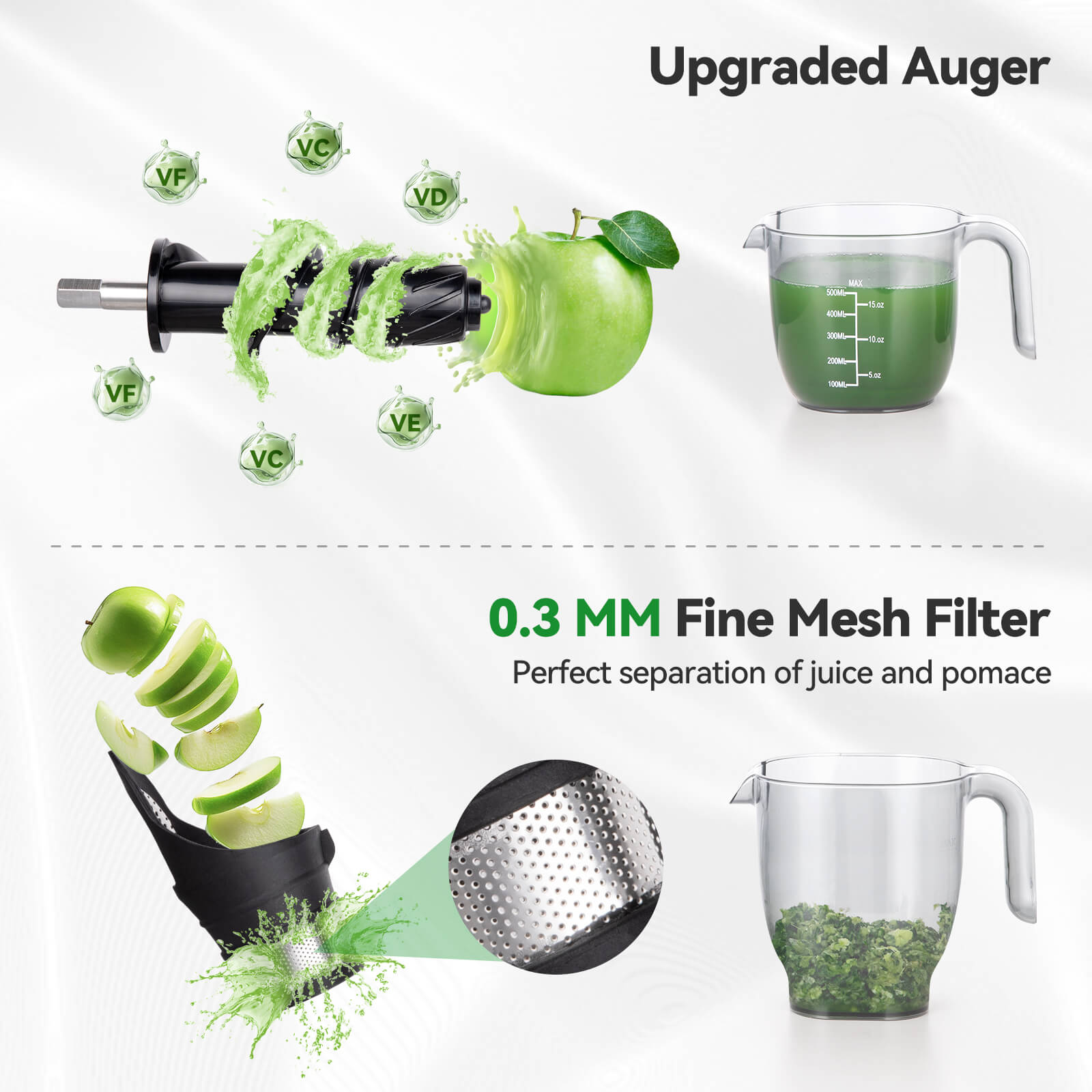
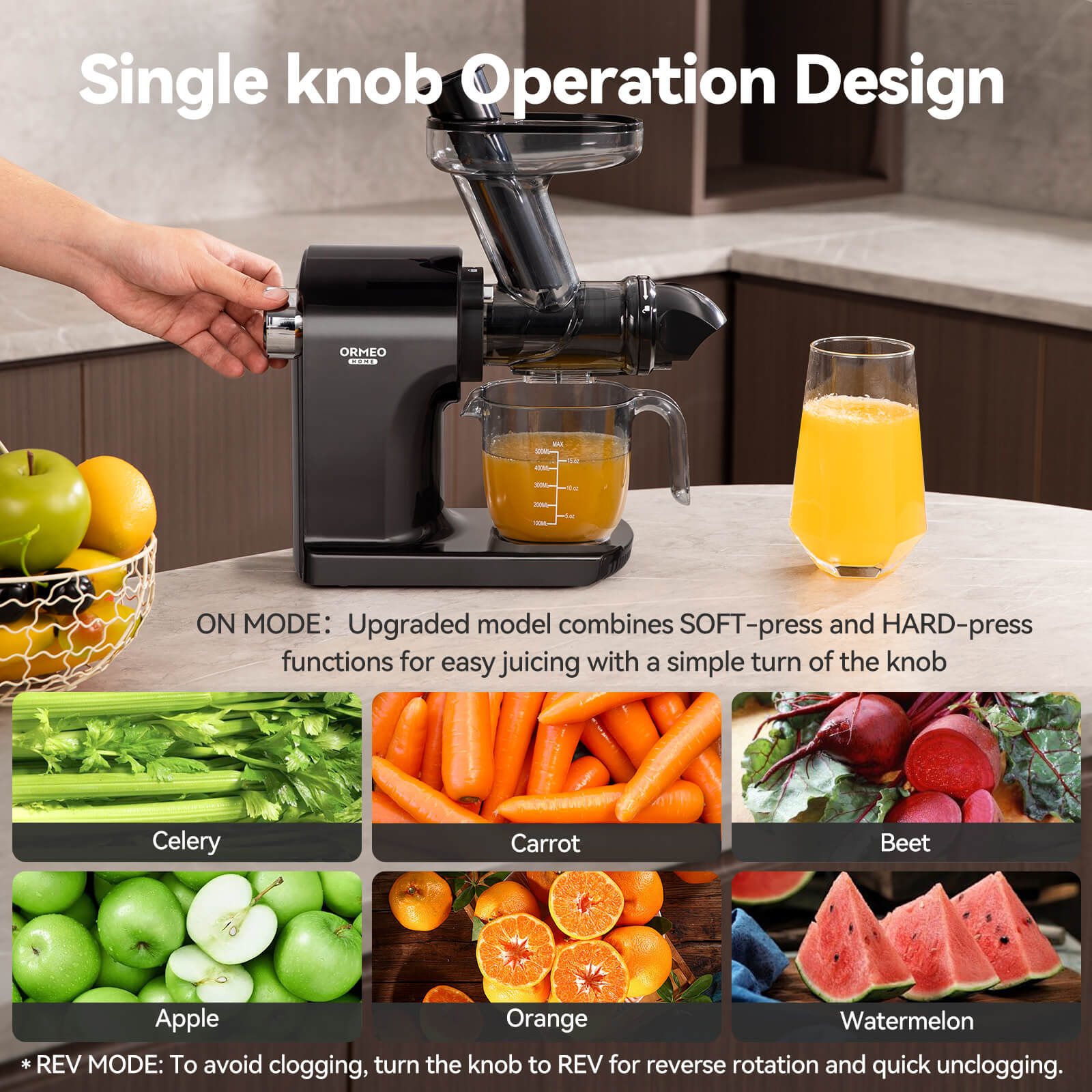
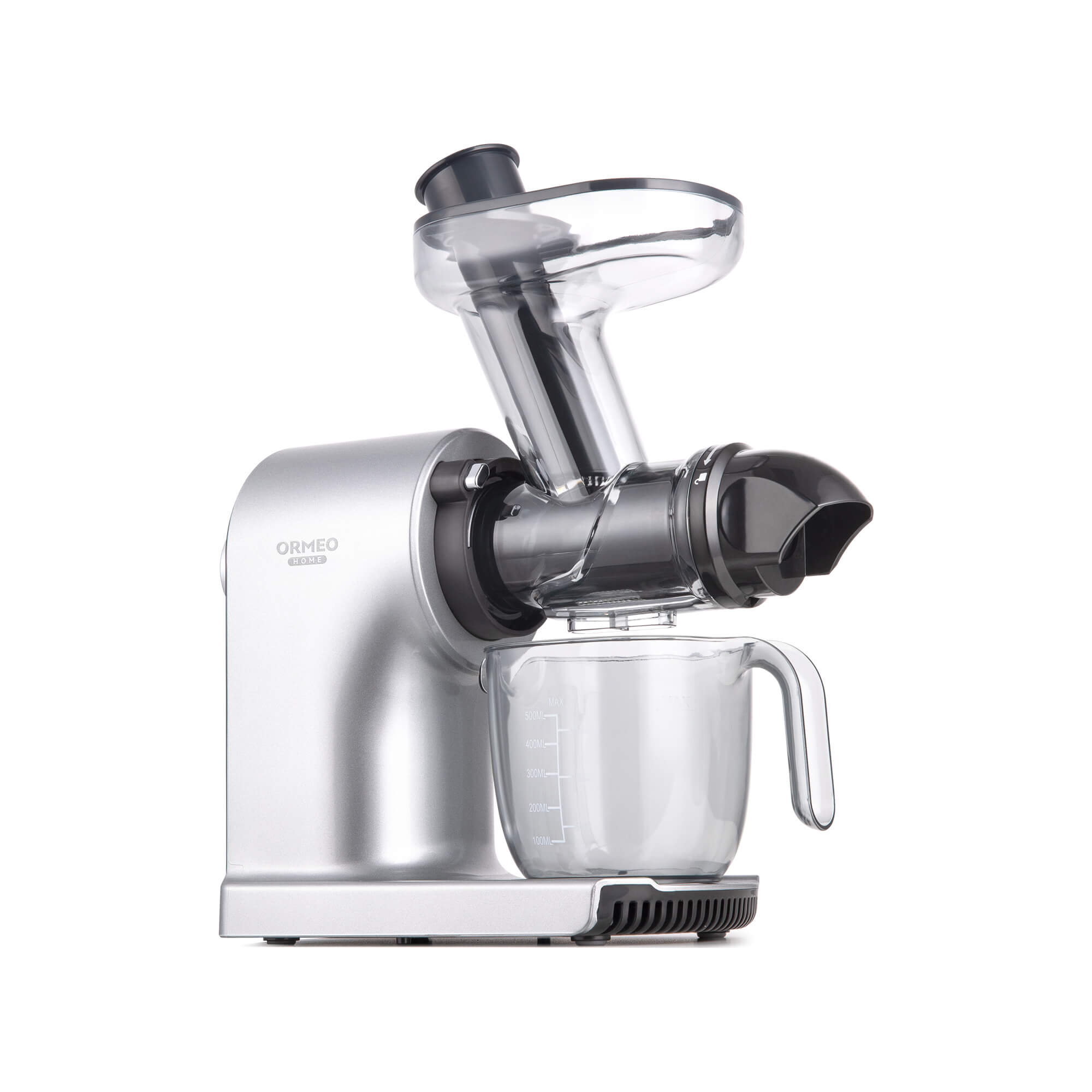
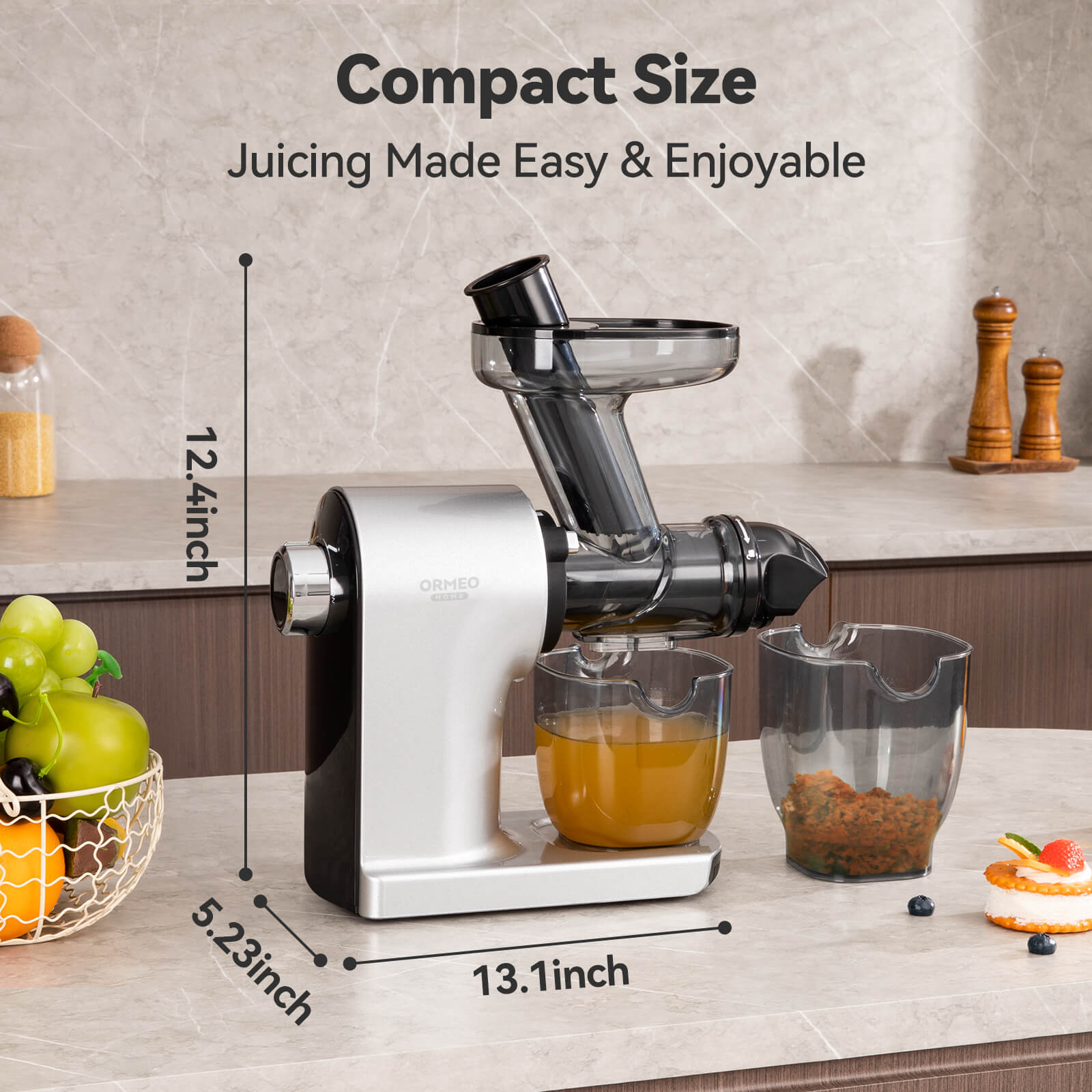
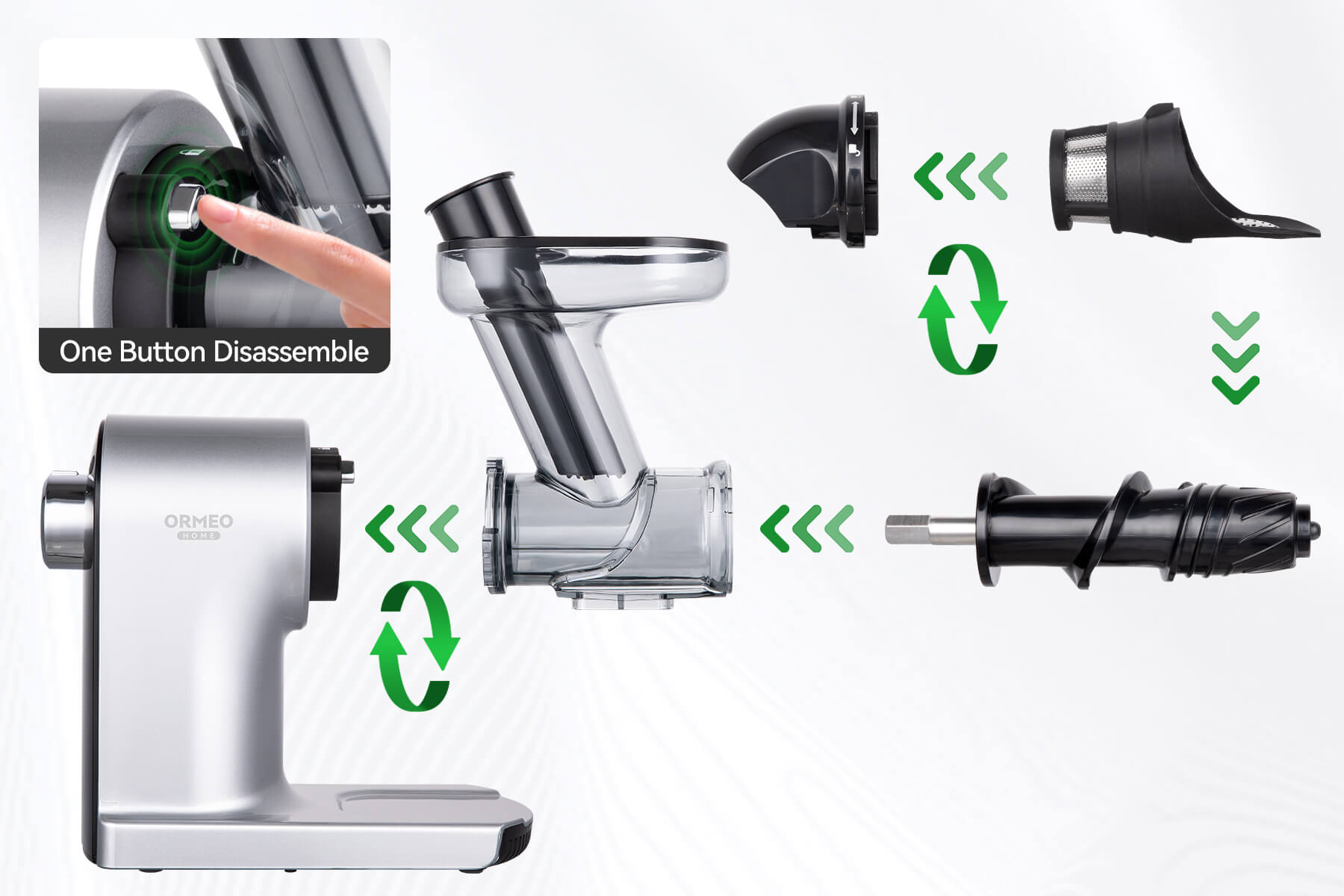
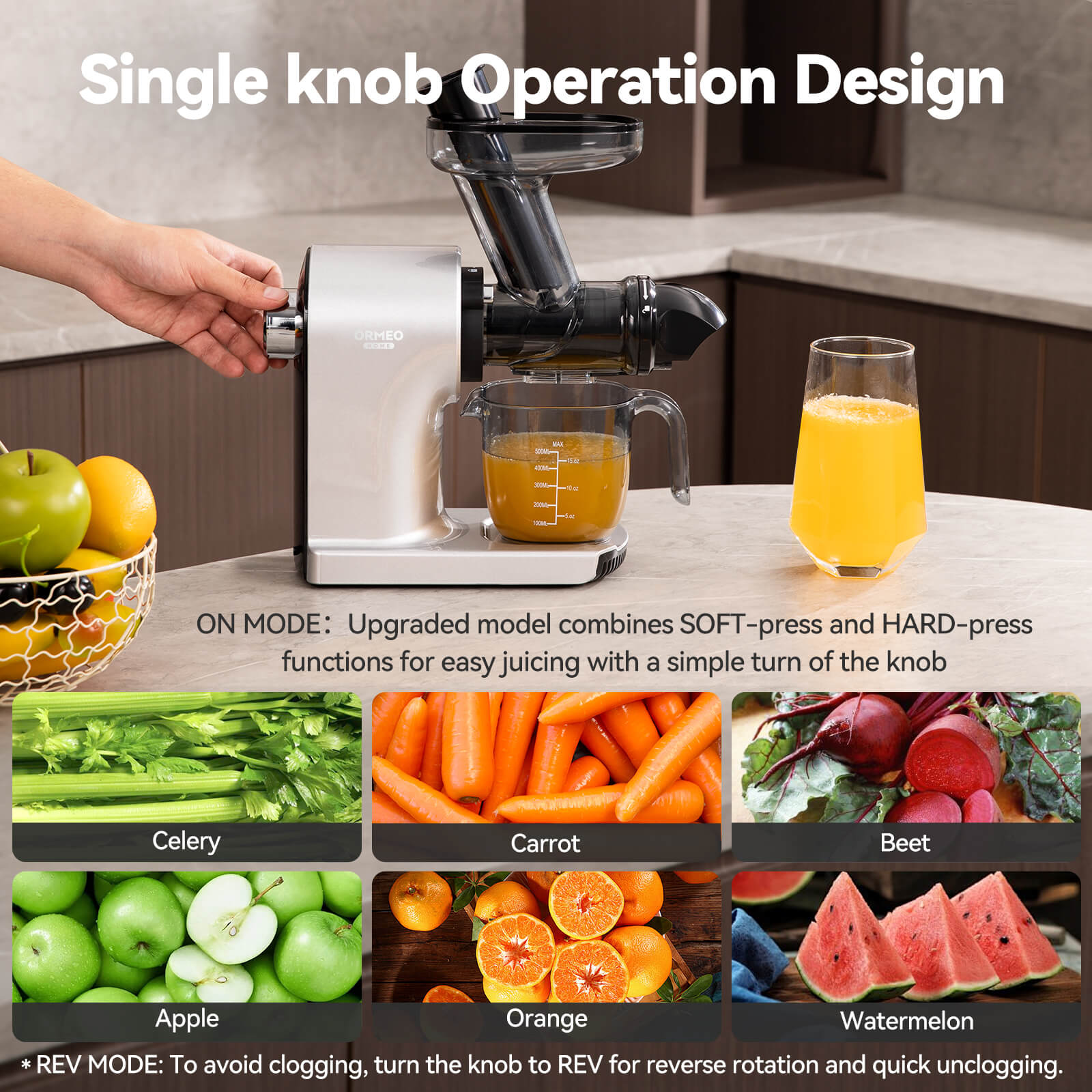
However, the quality of that juice is paramount. This is where the method matters. If you are going to commit to juicing, you want those volatile nutrients to actually make it into your glass, not get destroyed by heat and oxidation during the extraction process. This is why many enthusiasts prefer cold-press technology, like the Ormeo 2311 Quiet Cold Press Juicer. By using slow masticating technology rather than high-speed blades that create heat, a juicer like the Ormeo ensures you are getting the maximum phytonutrient retention from your organic produce, rather than just colorful, oxidized sugar water. If you're investing effort into your health, the tools you use matter.
You can check out the Ormeo 2311 here: https://ormeohome.com/collections/all-products/products/2025-best-cold-pressed-juicer-2311
The Detoxification Reality Check
We need to have a serious talk about the word "detox." In marketing terms, it’s a magic word that sells products. In biological terms, it’s something your body is already doing, 24/7, right now as you read this.
Your body has a highly sophisticated detox system already installed, primarily involving your liver and kidneys, assisted by your digestive tract, lungs, and skin. The idea that your colon is coated in years of toxic sludge that only three days of lemon detox juice can spackle away is, frankly, a myth unsupported by robust scientific evidence.
A juice cleanse doesn't "do" the detoxing for you. At best, it supports these organs by providing essential micronutrients they need to function and by temporarily removing the burden of processing alcohol, processed foods, and excess saturated fats. You aren't physically scrubbing your insides; you're just giving the cleaning crew a slightly lighter workload for a few days.
The Hard Truths: Sugar, Fiber, and the "Hangry" Factor
Here is where the glowing reviews of juice cleanses often dim. While you are getting lots of vitamins, you are missing out on three pillars of nutrition: fiber, protein, and healthy fat.
The Sugar Spike Rollercoaster
When you juice fruits and vegetables, you are essentially separating the sugary water and nutrients from the structural fiber. Without that fiber to slow down digestion, the natural sugars (fructose) in the juice hit your bloodstream incredibly fast.
Many commercial juice cleanses, and even homemade recipes that rely too heavily on fruit to make them palatable, are shockingly high in sugar. Drinking a juice made from four apples, a pineapple, and some grapes is a massive glucose load. This causes sharp spikes in blood sugar levels, followed by inevitable crashes that leave you tired, irritable, and craving—you guessed it—more sugar. For individuals with diabetes, pre-diabetes, or insulin sensitivity, a fruit-heavy juice fast can be downright dangerous.
The Missing Macro Nutrients
Fiber isn't just about blood sugar control; it’s crucial for gut health, feeding the good bacteria in your microbiome, and ensuring regular bowel movements. Ironically, a "cleanse" that removes fiber can sometimes back up your digestion rather than clearing it out.
Furthermore, the lack of protein and fat spells trouble for satiety. These are the nutrients that keep you feeling full. Without them, you are running on a calorie deficit and quick-burning sugars. This is the recipe for becoming "hangry," experiencing brain fog, fatigue, and headaches during a cleanse. Extended reliance on a juice diet can even lead the body to start breaking down muscle tissue for energy, which is the opposite of what you want for long-term health.
Juice Diet and Weight Loss: A Sustainable Solution?
Let’s tackle the elephant in the room: weight loss. Many people turn to a juice diet as a desperate attempt to drop pounds quickly before an event or vacation.
Will you lose weight on a three-day juice fast? Almost certainly. Because you are severely restricting your calorie intake and cutting out carbohydrates that hold onto water in the body, you will see the number on the scale go down rapidly.
But here is the crucial question: is it a sustainable solution for weight management? Almost certainly not.
Most of that rapid weight loss is water weight and glycogen depletion, not fat loss. The moment you return to eating solid foods, that weight usually comes right back on. Furthermore, crash dieting can negatively impact your metabolism. If you view a juice cleanse as a quick fix rather than a lifestyle shift, it remains an unsustainable approach that doesn't address the underlying eating habits that caused the weight gain in the first place.
Expert Opinions: What Nutritionists Say?
If you ask a registered dietitian or a certified nutritionist about juice cleanses, you'll rarely get an enthusiastic thumbs-up for an all-out fast. They generally acknowledge the benefit of increasing veggie intake but caution heavily against the restrictive nature of these protocols.
Most experts advise against relying solely on juice for more than a day or two. They are worried about the lack of nutrients, the possible loss of muscle mass, and the mental effects of such strict eating, which can sometimes lead to disordered eating habits. Most health professionals agree that juicing is best used as a way to add to a healthy diet, not as a way to replace it.
Who Should Skip the Cleanse?
While the idea sounds appealing, a strict juice cleanse is absolutely not for everyone. Certain groups should steer clear entirely.
Women who are pregnant or breastfeeding need a lot more calories and nutrients to help their babies grow, so they should never go on restrictive diets. People with diabetes or kidney disease need to keep a close eye on their blood sugar and potassium/electrolyte levels. A liquid diet high in sugar and low in other nutrients is very dangerous for them. Furthermore, children, adolescents, and anyone with a history of eating disorders should avoid juice fasting, as it can interfere with growth and reinforce unhealthy relationships with food.
The Better Alternative: The "Whole Foods Detox"
If the idea of drinking your meals for a week sounds miserable, I have good news. There is a gentler, more sustainable way to cleanse your body that actually works better in the long run.
Think of it as a "Whole Foods Detox." Instead of removing solid food, you simply remove the processed junk. You focus on consuming unprocessed, nutrient-dense foods that naturally support your liver and kidneys.
This means loading up on fibrous veggies (yes, including salads and steamed greens so you get the pulp and fiber), lean proteins, whole grains, and healthy fats like avocados and nuts. You can still include fresh juices—perhaps made in your Ormeo 2311 to ensure peak quality—but you drink them alongside a meal containing protein and fat.
For example, a morning green juice made of celery, cucumber, lemon, and spinach is fantastic, but pair it with some scrambled eggs or Greek yogurt. This way, you get the nutrient flood without the blood sugar crash.
A balanced diet rich in plants is the ultimate, long-term cleanse. It provides the fiber to bind to toxins in the gut, the antioxidants to protect your cells, and the protein and calories to keep your metabolism firing. It might not sound as sexy as a "3-Day Miracle Juice Detox," but it’s the strategy that will actually leave you feeling better a month from now, not just on Friday morning.










Share:
What Is The Best Juicer Cold Press? The Best Cold Press Juicers 2025: Expert Reviews & Comparisons
How To Cold Press? Make Cold-Pressed Juice at Home Methods