

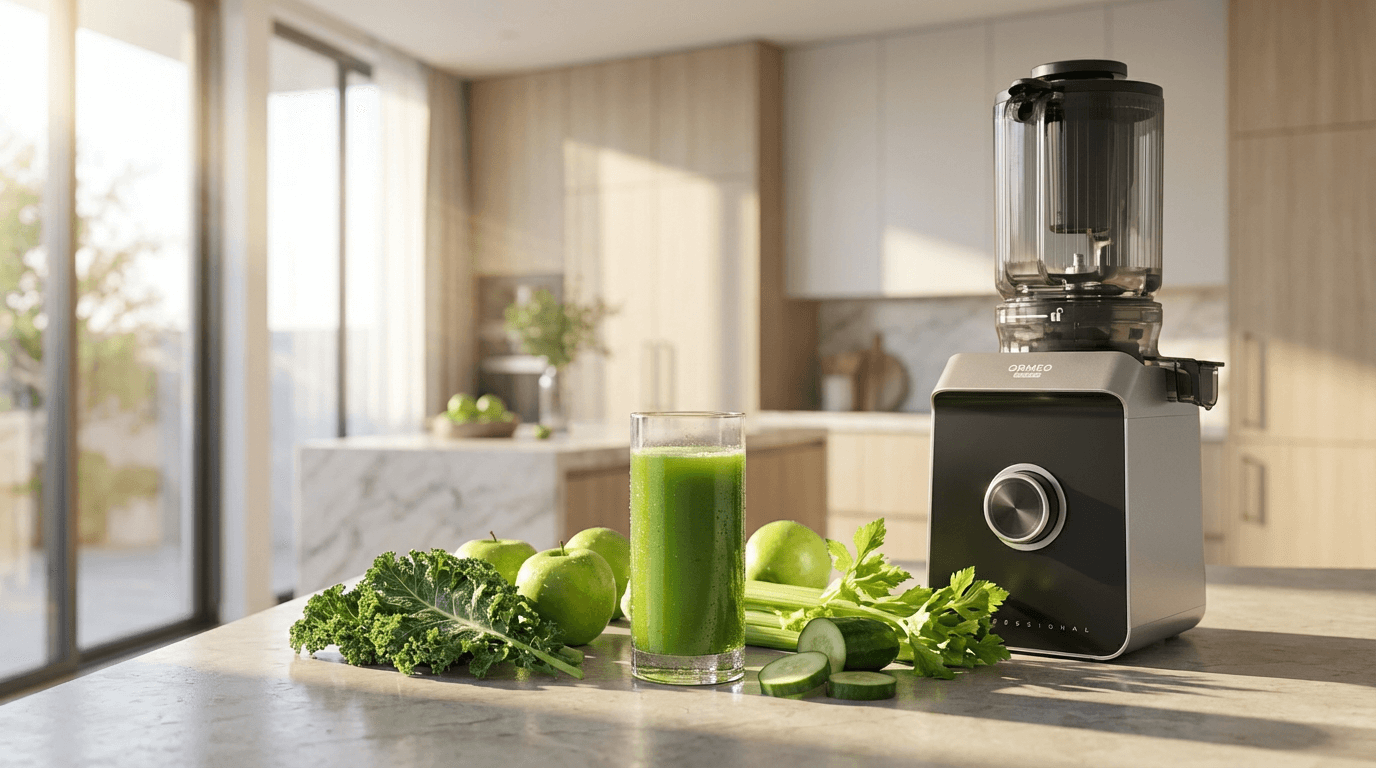
The Ultimate Guide to Easy Juice Recipes: Nutrient-Packed Green Juice & Vegetable Blends for Beginners
Let’s be honest: buying a juicer is the easy part. The hard part is staring at a bag of spinach and a beet, wondering how to turn them into something that doesn’t taste like lawn clippings.
If you are new to juicing, you might be overwhelmed by the noise—both from the internet’s endless advice and from loud, terrifying centrifugal juicers. But here is the reality: juice is one of the fastest ways to flood your system with vitamins and minerals, improve your gut health, and actually enjoy eating (well, drinking) your greens.
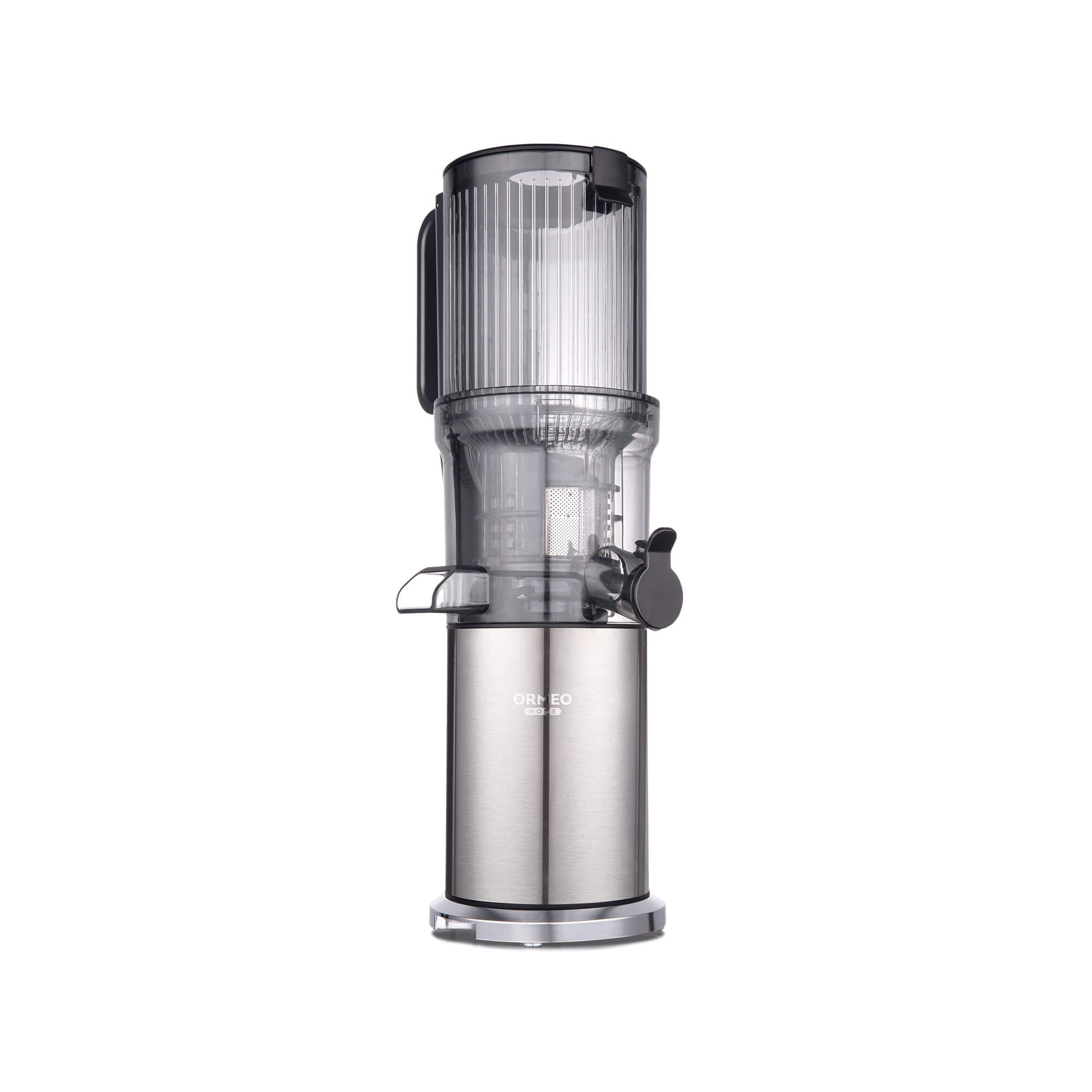
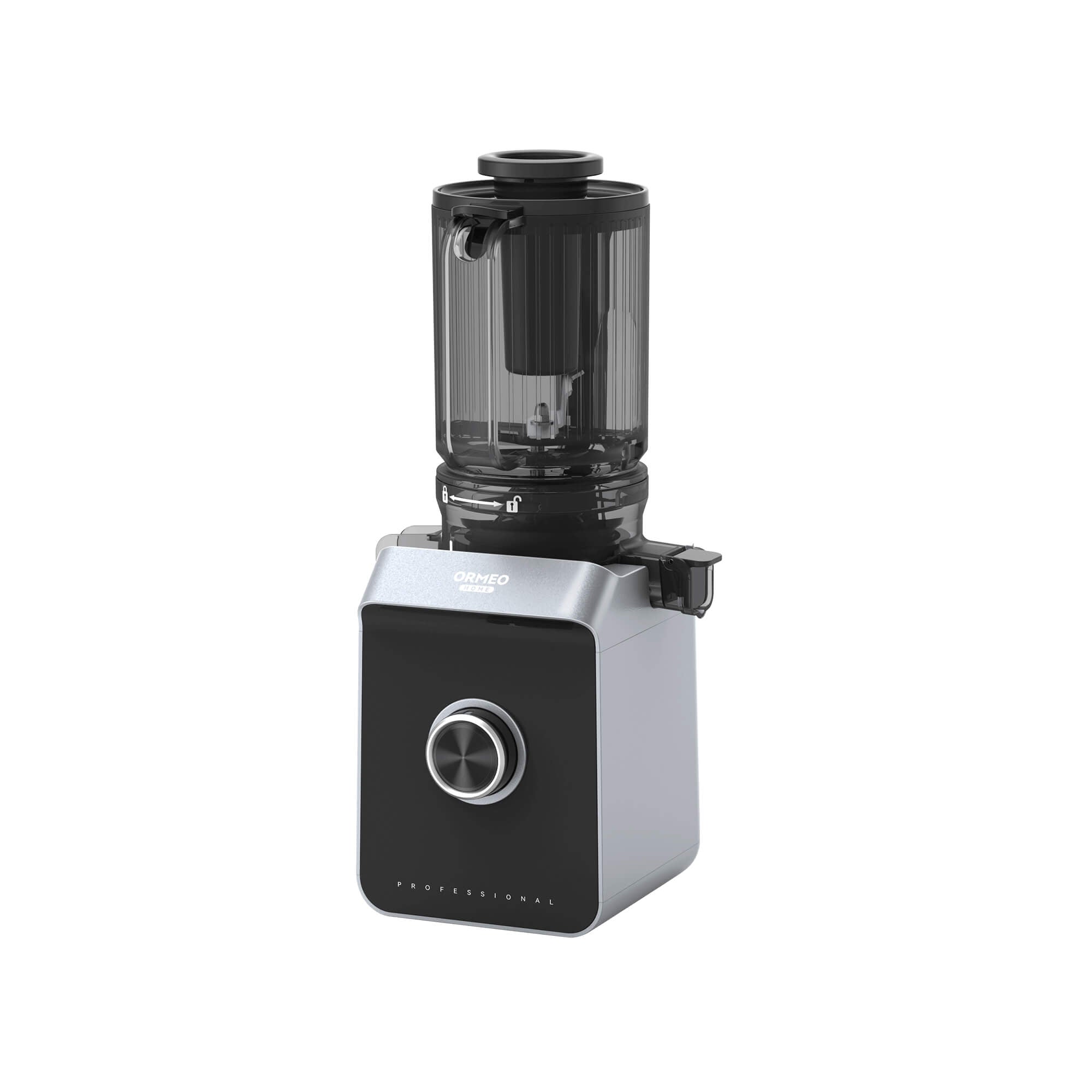
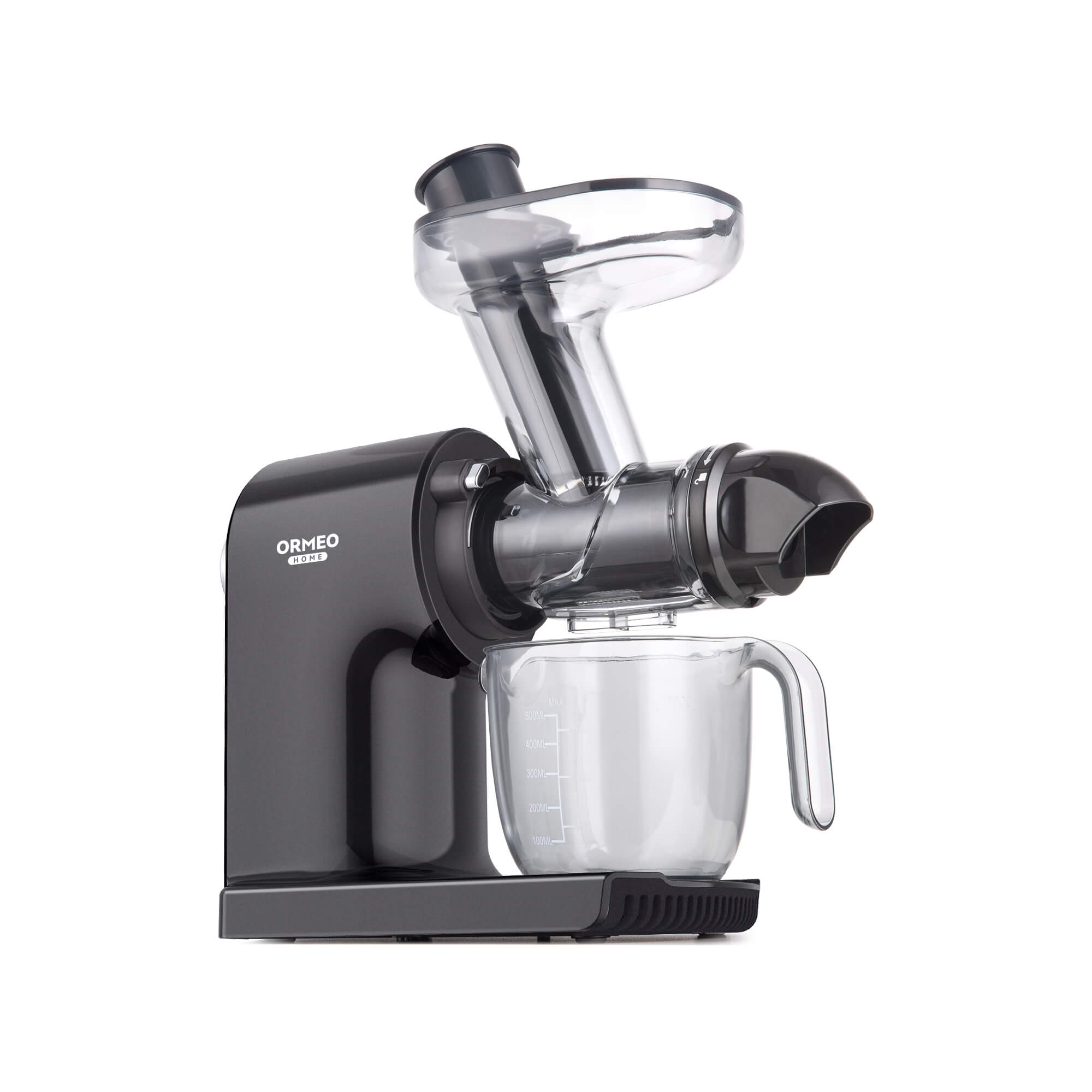
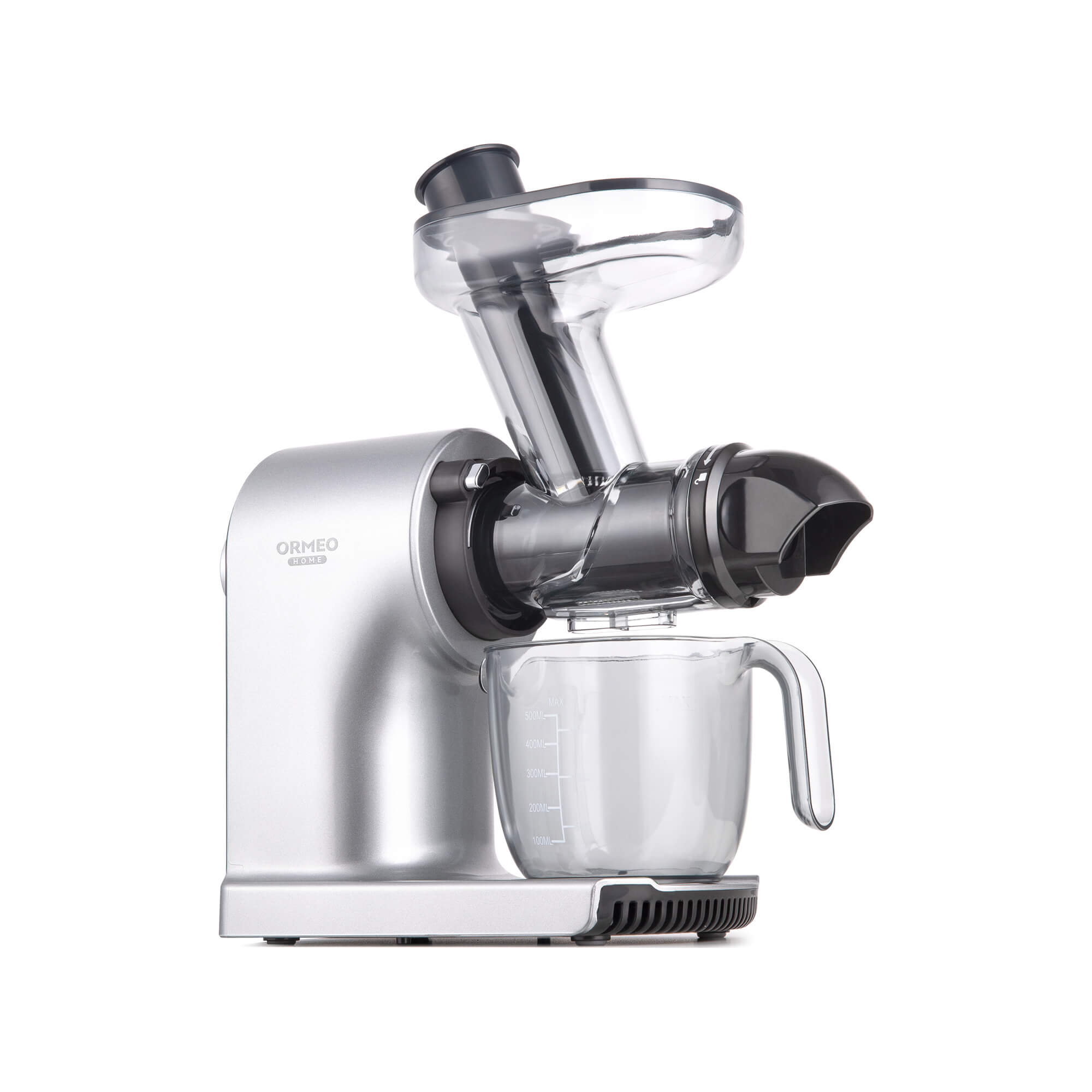
This isn’t just another list of generic combinations. This is a practical guide to easy juice recipes for beginners, focusing on flavor balance, realistic prep, and how to use the right tools—specifically our Ormeo 2311 Quiet Cold Press Juicer—to make the habit stick.
Why Your Choice of Juicer Matters (and Why Silence is Golden)
Before we dive into the easy juicing recipes for beginners, we have to talk about the machine. Many beginners give up because their first machine was a nightmare to clean or sounded like a jet engine taking off in the kitchen.
The Battle: Centrifugal vs. Cold Press
There are generally two camps in the juicing world:
-
Centrifugal Juicers: These represent the old school (think popular Breville models). They spin at high speeds, shredding the produce. They are fast, but they are loud, and the heat generated can oxidize the nutrients, killing the enzymes before you even take a sip. Plus, the juice separates into water and foam almost instantly.
-
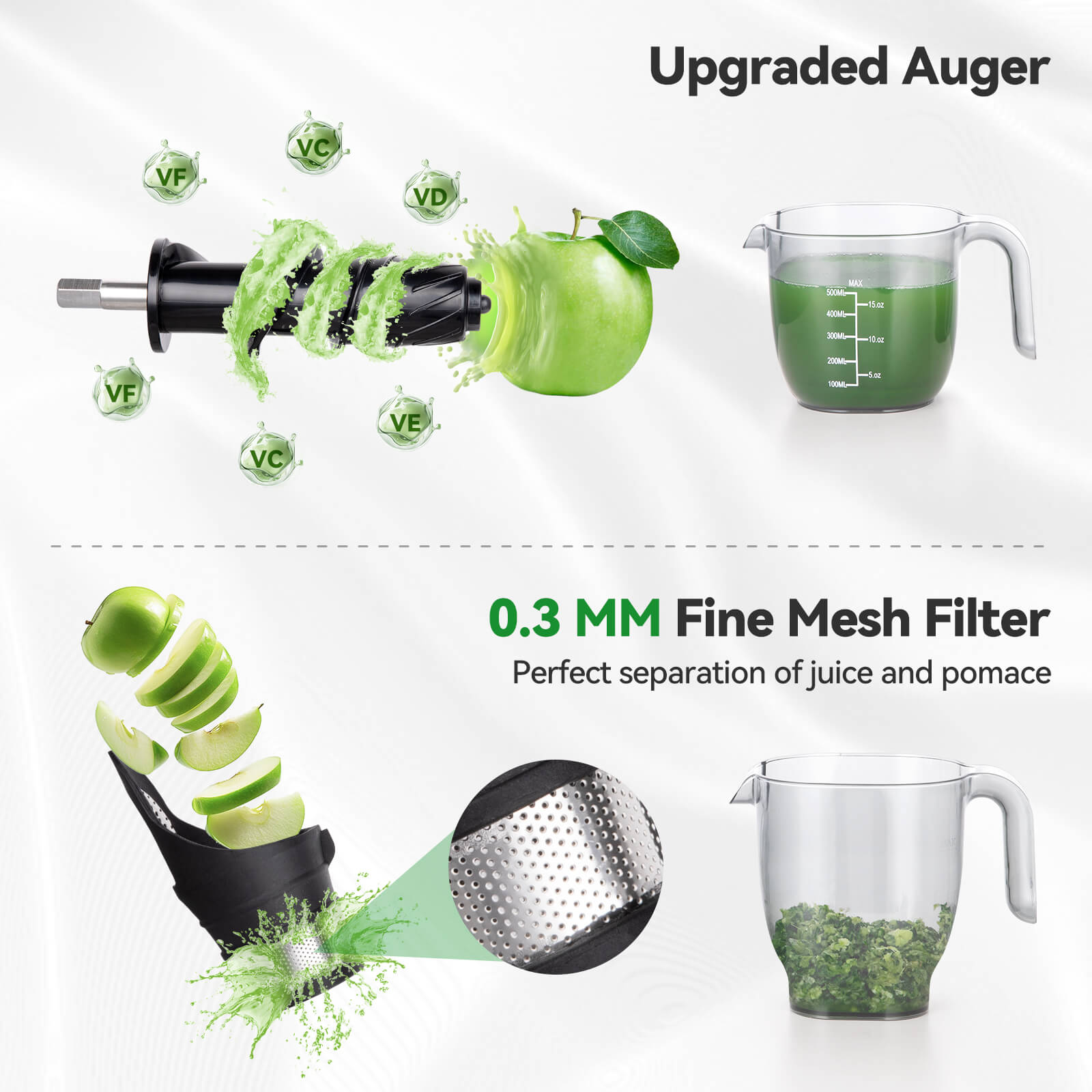
Cold Press Juicers (Masticating): This is where you want to be. A cold press juicer (or slow juicer) uses a heavy-duty auger to slowly crush and squeeze (masticate) the produce. This mimics the chewing process.
The Ormeo Difference
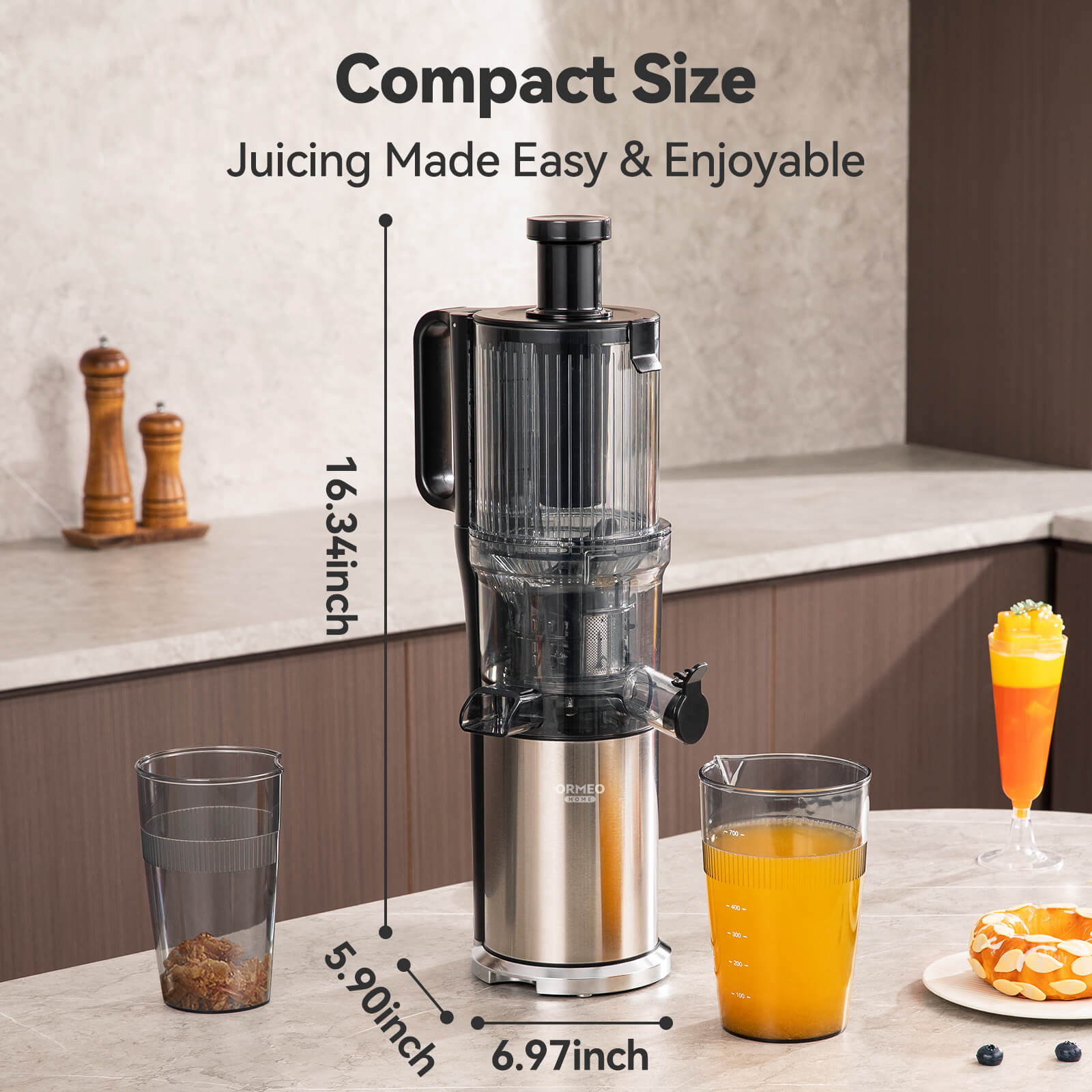
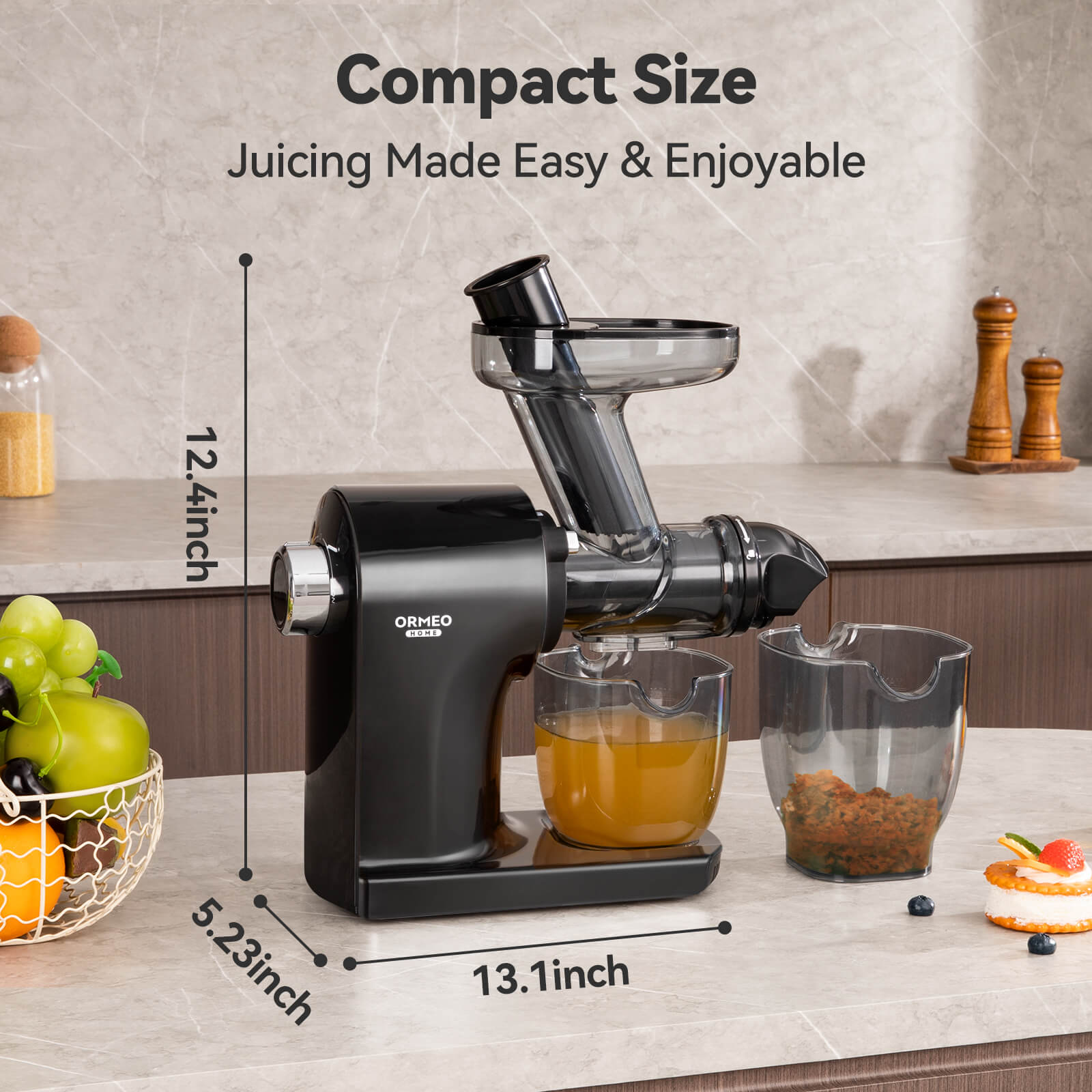
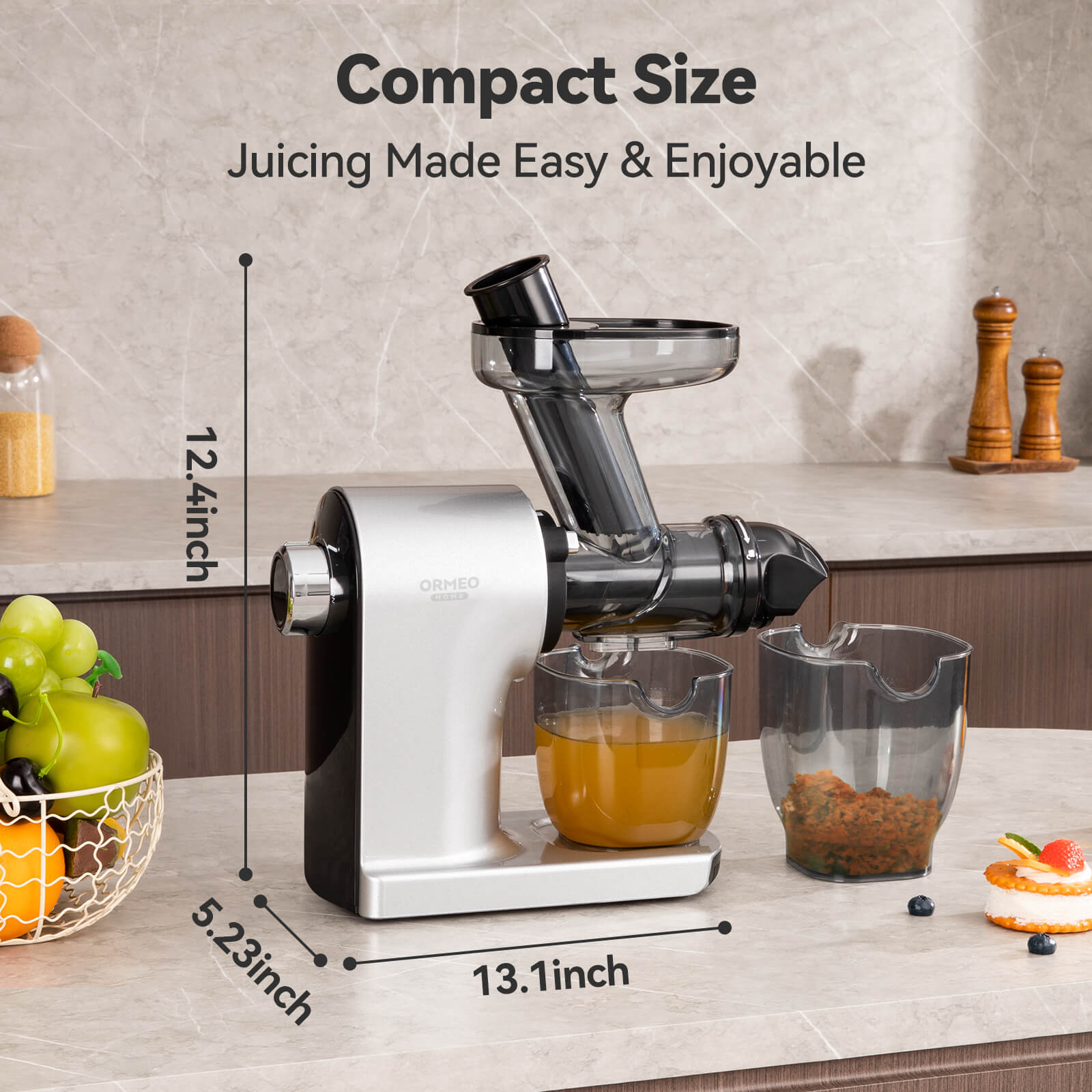
If you’ve looked at high-end brands like Hurom, you know they can cost a fortune. We designed the Ormeo 2311 Quiet Cold Press Juicer to give you that same high-quality, nutrient-dense extraction without the sticker shock.
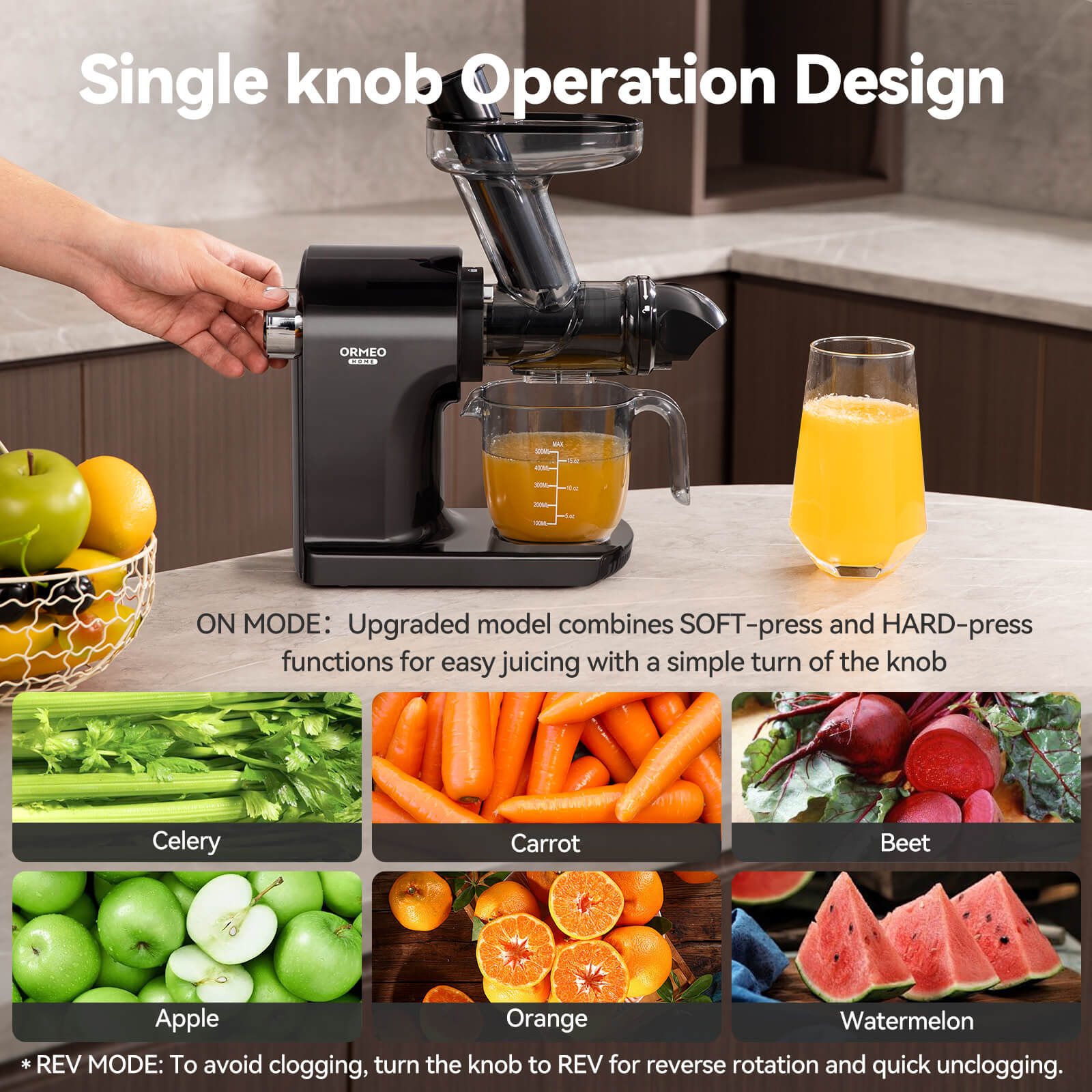
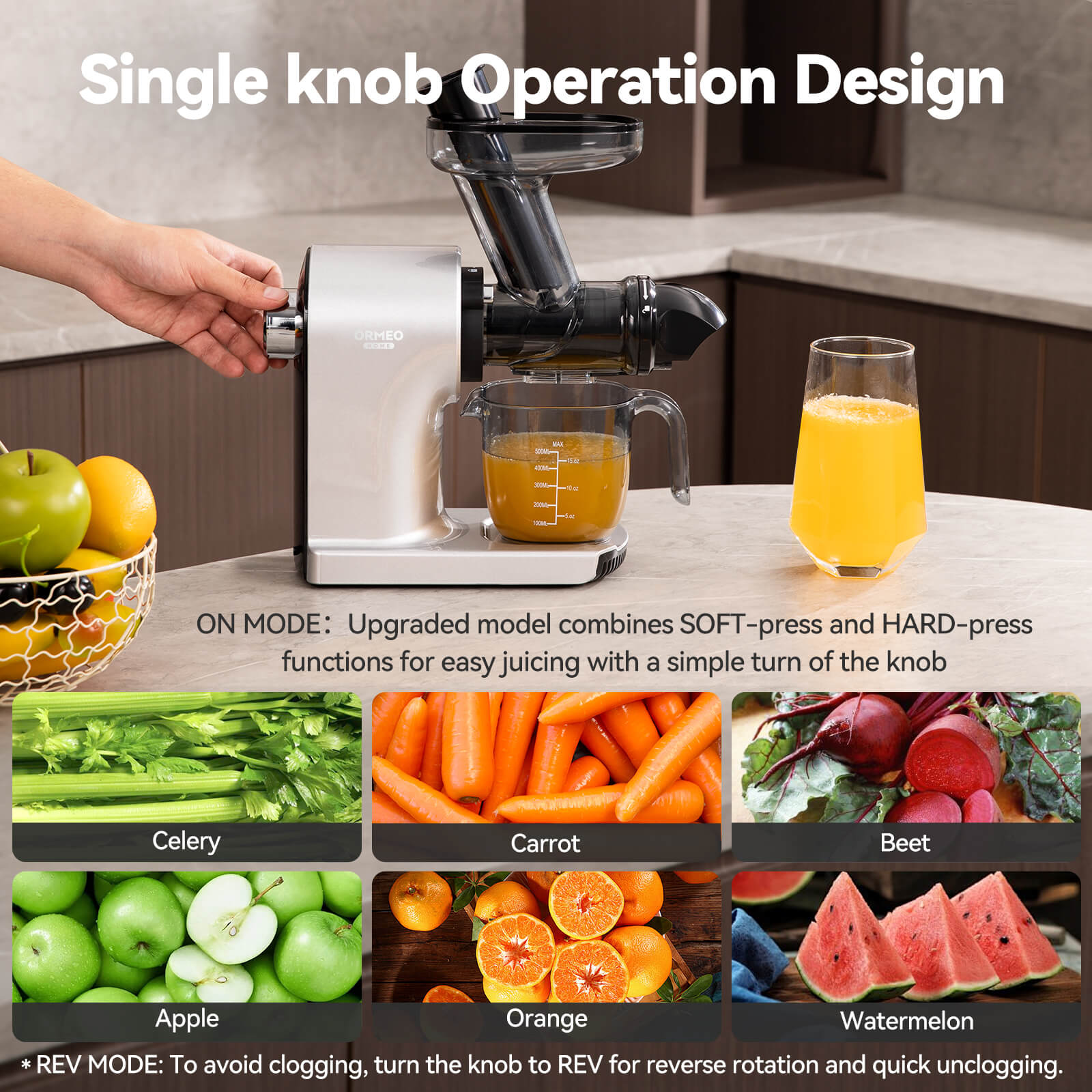
The Ormeo 2311 excels at handling leafy greens (which often get wasted in centrifugal machines) and hard roots alike. It preserves the integrity of the fruit and vegetable enzymes, meaning your fresh juice stays fresh longer. Plus, it’s quiet enough that you won’t wake up the whole house when making your morning green juice.
The Golden Rules for Healthy Juices
If you throw random fruits and veggies into a chute, you might end up with a brown, sludgy concoction. To create healthy juice recipes that actually taste good, follow these three rules:
-
The 80/20 Rule: A common mistake when you started with juicing is using too much fruit. That’s a sugar bomb. Aim for 80% vegetables and 20% fruit. The fruit is just there to mask the bitter greens.
-
Lemon is Your Best Friend: Acid cuts through the "earthy" taste of kale or beet. If a juice tastes "too green," add half a lemon (peeled).
-
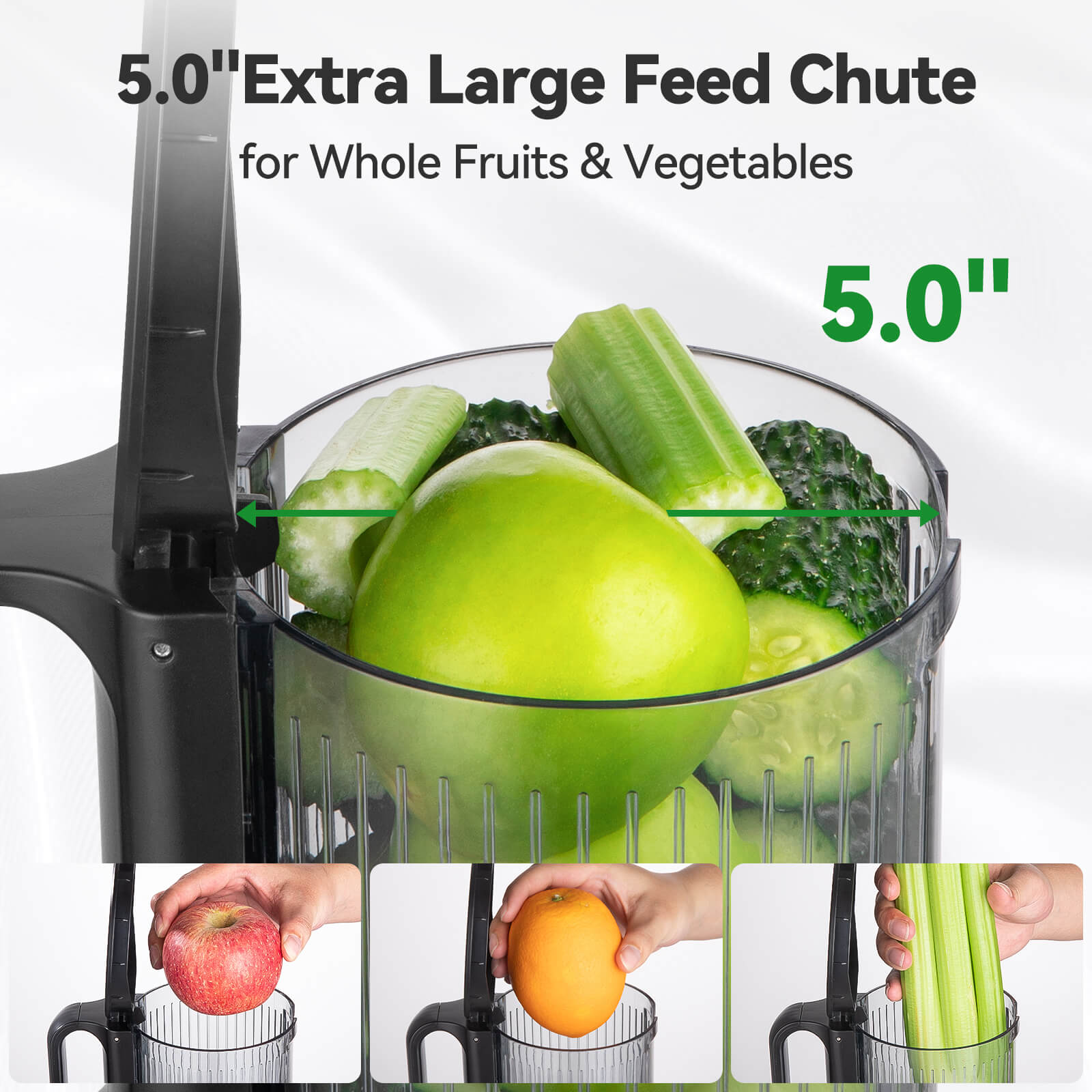
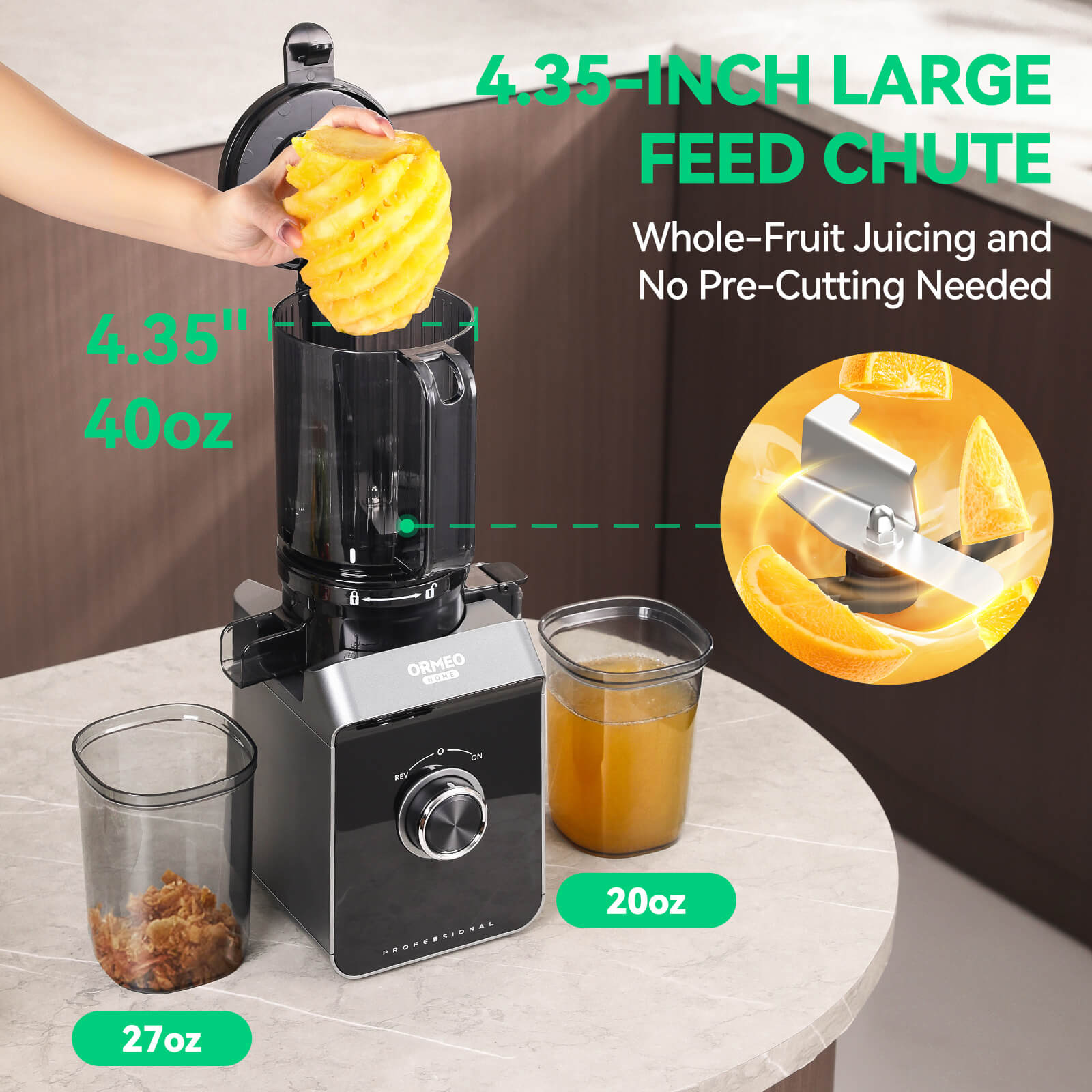
Prep Matters: While our Ormeo has a generous feed chute, cutting your produce into manageable pieces prevents jamming and ensures the best juicer performance.
5 Easy Juice Recipes to Kickstart Your Health
Here are five easy recipes tailored for the Ormeo 2311, ranging from "I've never juiced before" to "I am a green goddess."
1. The "Beginner’s Glow" (Simple Green Juice)
This is the perfect green juice recipe for skeptics. It’s hydrating, light, and sweet enough to enjoy without wincing. Cucumber acts as a high-yield base, so you get a lot of juice for your money.
- Yield: Approx. 16 oz
- Best for: Hydration and skin health.
Ingredients:
- 1 large cucumber
- 2 large stalks of celery
- 2 Green Apples (Granny Smith is best for lower sugar)
- 1/2 Lemon (peeled)
- 1-inch piece of fresh ginger
Instructions: Start with the softer apple, follow with the ginger and celery, and finish with the watery cucumber to flush the remaining pulp through the strainer. The Ormeo cold press action ensures the ginger oils are fully extracted for that spicy kick.
2. The "Earth & Fire" Detox Drink
Beet juice is controversial—you either love the earthy taste or hate it. But combined with carrot and orange, it becomes a delicious detox drink. Beetroot is a powerhouse for liver support and blood flow.
- Yield: Approx. 12 oz
- Best for: Energy boost and liver support.
Ingredients:
- 2 medium Beets (scrubbed well, tops removed)
- 4 large Carrots
- 1 Orange (peeled, keep the white pith for nutrients)
- 1/2 inch Turmeric root (optional, for inflammation)
Instructions: Beets are hard, so cut them into wedges. Feed them into your cold press juicer slowly. Warning: This juice is vibrant red! It’s one of those healthy juices that visually screams "nutrition."
3. The "Green Goddess" Anti-Inflammatory Blend
Ready to level up? This green juice is packed with leafy greens. While a centrifugal juicer might toss kale leaves into the bin mostly dry, the Ormeo 2311 squeezes every drop of liquid gold out of them.
- Yield: Approx. 14 oz
- Best for: Reducing inflammation and a massive nutrient hit.
Ingredients:
- 4 large leaves of kale (or spinach if you prefer milder)
- 1/2 head of Romaine lettuce (adds water volume)
- 1 cup Pineapple chunks (the bromelain helps digestion)
- 1/2 Cucumber
- 1 Lime (peeled)
Instructions: Roll up the kale leaves tightly and feed them in, alternating with the juicy pineapple chunks. The pineapple makes the kale taste tropical rather than grassy. It is a fantastic green juice recipe to boost your immune system.
4. The "Gut Healer" (Celery Juice)
The celery juice trend is real. Drinking pure celery juice on an empty stomach is touted by many a nutritionist for improving digestion.
- Yield: 16 oz
- Best for: Gut health and reducing bloat.
Ingredients:
- 1 large bunch of Celery (yes, the whole bunch)
- 1/2 Lemon (optional, if the salty taste of celery is too much)
Instructions: Chop the ends off the celery. Feed the stalks into the Ormeo steadily. Because celery is stringy, a slow juicer like ours is superior to high-speed ones which get clogged easily.
5. The "Afternoon Pick-Me-Up" (Fruit and Vegetable Juice)
When 3 PM hits and you want coffee, try this instead. It’s a fruit and veggie hybrid that keeps energy levels stable without the caffeine crash.
- Yield: 14 oz
- Best for: Natural energy.
Ingredients:
- 3 Carrots
- 2 Apples
- 1/2 Sweet Potato (raw)
- Dash of cinnamon (stir in after juicing)
Instructions: Yes, you can juice raw sweet potato! It adds a creamy texture and is packed with nutrients like Vitamin A.
Meal Prep with Juices: How to Store Your Blends
One of the biggest hurdles to easy juicing recipes for beginners is the daily cleanup. The solution? Meal prep.
While fresh juice is best consumed immediately to get the maximum vitamins and minerals, you can store it if you have a cold press juicer. Because the Ormeo 2311 introduces very little heat and air (oxidation), your juice can last up to 48-72 hours in the fridge.
The Storage Hack:
-
Use glass jars (Mason jars are perfect). You can find cheap sets on amazon.com or local hardware stores.
-
Fill the juice all the way to the very top. You want zero air gap between the juice and the lid.
-
Seal tight and refrigerate immediately.
This allows you to batch-make your fruit and vegetable juices on Sunday and Wednesday, keeping your diet plan on track all week.
Tips for a Successful Juicing Experience
Dealing with Pulp
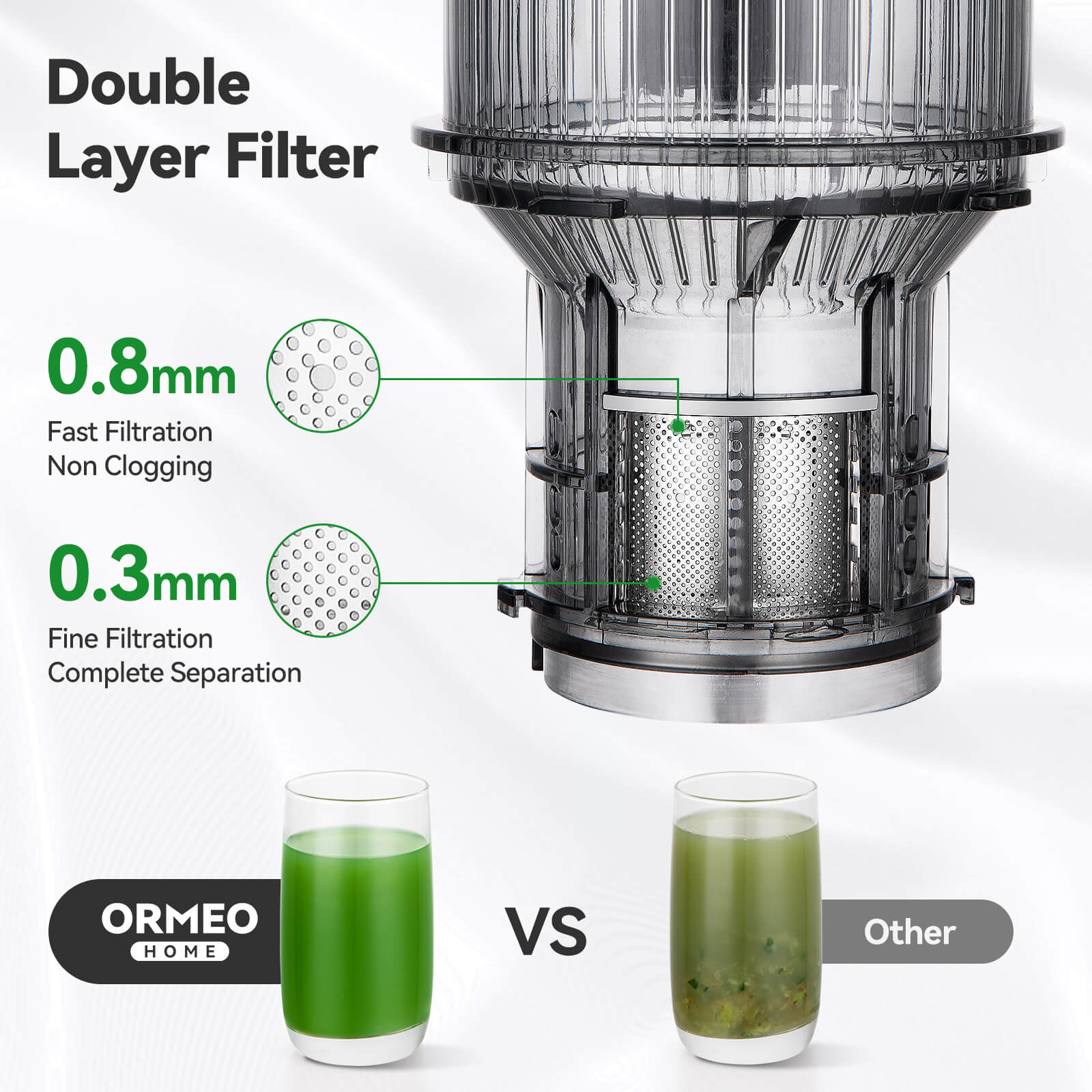
Don't throw away the dry pulp! If you want to reduce food waste, you can use the vegetable pulp in veggie burgers, muffins, or soups. It is pure fiber. If you hate pulp in your glass, you can pour the juice through a cheesecloth or a fine mesh strainer, though the Ormeo does a great job of separating it automatically.
Handling Ingredients
-
Organic vs. Conventional: If you can afford organic, great. If not, just wash your fresh fruits and vegetables thoroughly. Peel anything that isn’t organic to reduce pesticide exposure.
-
Rotational Juicing: Don’t just drink kale every day. Rotate your greens—spinach one week, chard the next. Different plants offer different nutrients and antioxidants.
Cleaning Your Juicer
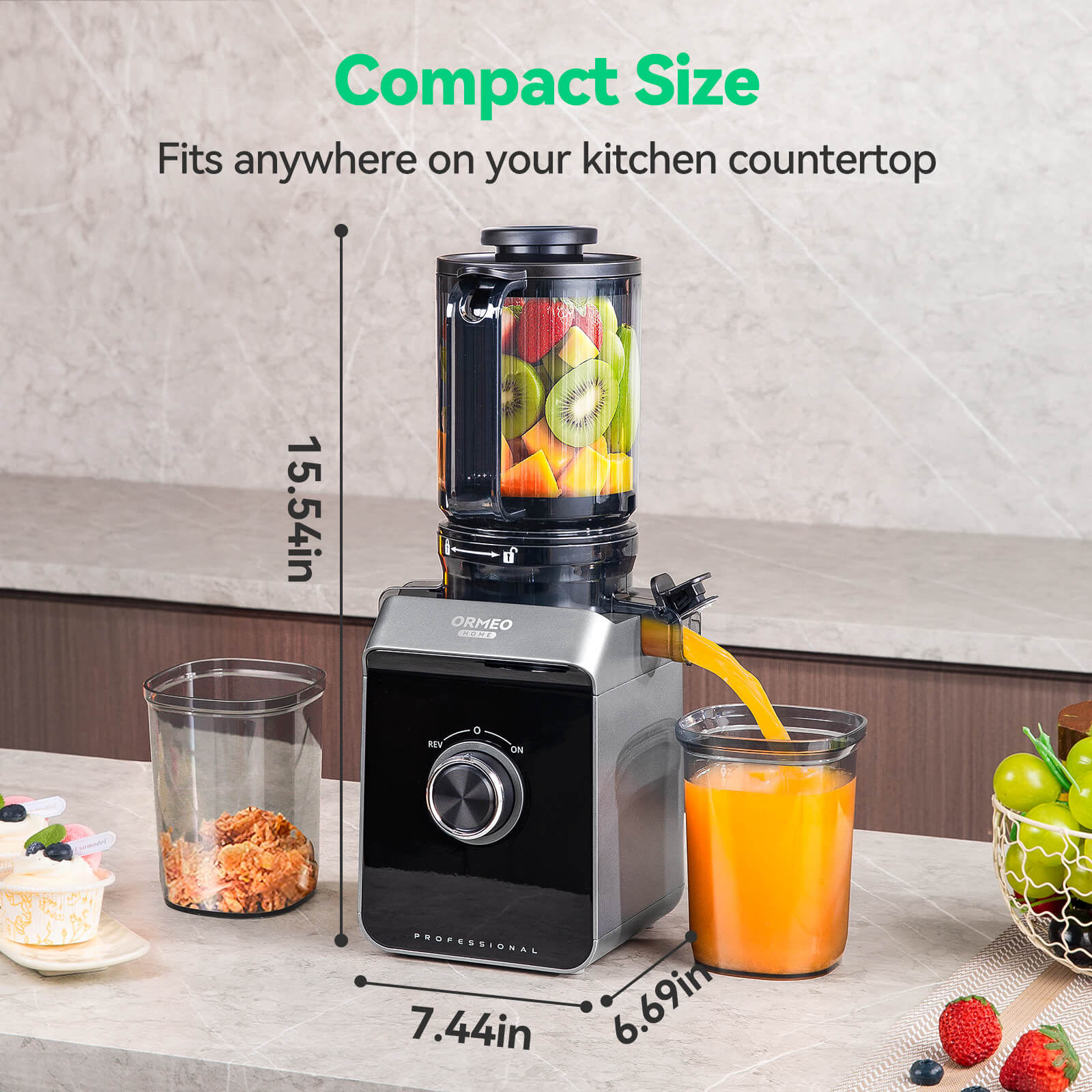
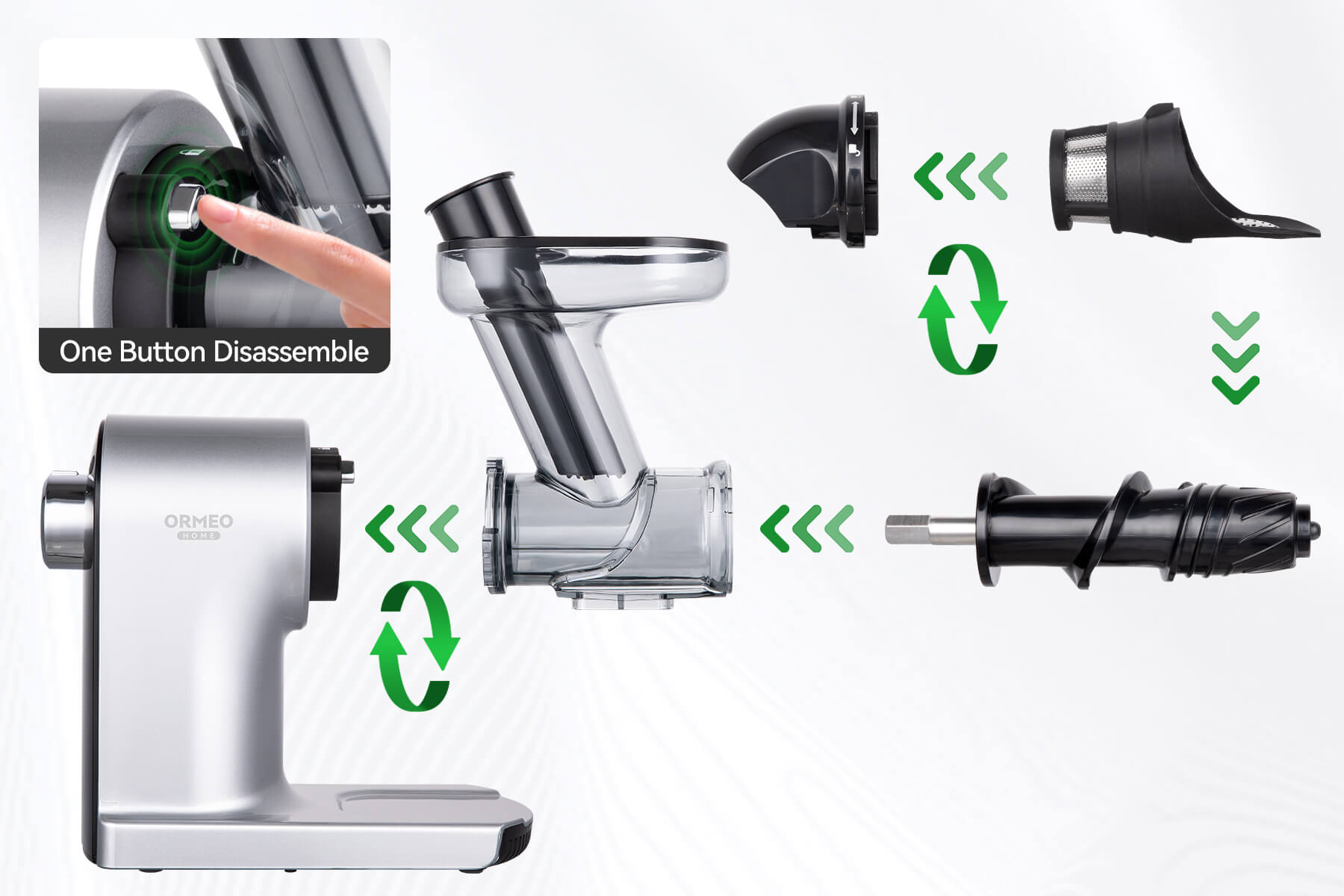
The Ormeo 2311 was built to solve the cleanup headache. After you are done, disassemble the parts and rinse them immediately under warm water. If you let the pulp dry, it becomes like cement. Use the included brush to scrub the metal screen. The whole process should take less than 3 minutes.
Conclusion: Start Your Journey with Ormeo
Juicing doesn't have to be a complicated, expensive luxury. It is simply a way to get raw, drinkable nutrition into your body efficiently. Whether you are looking for a heavy-duty detox, a simple green juice, or just a way to use up the carrots in your fridge, having the right juice recipe and the right machine makes all the difference.
Ready to start? The Ormeo 2311 Quiet Cold Press Juicer is your perfect partner in this health journey—quiet, efficient, and designed for real life.
Frequently Asked Questions (FAQ)
1. Can I use a blender instead of a juicer?
No, technically. A blender makes a smoothie that has all the fiber in it. A juicer separates the pulp, which is the insoluble fiber, from the juice and nutrients. This makes it easier for your body to quickly absorb the nutrients. You don't get juice when you blend ingredients; you get a thick puree. For the easy juice recipes listed above, you need a juicer to get the right texture and concentration of vitamins.
2. Is cold press really better than centrifugal?
Yes, especially for keeping nutrients. Centrifugal juicers, like many Breville models, spin quickly, which makes heat and oxidation that can break down the vitamins in green juice. A cold press juicer like the Ormeo moves slowly to "chew" the produce. This makes the juice yield higher, the pulp drier, the machine quieter, and the juice can be kept in the fridge for up to three days without going bad.
3. Do I need to peel all my fruits and veggies?
Not everything! You do need to peel citrus fruits (oranges, lemons, grapefruits) because the rind is bitter and hard to digest. You should also peel tough skins like pineapple or melons. However, for carrots, apples, beets, cucumbers, and ginger, you can leave the skin on as long as you wash them thoroughly. Many nutrients and antioxidants live in or just under the skin.
4. How long does fresh juice last?
You should drink it within 20 minutes if you use a centrifugal juicer. But you can keep juice for up to 72 hours with a slow juicer like the Ormeo 2311. The most important thing is to keep it in an airtight glass container, like a Mason jar, that is full to the top to keep it from getting too much oxygen. To keep the juice fresh, keep it in the fridge all the time.
5. Will juicing help me lose weight?
Juicing can support weight loss by helping you consume more fruits and veggies and reducing cravings for processed sugars. Many people use a juice cleanse to kickstart a diet plan. However, be careful with fruit-heavy juices, which can be high in sugar. Stick to vegetable juice recipes with leafy greens, celery, and cucumber to keep the calorie count low while keeping nutrient density high.
6. What do I do with the leftover pulp?
Don't bin it! To reduce food waste, you can repurpose the fiber. Carrot and apple pulp is great for baking muffins or carrot cake. Veggie pulp (celery, kale, beet) can be mixed into broths, stews, or even dog food (check safe ingredients first). Composting is also a great option. The pulp from a cold press juicer is very dry, making it easy to handle.









Share:
Mango Pineapple Juice