

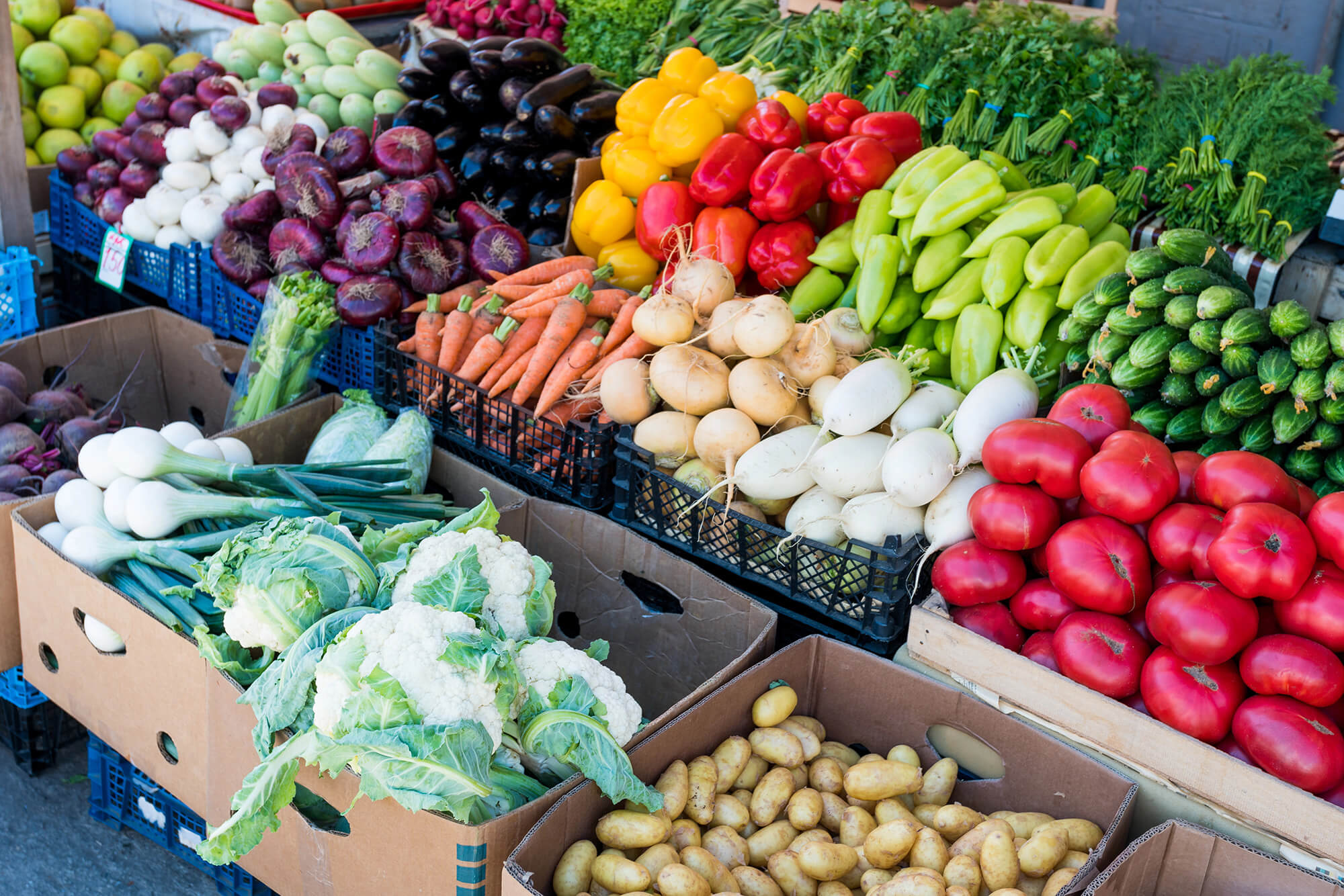
What are the Best Vegetables to Juice? Tips for Vegetable Juice
Let's get to the colorful world of vegetable juicing! This blog make us know more about the most common best vegetables to juice, revealing their nutritional secrets and how they can boost our health. From leafy greens packed with vitamins to hydrating choices, we'll look at how the power of fresh juice and vegetable juice can nourish our body from the inside out.
What's Inside Your Veggies?
The Nutritious Powerhouse Breakdown
Vegetables are full of vitamins and minerals which is all essential for human health. Leafy greens such as spinach and kale are high in vitamins A and C, as well as vitamin K and magnesium. Other vegetables, like beets, it contains potassium and are known for their antioxidant properties. You can make juice recipes that are good for your health by knowing what nutrients are in each vegetable. Incorporating a variety of fruits and vegetables ensures a broad spectrum of essential nutrients.
Why Your Body Craves These Nutrients?
There is a reason why your body wants the nutrients in vegetables. Vitamins and minerals are very important for many body functions, such as keeping the heart and eyes healthy and boosting the immune system. Potassium helps control blood pressure, and antioxidants help keep cells from getting hurt. Juicing vegetables is a quick and easy way to get these important nutrients into your body, which can help you feel better and more energetic. Eating a lot of fruits and vegetables can help lower your cholesterol levels.
Are All Nutrients Created Equal? (No!)
All nutrients are important, but the amount and availability of each one differ from vegetable to vegetable. For example, leafy greens like kale and spinach give you a lot of vitamins, while vegetables like cucumbers are mostly water and help you stay hydrated. Broccoli and other cruciferous vegetables are known for their unique health benefits. You can choose your favor vegetables to juice and get the most out of your fresh juice by knowing these differences. Not all sources of vitamins are the same.
Best Vegetables for Juicing
Best Vegetables to Juice: A Comprehensive List
When it comes to the best vegetables to juice, the options are plentiful, offering a diverse range of flavors and nutrients. You might want to add your favor vegetables such as carrots to the juice recipe. You can also make juice combinations that fit your taste and health goals by trying different vegetables. Actually the best vegetables to juice are the ones you like.
| Vegetable Group | Examples |
|---|---|
| Leafy Greens | Spinach, Kale, Swiss Chard, Arugula, Romaine Lettuce, Bok Choy, Dandelion Greens |
| Root Vegetables | Beets, Carrots, Radishes, Sweet Potatoes, Parsnips |
Cruciferous Vegetables: Broccoli and Kale
Cruciferous vegetables like broccoli and kale are very healthy and offer different health benefits when juiced. Broccoli has a lot of vitamins, minerals, and antioxidants in it. Another leafy green, kale, is a good source of vitamins A, C, and K, as well as magnesium. These vegetables might taste strong on their own, but when you mix them with other vegetables and citrus fruits, you can make a juice that is both tasty and good for you. Adding cruciferous vegetables to your juice is a great way to improve your health and take advantage of the benefits of these plants. These vegetables are a great way to get your vitamins.
Cucumber and Celery: Water Content, Hydrating Choices
Cucumber and celery are excellent choices for juicing, particularly if hydration is a priority. Both vegetables have high water content and are low in calories, making them a refreshing addition to any juice recipe. Cucumber offers a mild flavor and helps to dilute stronger-tasting vegetables, while celery provides a slightly salty taste and is a good source of potassium. Celery juice has also gained popularity for its potential anti-inflammatory properties. Combining cucumber and celery with other fruits and vegetables creates a hydrating and nutritious juice that is perfect for quenching your thirst and supporting your well-being. Try adding some apple or lemon to the cucumber celery juice to enhance its taste.
What Kind of Juicer is the Best to Use?
Centrifugal
Centrifugal juicers are known for their speed and efficiency. These juicers quickly spin fruits and vegetables against a sharp blade, which separates the juice from the pulp. They do a great job of juicing hard fruits and vegetables like carrots and apples, but they might not work as well with leafy greens like spinach and kale. The centrifugal juicer's high speed can also make heat, which could destroy some vitamins and minerals that are sensitive to heat. Centrifugal juicers are often cheaper, which makes them a good choice for beginners who want to add fresh juice to their diet without breaking the bank. This juicer makes great carrot juice.
Masticating
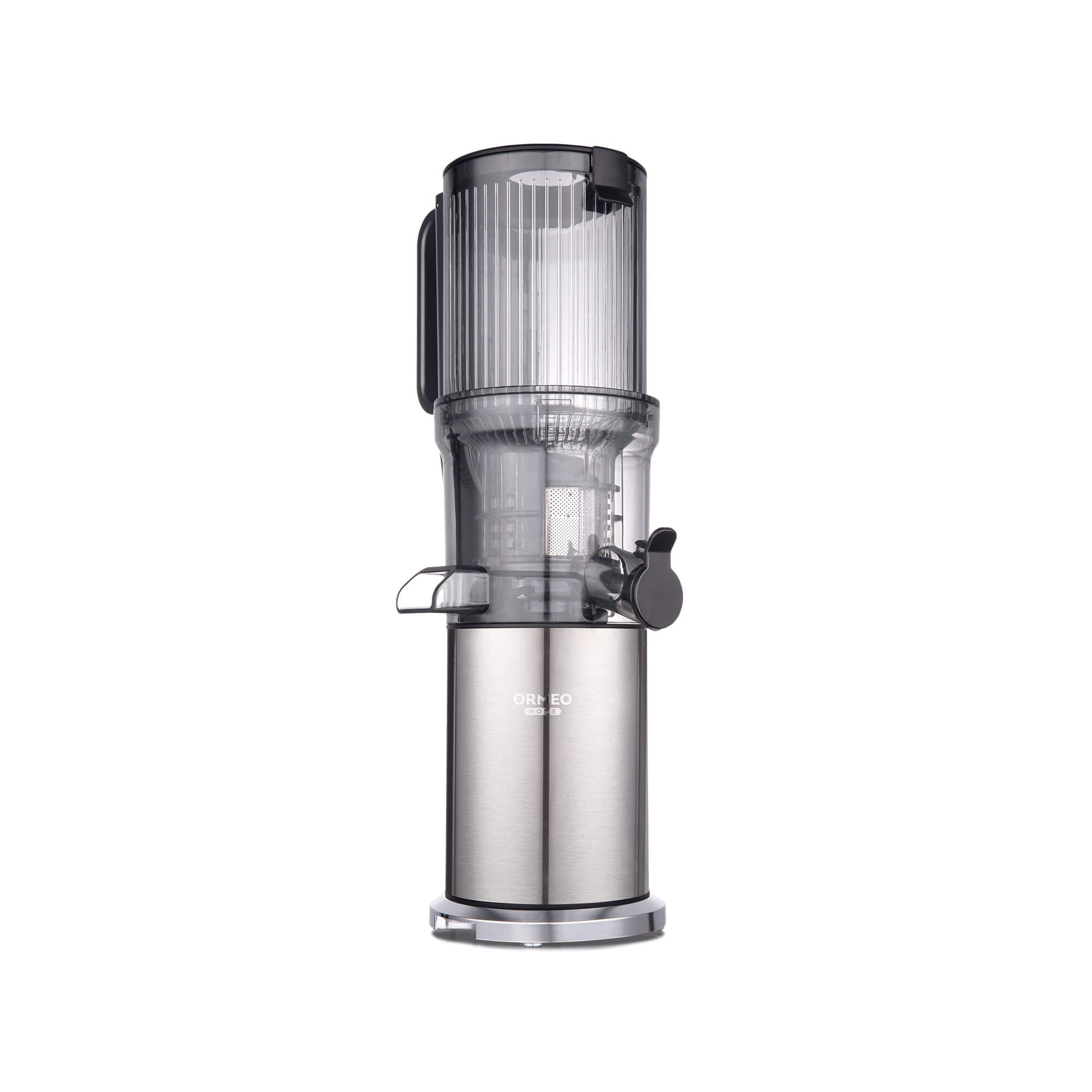
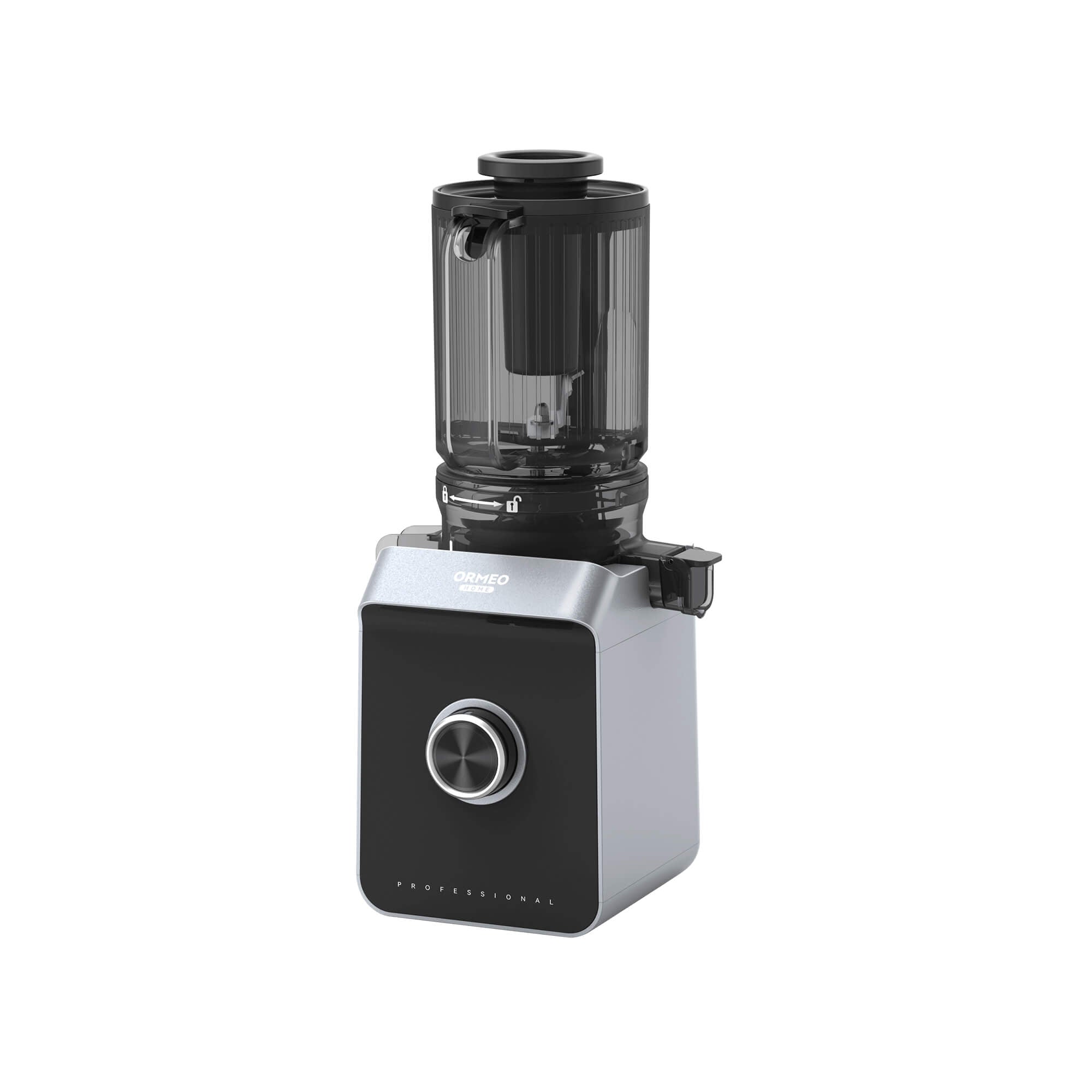
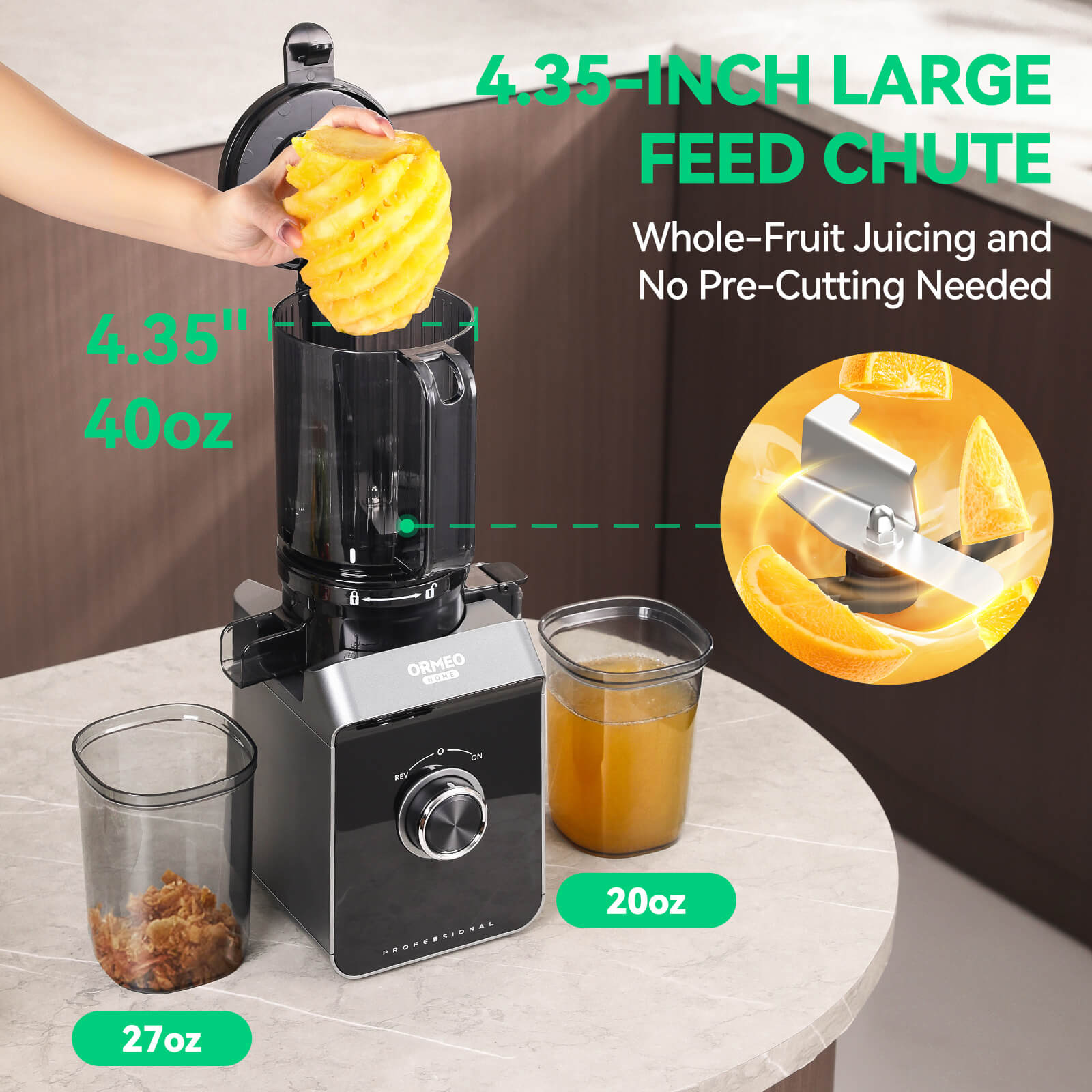
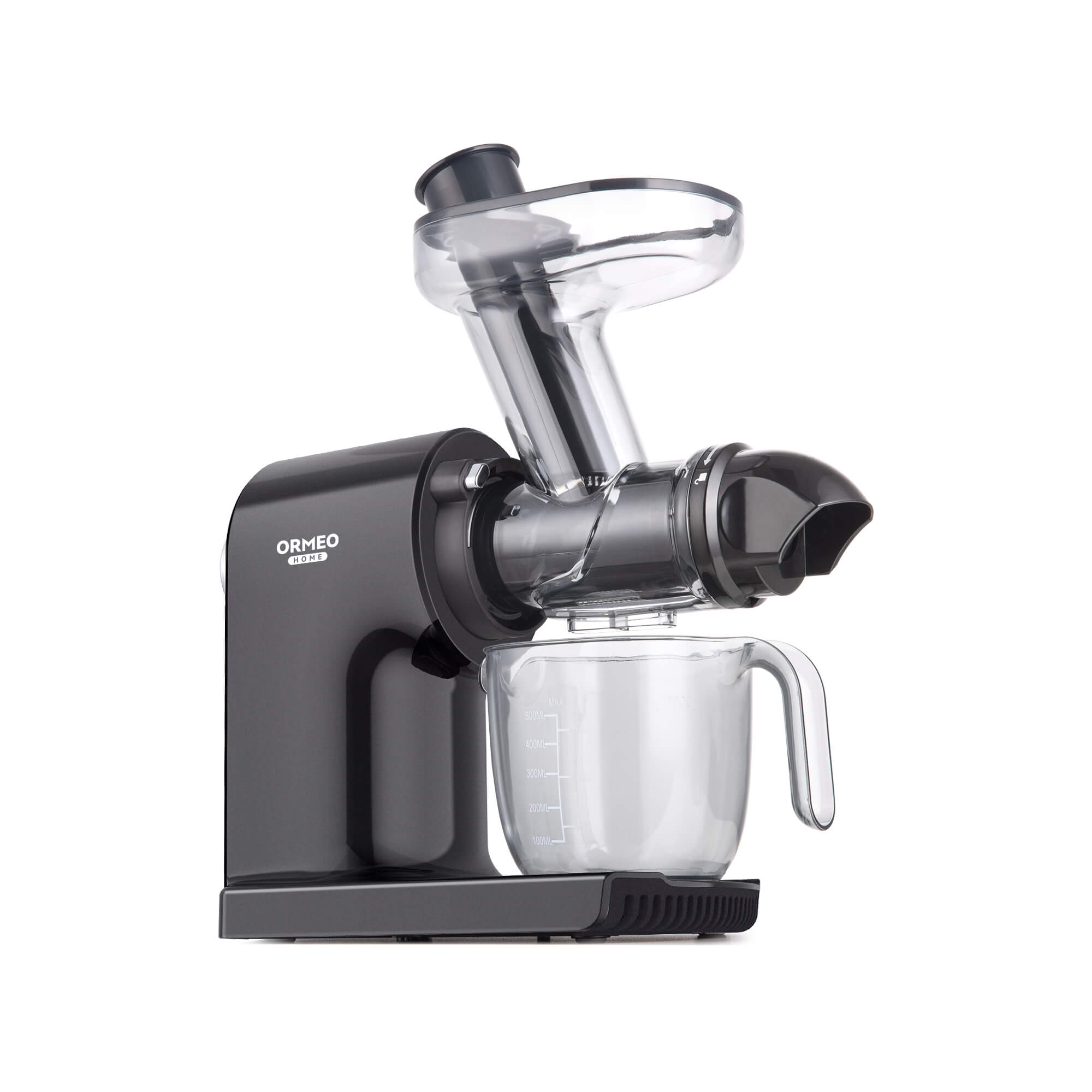
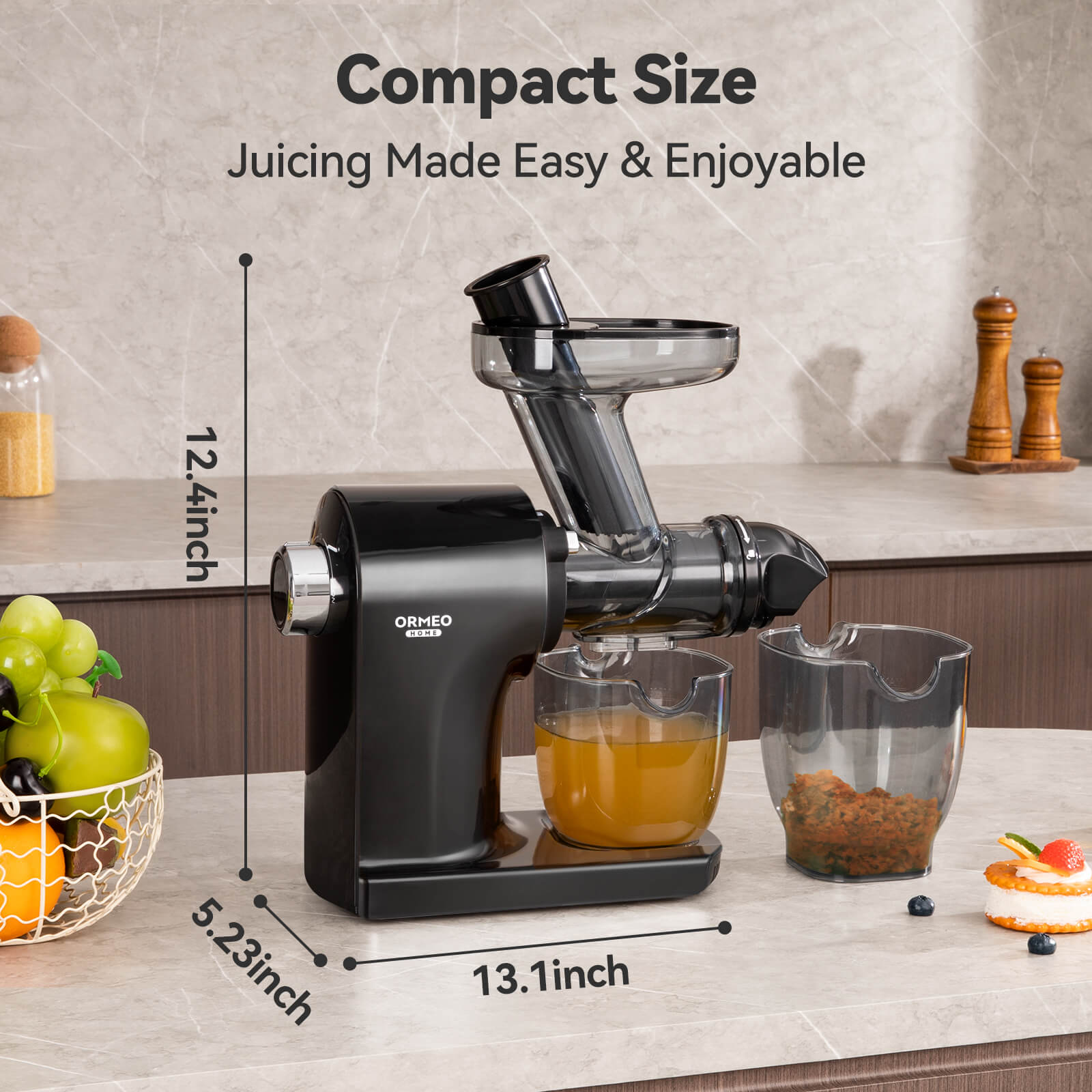
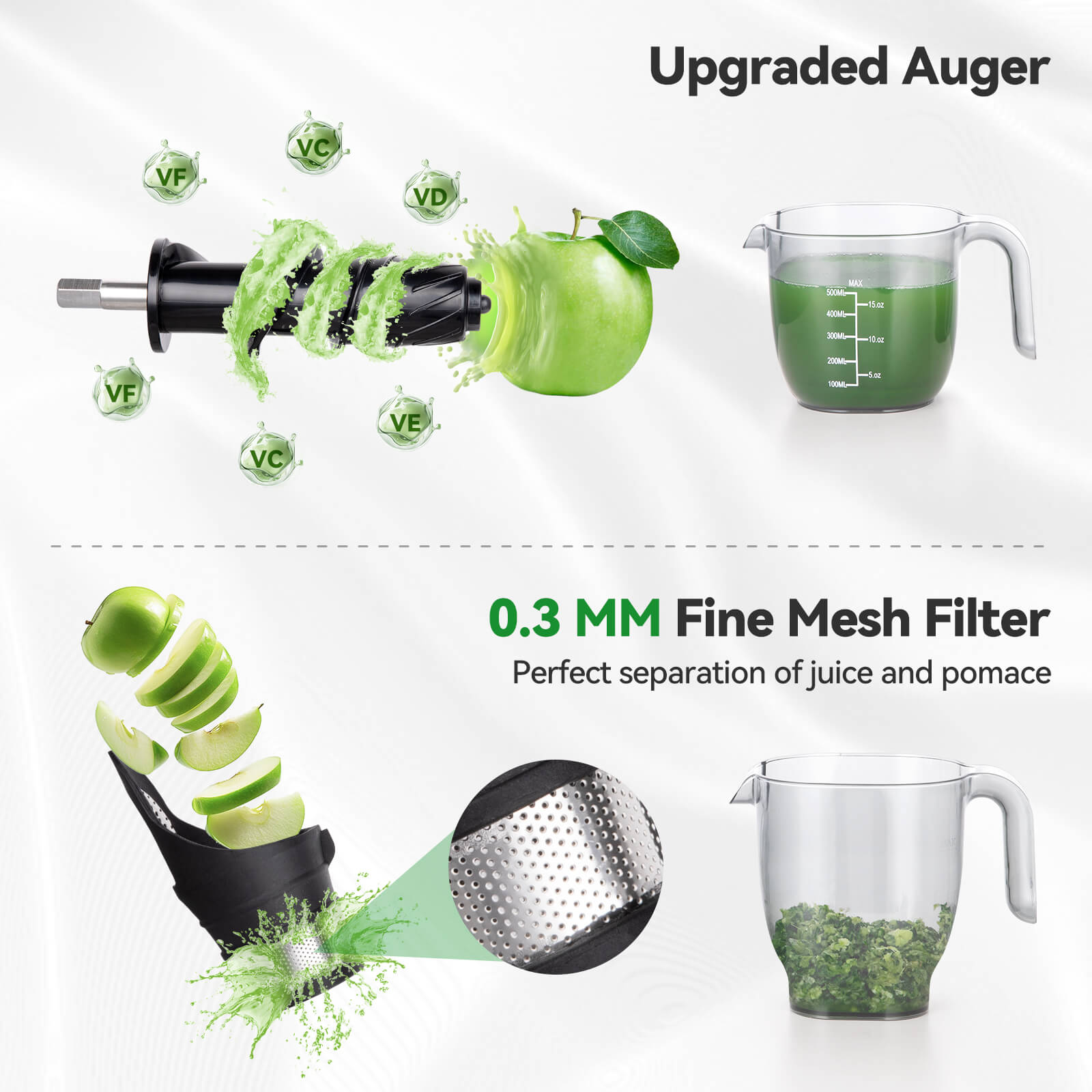
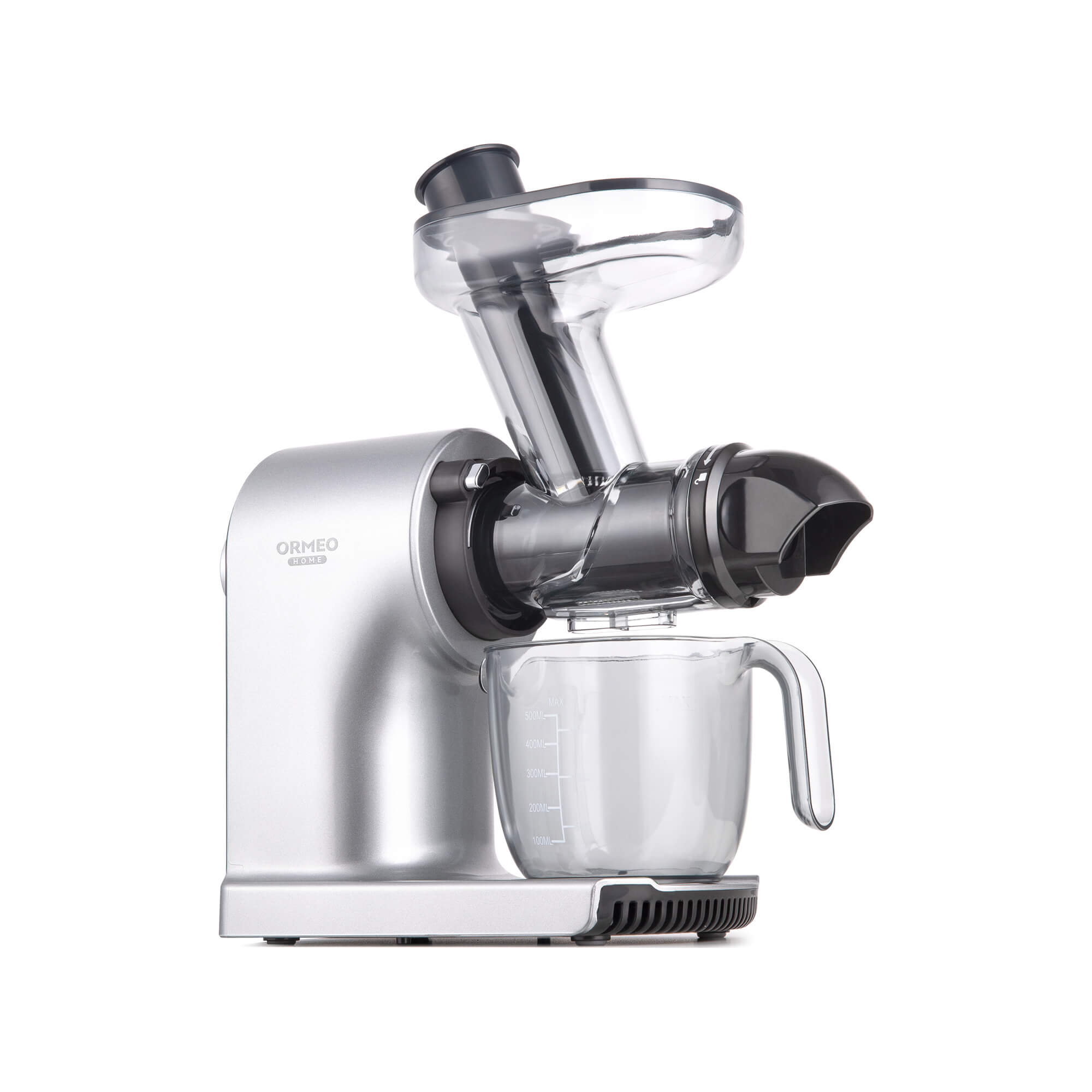
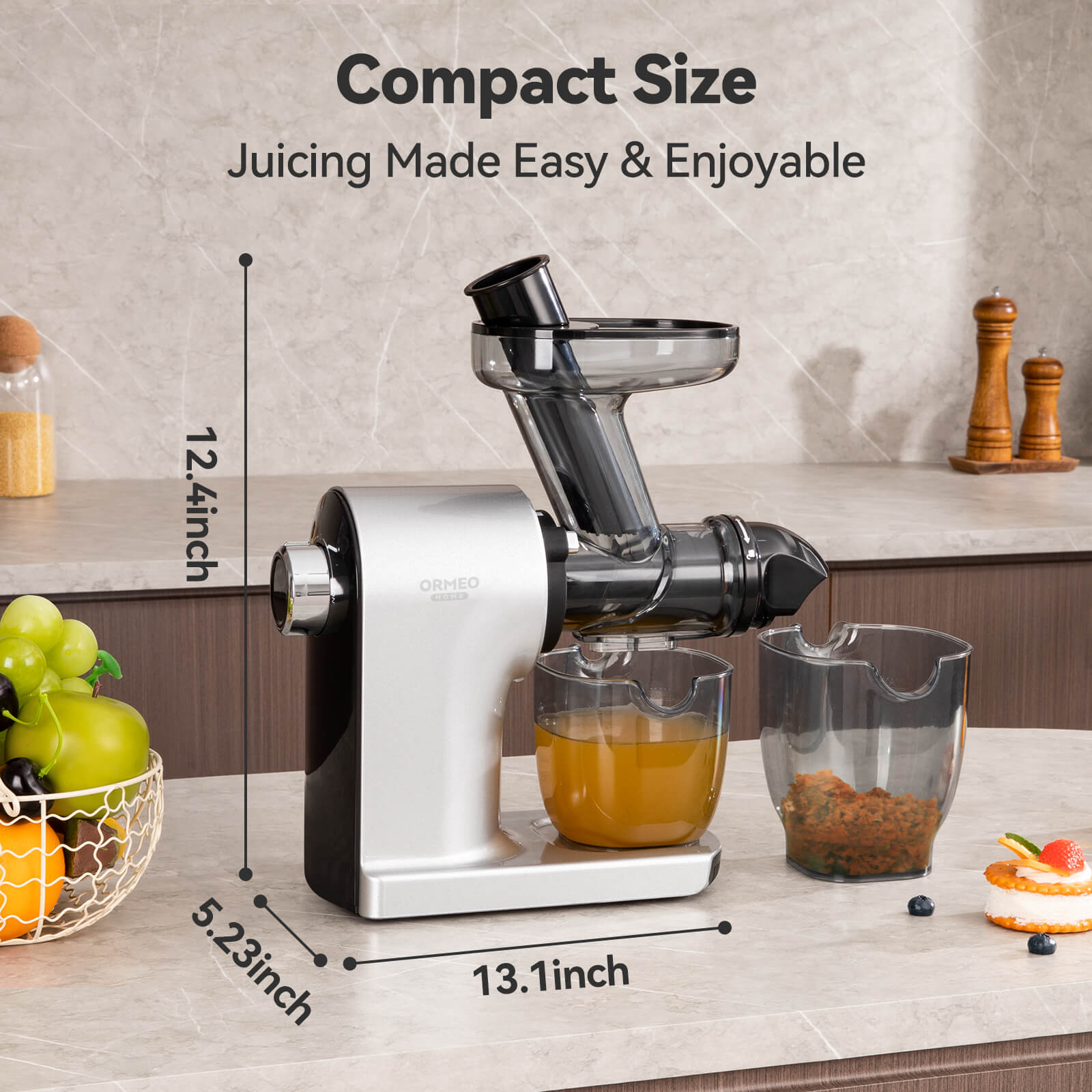
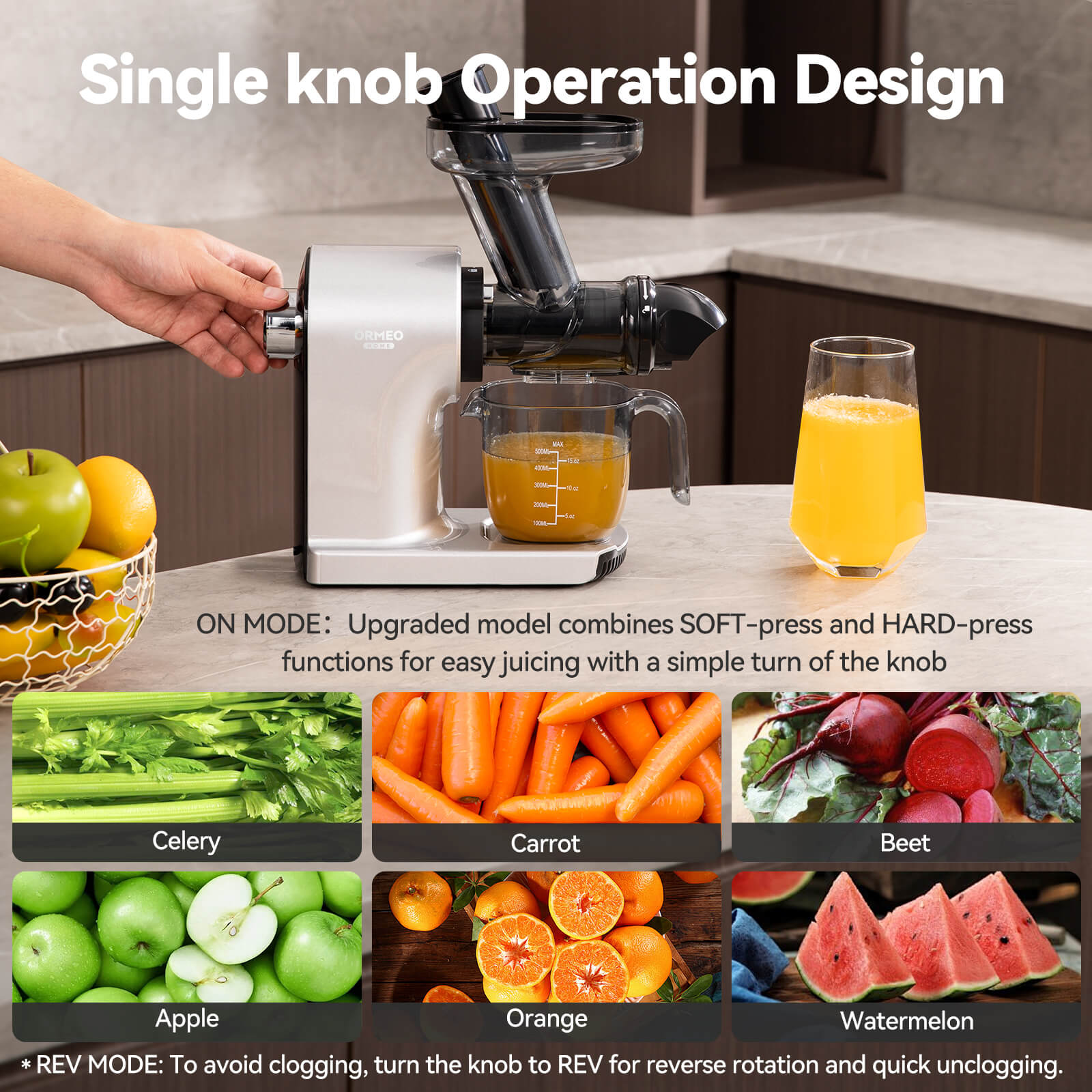
Masticating juicers, also called slow juicers, are particularly effective at juicing leafy greens and preserving nutrients. They use an auger to crush and squeeze fruits and vegetables, which gets the juice out better than centrifugal juicers. They work especially well for juicing leafy greens, wheatgrass, and other kind of tough vegetables, giving you more juice and a drier pulp. The slow juicing process keeps the juice cooler and less oxidized, which means it keeps more of its vitamins, minerals, antioxidants and so on. Masticating juicers are usually more expensive than the centrifugal ones, because they can make better juice and can be used for a wider range of fruits and vegetables. They are a good investment for people who are serious about drinking fruit and vegetable juice or who likes to juice more vegetables.
Hydraulic Cold Press
Hydraulic cold press juicers offer the highest juice yield and nutrient retention. These juicers first turn the fruits and vegetables into a pulp, and then they use a lot of pressure to get the juice out. The cold-press method keeps the enzymes, vitamins, and minerals safe by reducing heat and oxidation. Hydraulic cold press juicers are very effective at getting every last drop of juice out of vegetables, which makes a juice that is full of nutrients and tastes great. They are the most expensive type of juicer, but they are also the best at making juice and getting the most health benefits from it. They are also great for making celery juice.














Share:
How to Make Fresh Cranberries Juice? Cranberry Compostion, Antioxidant and Impact on Human Health
Ginger Turmeric Shot Recipe: Quick Wellness Boost