

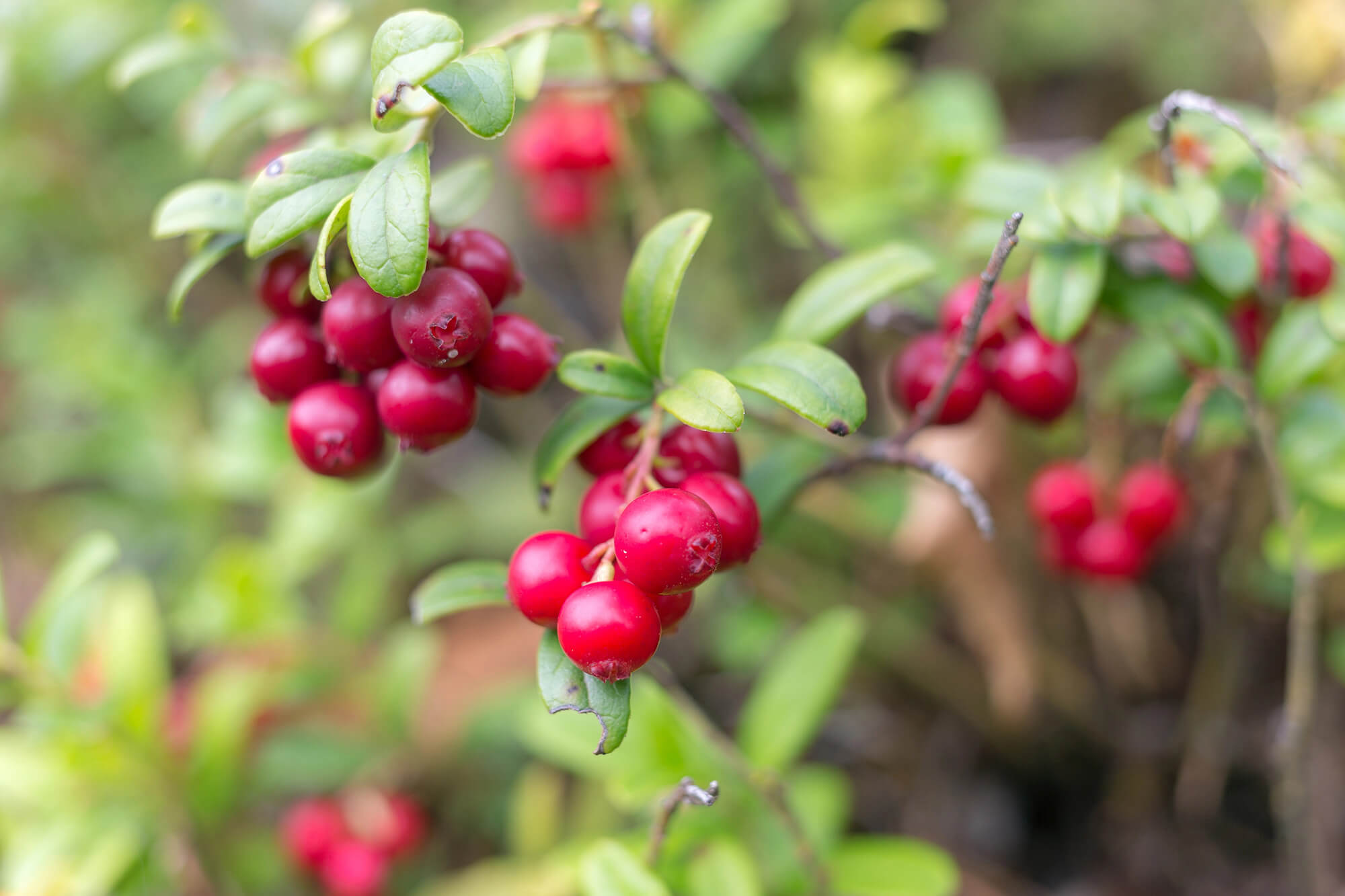
How to Make Fresh Cranberries Juice? Cranberry Composition, Antioxidant and Impact on Human Health
This guide will walk you through everything you need to know about cranberries, their health benefits, and how to make fresh cranberry juice. From the chemical constituents that make cranberries so unique to a simple cranberry juice recipe, we'll cover it all. Whether you're looking to boost your immune system, prevent UTIs, or simply enjoy a delicious and healthy drink, cranberries are a fantastic choice.
How Much do You Know about Cranberry Fruit?
In North America, the ‘large’ cranberry is referred to as Vaccinium macrocarpon, and is cultivated in the northern parts of the country. It is mainly produced in New Jersey, Massachusetts, Oregon, Washington, Wisconsin and, in the Canadian provinces of British Columbia and Quebec [1,2,3]. They are also grown for trade purposes in Chile [2]. The ‘large’ cranberry is also present in the commercial farms of Europe such as in Germany, Belarus, Latvia, Lithuania and Russia [3].
The ‘small’ cranberry, also called Vaccinium oxycoccus, is harvested in the wild and present in Ireland, the British Isles and Scandinavia, eastern and central Europe, Finland and Germany, the Balkan countries, and Siberia and Japan [2,3,4]. It is sold in the markets of the Baltic states, Finland, Poland, Ukraine, and Russia [2,3].
Ripening of ‘large cranberry’ cultivars begins near the end of summer to the beginning of September and continues through October in the U.S. and Canada [3,5]. The ‘small cranberries’ ripen from late August through September and can be under the snow until spring [3]. The ‘small cranberry’ has more tolerance to cold than the ‘large cranberry’ [3]. Only about 5% of cranberries produced in the U.S. are sold fresh and the remaining 95% are processed into products such as juices, sauce, and dried fruits because of their tart flavor [1,3,6,7]. Americans consume an estimated 400 million pounds of cranberries per year, 20% of them during the holidays. The U.S. per capita consumption of cranberries is 2.3 pounds, primarily as juice or juice blends [6].
Chemical Constituents of Cranberry Fruit
Raw, unsweetened American cranberries contain mainly 87% water and 12% carbohydrates, with lesser amounts of protein, fats and fiber (Table 1) [11]. Cranberries are the rich source of various chemical constituents that contribute to their unique flavor and health benefits. These small red berries contain a variety of organic acids, including the citric acid, which gives them the characteristic acidity. Additionally, cranberries are a good source of vitamins and minerals, particularly vitamin C, which is known for its antioxidant properties and its role in supporting the immune system. The extract from the cranberry fruit contains various compounds that scientists continue to study.
Antioxidant Activity of Cranberry Fruit
Cranberry fruit is an important source of antioxidants, such as polyphenols (flavonoids, phenolic acids, anthocyanins, tannins), ascorbic acid, and triterpene compounds [9,10]. They scavenge free radicals, unpaired electrons in their outer orbit and may remove reactive oxygen species that oxidize biological matter [9,10,17]. Oxidative stress, extreme amounts of free oxygen radicals in the biological fluids in the human body can cause many diseases [9,10,28]. Antioxidant compounds can prevent or reduce oxidative damage to cell structure. Antioxidant activity is influenced by cultivar, genotype, growing season, ripening, processing and storage of cranberry fruit [9]. Their role is critical to preventing the development of chronic diseases such as cardiovascular diseases, aging, diabetes, inflammation, cancer, etc. [9,10,22,29,30].
The antioxidant activity of cranberry fruit is one of the most celebrated attributes. Cranberries are the powerful source of antioxidants, which helps protect our body against the damage from free radicals. These antioxidants play a important role in preventing the cellular damage and can contribute to the prevention of chronic diseases, including cancer. By consuming cranberries, you're providing your body with valuable tools to combat oxidative stress and promote overall health. The antioxidant properties of cranberries are one of the many reasons to add them to your diet.
Effect of Cranberry Consumption on Human Health
The effect of cranberry consumption on human health is significant and widely studied. The benefits of cranberry juice are numerous. Furthermore, regular cranberry consumption has been linked to lower blood pressure and improved cholesterol levels. Some studies also suggest that cranberries may decrease the risk of certain types of cancer, making them a valuable addition to a healthy diet.
Cranberry helps treat cardiovascular diseases, improving the lipid profile, minimizing the likelihood of atherosclerosis by decreasing low density lipoproteins, reducing blood pressure and increasing high density lipoproteins (good) and preventing metabolic syndrome [66,67,68,69,70,71,72,73]. Cranberry consumption lowers the risk of type 2 diabetes [74]. It was found that PACs contained in cranberries prevent adherence of E. coli to uroepithelial cells in the urinary tract [44,45,56].
Conclusions of Cranberry Fruit
Cranberries represent a rich source of phenolic acids and flavonoids that have been linked to various health benefits. Cranberry fruit phytonutrients include anthocyanins, phenolic acids, flavonols, flavan-3-ols, proanthocyanidins, triterpenoids and their antioxidant activities. It has been shown that consumption of cranberry offers a reliable protection from and prevention of many chronic diseases. In general, cranberry fruit has cardioprotective, anti-carcinogenic, anti-diabetic, anti-inflammatory, antipyretic, antiseptic, antibacterial, antiviral, and other effects. All this information will potentially add to an already high level of interest toward cranberry cultivars and should certainly be incorporated as an integral part of healthy, nutritious eating, and at formulation of new functional food ingredients and dietary supplements.
Cranberries are very good for you and have a lot of health benefits. Cranberries are pretty good for your health and well-being, whether you drink them straight, mix them into a cocktail, or use them in a Thanksgiving sauce.
Can You Juice Cranberries in a Juicer?
Of course, you can absolutely juice cranberries in a juicer! Actually, using a juicer is one of the most efficient way to extract cranberry juice and also could get all the antioxidant benefits of this kind of fruit. A juicer will effectively separate the juice from the pulp, providing you with a fresh, potent liquid. It's a quick and easy way to make fresh cranberry juice at home. This method allows you to control the ingredients and sweetness, unlike store-bought cranberry juice that often contains added sugar or concentrate.
When using a juicer, it's beneficial to wash the fresh cranberries thoroughly before you start the process. Removing any stems or leaves will also help ensure a smoother juicing process. You can use any type of juicer, but a masticating juicer tends to extract more juice and leave behind a drier pulp. This means you get more juice from the same amount of cranberries. Remember, the intensity of the cranberry juice flavor can be quite tart, so you might want to add other fruits or a sweetener like agave to balance the acidity. The goal is to produce a healthy and flavorful cranberry juice that you can enjoy as part of your daily routine or as a refreshing drink during the holiday season.
Unsweetened Cranberry Juice Recipe
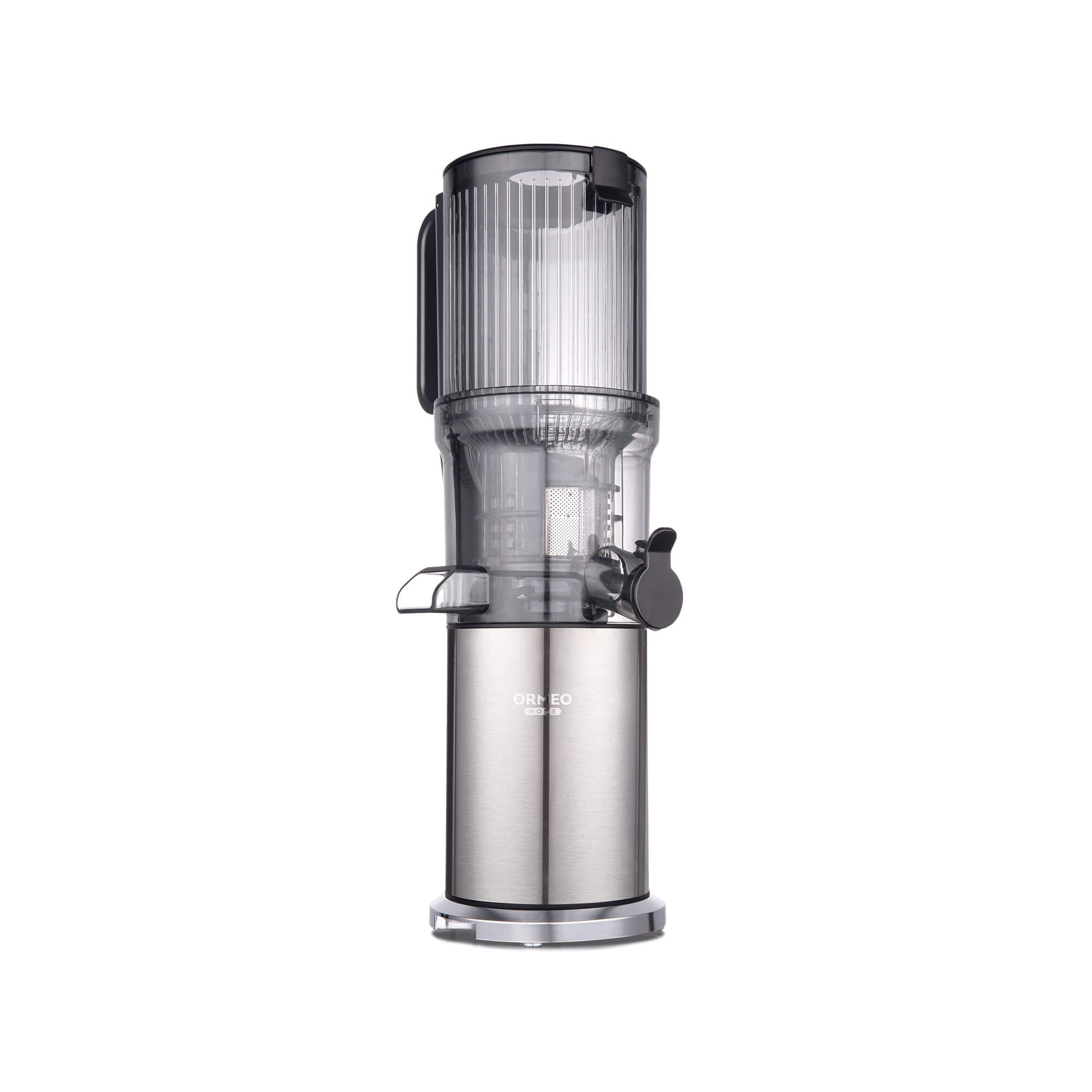
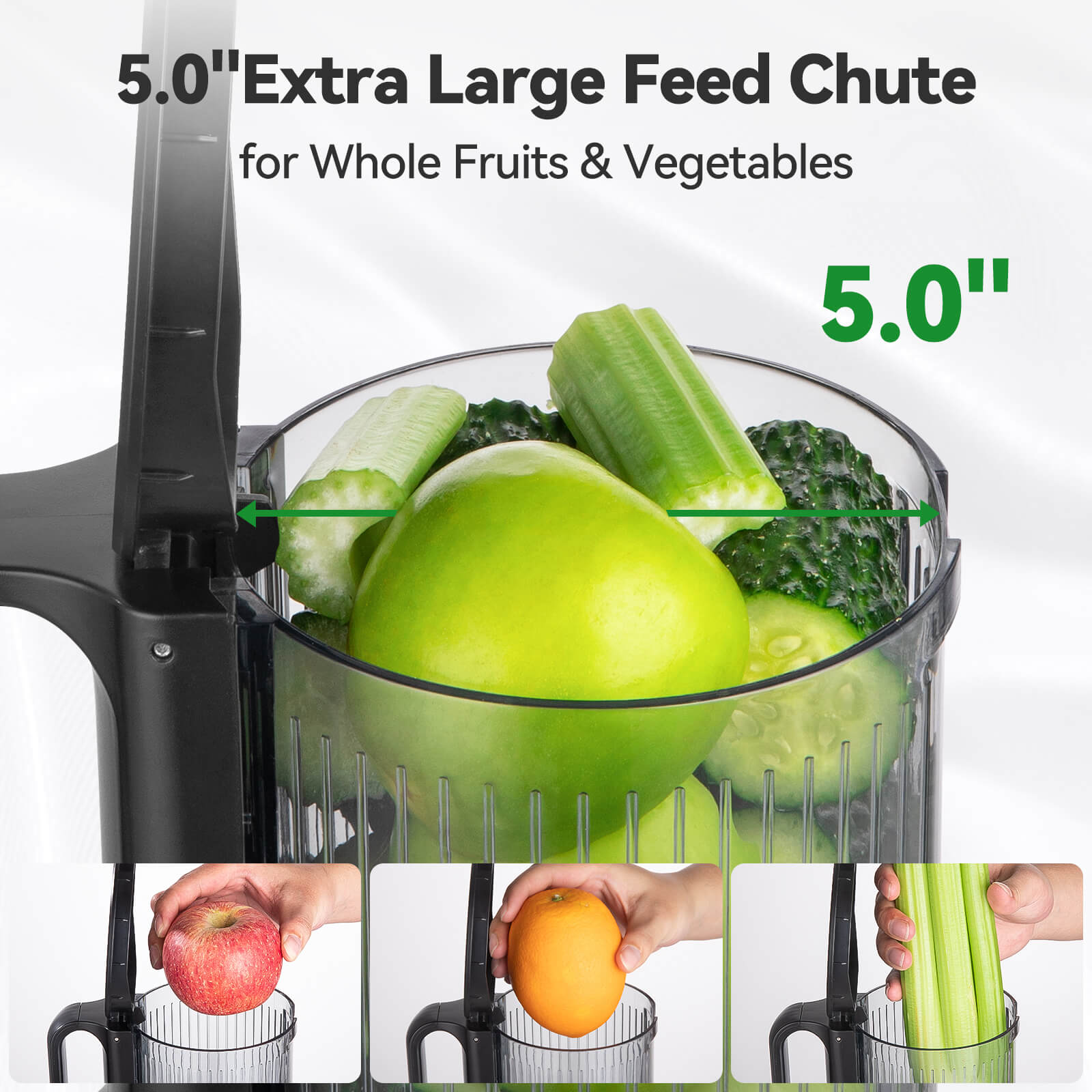
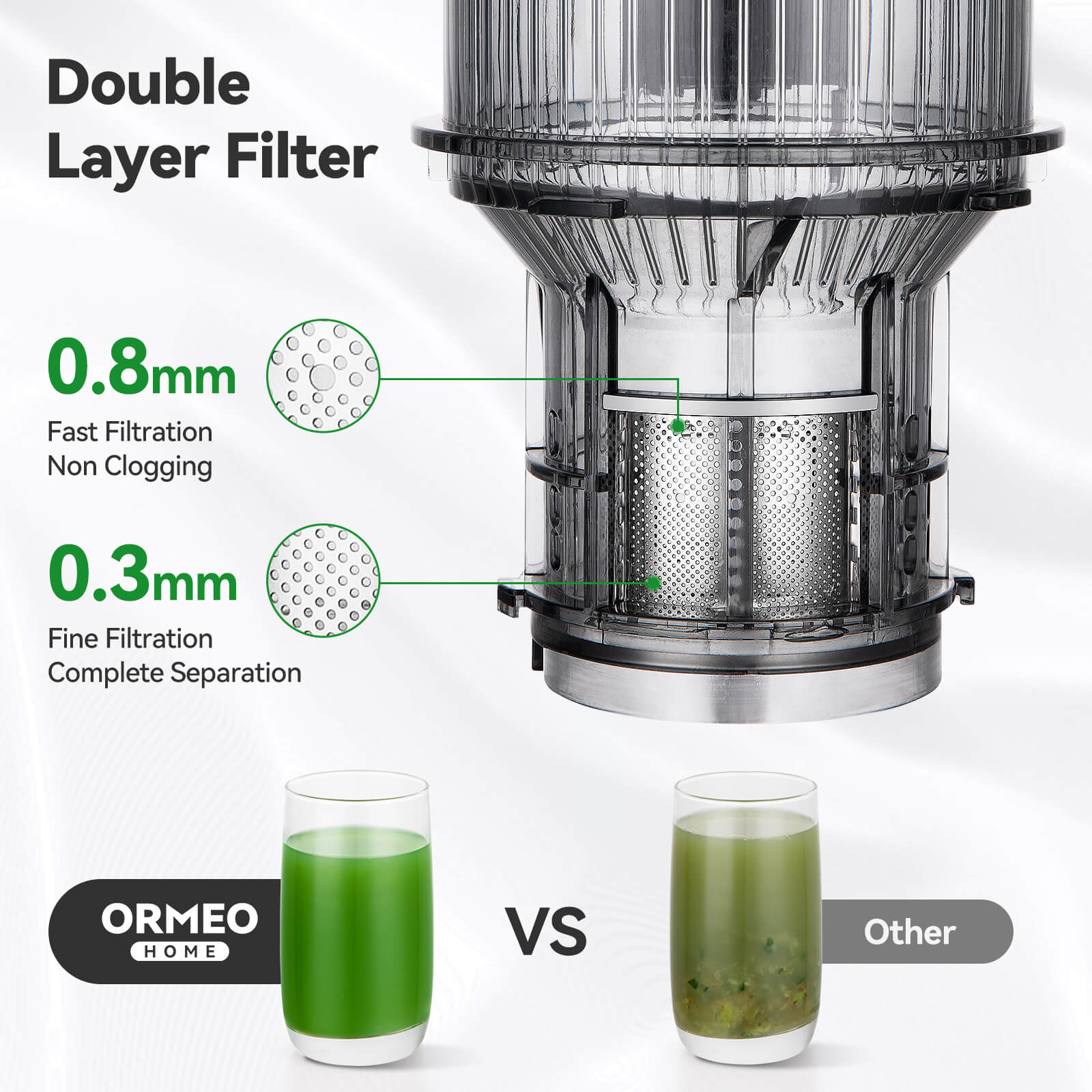
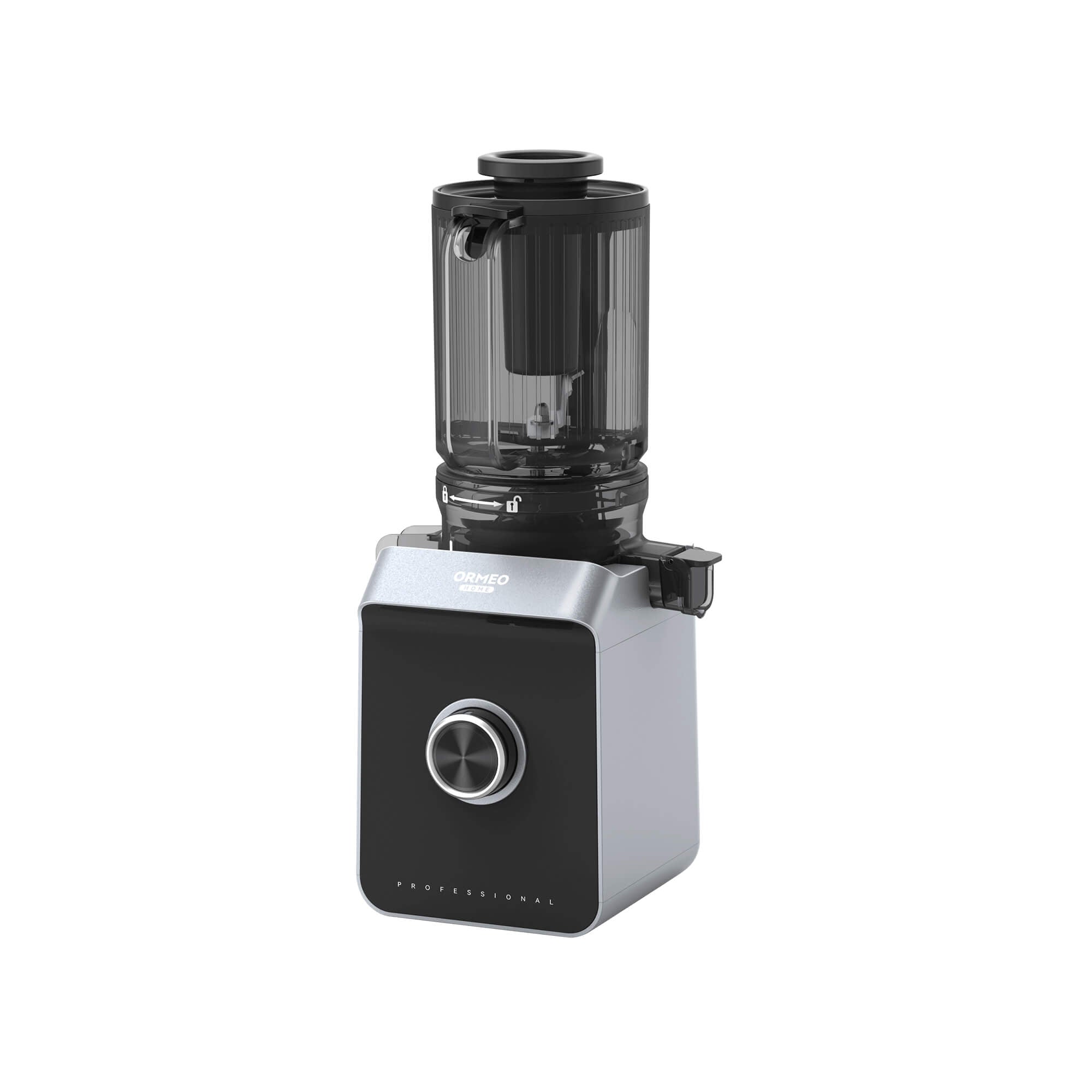
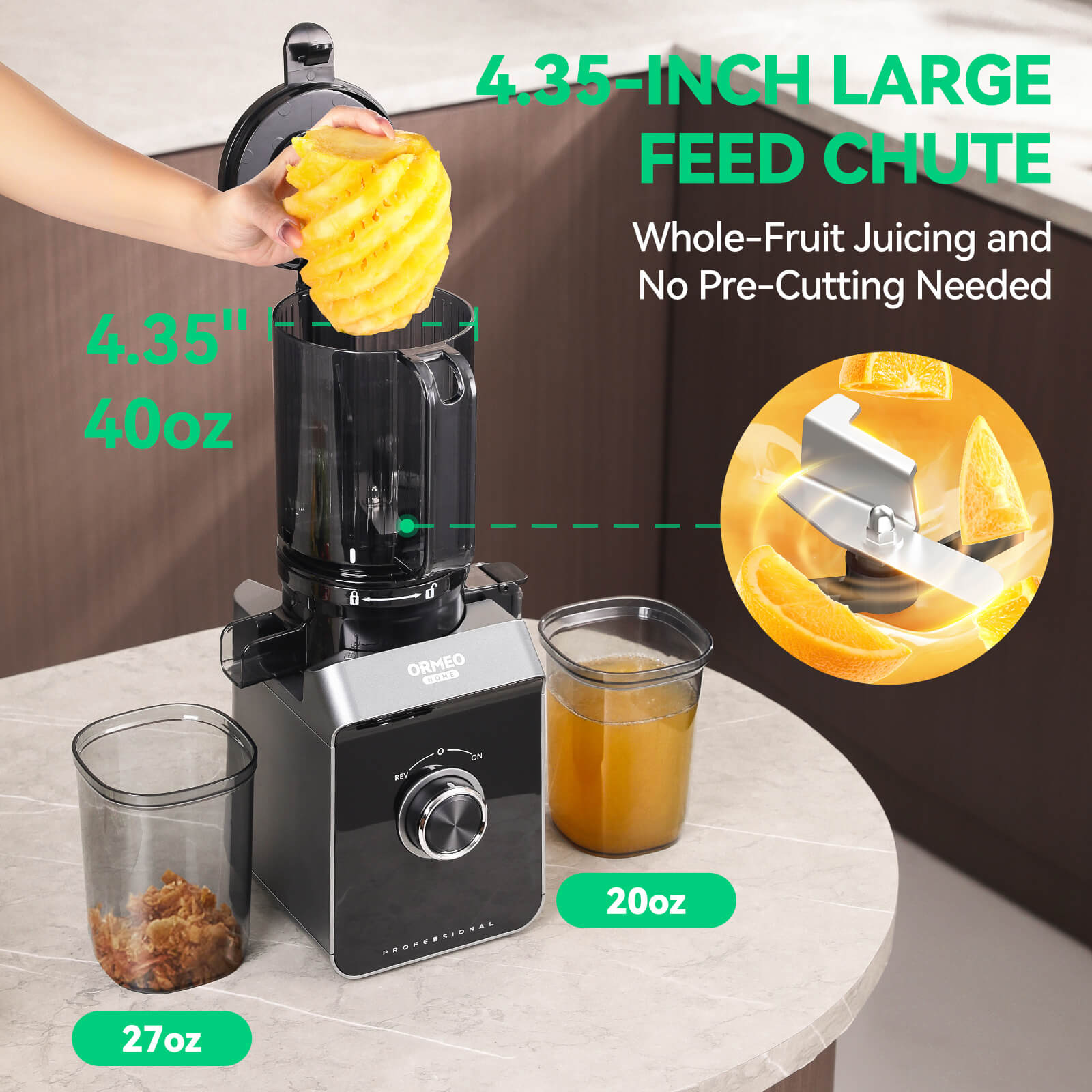
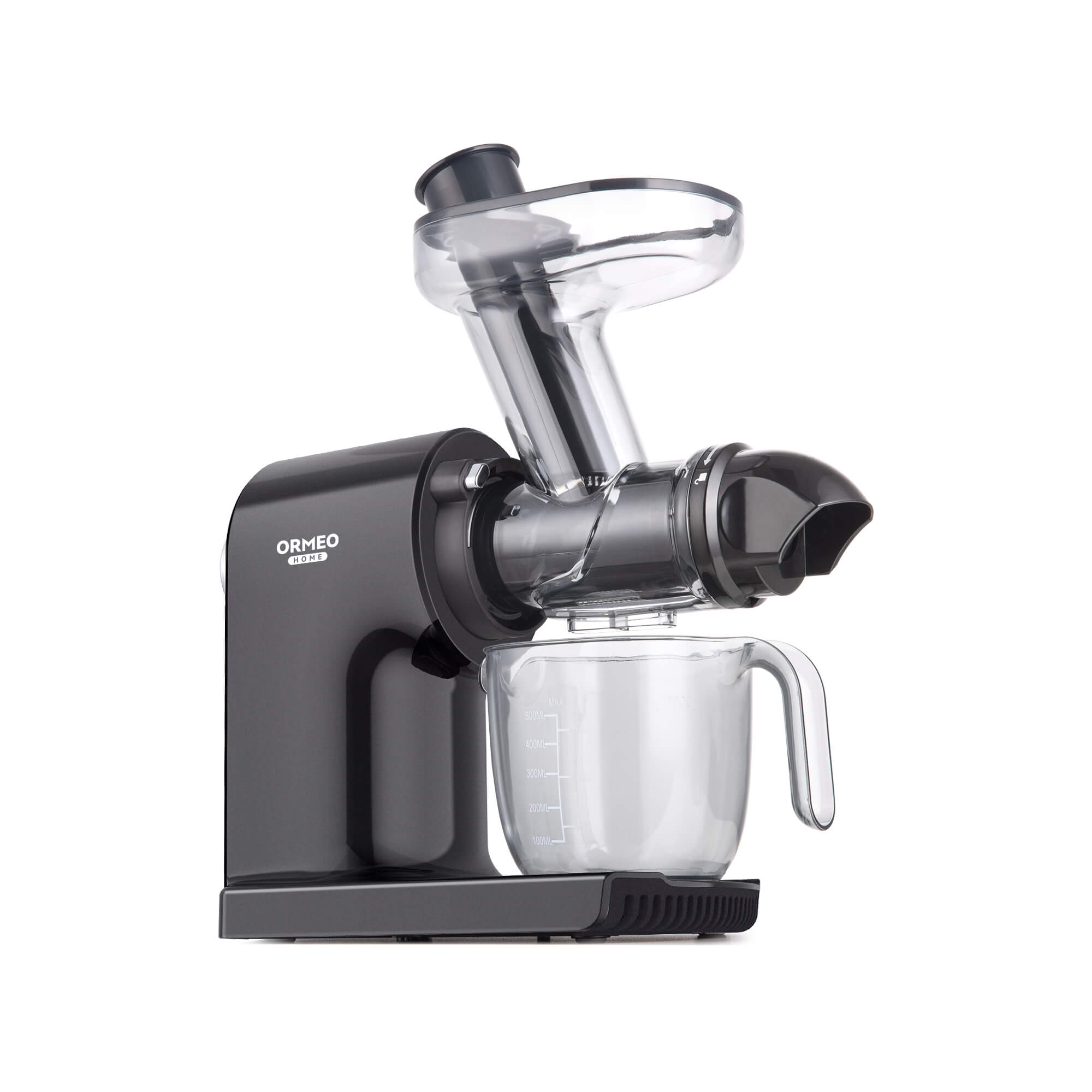
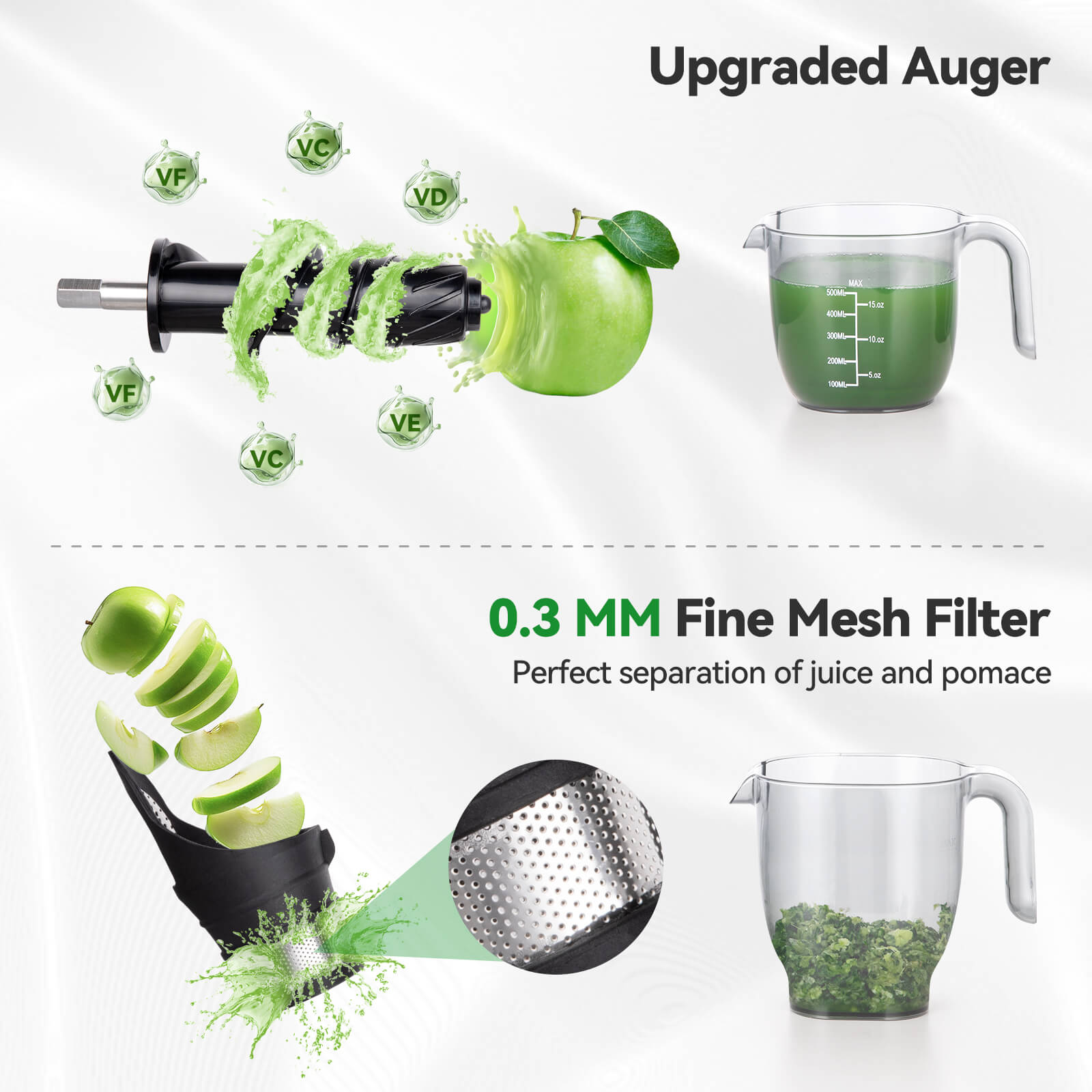
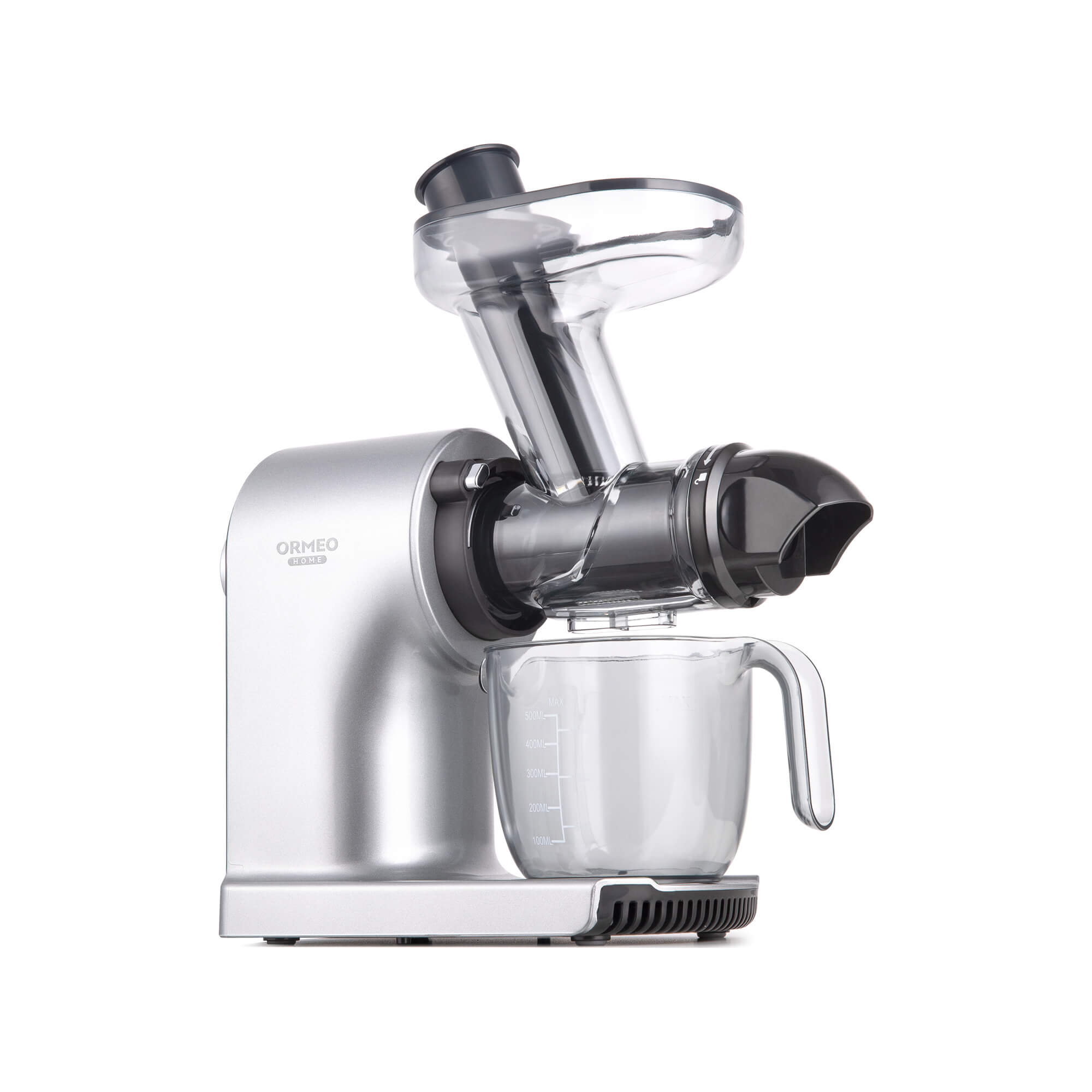
Let's start now, learn how to make fresh cranberry juice with your Ormeo Slow Juicer.
Ingredients
- 4 Cups of Cranberries
- 4 Cups of Apples (Or more depending on taste)
Steps
- Wash the juicing ingredients thoroughly.
- Add in the cranberries and apples consecutively.
- Periodically taste them for cranberry juice tends to be a little sour and bitter. To add sweetness, add more apples.
- Serve and enjoy!
Enjoy your homemade cranberry juice!


















Share:
What Best Juice to Drink When Sick? What energy elements are there in juice to boost immunity?
What are the Best Vegetables to Juice? Veggie Nutrient Decoder