

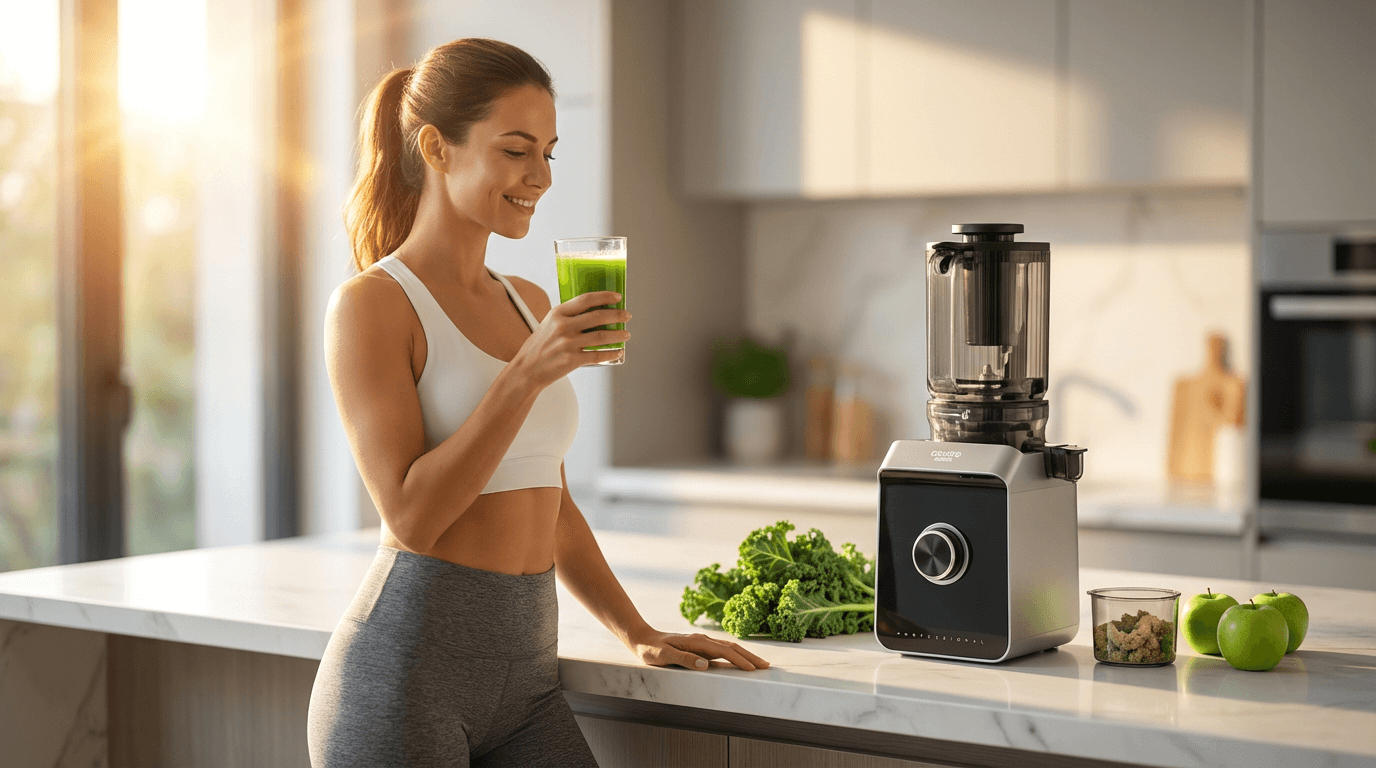
What Is Cold Pressed Juice? Is Cold Press Really the Superior Juice?
We’ve all been there. You walk into a trendy health food store, thirsty and looking for something refreshing. You pick up a vibrant, glowing green bottle, turn it over, and see the price tag: $12. For a single glass of juice. You pause. Is it liquid gold? No, it’s cold-pressed juice.
In recent years, cold-pressed juice has gained popularity not just among health fanatics, but everyday people looking to boost their intake of vitamins. But let’s cut through the marketing hype. What exactly is going on inside that bottle? Why is everyone obsessed with the benefits of cold-pressed drinks, and is the juice from fruits and vegetables extracted this way actually worth the premium?
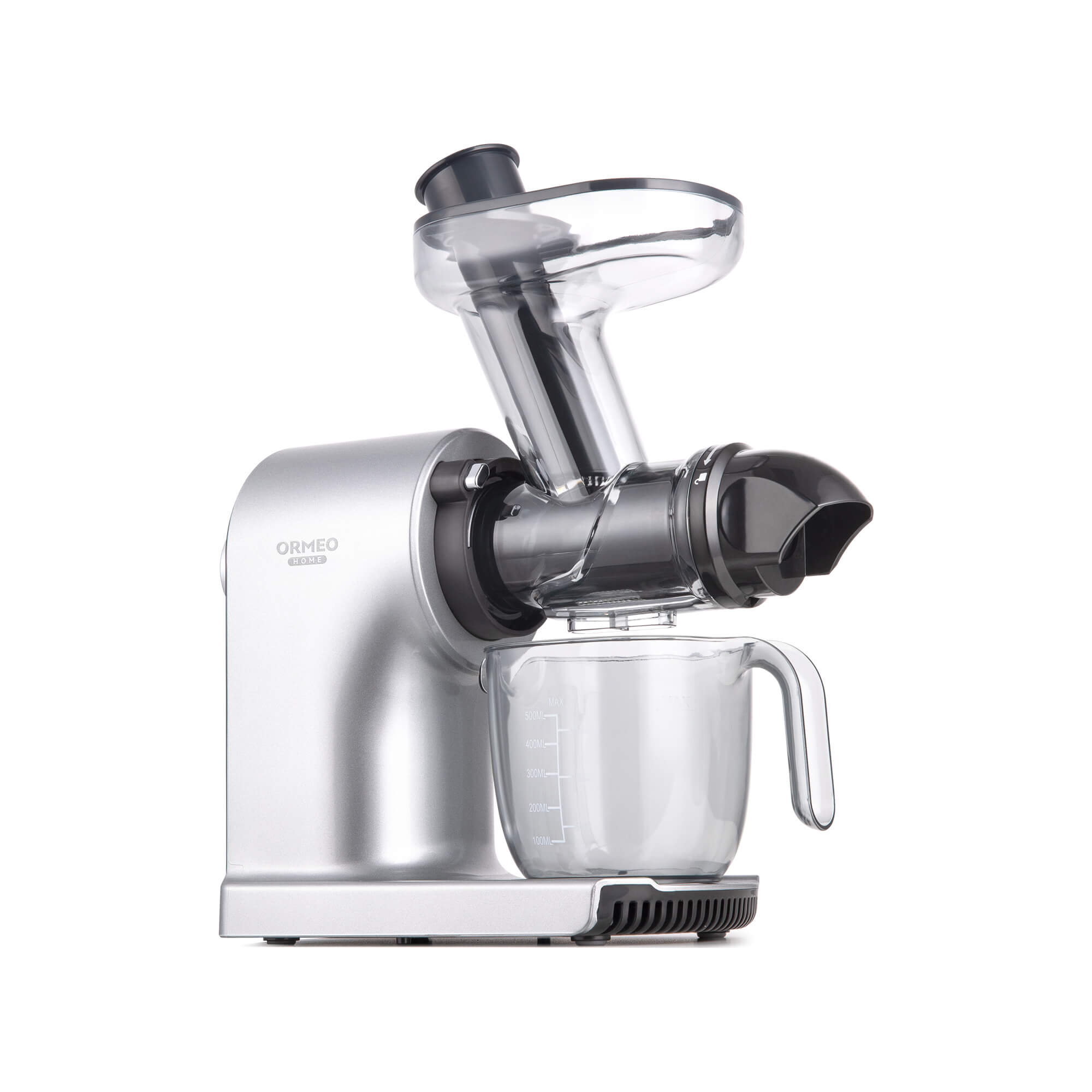
If you are tired of gritty, separated grocery store juice and are looking to upgrade your health routine, you need to understand the mechanics of the cold press. Let’s dive into the world of extraction, shelf life, and why the Ormeo 2311 Quiet Cold Press Juicer might just be the best investment for your kitchen counter.
The Science: How Cold Press Works
To understand the product, you have to understand the process. Cold-pressed juice is juice made by a specific method that respects the ingredient.
In the old days (and in cheaper juice bars), juicers use a centrifugal method. These centrifugal juicers employ a flat cutting blade spinning at thousands of RPM. It’s violent. It screams like a jet engine, and it shreds the fruits and vegetables. This high-speed friction creates heat and introduces a massive amount of air into the mix. In the juicing world, heat and air are the enemy. They cause oxidation—the same process that turns a sliced apple brown.
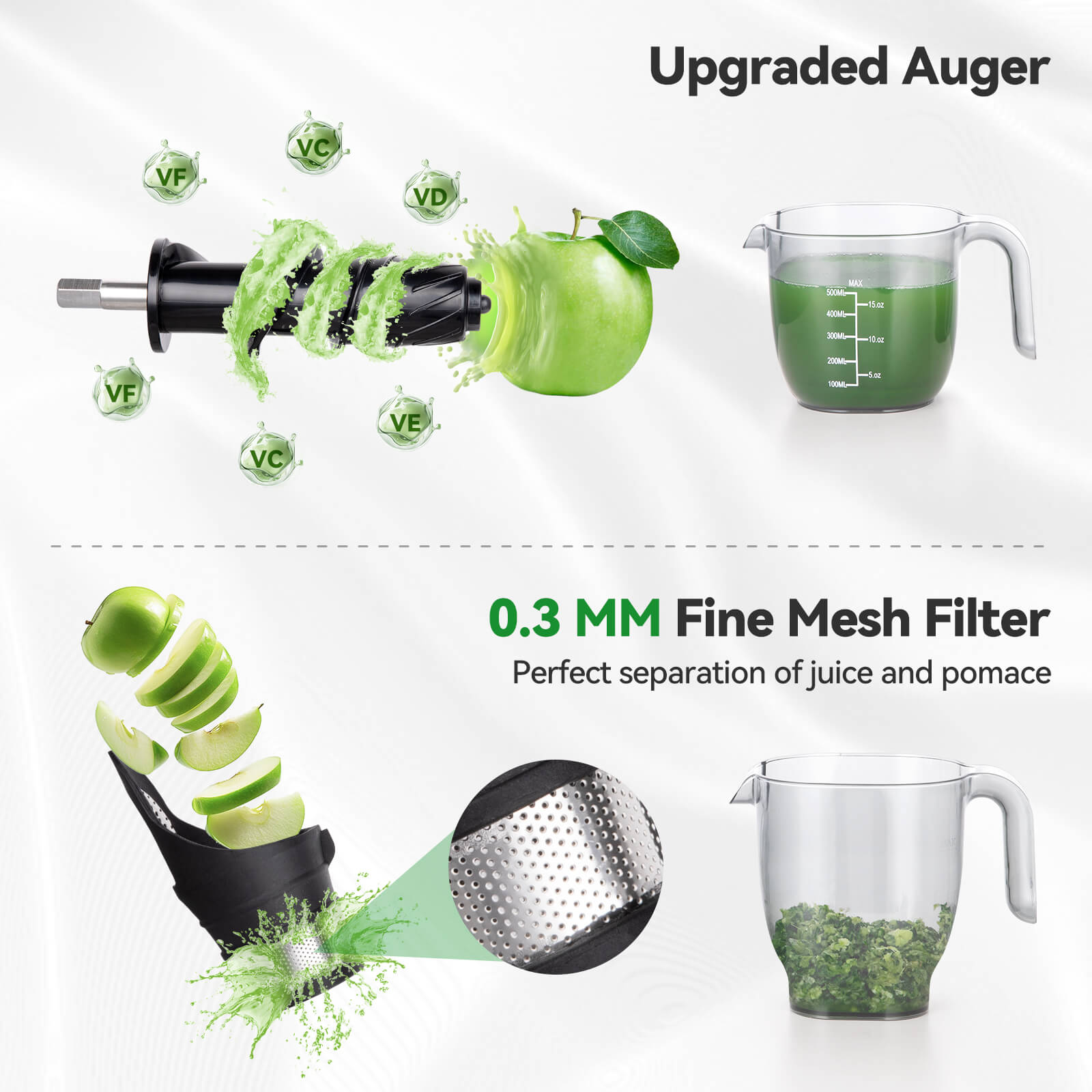
Cold press juicers, however, operate on a different philosophy. They are often called masticating juicers. The word "masticate" literally means to chew. These machines use a slow-turning gear (auger) or a hydraulic press to crush and grind the produce, and then squeeze the pulp to extract the juice.
When you are making cold-pressed juice, you are applying pounds of pressure to the plant fibers. This effectively bursts open the cell walls of the produce to extract every drop of liquid nutrients without cooking them. Because the absence of heat is the defining feature, the enzymes remain alive. This is why cold-pressed juice often tastes "brighter" and more complex than regular juice.
Unlocking the Nutritional Benefits of Cold-Pressed Juice
So, is it better for you? The short answer is yes. The nutritional benefits are the primary reason this type of juice commands such a high price.
When juicers generate heat, delicate compounds like Vitamin C and live enzymes begin to degrade immediately. By using a cold press juicer, you maximize the nutritional value.
1. Superior Nutrient Retention
The gentle action of extracting juice from fruits via a cold press ensures that the vitamins and minerals land in your glass, not the trash. Cold-pressed juices typically contain a higher density of antioxidants compared to centrifugal juicing.
2. Better Digestion and Energy
Because the fiber is removed (but the soluble nutrients remain), your body doesn’t have to work hard to digest the raw juice. This allows for a rapid flood of nutrients into the bloodstream, which is why many people feel an immediate energy "zing" after drinking a green juice made with an Ormeo 2311.
3. Fighting Inflammation
Many users drink cold-pressed juice specifically to lower inflammation. Ingredients like ginger, turmeric, and leafy greens, when processed through a cold-press, retain their potent anti-inflammatory compounds.
Cold Pressed vs. Centrifugal: A Tale of Two Juicers
If you want to juice at home, you have a choice to make.
Centrifugal Juicers:
- Pros: Fast, cheap.
- Cons: Loud, foamy juice, fast oxidation, wet pulp (wasteful), shorter shelf life. The juice is extracted violently.
Cold Press Juicers (like the Ormeo 2311):
- Pros: Quiet operation, maximum nutritional benefits, dry pulp (high yield), smooth texture, longer shelf life.
- Cons: Slower process (but worth the wait).
When compared to traditional juicing methods, the difference is visible. Pour a glass from a centrifugal machine, and within 10 minutes, the water separates from the sediment. Pour a glass from the Ormeo 2311 Quiet Cold Press Juicer, and it stays fresh, vibrant, and consistent.
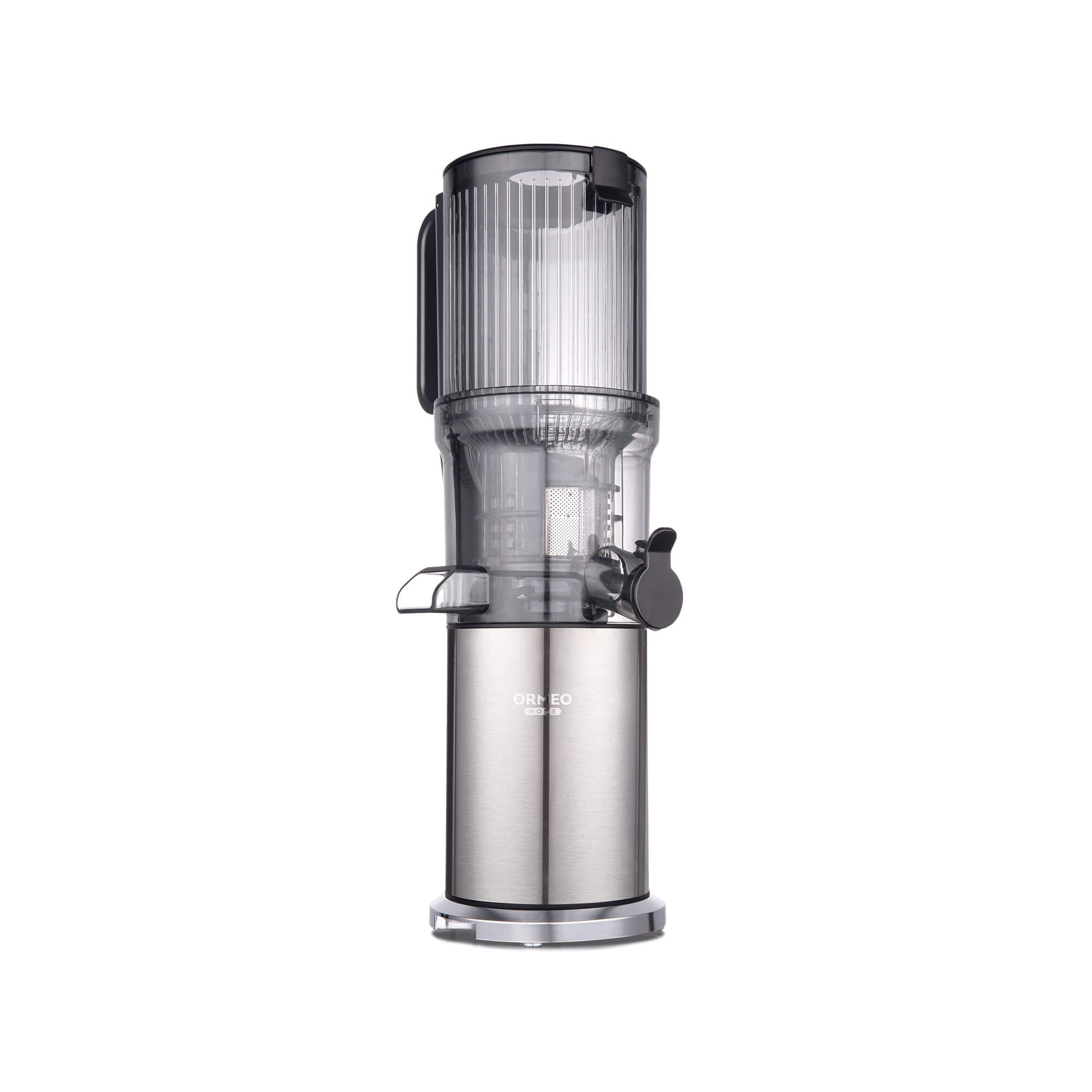
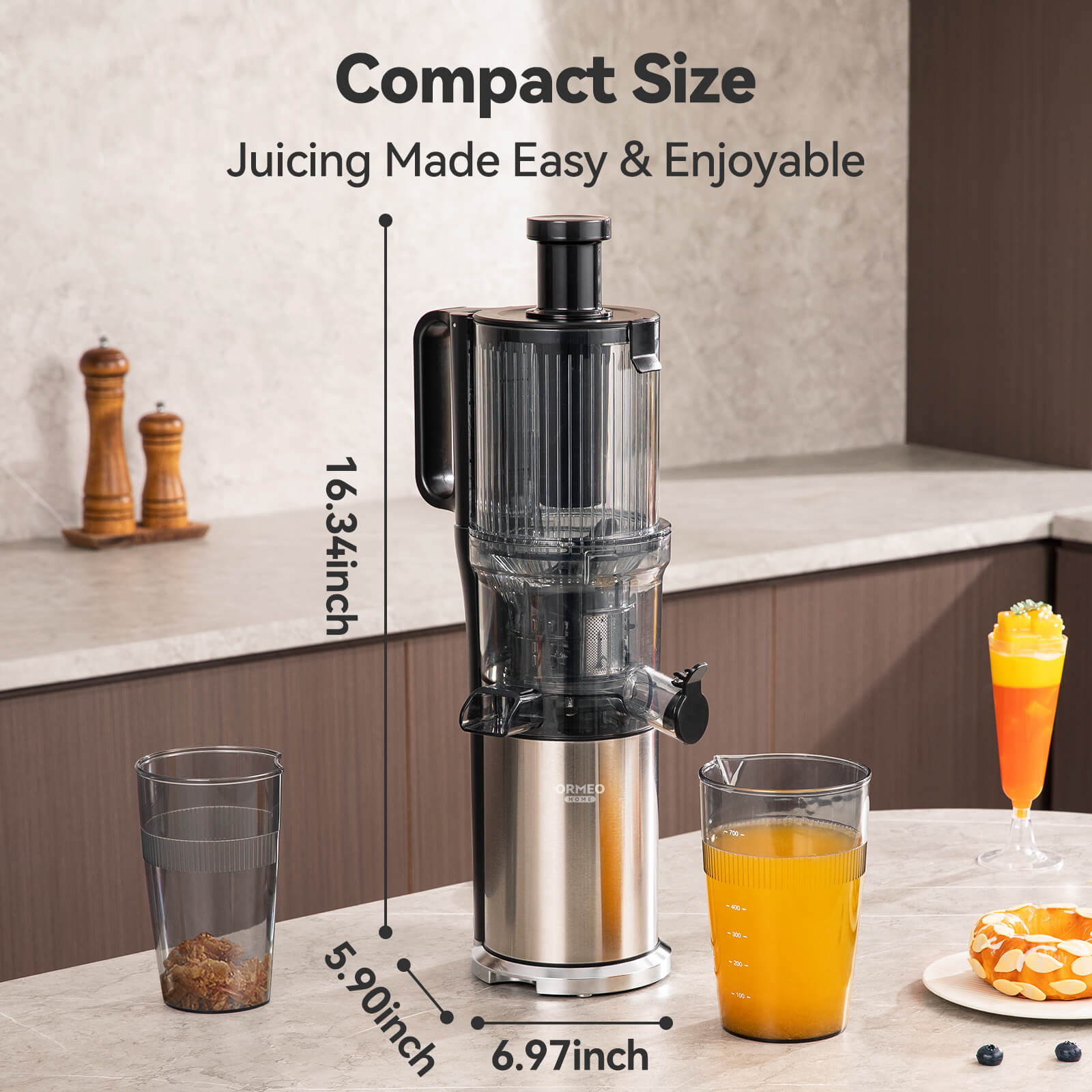
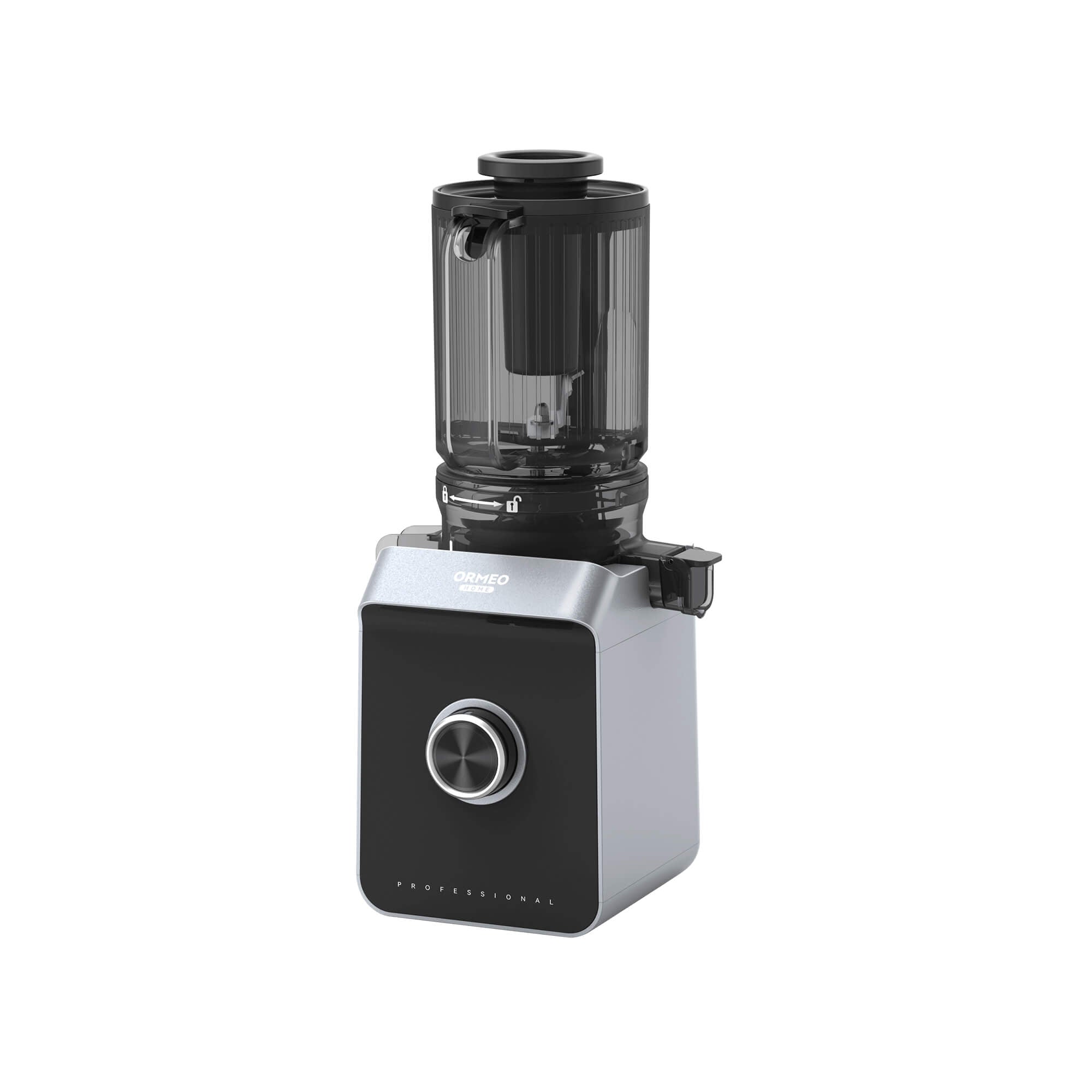
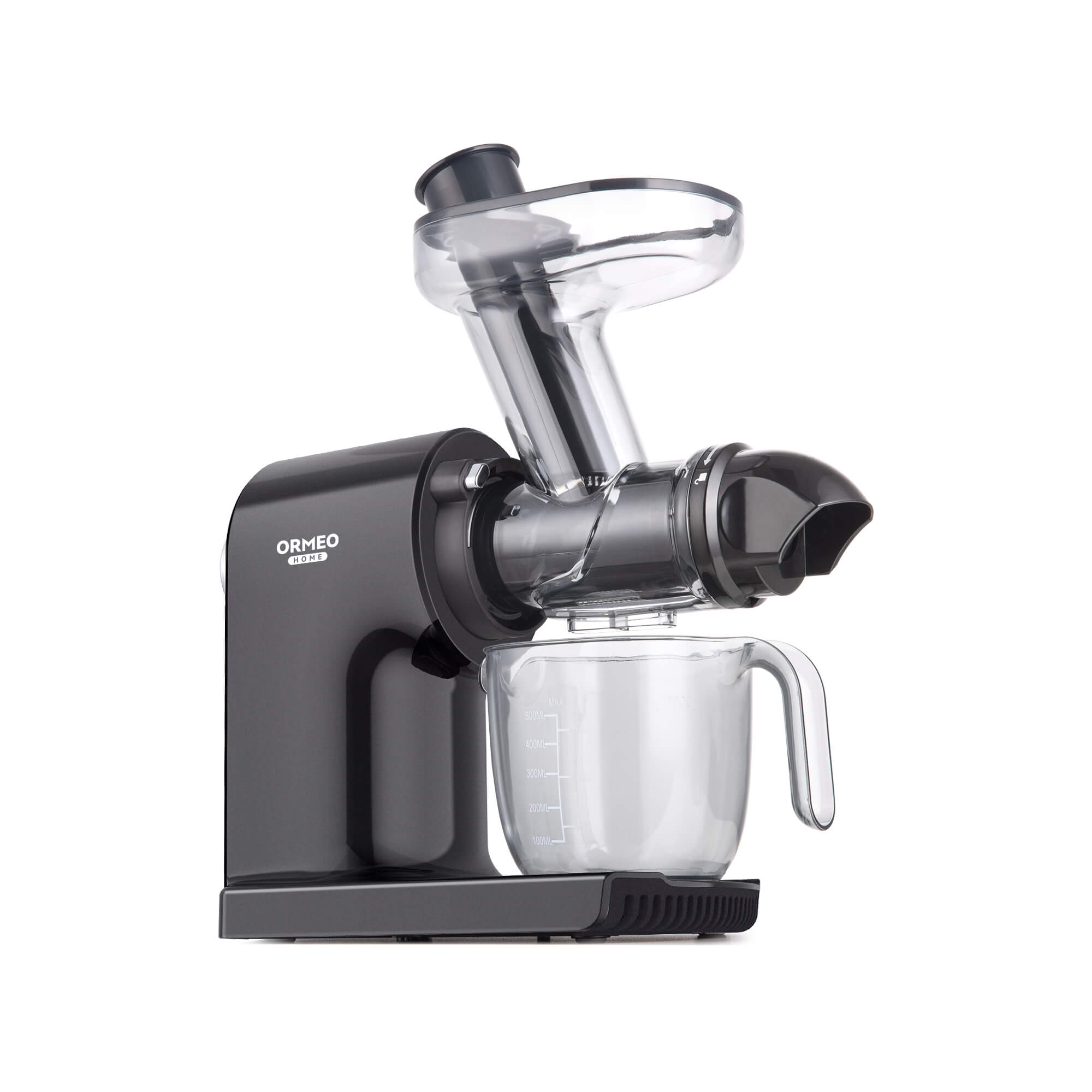
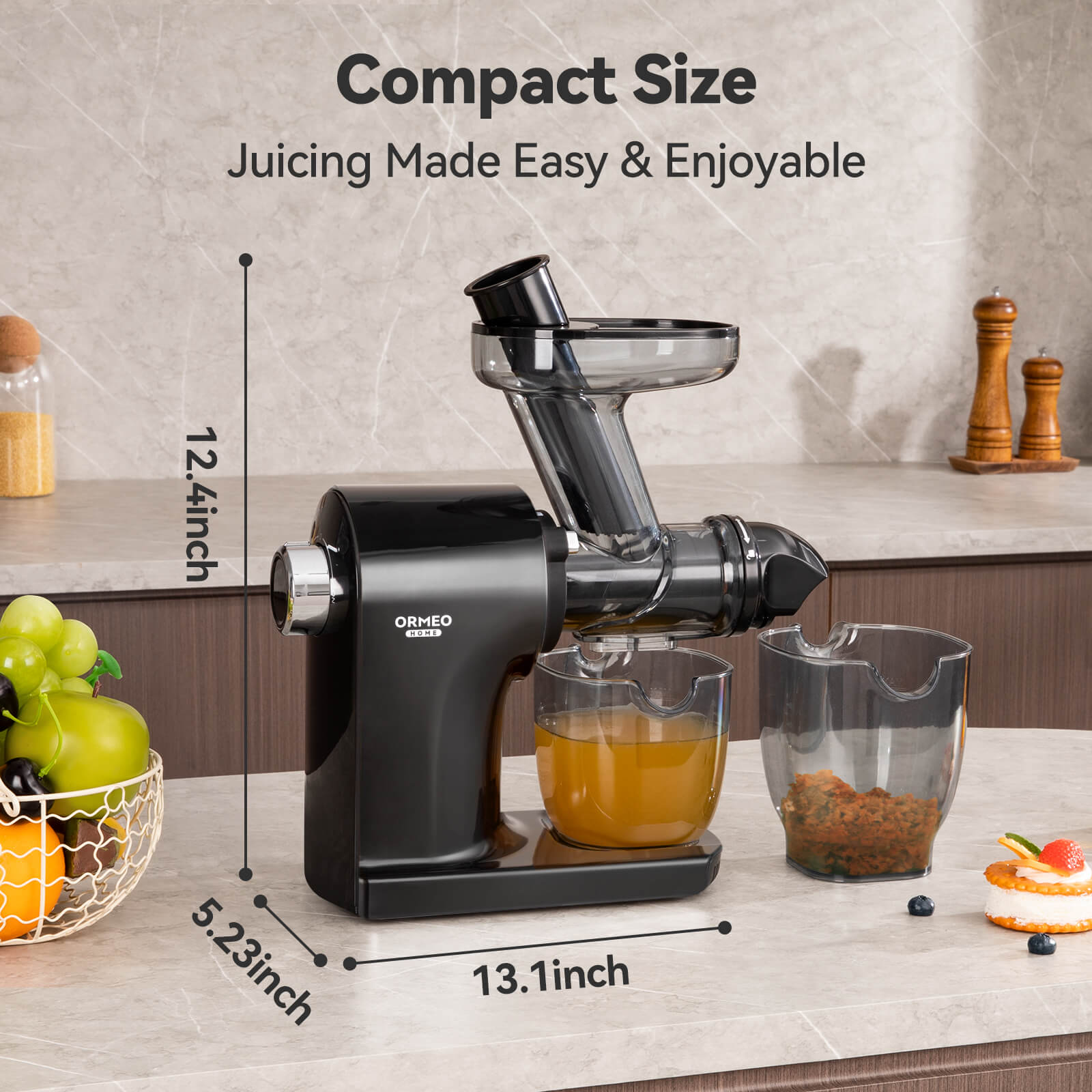
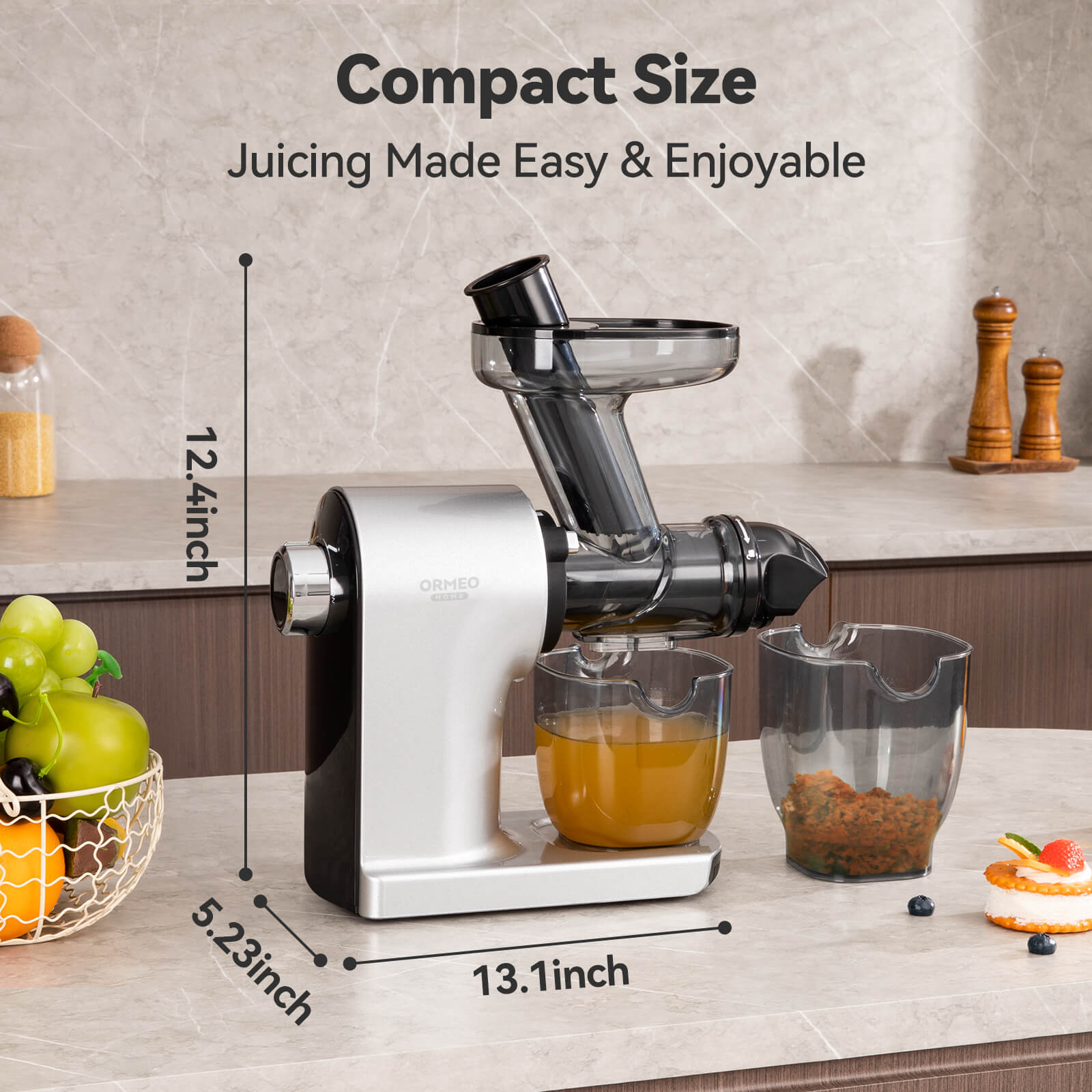
We specifically recommend the Ormeo 2311 Quiet Cold Press Juicer because it tackles the biggest hurdle of juicing: the noise and the mess. It’s designed to gently masticate the produce, ensuring you get the best cold-pressed juice possible without waking up the whole house.
The Truth About Shelf Life of Cold-Pressed Juice
One of the most confusing aspects for consumers is the shelf life. How long does it last?
Raw Juice (Home Made): If you make fresh juice at home with your Ormeo cold press, it is truly raw. It is alive with enzymes. Because of the slow oxidation rate of the cold-press method, you can store this juice in an airtight jar in the fridge for up to 72 hours (3 days). This is significantly longer than centrifugal juice, which goes bad in under 24 hours.
Store-Bought (HPP): You might see cold-pressed juice at the grocery store with a 30-day expiration date. How is that possible? This juice must undergo a process called High-Pressure Processing (HPP).
HPP means putting sealed bottles in water and putting them under a lot of pressure (thousands of pounds). This pressure kills germs (like salmonella) and keeps food fresh without using heat. Some purists say that raw juice straight from the juicer is better than HPP because HPP might change some enzymatic activity.
However, for food safety, HPP is necessary for commercial brands. But for the ultimate health benefits, nothing beats making it fresh in your kitchen.
Why Choose the Ormeo 2311 for Your Daily Routine?
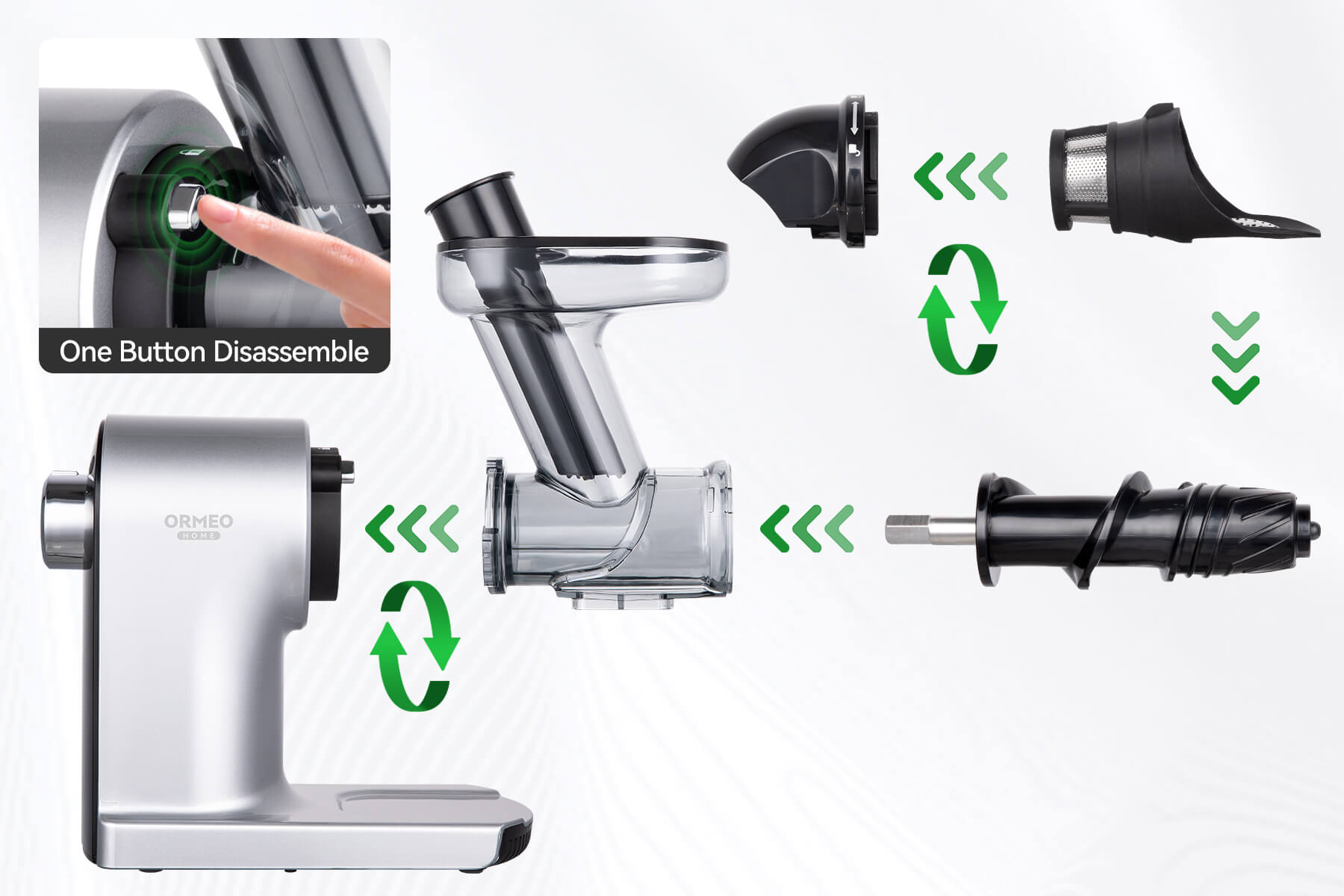
We know that creating cold-pressed habits can be hard. If the machine is a pain to clean or jams constantly, you won't use it.
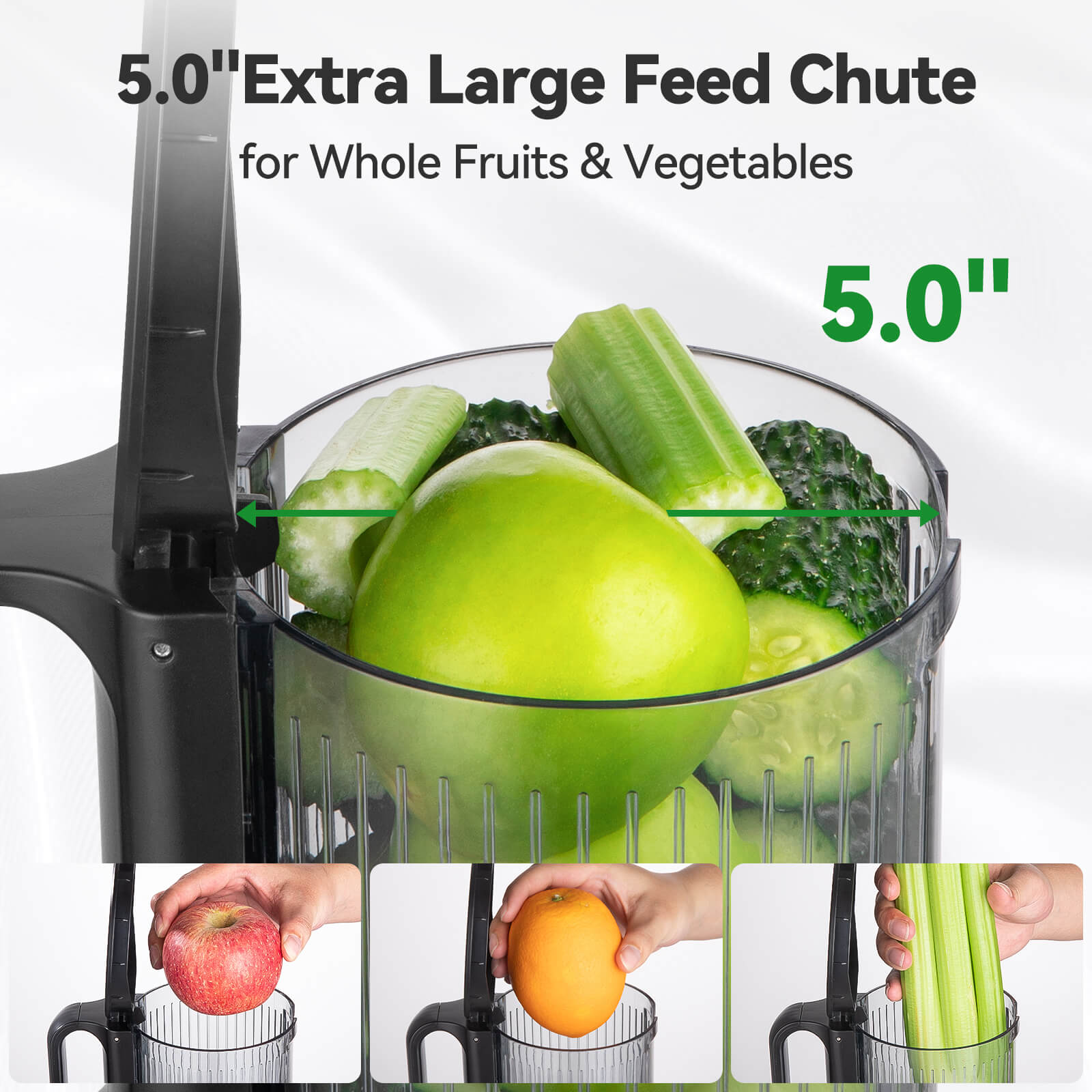
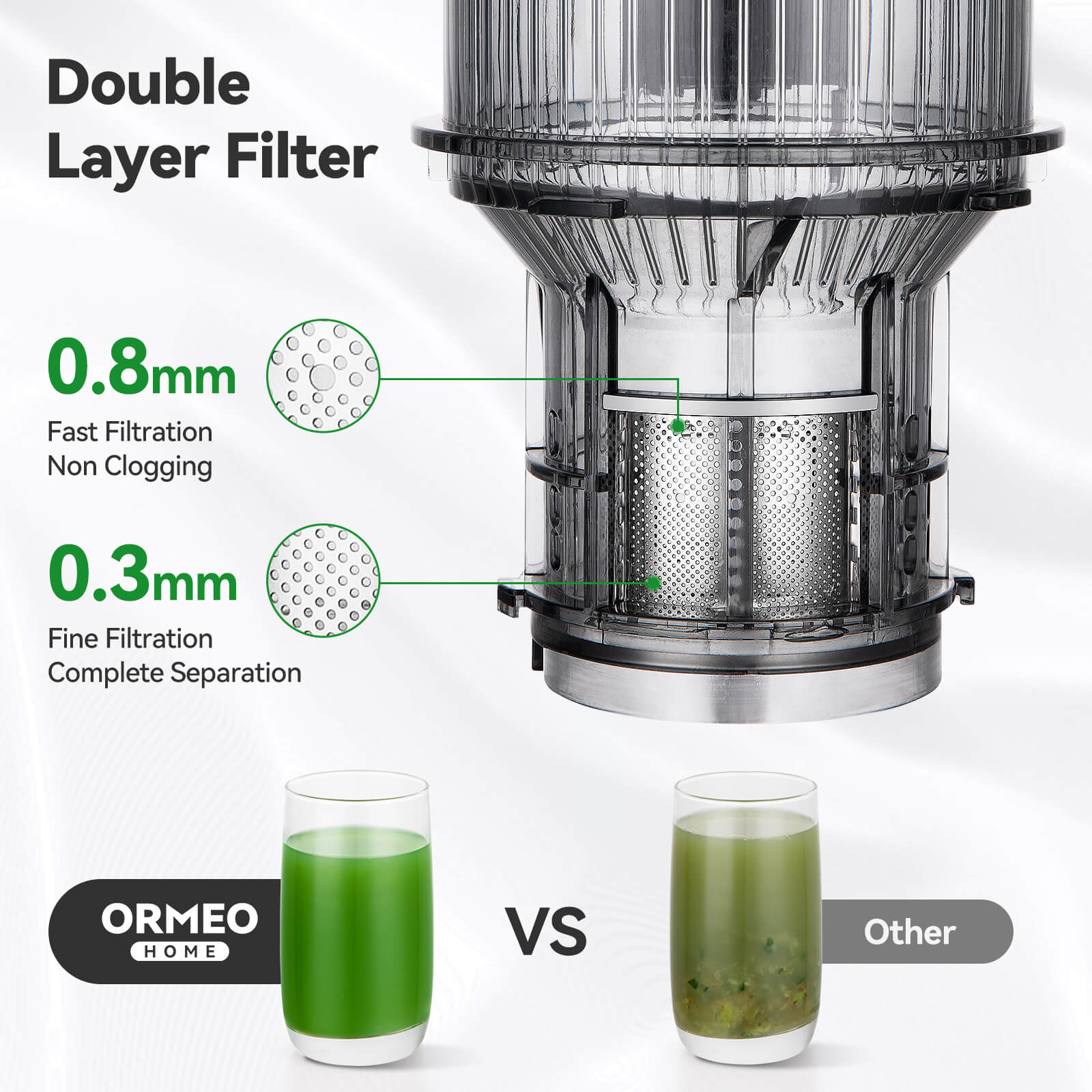
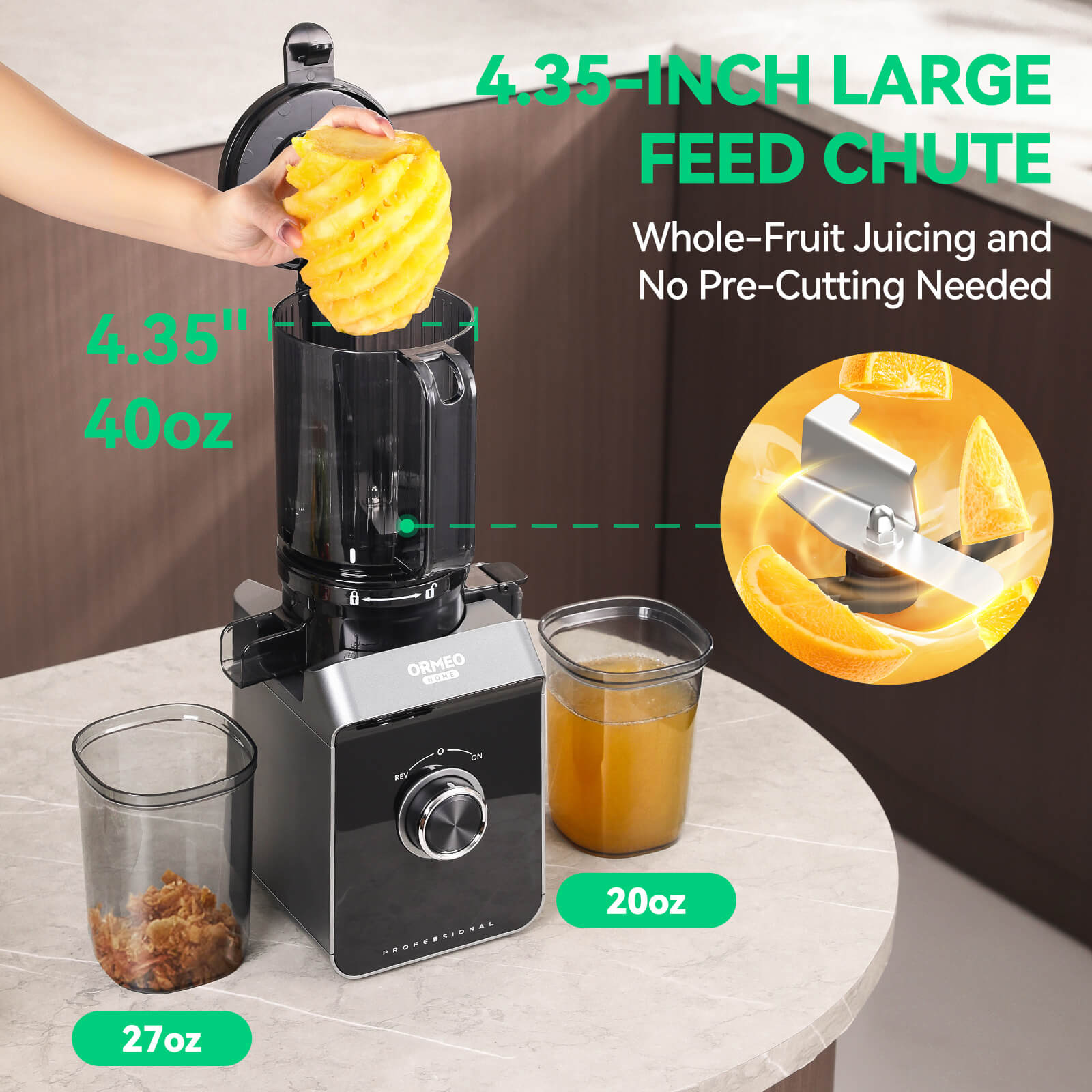
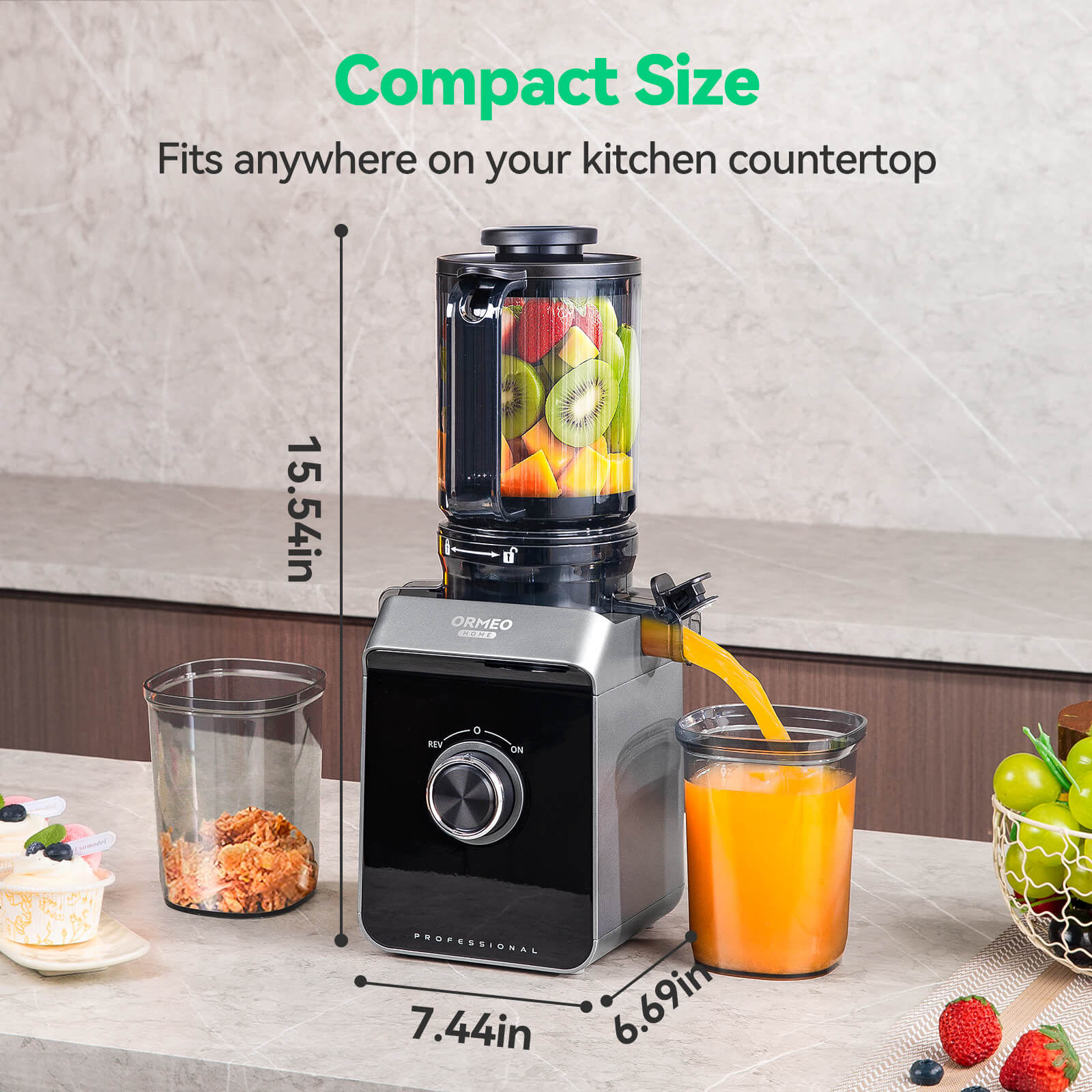
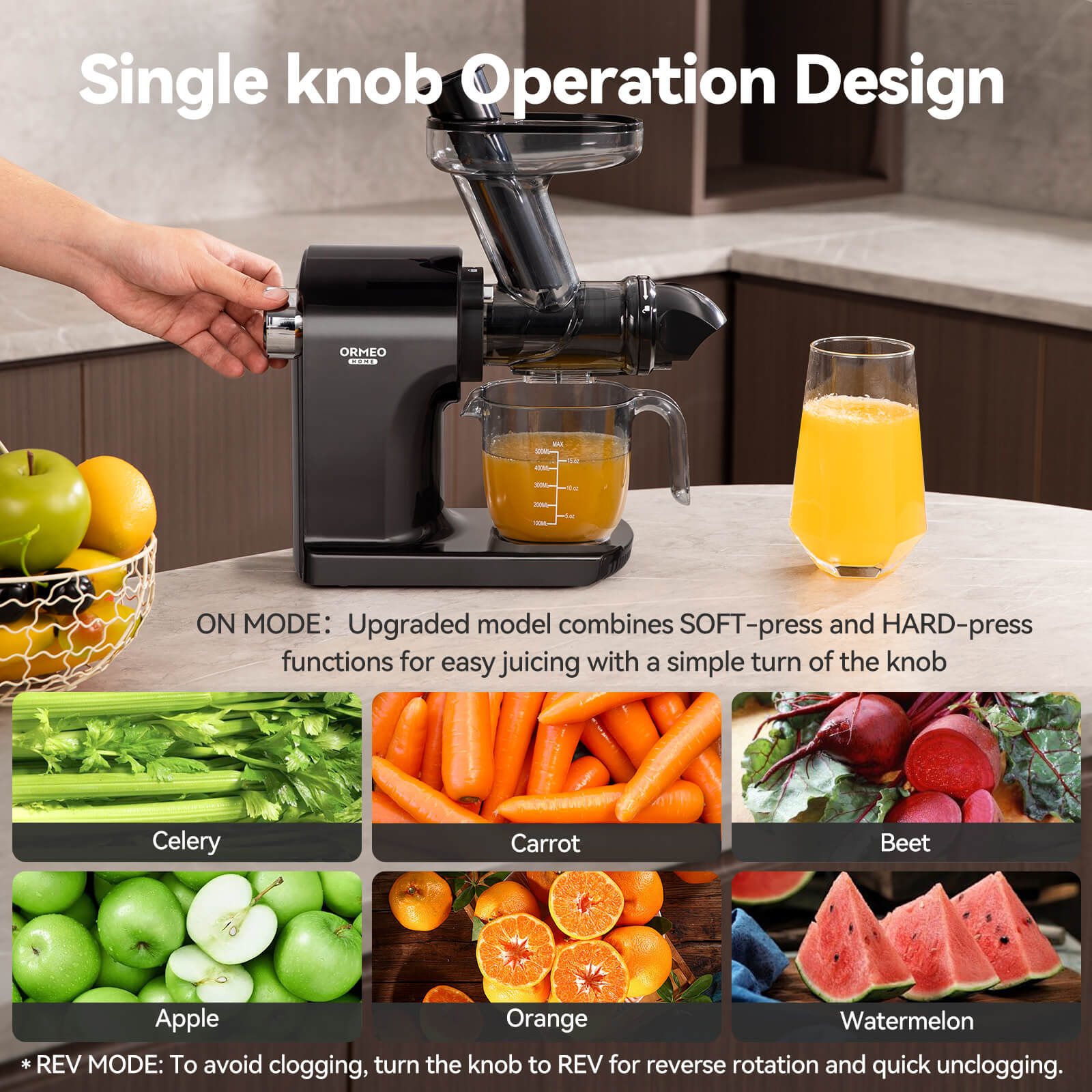
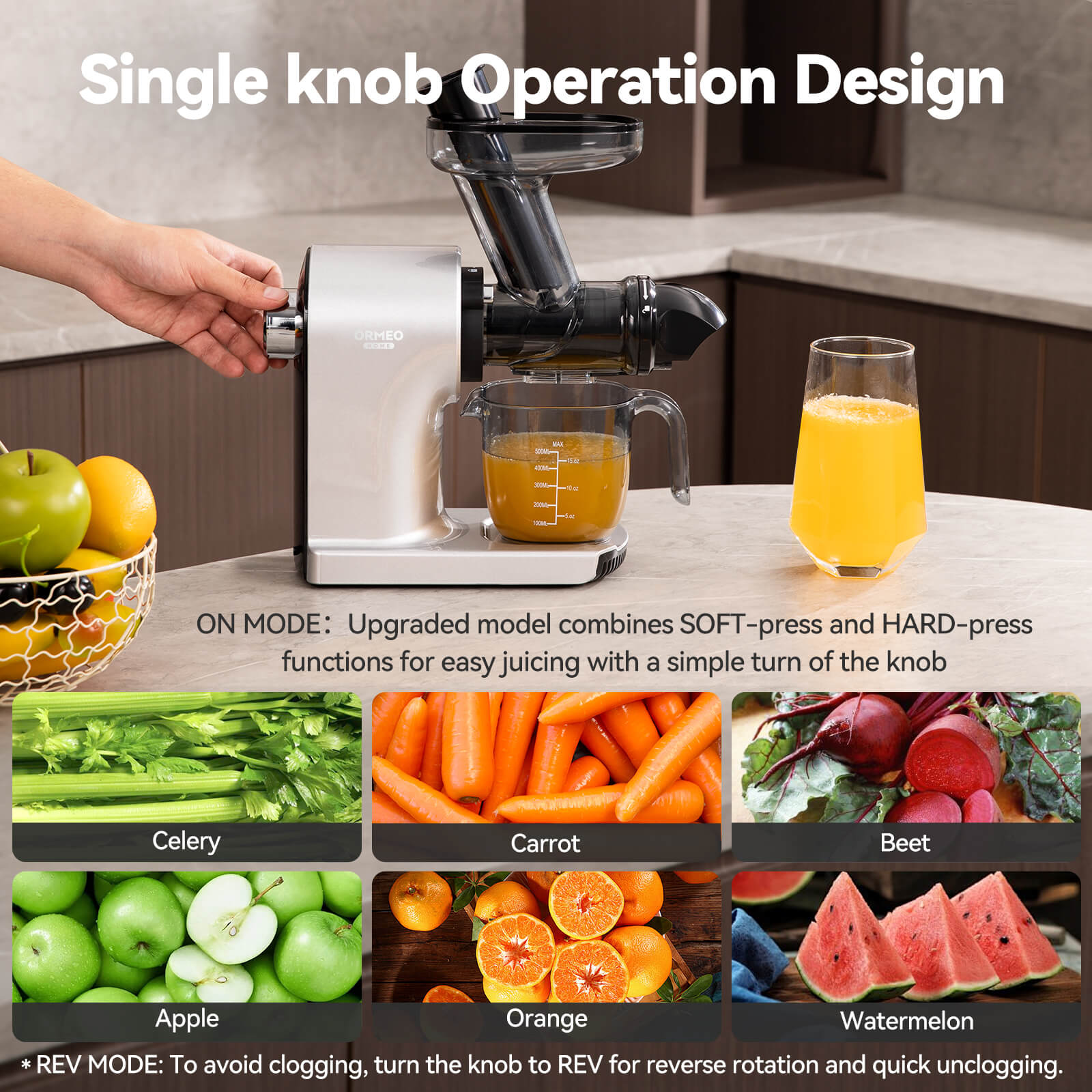
The Ormeo 2311 was built for the modern kitchen. It handles whole fruits and vegetables with ease. Whether you are juicing hard beets, fibrous celery, or soft berries, this type of juicer adjusts to extract the maximum liquid.
- Quiet Operation: No more morning headaches from loud motors.
- High Yield: The pulp comes out bone-dry, meaning you save money on produce.
- Preservation: It minimizes exposure to air, meaning your glass of juice keeps its color and taste for days.
Conclusion: Is the Hype Real?
Cold-pressed juice is not just a trend; it's a return to quality. While regular juice is often a sugary, heat-treated shadow of the fruit it came from, cold-pressed juice is juice in its most potent form.
Whether you are looking to boost your immune system, improve your skin, or just enjoy a drink that actually tastes like fresh fruit, the method matters. By using a cold press like the Ormeo 2311, you ensure that the loss of nutrients is minimal and the flavor is maximized.
Stop overpaying at juice bars. Take control of your ingredients, preserve the nutritional content, and start extracting juice from fruits the right way. Your body will thank you.
Frequently Asked Questions (FAQ)
1. What is the difference between cold-pressed juice and regular juice?
The main difference lies in the extraction method. Regular juice is often made using centrifugal juicers that use fast-spinning blades, creating heat and oxidation which kills nutrients. Cold-pressed juice is made by crushing and pressing fruits and vegetables without heat. This cold-press method preserves the vitamins and minerals, enzymes, and taste, resulting in a nutritional profile that is far superior to heat-pasteurized options.
2. How long does cold-pressed juice last in the fridge?
If you use a cold press juicer like the Ormeo 2311 to make fresh juice at home, it will last for 3 to 4 days (72 to 96 hours) if you store it in an airtight container. This lasts longer than juice from a centrifugal juicer. However, store-bought cold-pressed juices often go through High-Pressure Processing (HPP), which can make them last longer, up to 30 to 45 days. True raw juice is best when it's fresh, though.
3. Is cold-pressed juice actually healthier?
Yes, generally speaking. Because the juicers use a slow pressing method, there is an absence of heat and minimal air introduction. This means the juice retains more Vitamin C, antioxidants, and live enzymes compared to traditional methods. The nutritional benefits are denser, allowing you to consume the nutrient equivalent of several pounds of produce in a single glass of juice.
4. Can I juice whole fruits in a cold press juicer?
It depends on the type of juicer. Many modern cold press juicers, including the Ormeo 2311, have wide chutes that can handle larger chunks or even whole fruits and vegetables like small apples or carrots. However, for the best result and to protect the motor, we usually recommend giving the produce a quick rough chop. This helps the auger masticate the ingredients more efficiently to extract the juice.
5. Why is cold-pressed juice so expensive?
The price reflects the quantity of produce and the labor intensity. Making cold-pressed juice requires significantly more fruits and veggies to get the same volume of liquid compared to watery centrifugal juice. Furthermore, the equipment (like hydraulic press machines or high-quality home units) is more specialized. You are paying for the maximum nutritional benefits and the fact that the juice is extracted in a way that keeps it "alive."









Share:
Cold-Pressed Juice: What Is It? What Is Cold Press? The Science Behind the Press