

What Is Cold Press? The Science Behind Cold-Pressed Juice and Why It Matters
If you have ever stood in the aisle of a grocery store staring at a $10 bottle of green liquid and wondering, "Why is this so expensive?", you are not alone. The label says cold-pressed juice, and it promises a level of quality that standard regular juice simply can't touch. But is it just marketing hype, or is there real biology at play here?
As someone who has spent years testing everything from deafening centrifugal machines to high-end hydraulic systems, I can tell you: the difference isn't just in the price tag. It’s in the chemistry.
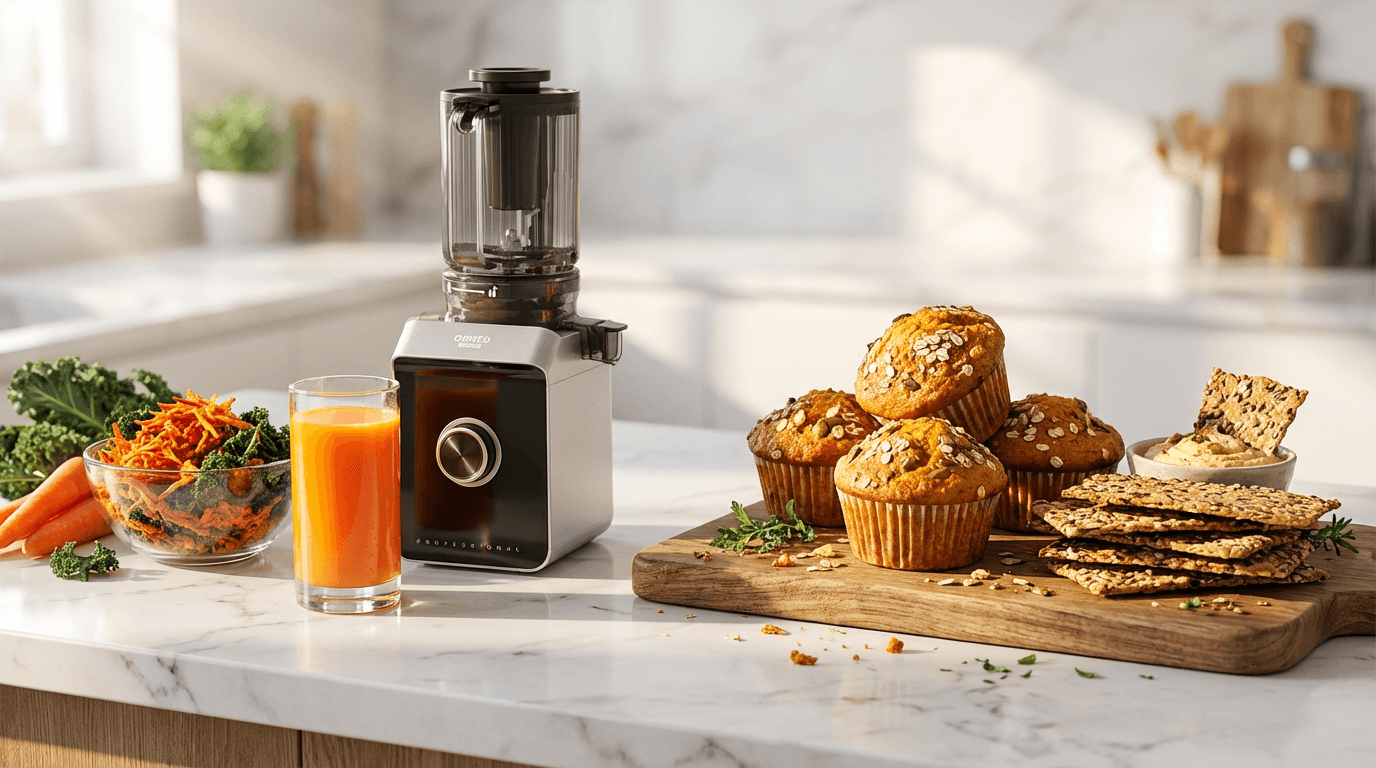
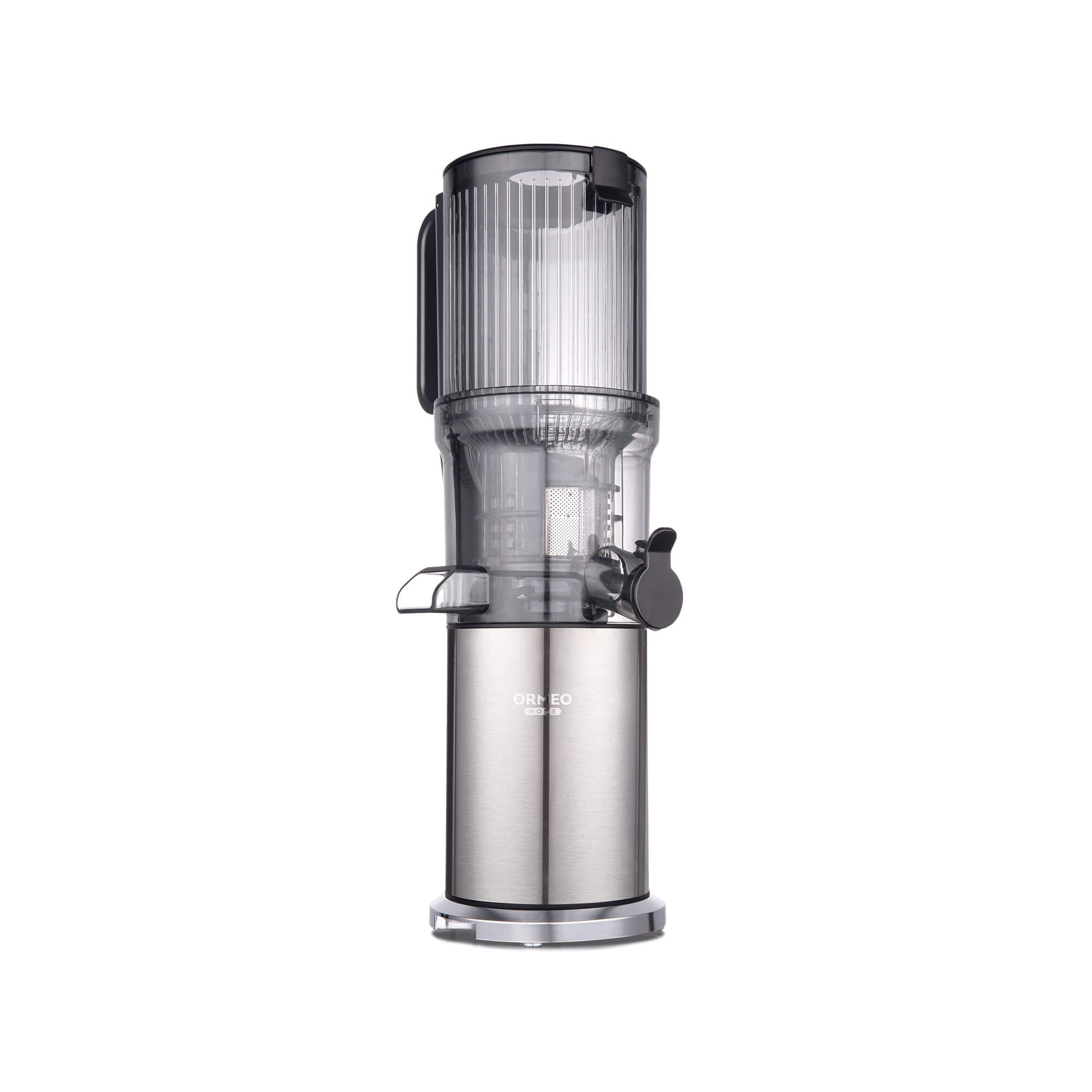
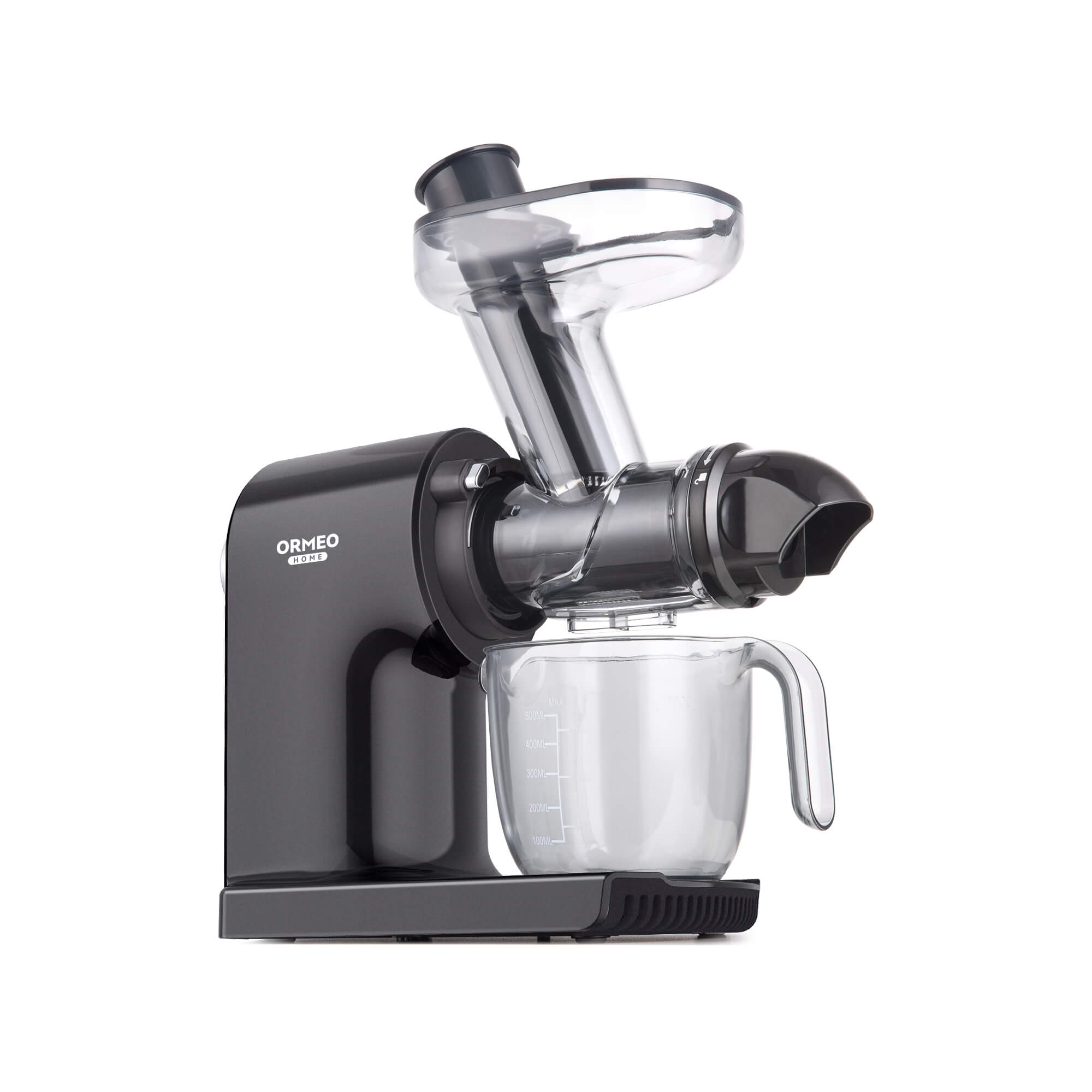
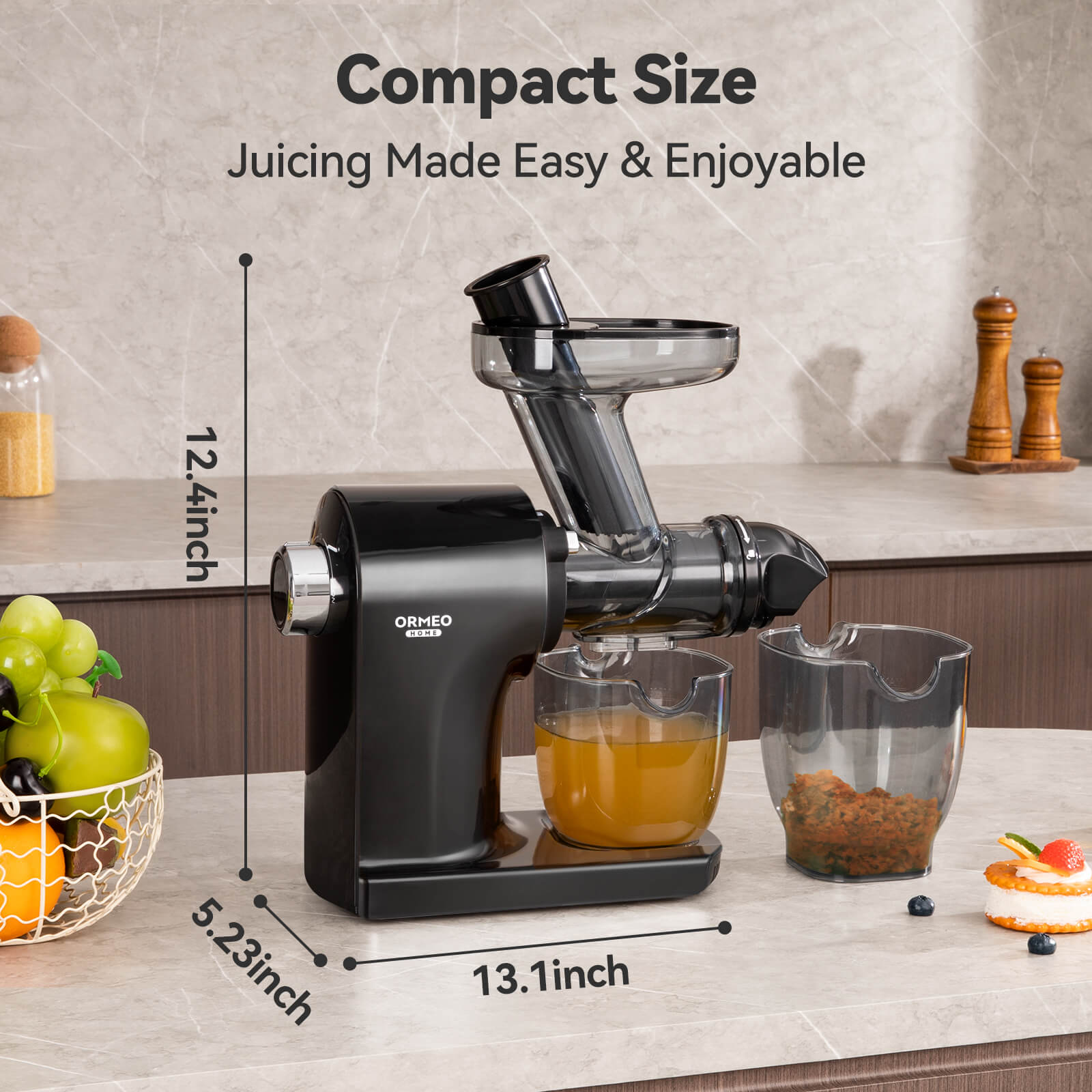
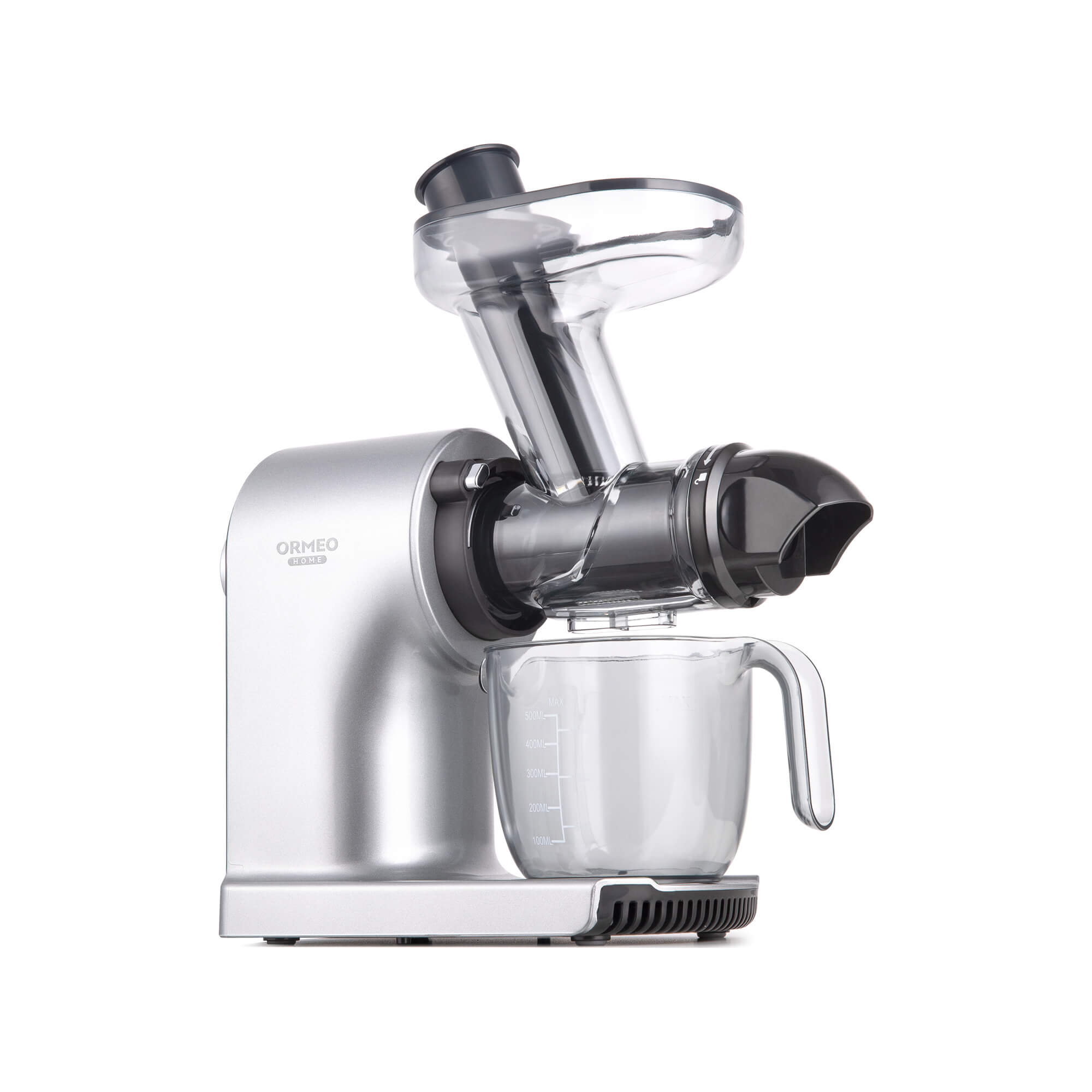
To understand what is cold press, we have to stop looking at juice as just a beverage and start looking at it as a delicate suspension of living compounds. Whether you are buying from high-end juice bars or making it at home with a dedicated machine like the Ormeo 2311 Quiet Cold Press Juicer, the method of extraction changes everything. Let's break down the science behind cold-pressed juice, exploring how pressure, heat, and air dictate the quality of what’s in your glass.
The Problem with Traditional Juicing (Heat and Oxidation)
To appreciate the benefits of cold-pressed juice, you first have to understand the violence of traditional methods. Most standard household juicers are centrifugal juicers. Picture a jet engine in your kitchen. These machines use fast-spinning blades that rotate at thousands of RPMs. They shred fruits and vegetables against a sharp mesh screen to force the liquid out.
Here is the problem: that speed creates friction. Friction generates heat. And those spinning blades act like a fan, whipping massive amounts of air into the liquid.
When juice into contact with air and heat, it undergoes rapid oxidation. Think of what happens when you slice an apple and leave it on the counter; it turns brown within minutes. That is oxidation. When a centrifugal juicer forces produce to extract liquid, it essentially "ages" the juice before you even drink it. This leads to degradation of volatile compounds, meaning your glass of juice might taste okay, but it has already lost a significant portion of its nutritional value.
What Is Cold Press? How the Cold-Press Method Works
Cold-pressed juice is different. The term "cold press" refers to a method that uses a hydraulic press or a slow masticating gear to extract juice from fruits and vegetables.
The key word here is "press." Instead of shredding, cold-press juicers (often called masticating juicers) work in two slow stages:
-
Masticate: The produce is slowly crushed or ground into a pulp.
-
Press: The juice is extracted by squeezing that pulp under immense pressure.
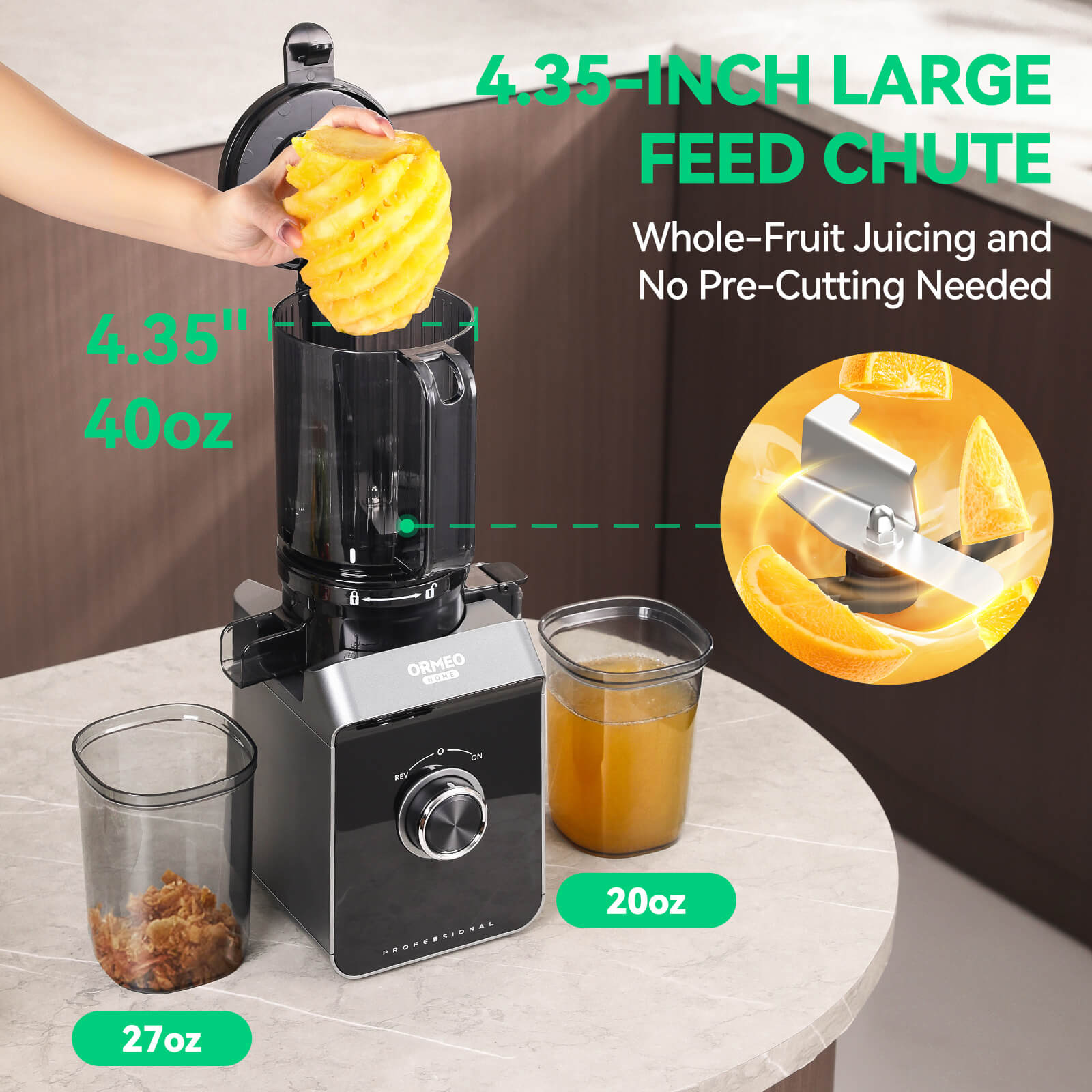
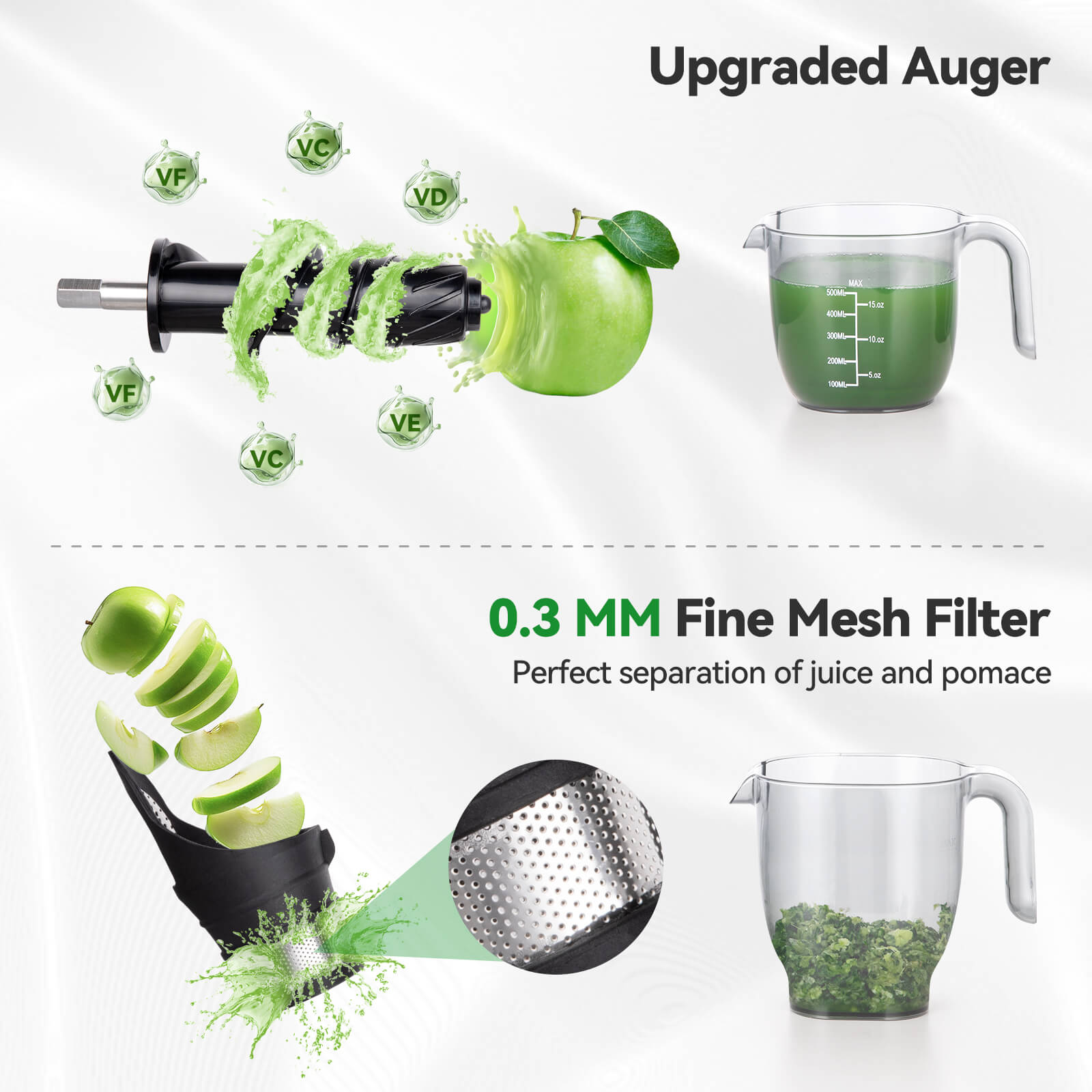
True industrial cold pressed juice uses a hydraulic press to extract juice, applying thousands of pounds of pressure to squeeze every drop of liquid out of the plant fibers. At home, machines like the Ormeo 2311 utilize a slow-turning auger to mimic this hydraulic action. Because there are no high-speed blades, there is no heat generated. This ensures the juice must undergo a process that is gentle, keeping the temperature low.
By avoiding the heat and aeration of traditional juicing methods, this method ensures you retain more nutrients, creating a nutrient-dense beverage that is as close to the raw fruit as possible.
The Science Behind Cold-Pressed: Nutrient Preservation and Enzymes
Why does the lack of heat matter? The science behind cold-pressed revolves around enzymes.
Enzymes and nutrients, particularly Vitamin C and B vitamins, are notoriously heat-sensitive. They are also sensitive to the exposure to air. When you drink cold-pressed juice, you are consuming a living liquid where the vitamins and enzymes are still intact.
A study on nutritional quality shows that juice from fruits and vegetables made with a cold press retains significantly higher levels of antioxidants compared to juice made with centrifugal juicers. The slow extraction process of the Ormeo 2311 Quiet Cold Press Juicer gently opens the cell walls of the produce to extract the maximum amount of juice without destroying the cellular structure.
This results in a rich in vitamins drink with a vibrant color and a taste that is cleaner and deeper. If you blind-taste a centrifugal juice against a cold-pressed juice, the centrifugal one often tastes watery or foamy, while the cold-pressed version tastes like you just bit into the fruit itself.
High-Pressure Processing (HPP) and Shelf Life of Cold-Pressed Juice
If cold-pressed juice is raw, how do juice manufacturers sell it in supermarkets with a shelf life of 30 days? This is where people get confused between fresh homemade juice and commercial cold-pressed juice.
Raw fresh juice has a very short shelf life—typically 3 to 4 days if stored in a refrigerator. Bacteria will eventually grow because the juice hasn't been cooked (pasteurized).
To solve this, the industry uses High-Pressure Processing (HPP). HPP is a way to keep things fresh by putting sealed bottles of cold-pressed juice in cold water and putting them under a lot of pressure (up to 87,000 psi). This high pressure kills germs that could make you sick, like Salmonella or E. coli, and makes the food last longer without using heat.
HPP keeps the food safe and nutritious better than traditional pasteurization, which cooks the juice and kills the flavor and many heat-sensitive nutrients. However, nothing beats the bioavailability of fresh juice made in your kitchen with a cold-press juicer like the Ormeo, even though HPP makes it last longer.
Health Benefits of Cold-Pressed Juice
So, what does this mean for your body? The health benefits of cold-pressed juice go beyond just "getting your veggies in."
-
Superior Nutrient Absorption: Because the insoluble fiber is removed but the soluble fiber remains, your body doesn't need to work hard to digest the liquid. The vitamins and minerals flood your bloodstream almost instantly.
-
Boosted Immunity: With higher retention of Vitamin C and live enzymes, regular consumption can support immune function.
-
Detoxification: The chlorophyll in green juices from fruits and veggies (like kale and spinach) binds to toxins.
-
Better Taste Encourages Consistency: Let's be honest, if it tastes bad, you won't drink it. The superior flavor profile of juice from cold-pressed juicers makes it easier to stick to a healthy habit.
Choosing the Right Juicer: Masticating vs. Hydraulic
When looking to bring these benefits home, you generally have two choices in the "cold press" category.
Hydraulic Press Juicers: These are the massive, expensive machines used by juice bars. They use a literal hydraulic press to squeeze pulp in a bag. They offer the absolute highest yield but are messy and cost thousands of dollars.
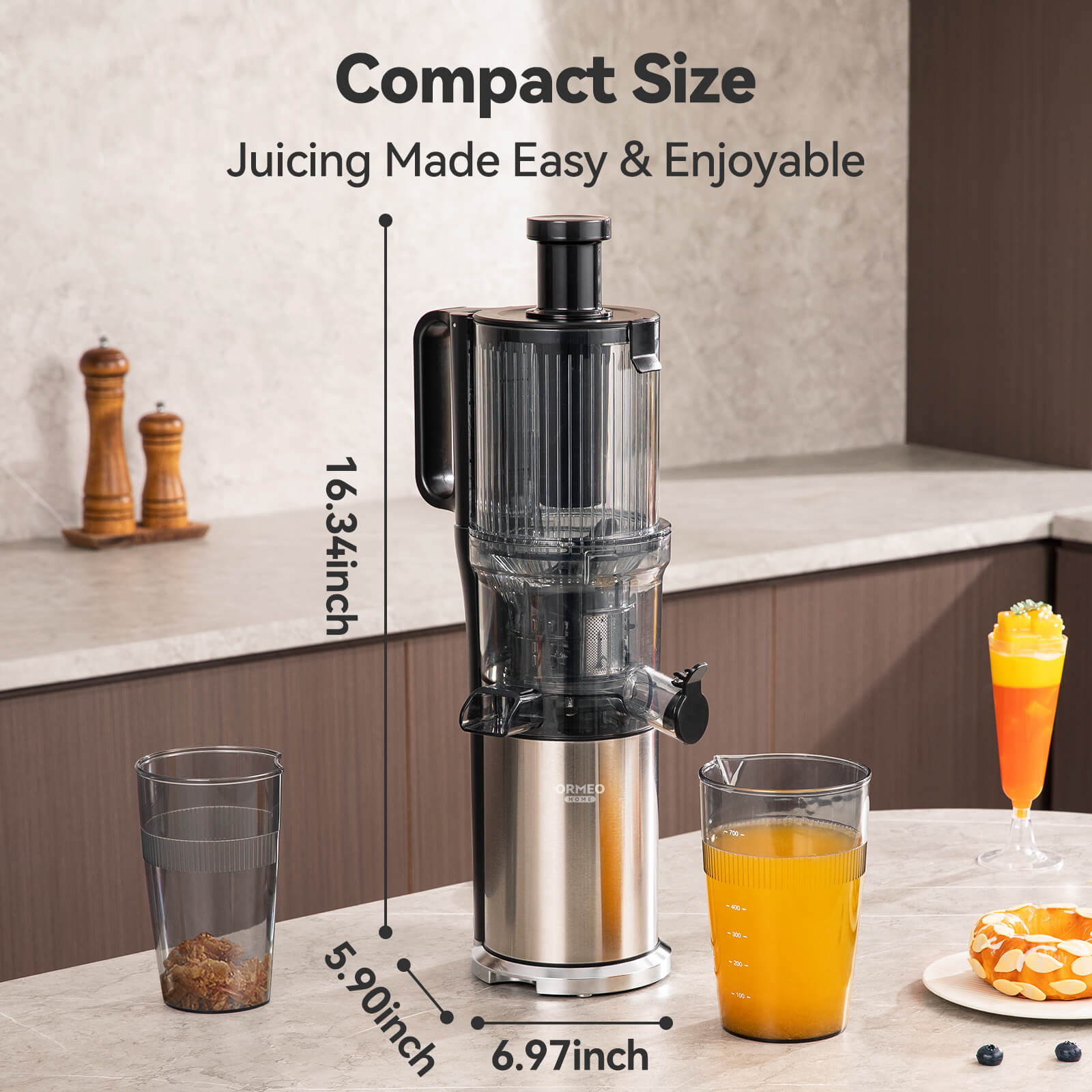
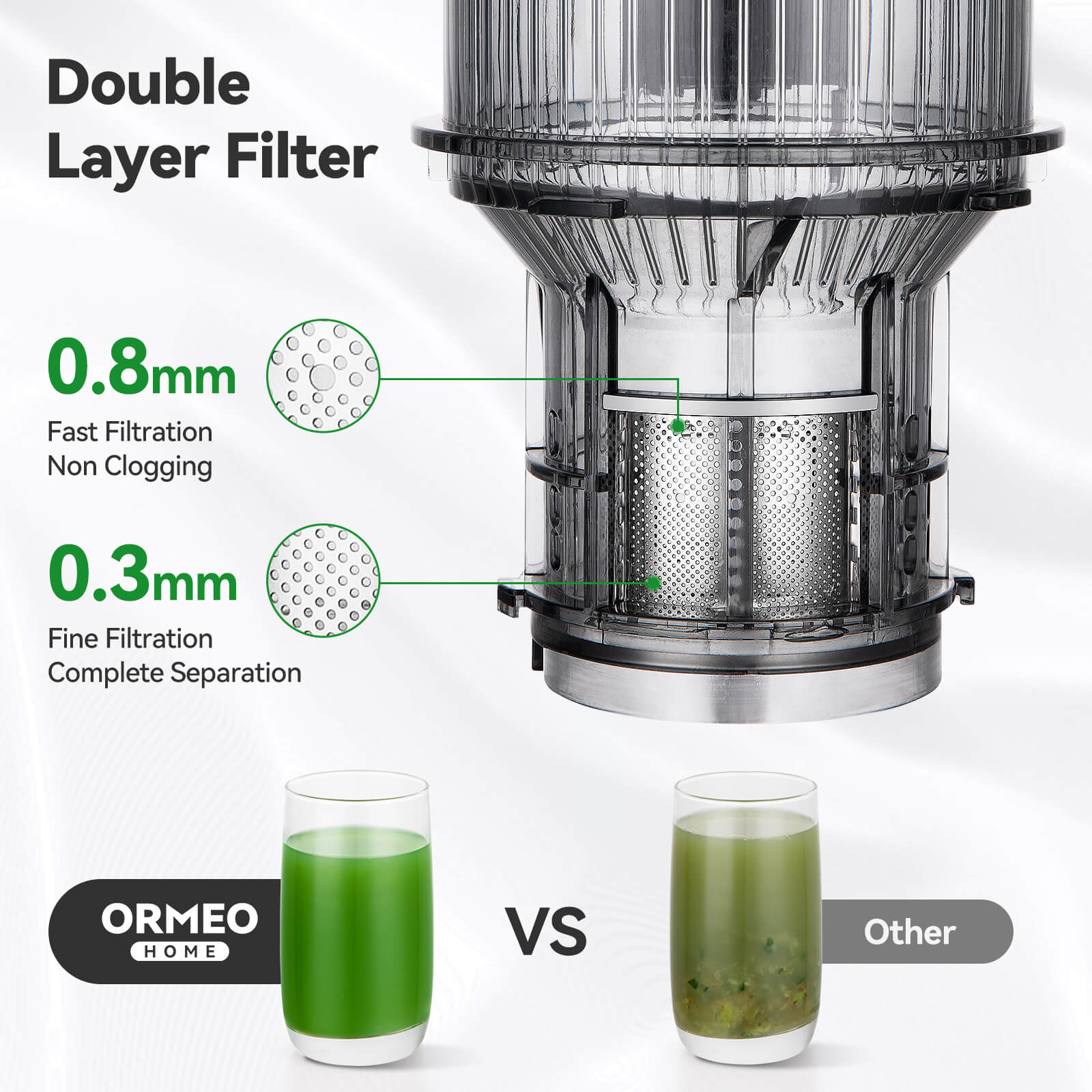
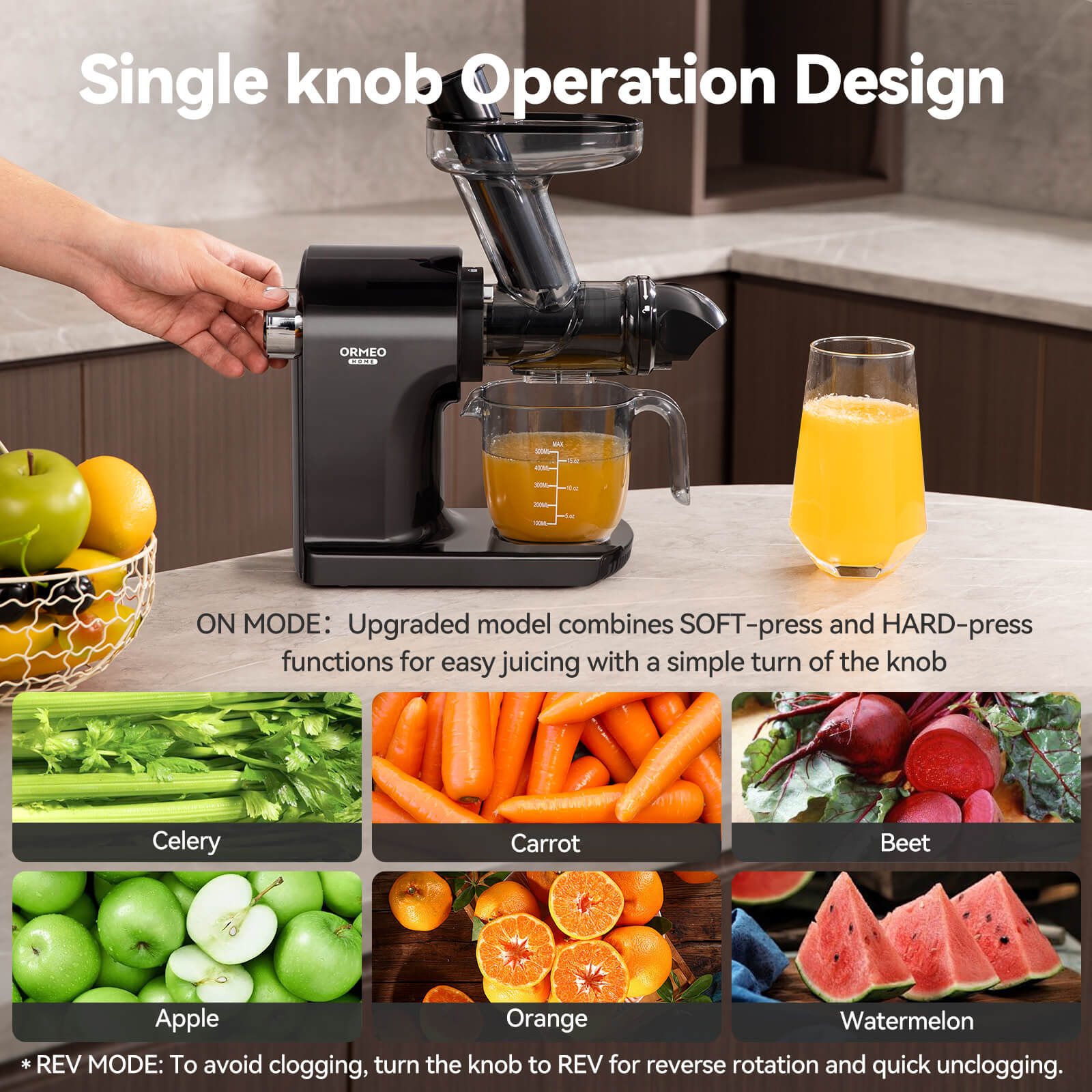
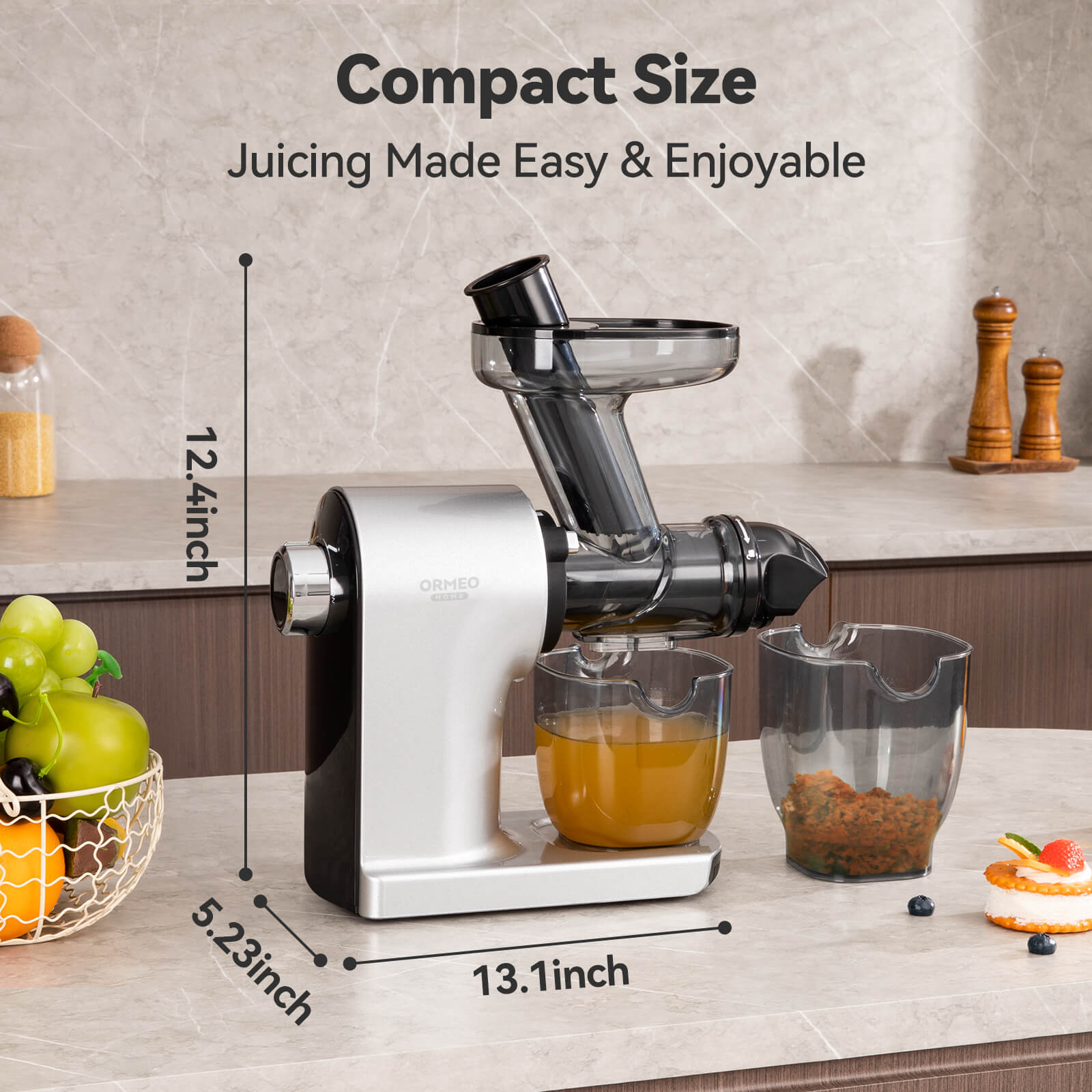
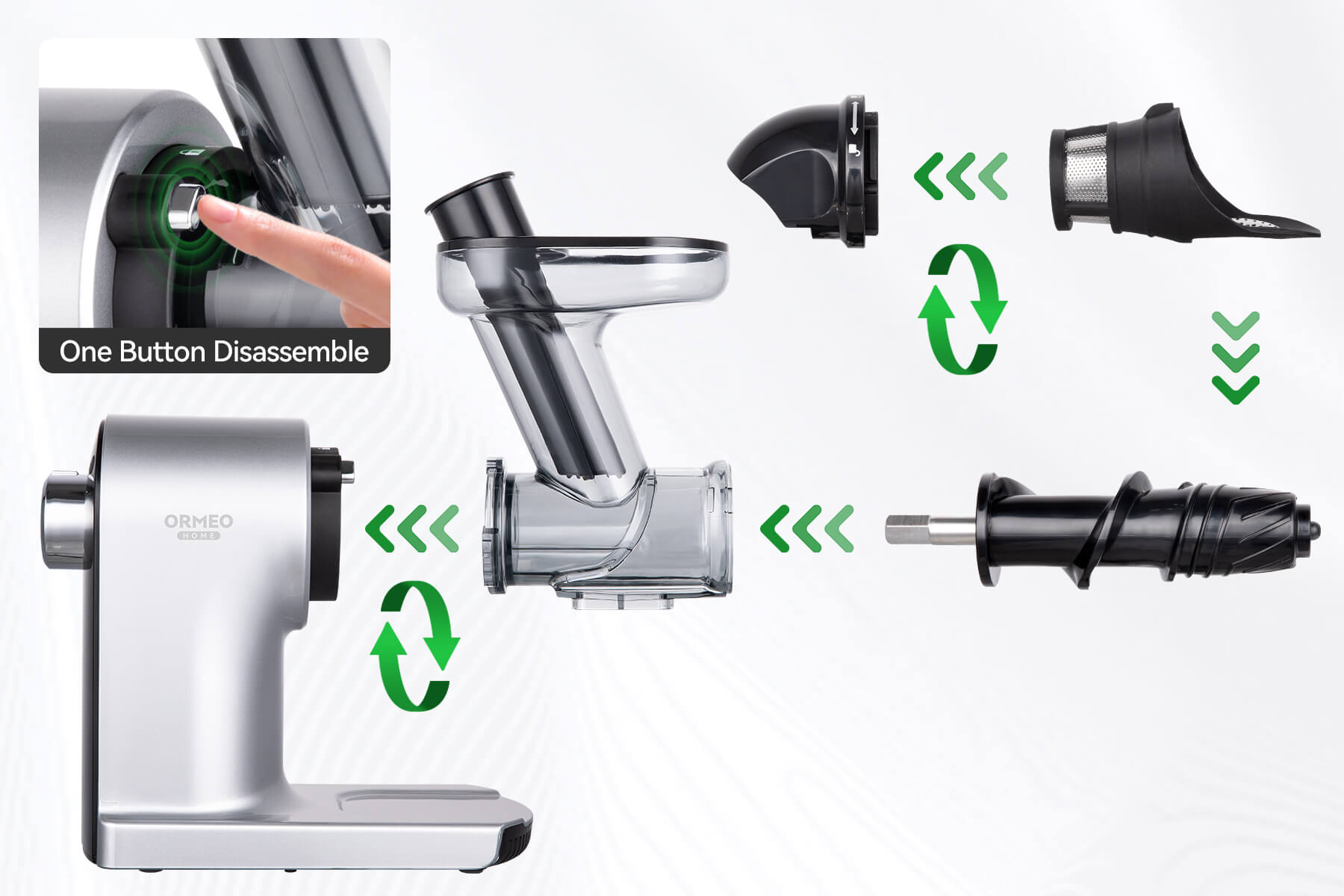
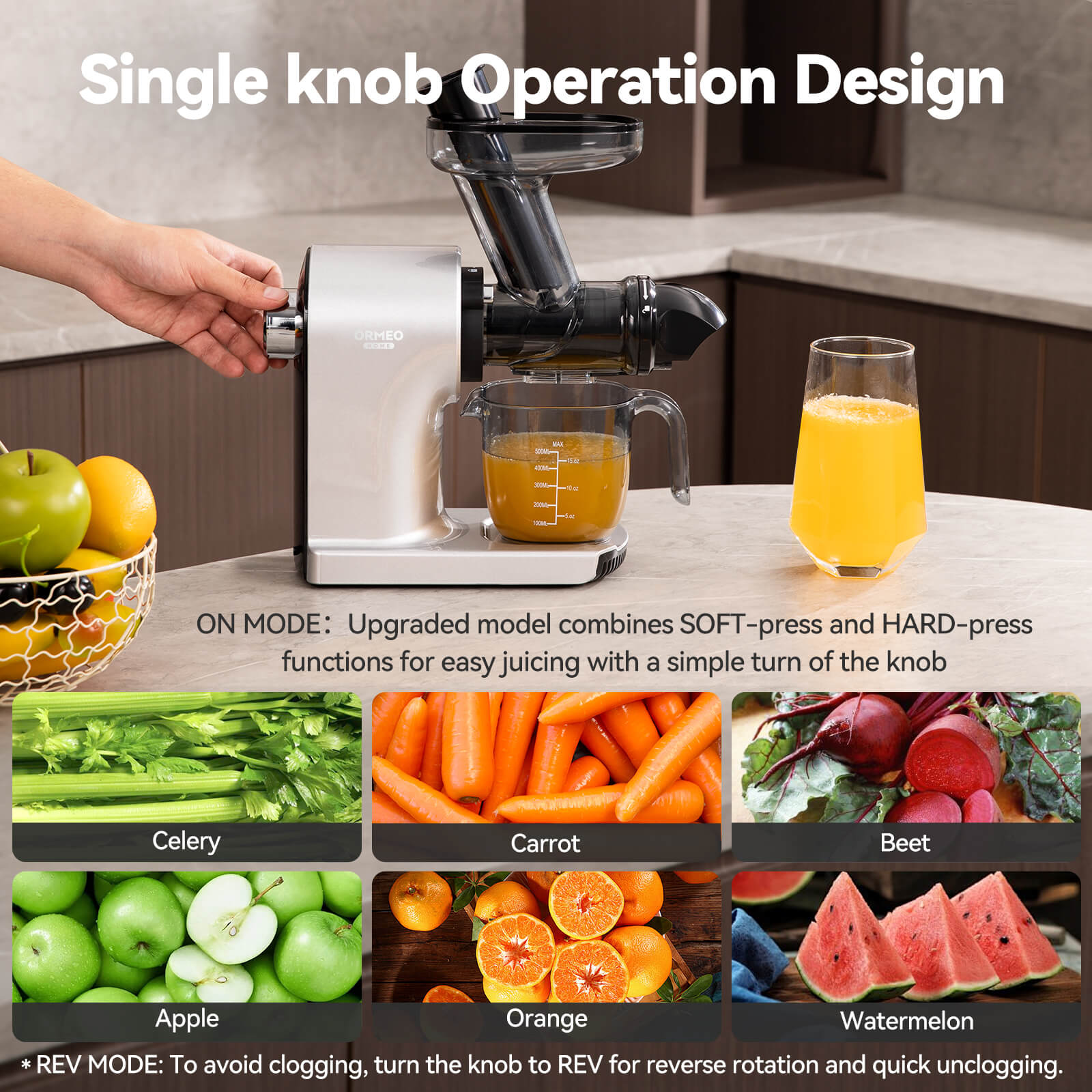
Masticating Juicers (Slow Juicers): This is what most home users want. Machines like the Ormeo 2311 use an auger to slowly crush and press produce against a screen. They are quiet (unlike the jet-engine centrifugal types), easy to clean, and produce a high-quality cold pressed juice that rivals commercial machines.
When you use the Ormeo 2311, you aren't just making a drink; you are investing in a tool that respects the ingredients. It creates less waste because the pulp comes out bone-dry, proving that the maximum amount of juice has been extracted.
Regular Juice vs. Cold-Pressed: The Verdict
Let's summarize the battle of regular juice vs. cold-pressed.
- Regular Juice (Centrifugal/Pasteurized): often heated, exposed to massive oxidation, foamy, separates quickly, lower nutritional benefits. It is fast, but at a cost to quality.
- Cold-Pressed Juice: Minimizes heat and oxidation, retains enzymes, stays fresh for longer (up to 72 hours in the fridge without separation), and offers a nutrient-dense payload.
If you are serious about health, relying on pasteurization or fast-spinning blades is counterproductive. You are spending money on organic fruits and vegetables only to destroy their value during the extraction process.
Conclusion
Understanding what is cold press is about understanding that how you treat your food matters. The science behind cold-pressed technology proves that by reducing heat and air exposure, we protect the vitality of the plant.
Whether you are looking to do a juice cleanse or simply want a glass of orange juice that actually tastes like oranges, the method is key. By switching to a dedicated machine like the Ormeo 2311 Quiet Cold Press Juicer, you ensure that every glass is packed with the nutritional benefits nature intended. Don't settle for dead, oxidized juice. Press it cold, keep it living, and drink to your health.
Frequently Asked Questions (FAQ)
1. How long does cold-pressed juice last?
Without preservatives or HPP, fresh cold-pressed juice typically lasts 3 to 5 days when stored in a refrigerator in an airtight container. Because the cold-press method minimizes oxidation, it stays fresh longer than juice from centrifugal juicers, which usually spoils within 24 hours. However, for the best nutritional value and flavor, we recommend consuming your raw juice within the first 48 hours.
2. Is cold-pressed juice better than regular juice?
Yes. The science behind cold-pressed juice confirms it retains more vitamins, minerals, and enzymes. Regular juice is often made with centrifugal juicers (creating heat) or is pasteurized (cooked), both of which cause degradation of nutrients. Cold-pressed juice preserves the integrity of the fruits and vegetables, providing a more nutrient-dense drink with superior taste and health benefits.
3. What is the difference between HPP and cold-pressed?
Cold-pressed refers to the extraction method (squeezing fruit). HPP (High-Pressure Processing) is a preservation method used afterwards. Commercial cold-pressed juices sold in stores use high-pressure to eliminate bacteria and extend shelf life while maintaining food safety. While HPP is better than heat pasteurization, fresh home-pressed juice is still superior because it is completely unprocessed and "alive."
4. Can I make cold-pressed juice with a blender?
No. A blender chops whole fruits and vegetables at high speeds, introducing heat and air (oxidation) while keeping the fiber in. It creates a smoothie, not juice. To get cold-pressed juice, you must extract the juice and separate the fiber using pressure, typically with a masticating juicer or a hydraulic press. Blending does not offer the same digestive benefits of instant nutrient absorption found in juicing.
5. Why are cold-press juicers like the Ormeo 2311 slower?
Speed is actually the enemy of quality juice. Cold-pressed juicers (or slow juicers) intentionally operate at low speeds (RPM) to prevent heat and oxidation. This slow "chewing" action ensures you extract the maximum amount of juice from the pulp. While it takes a minute longer than a centrifugal juicer, the result is a higher yield, drier pulp, and much higher nutritional quality.









Share:
Best Juicer For Fruits? Expert Reviews & Buying Guide
What Are Cold Pressed Juices? Is Cold Press Really Better Juice?