

How Long Does Cold Pressed Juice Last? The Definitive Guide to Maximizing the Shelf Life of Cold-Pressed Juice
Introduction: Navigating the World of Cold-Pressed Juice
Welcome to the world of cold-pressed juice, a health-conscious person's main source of nutrients and energy. A lot of people choose cold-pressed juice, which is usually bright green or sweet fruit juice, because it tastes the best and has the most health benefits. These pressed juices are basically raw juice, unlike regular bottled juice that has been heat-treated. They don't have the added sugars and artificial preservatives that make their commercial counterparts last longer than they should.
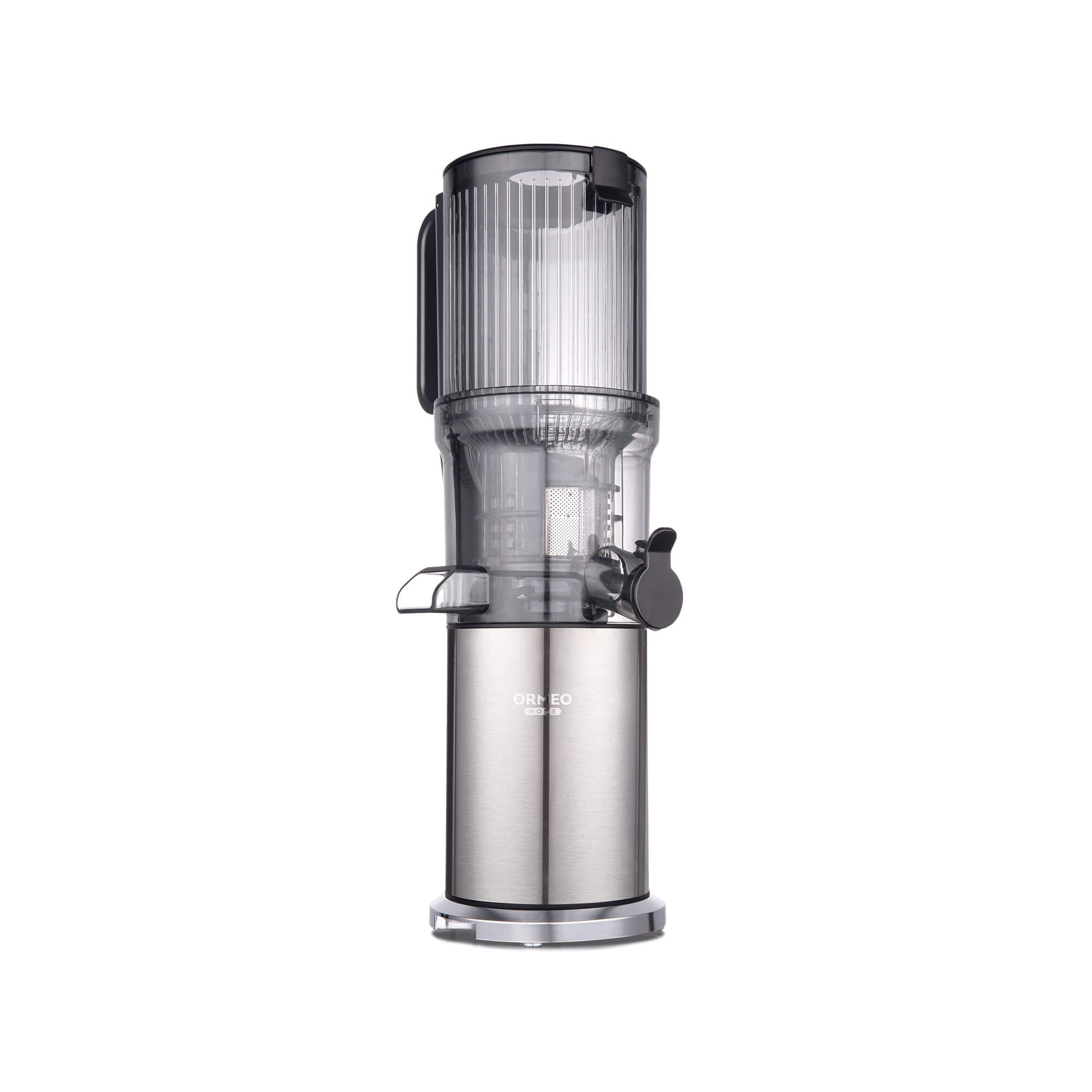
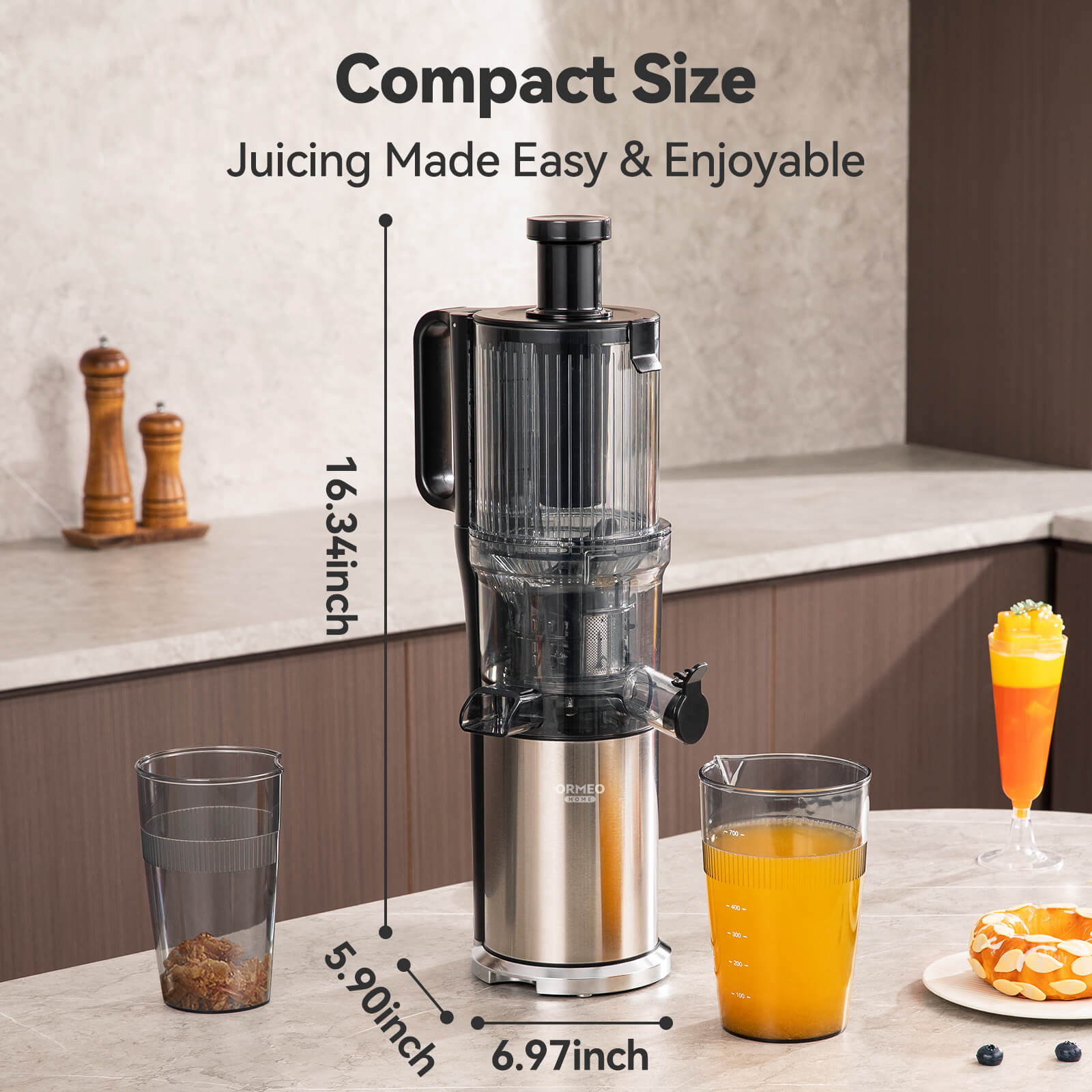
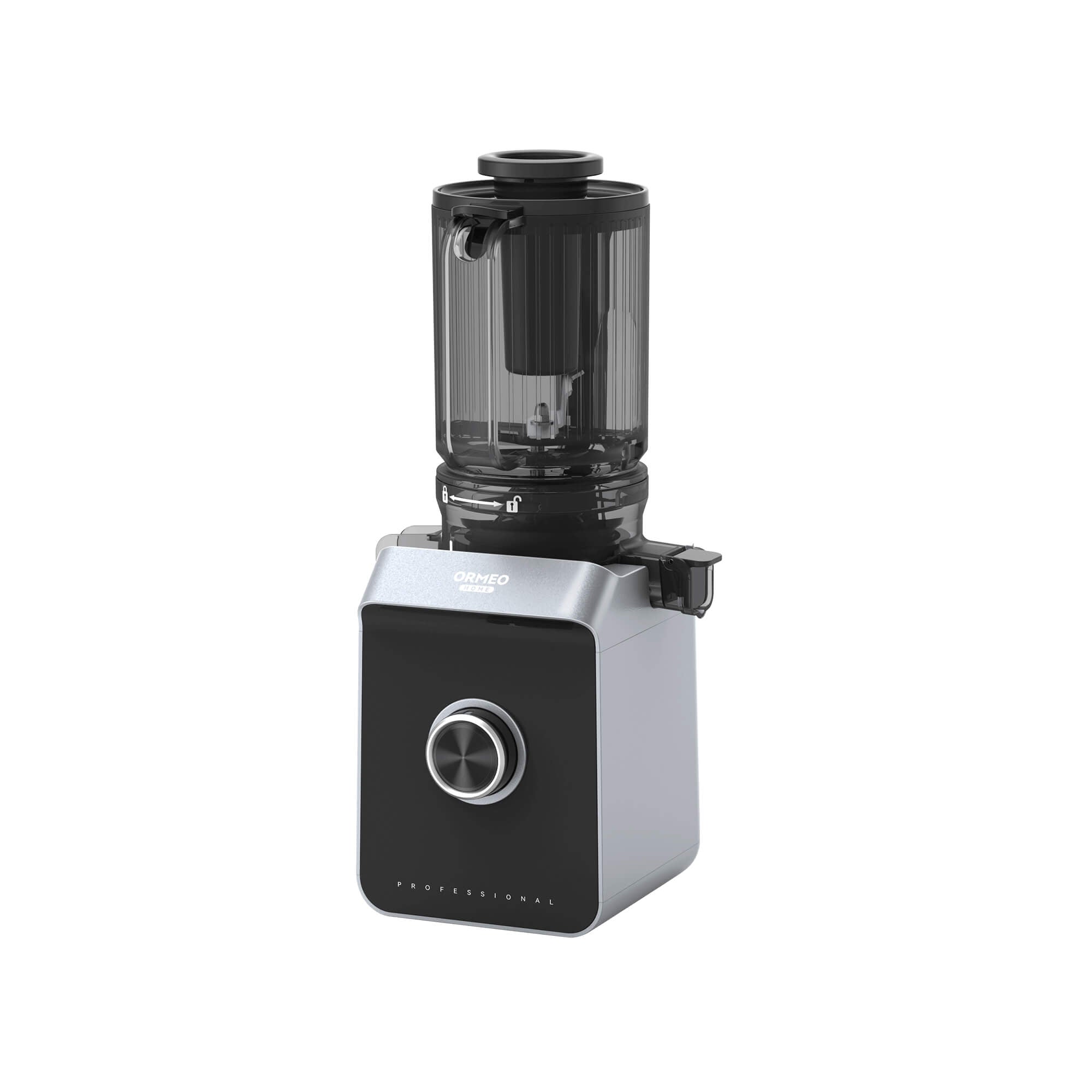
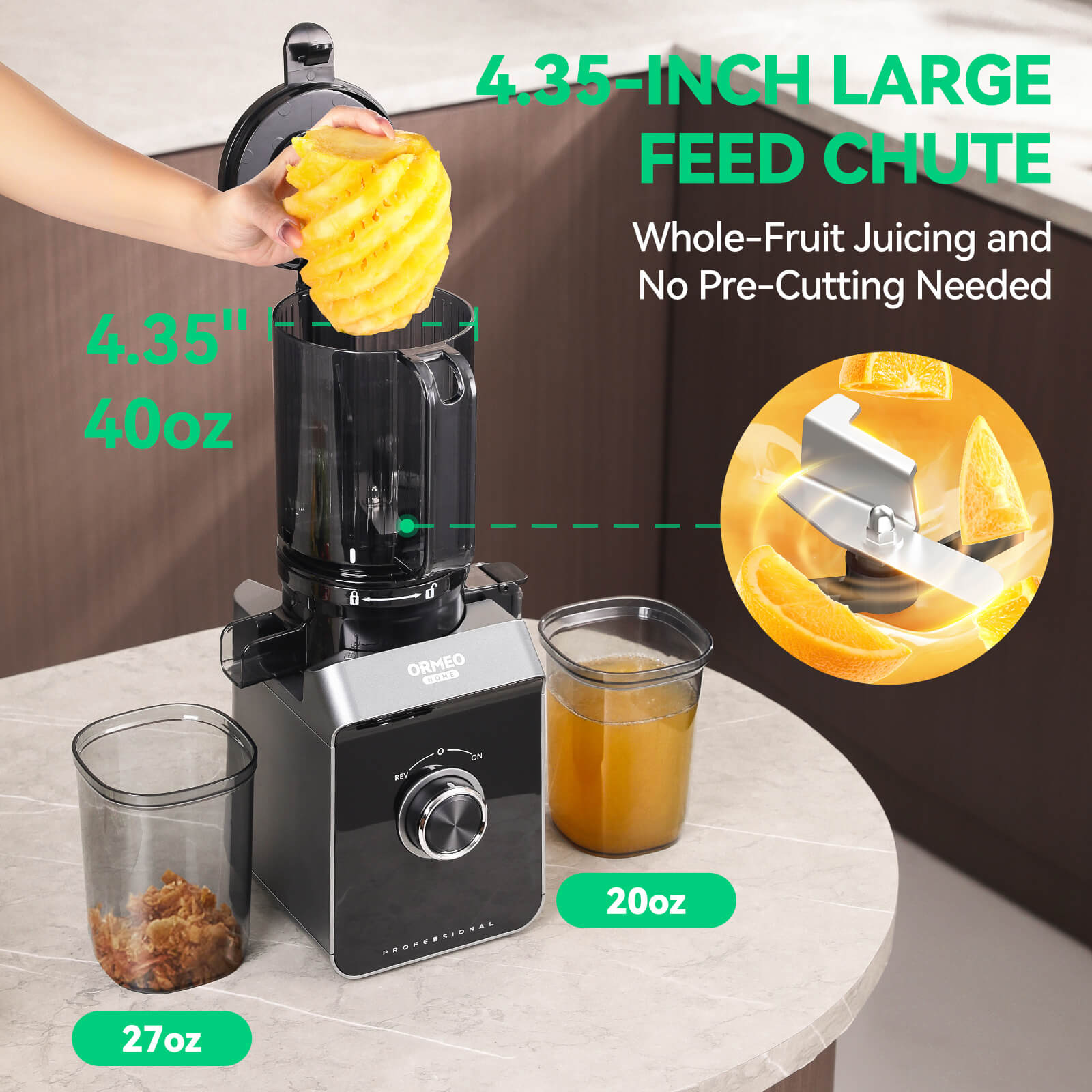
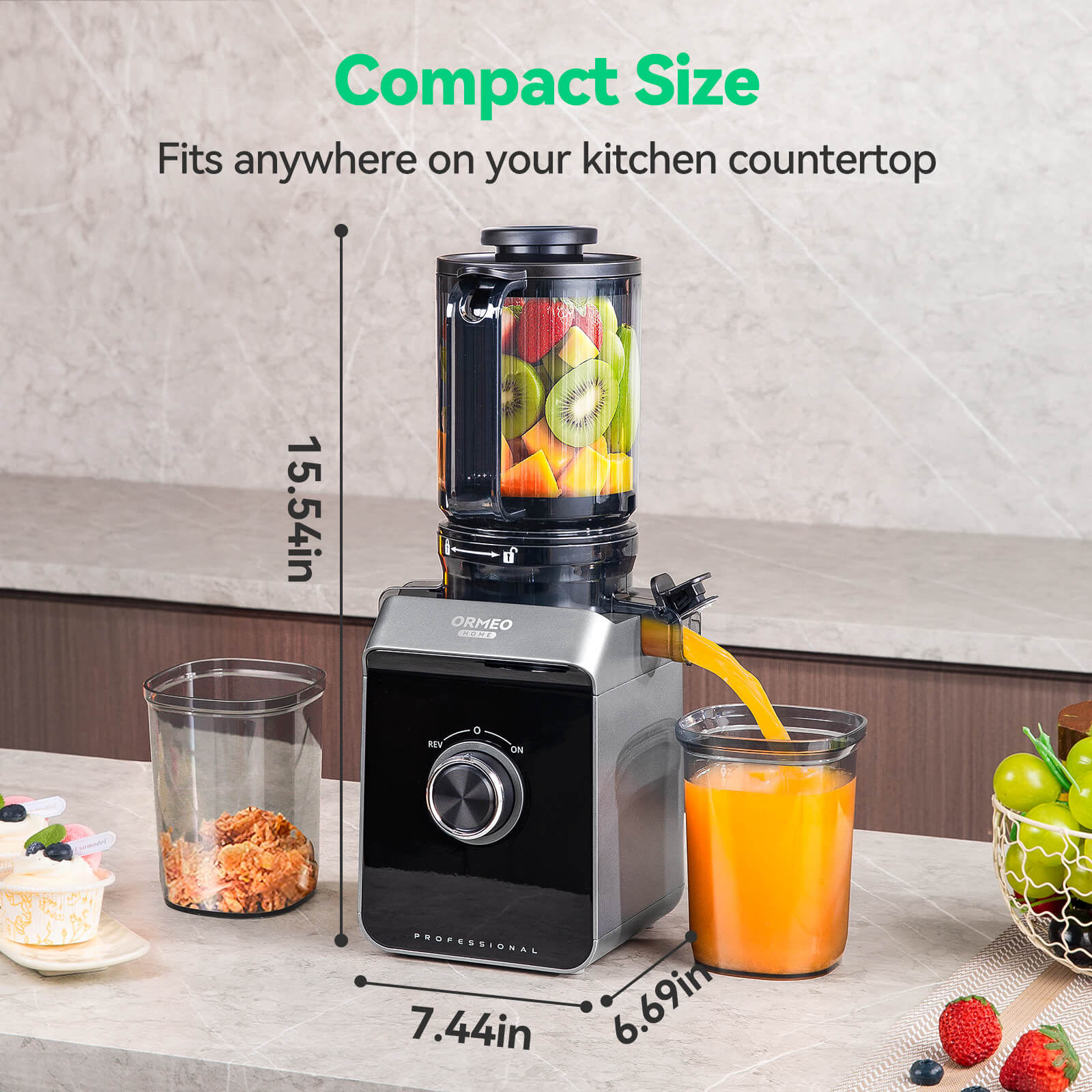
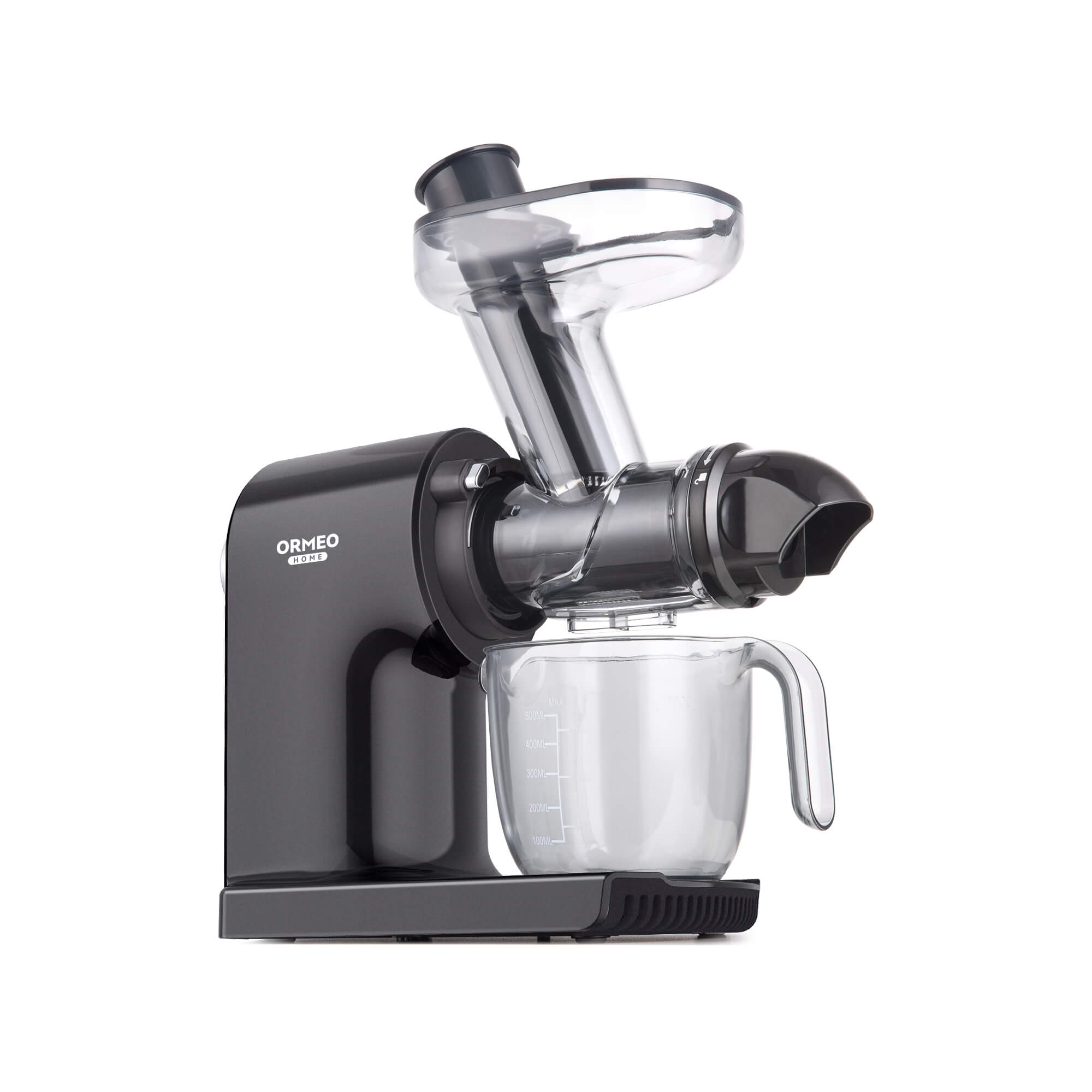
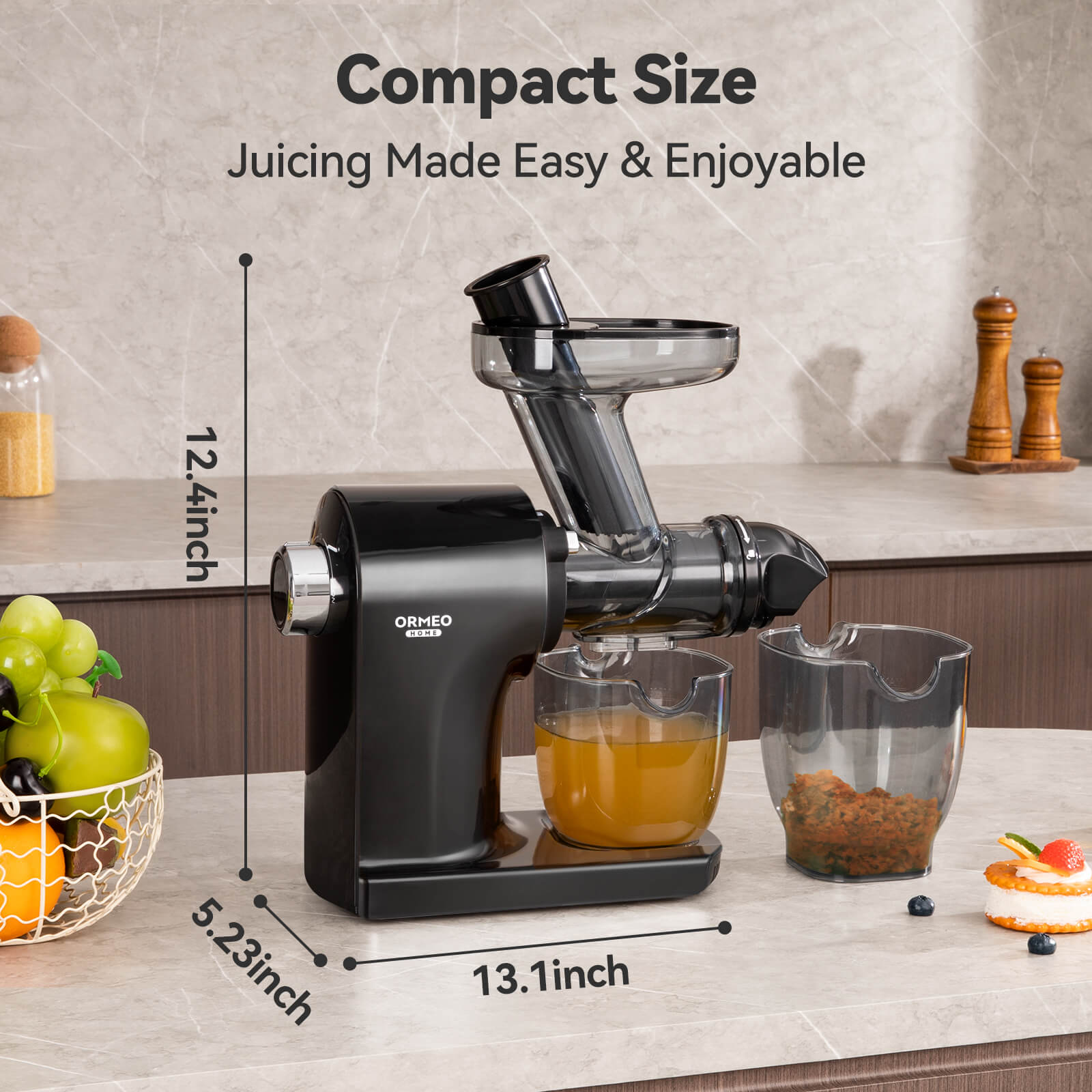
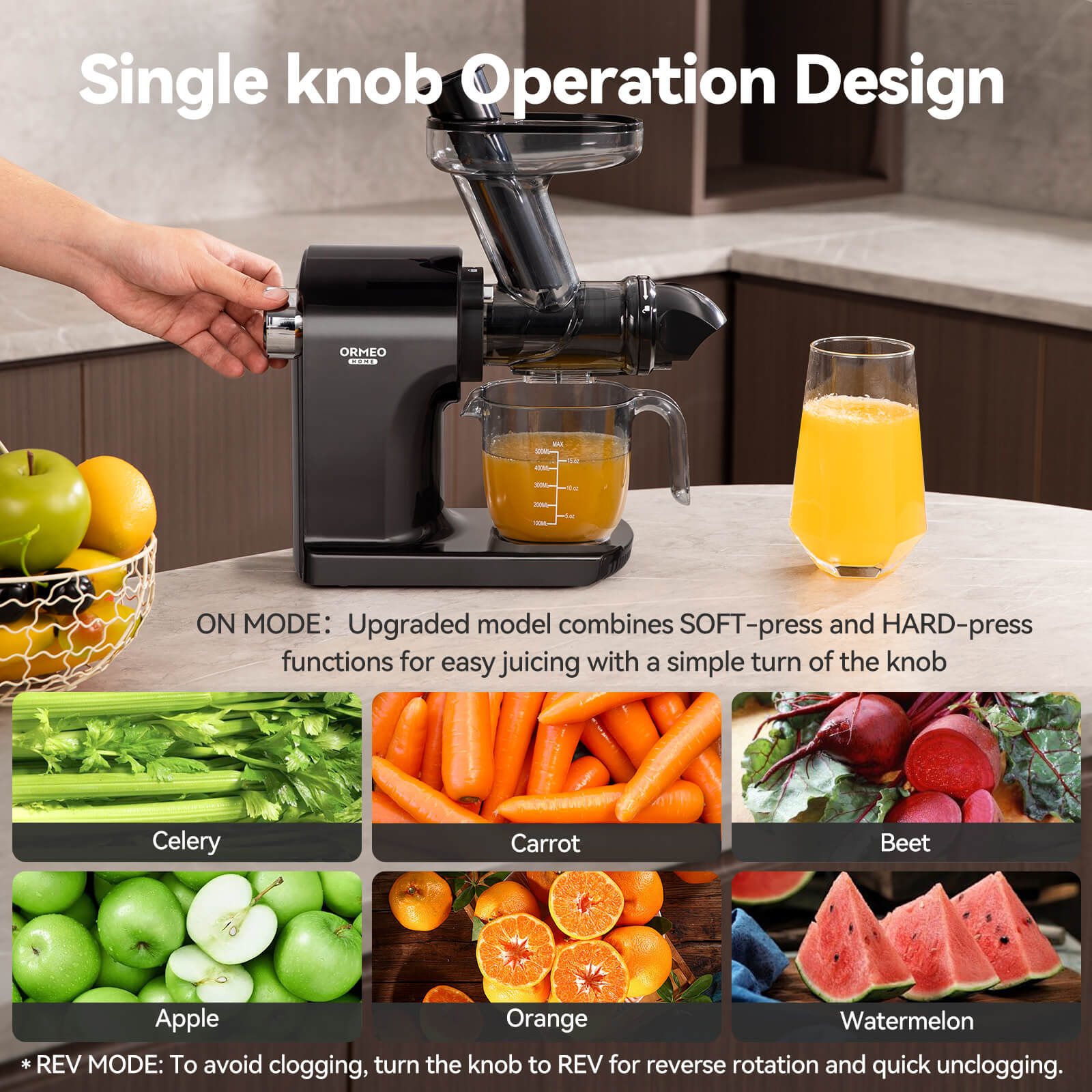
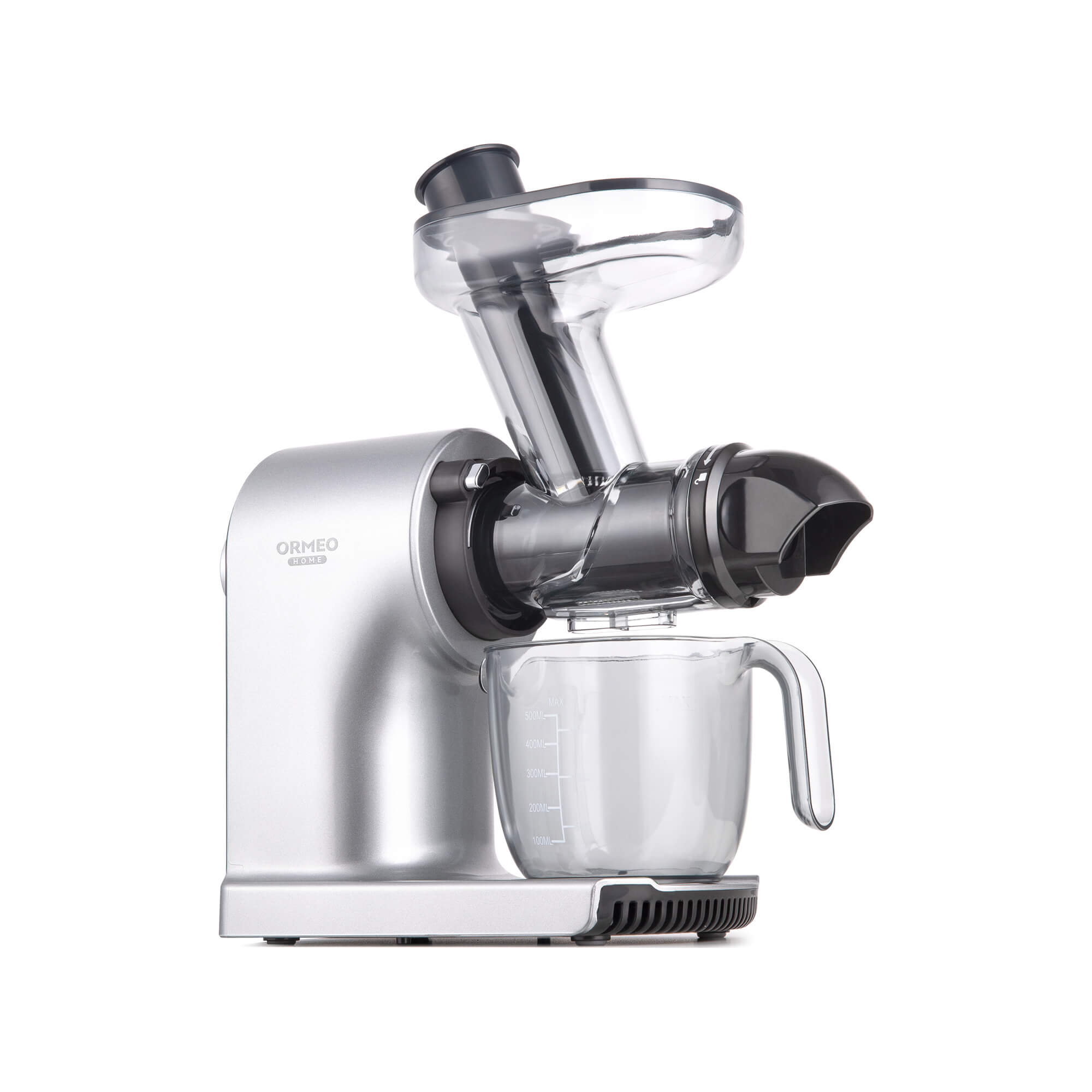
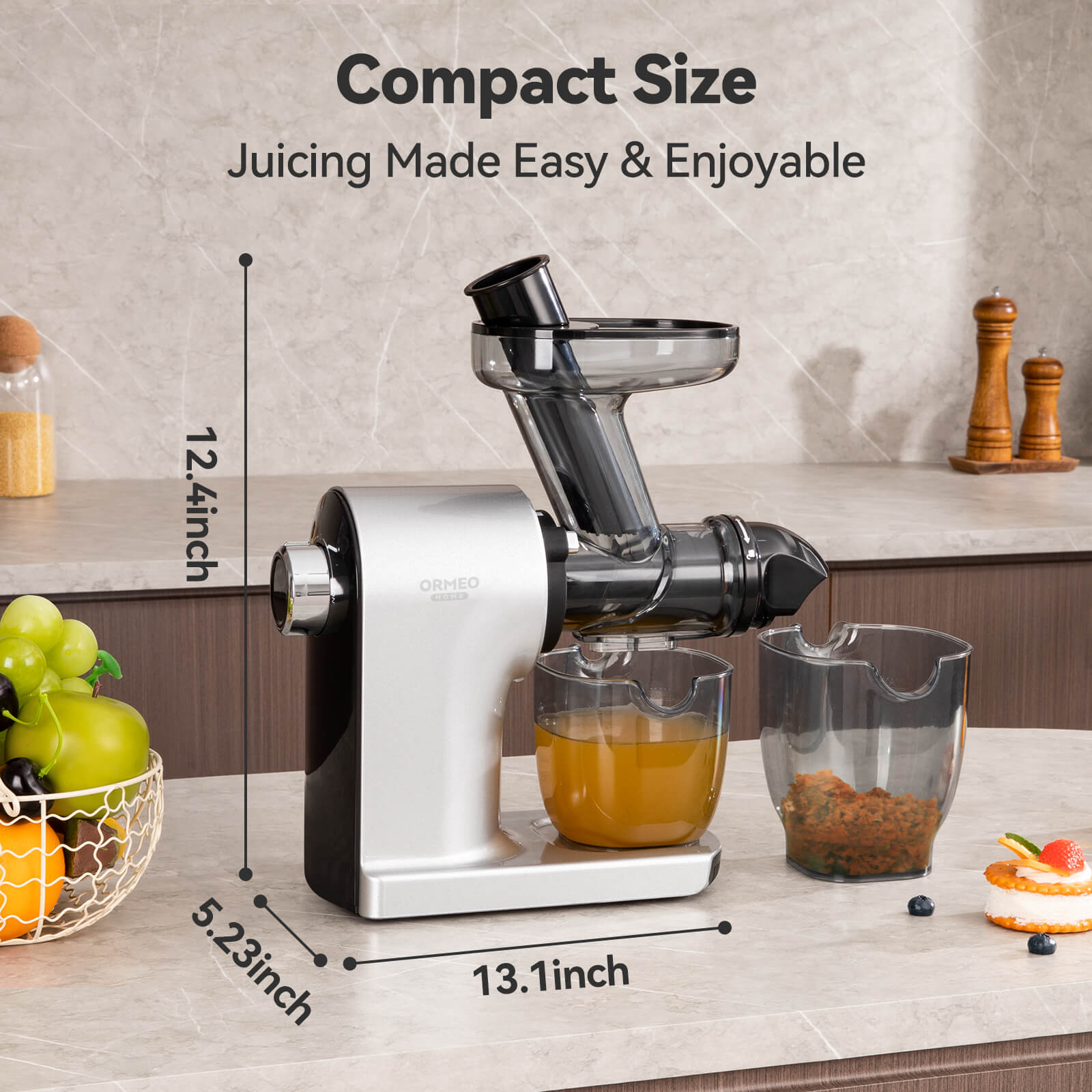
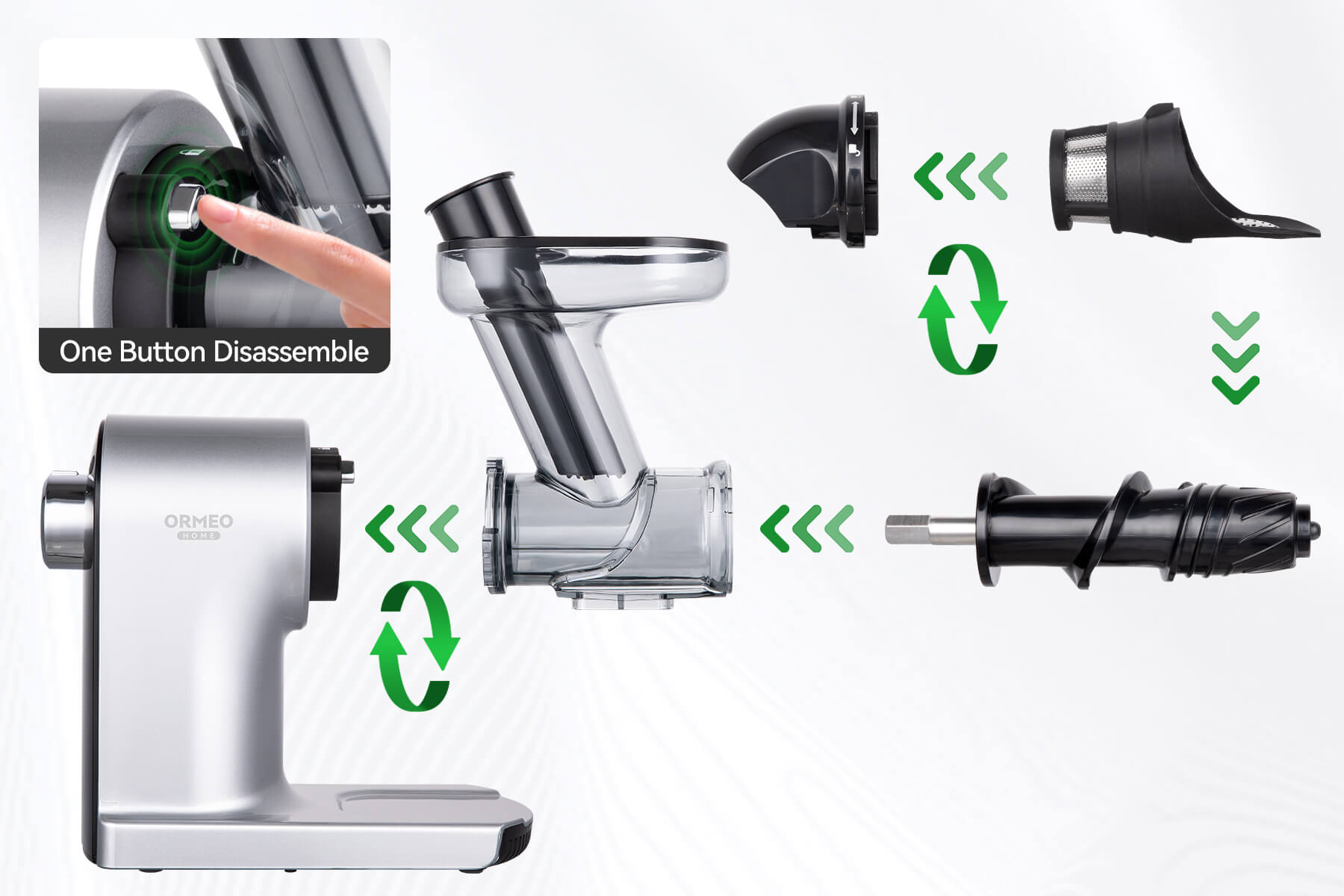
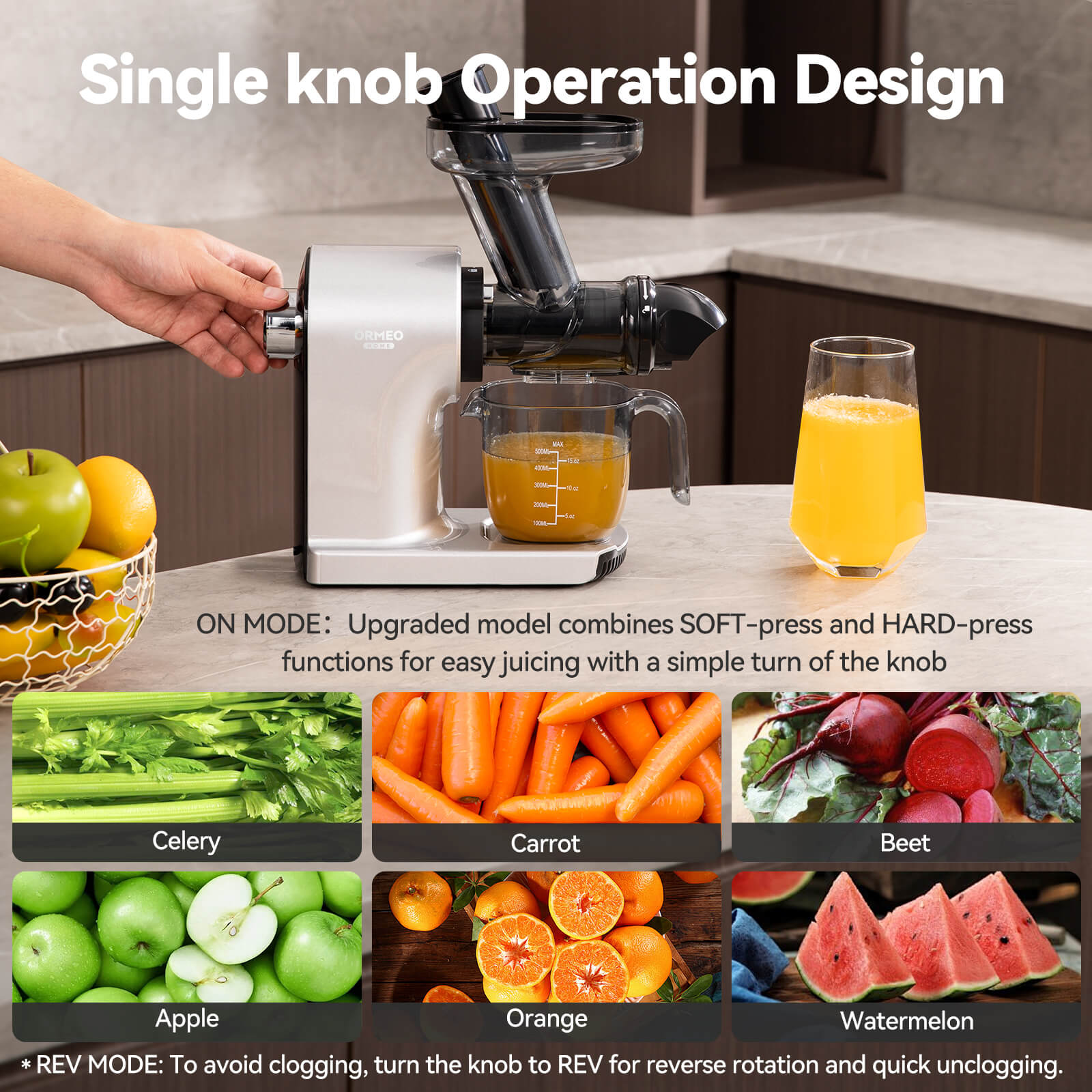
This raw nature, however, gives rise to the most frequent and crucial question: how long does cold pressed juice last? Understanding the juice shelf life is essential for maximizing your investment in health and for preventing juice waste. If you’re using a high-quality machine like the Ormeo 2311 Quiet Cold Press Juicer to make your own fresh juice at home (learn more here: https://ormeohome.com/products/2025-best-cold-pressed-juicer-2311), knowing how to properly store the output is just as vital as the juicing process itself.
We will talk in depth about how long cold-pressed juice lasts, give you useful tips on how to store it, and show you how to safely make your valuable, powerful elixirs last longer.
1. Understanding the Short Shelf Life of Cold-Pressed Juice
We need to first look at how the cold-pressed juice is made and what makes it different from the other kinds of juicers, and the ways of processing juice in order to really understand how long it lasts.
1.1 The Cold Press Difference
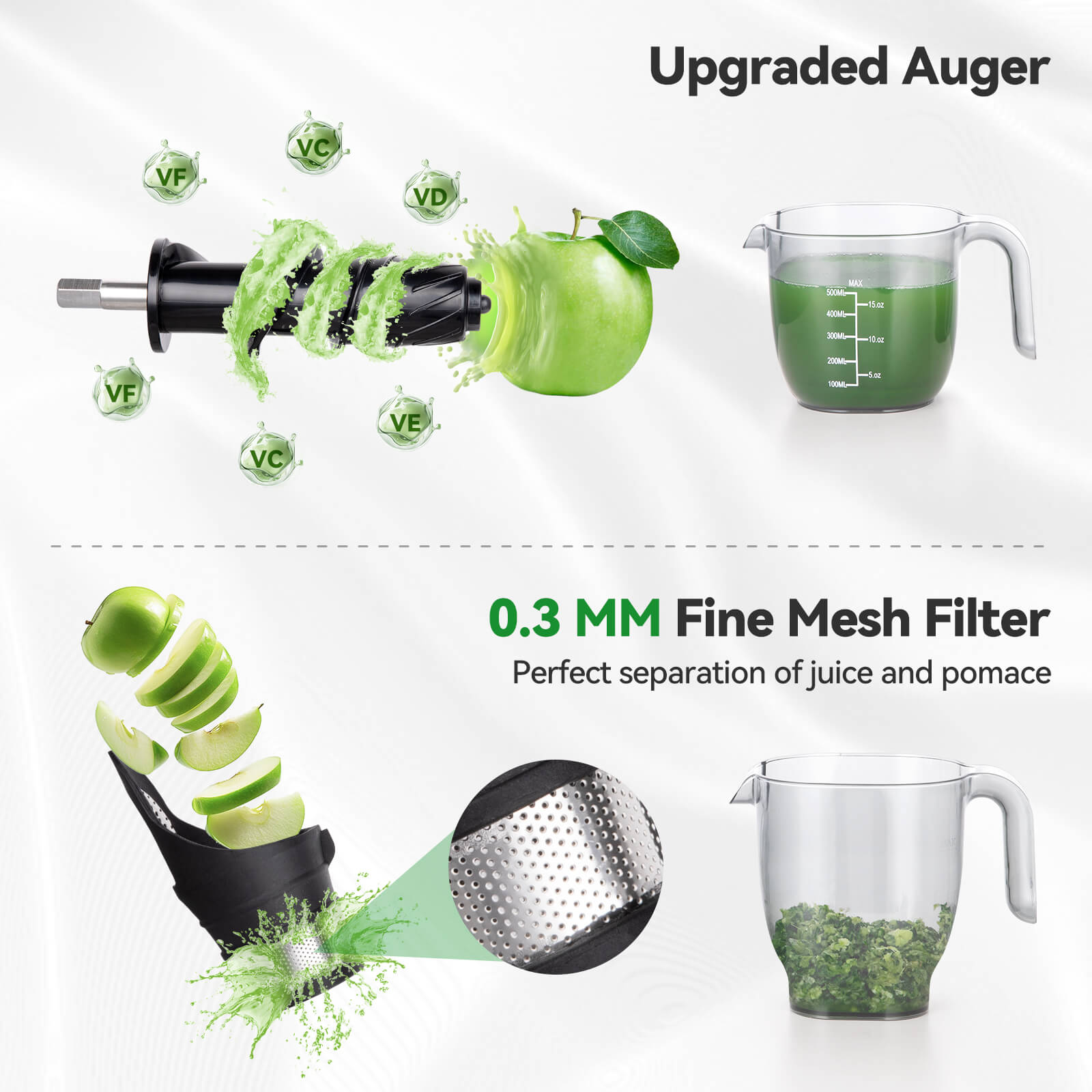
The concept of cold-pressed juice revolves around a specific extraction technique. A cold press juicer, like the Ormeo 2311, uses massive pressure to gently extract juice from the fruit and vegetable matter. Crucially, this process generates minimal heat, unlike centrifugal juicers.
- Nutrient Retention: By avoiding heat, the delicate vitamins, minerals, and live enzymes in the fresh fruit and vegetable juices are preserved. This is why raw cold-pressed juice is lauded for its health benefits.
- Absence of Pasteurization: Because no heat is applied, the cold-pressed juice isn't pasteurized. This means it contains natural microbial elements and enzymatic activity, which ultimately leads to a short shelf life. The bottled juice is alive, and that life means it will go bad much quicker than shelf-stable products.
1.2 Key Factors Influencing Juice Shelf Life
Several variables dictate the ultimate juice shelf life and how long does cold pressed juice actually last:
- Ingredient Content: The content of the juice matters significantly. Juices that have been left with a higher pH (less acidic) tend to have a shorter lifespan. Conversely, a citrus-heavy blend (like those including lemon or lime juice) naturally increase the juice's acidity, offering a slightly better buffer against spoilage. Think of simple apple juice or carrot juice versus a potent, low-pH ginger shot.
- Storage Temperature: The most important thing is the storage temperature. Room temperature of juice spoils much faster than the juice that is kept cold. The juice will last longer if the refrigerator (fridge) stays at a lower temperature.
- Oxygen Exposure (Oxidation): Once bottled, air trapped within or exposure when opening the container introduces oxygen, which initiates juice oxidation. This degrades the color (leading to green juice turning brown), flavor, and nutrient profile.
1.3 Average Shelf Life of Raw Cold-Pressed Juice
The general rule for making raw cold-pressed juice at home with a machine like the Ormeo 2311 Quiet Cold Press Juicer or buying it fresh from a juice bar is:
Approximately 3 to 5 days in the refrigerator.
This duration ensures you are still consuming the juice at its peak freshness and optimal nutrient value. Always check the expiration date provided by a commercial juice bar, but if it's home-made, stick rigidly to the five-day maximum.
2. Essential Storage Tips: How to Make Your Cold Pressed Juice Last
To get the most out of your juice, you must store it correctly. Please follow these tips for storing correctly.
2.1 Refrigeration Best Practices
To ensure your fresh juice maintains its integrity, the fridge must be your first and final destination for the bottled juice.
- Ideal Temperature: Keep the fridge between 34 and 40 degrees Fahrenheit (1 and 4 degrees Celsius). A consistently cold environment slows down the enzymes that could make the juice go bad shortly.
- Placement Matters: Avoid storing the juice on the fridge door, as this area experiences the most temperature fluctuation. Place the bottled juice deep inside the main body of the refrigerator where the temperature is most stable.
- Minimize Time Out: Never leave juices that have been left at room temperature for more than 1–2 hours. The goal is to get the juice within minutes of the juicing process into the cold.
2.2 Choosing the Right Bottle for Freshness
The container is a crucial barrier against juice oxidation.
- Glass vs. Plastic: While plastic bottles of juice are common, glass bottles are superior. Glass doesn't have any holes in it, so it usually makes a better airtight seal, which keeps the juice fresh longer.
- Airtight Seal: Always ensure the bottle is completely full (minimizing air space) and securely sealed to prevent oxygen exposure.
2.3 The Freezer Option: Extending the Shelf Life Significantly
If you have an abundance of fresh produce and want a longer shelf life without immediate consumption, the freezer is an excellent tool.
- Freezing Technique: Pour the cold-pressed juice into a freezer-safe container. Crucially, leave about $1.5$ inches of headspace, as the liquid will expand when frozen.
- Frozen Juice Duration: Frozen juice can maintain quality for up to 3–6 months.
- Thawing (Thaw) Process: Put the frozen juice in the fridge overnight to thaw it slowly. The taste and texture may change a little, but the nutrients stay mostly the same. To get the most freshness out of the juice, you should always drink it right after it has thawed.
3. Preservation & Quality: Increasing the Shelf Life of Cold-Pressed Juice
For those looking to move beyond the 3-5 day window, there are methods to help extend shelf life while preserving the raw cold-pressed quality.
3.1 High-Pressure Processing (HPP)
HPP is a commercial preservation method that has revolutionized the bottled juice market.
- What is HPP: HPP uses extreme pressure (up to 87,000 psi) rather than heat to inactivate pathogens and spoilage microorganisms. This extends the juice's shelf life dramatically—often to 30 days or more—while minimally affecting the flavor and nutrient content.
- Consumer Choice: If you buy commercial cold-pressed juice offers that last longer, they likely use HPP. If you use the Ormeo 2311 Quiet Cold Press Juicer at home, this method is not available, underscoring the importance of strict home storage tips.
3.2 Natural Preservatives in Pressed Juices
You can influence the shelf life without artificial additives by using fresh natural ingredients:
- The Power of Citrus: Adding a generous amount of lemon or lime juice—for instance, 1/4 to 1/2 of a lemon juice per large batch of green juice or orange juice—naturally increase the juice's acidity. This creates an environment less hospitable to spoilage, helping the juice can last longer.
- Ginger and Turmeric: These roots contain natural antimicrobial properties that can help keep the juice stable.
3.3 Recognizing When the Juice Goes Bad
Even with the best storage tips, you must recognize the signs of spoilage before you drink the juice:
- Change in Color: Green juice turning brown or a significant darkening in color is a strong indicator of advanced juice oxidation and spoilage.
- Taste and Smell: The juice may smell sour, fermented, or alcoholic. Any fizzy taste suggests unwanted bacterial growth.
- Sediment: While some separation is normal in natural juice, if there is excessive bubbling or thick, mold-like sediment, the juice that’s present has go bad.
Conclusion: Enjoying the Longest Shelf Life with Ormeo
Understanding how long does cold pressed juice last is the key to maximizing the health benefits of your fresh fruit and vegetable juices. For raw cold-pressed products made using the efficient Ormeo 2311 Quiet Cold Press Juicer, the general rule is to consume them unopened and strictly refrigerated within 3 to 5 days in the refrigerator.
You can make sure that your fresh pressed juice stays as strong and fresh as possible by keeping your fridge cold and stable, using airtight bottle storage, and adding natural acids like lemon or lime juice. Follow these tips to make sure your high-quality, nutrient-rich drinks last as long as possible.
Do you have a specific fruit and vegetable blend you'd like to make, and would you like me to calculate its estimated shelf life based on acidity?









Share:
What Are Masticating Juicers? A Guide to Choosing the Best Masticating Juicer
How To Make Turmeric Shot? Ginger Turmeric Wellness Shot: Lemon Recipe