

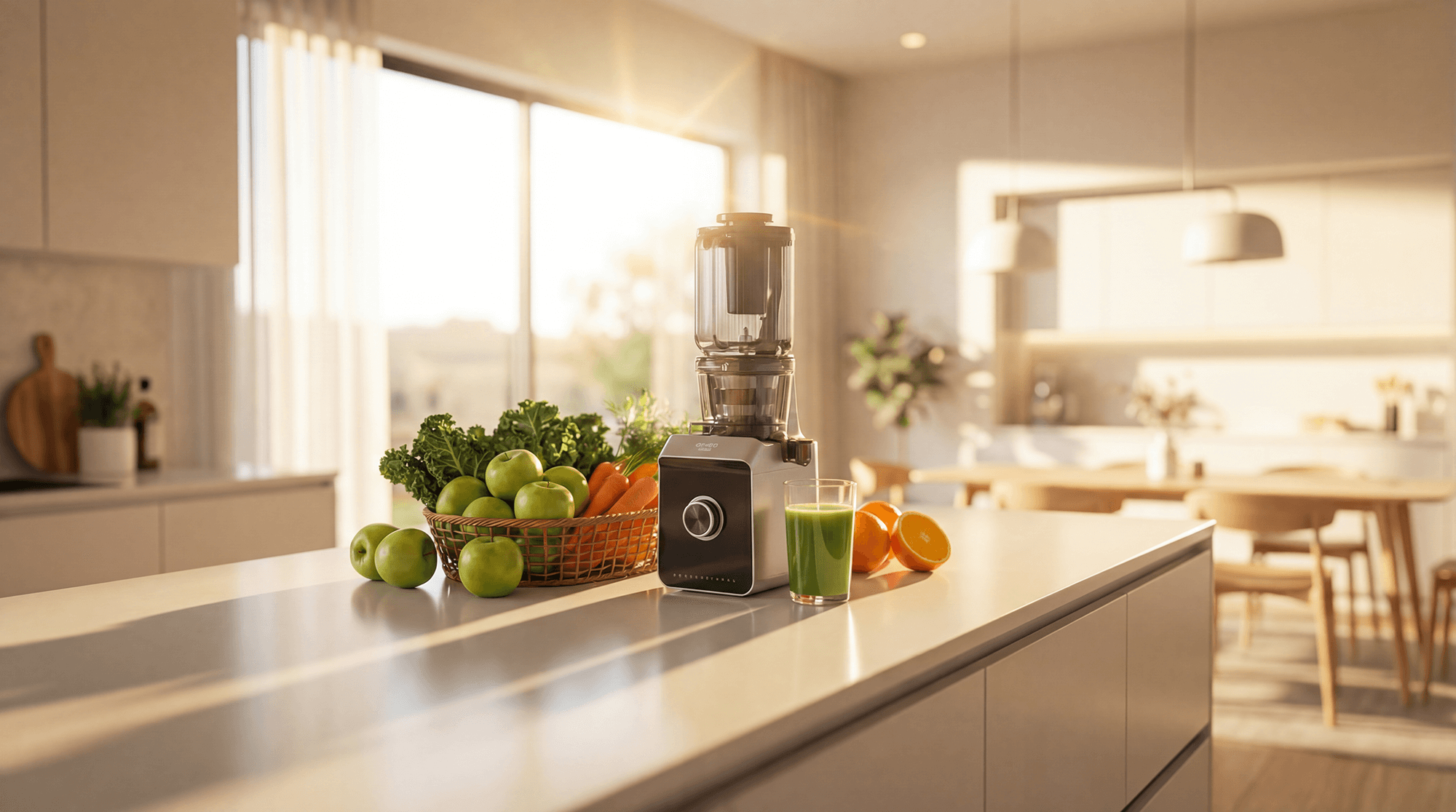
Best Juicer: How Much For A Great Juicer in 2025?
When you ask, "How much for a juicer?", the answer isn't as simple as a single price tag. In 2025, the juicers on the market range from $50 bargain bin rattling machines to $2,000 commercial-grade beasts. Finding the best juicer for your specific needs—whether you want to boost your immune system with green juice or just want a fresh glass of orange juice on Sundays—requires understanding where your money actually goes.
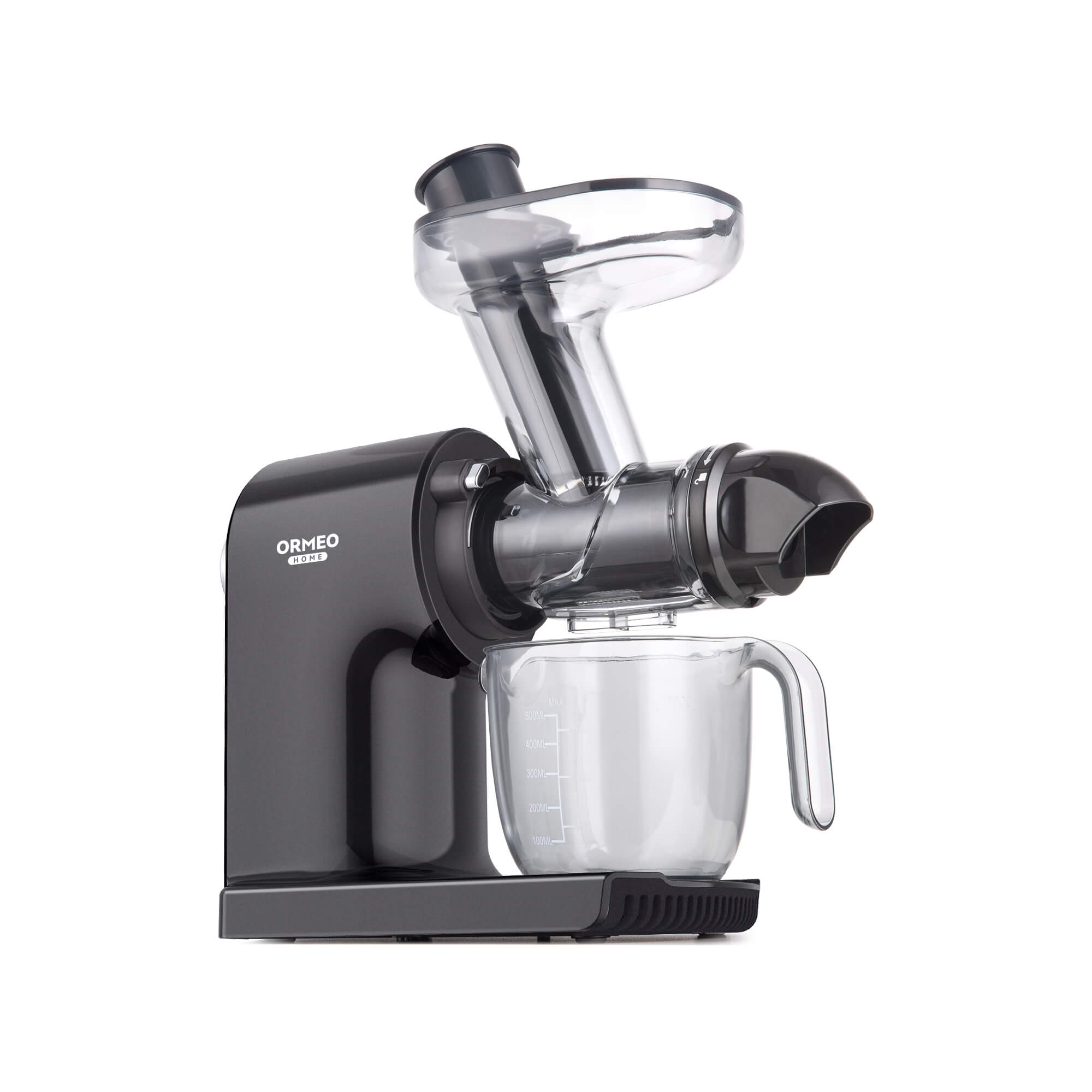
A juicer is a great investment for your health, but you don't necessarily need to spend a fortune to get high-quality results. In this guide, we break down the costs, the types, and why the Ormeo 2311 Quiet Cold Press Juicer might just be the smart "middle ground" champion for 2025.
Types of Juicers: Understanding the Price Tiers
To understand the price, you have to understand the tech. Generally, you are paying for three things: yield (how much dry pulp is left), nutrient preservation, and ease of use.
Centrifugal Juicers
These are usually your budget pick. Ranging from $50 to $150, machines like the Breville Juice Fountain Plus or Hamilton Beach Big Mouth use a fast-spinning mesh basket with a stainless steel grating disc.
- Pros: They are fast. You can shove whole apples down the feed chute.
- Cons: They are loud (like a jet engine). The high speed creates heat and oxidation, which kills enzymes. The resulting juice separates quickly and is foamy.
- Cleaning: The strainer is often harder to clean because you have to scrub the sharp mesh to remove bits of pulp.
Slow Juicers (Masticating Juicers)
Also known as cold press juicers, these operate at a slow RPM (revolutions per minute). They use an auger to slowly crush and squeeze fruits and vegetables.
- Price Range: $150 - $600.
- Pros: Much higher yield, especially from leafy greens like kale and spinach. The juice lasts longer (up to 72 hours) without separating. Quiet operation.
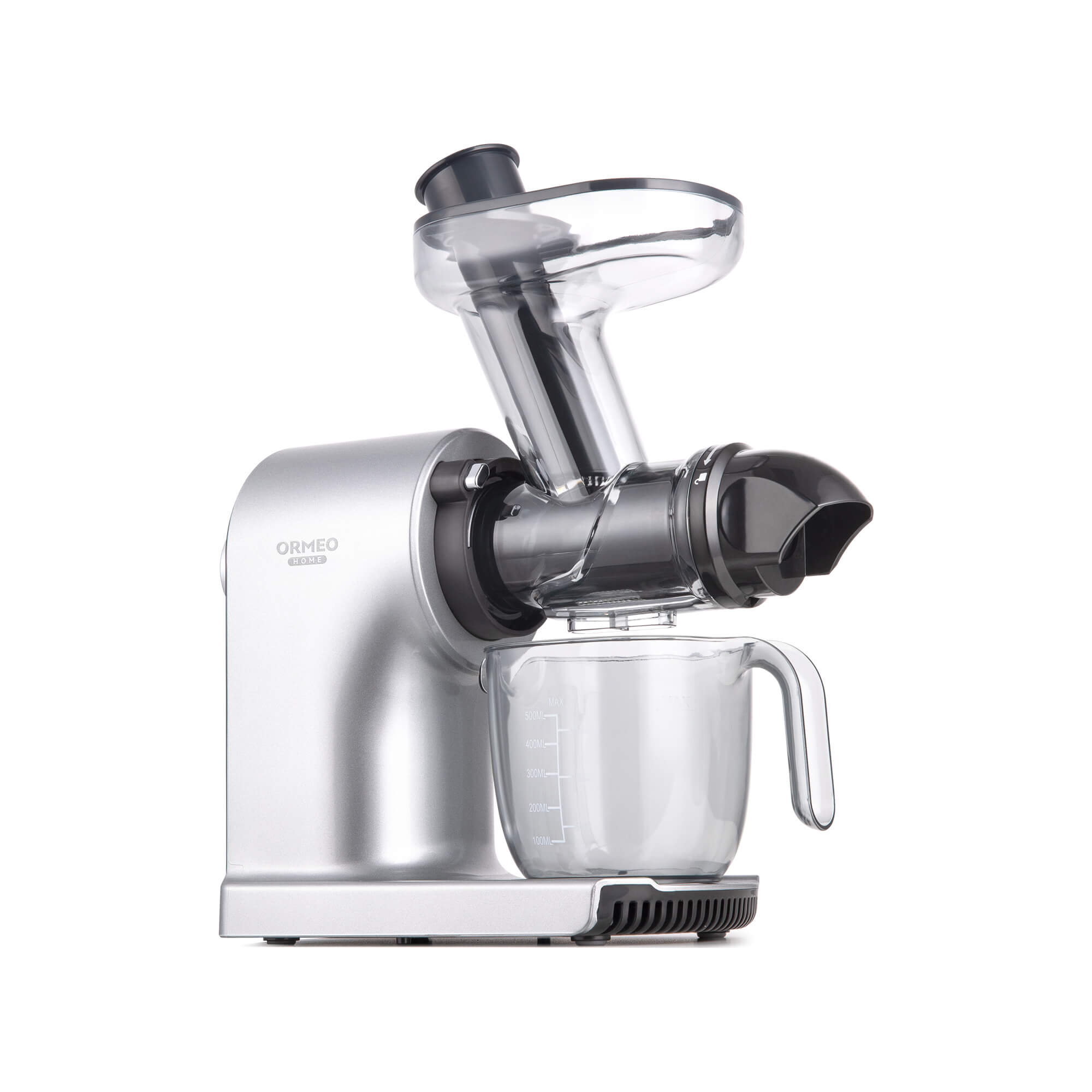
- The Ormeo Advantage: This is where the Ormeo 2311 Quiet Cold Press Juicer shines. It offers the nutrient retention of high-end slow juicers but at a price point that makes sense for families.
Triturating Juicers
The heavyweights. Brands like Tribest make these twin-gear machines. They grind produce between two gears.
- Price Range: $600 - $1,500+.
- Pros: Maximum extraction from fibrous veggies and celery.
- Cons: Massive, heavy, and very complex to assemble and clean.
Nama J3 and Nama J2
If you’ve been on Instagram, you’ve likely seen the Nama J2 or the buzz surrounding the newer Nama J3. These are multi-batch style slow juicers with a large hopper capacity.
- The Cost: You are looking at a price tag of around $550.
- The Hype: The "hands-free" batching is the main selling point. You can load a whole recipe into the hopper, walk away, and come back to delicious juice.
- The Reality: While the juice from the Nama is excellent, the price is a barrier for many. Do you need to spend over $500 to get a glass of juice? Not necessarily.
Kuvings and Wide Chute Options
Kuvings is another giant in the vertical juicers space, known for inventing the wide mouth chute. A Kuvings machine allows you to drop in whole ingredients, which means you don't have to cut everything into tiny pieces.
- Performance: They are excellent juicers on the market, particularly for hard root vegetables.
- Downside: Like Nama, they are expensive. Also, some users find the deep vertical chutes can clog if you feed fibrous items like celery too quickly without chopping them.
Best Juicer of 2025: The Rise of the Compact Juicer
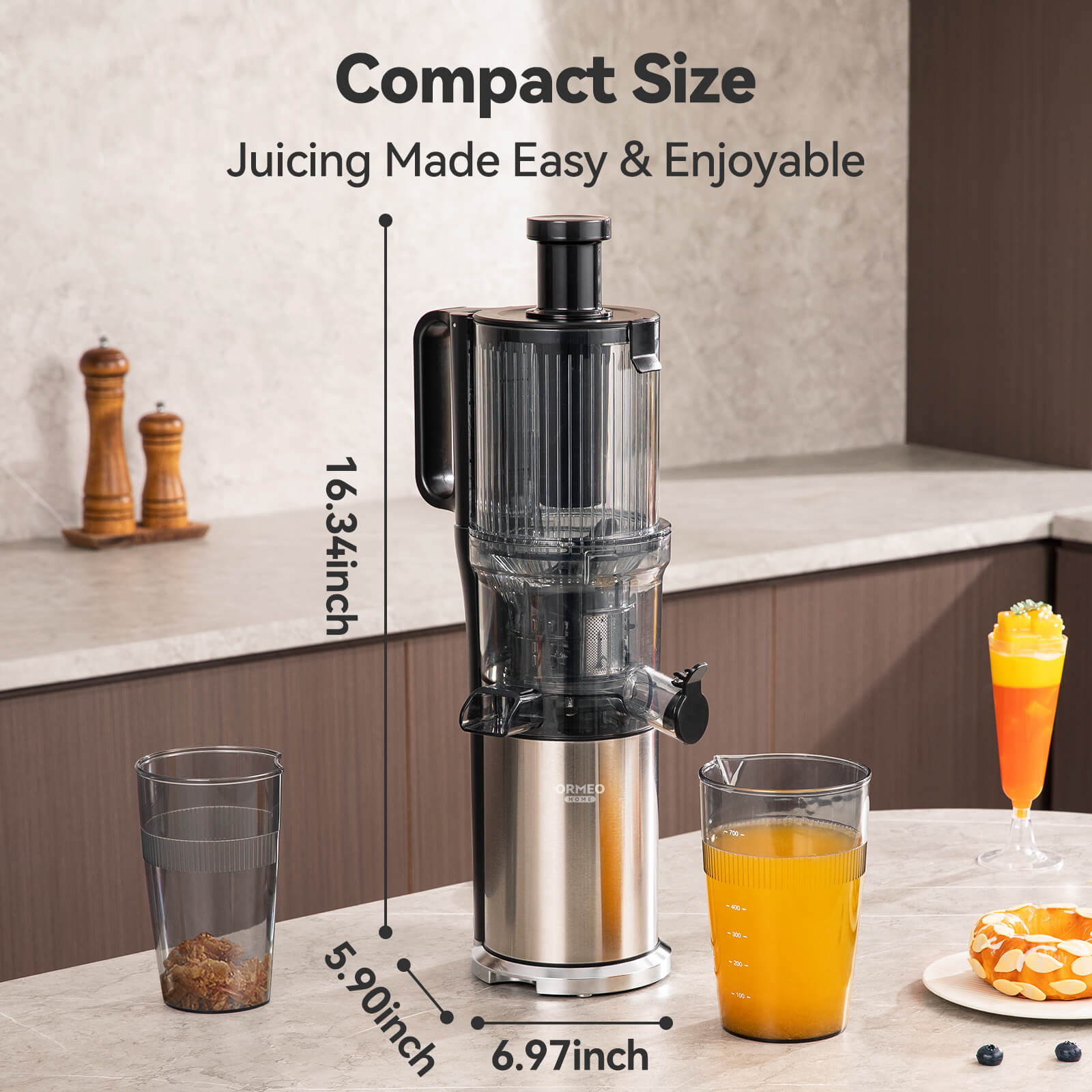
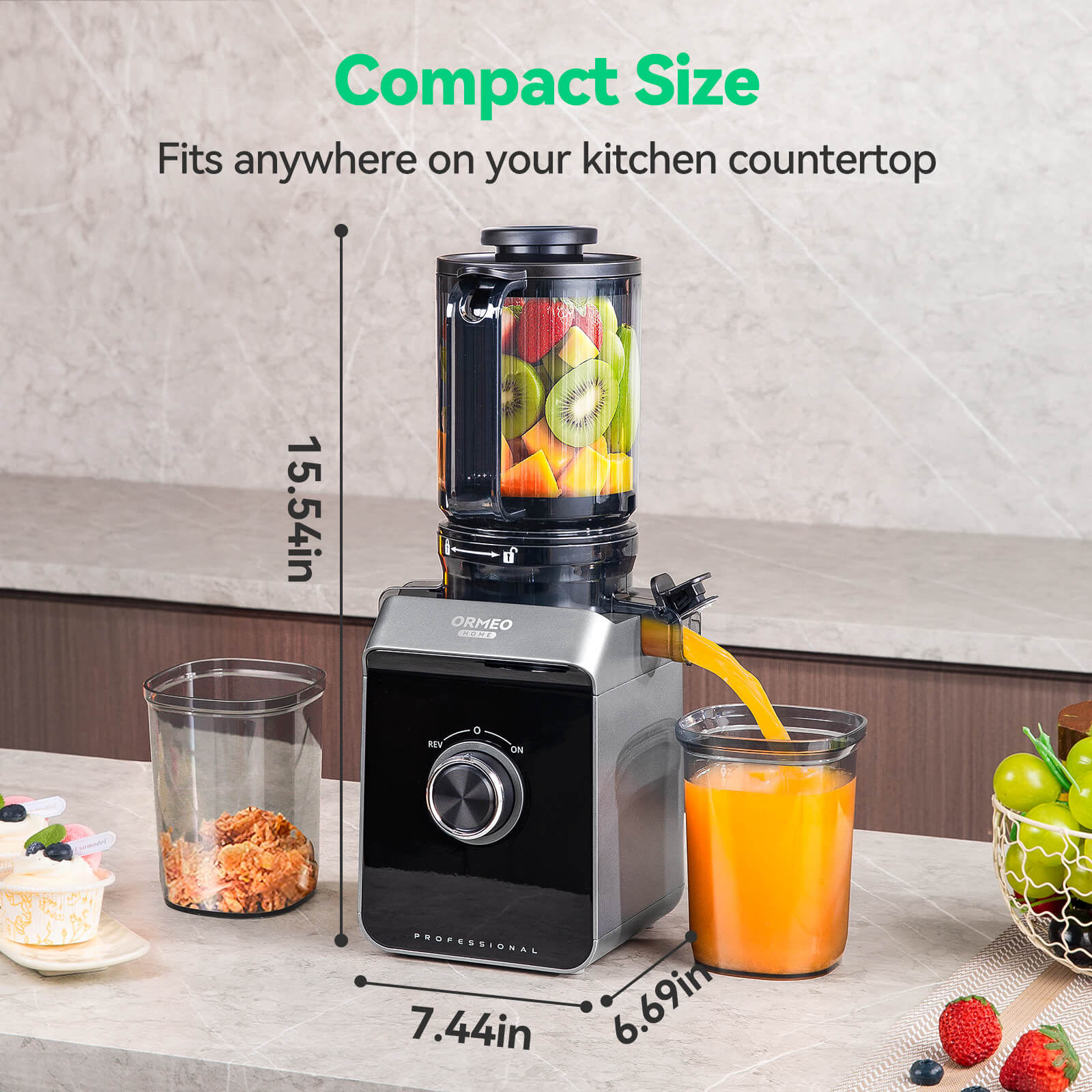
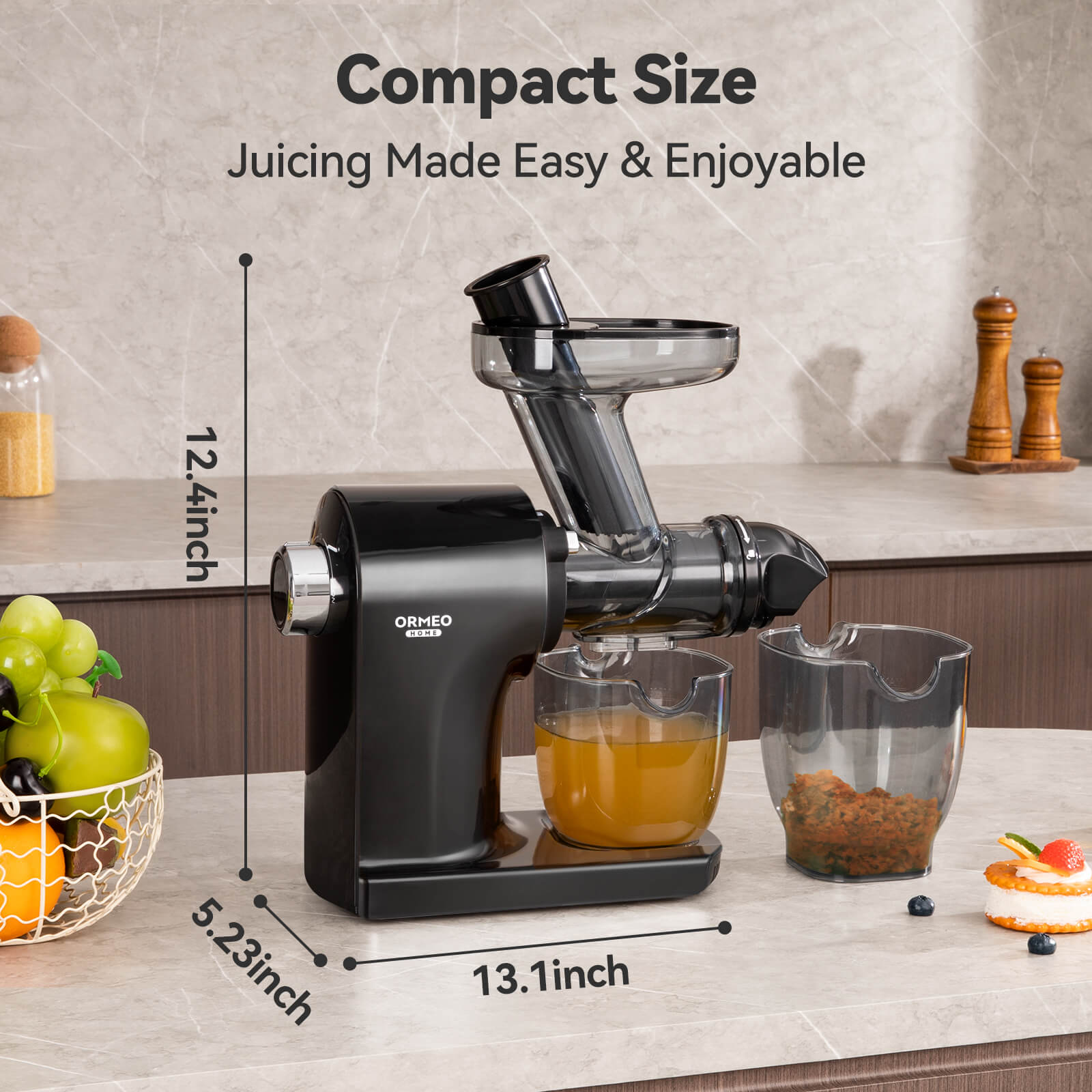
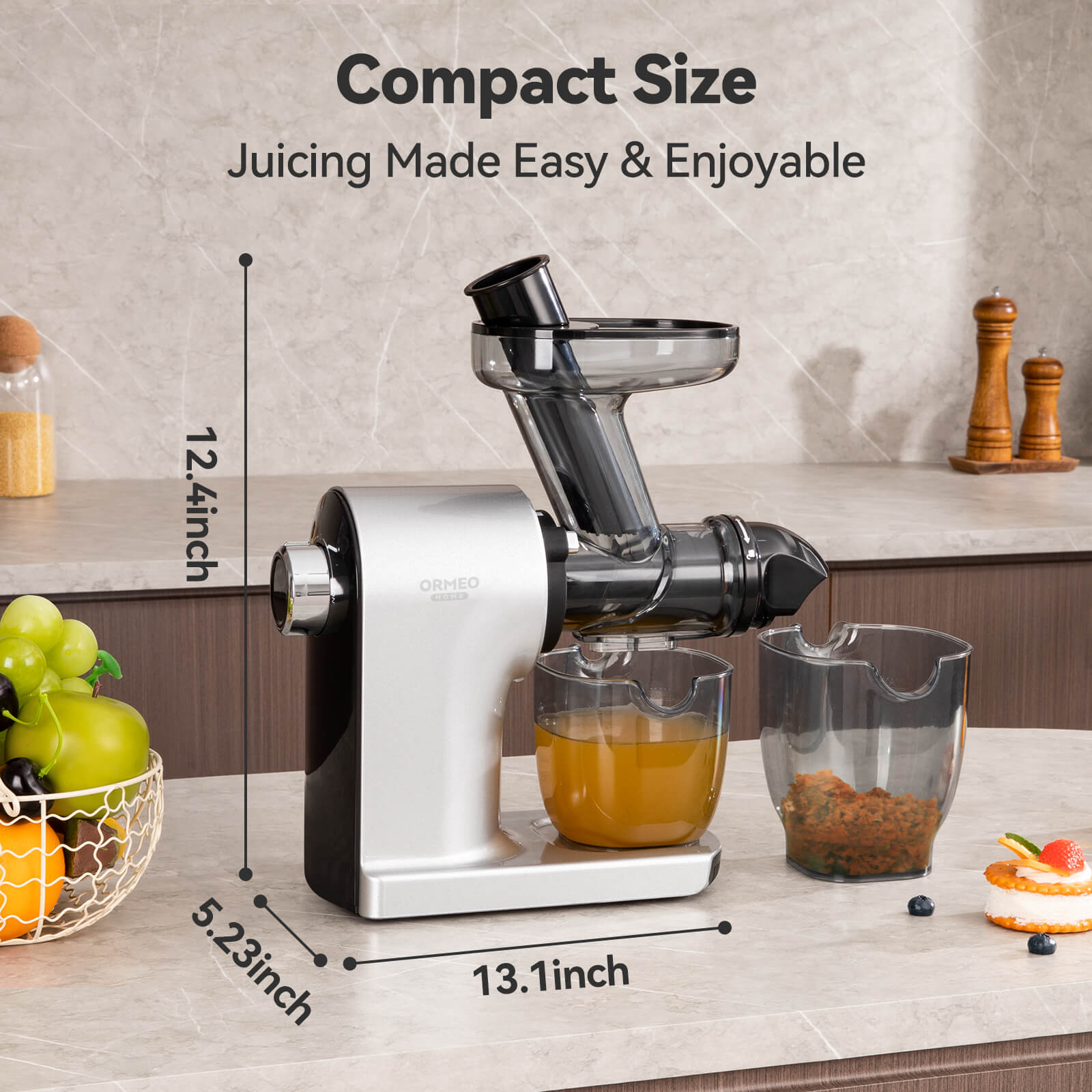
Bigger isn't always better. Many juice enthusiasts are moving away from bulky machines that dominate the counter. A compact juicer fits under cabinets and is easier to clean because the parts are smaller and more manageable.
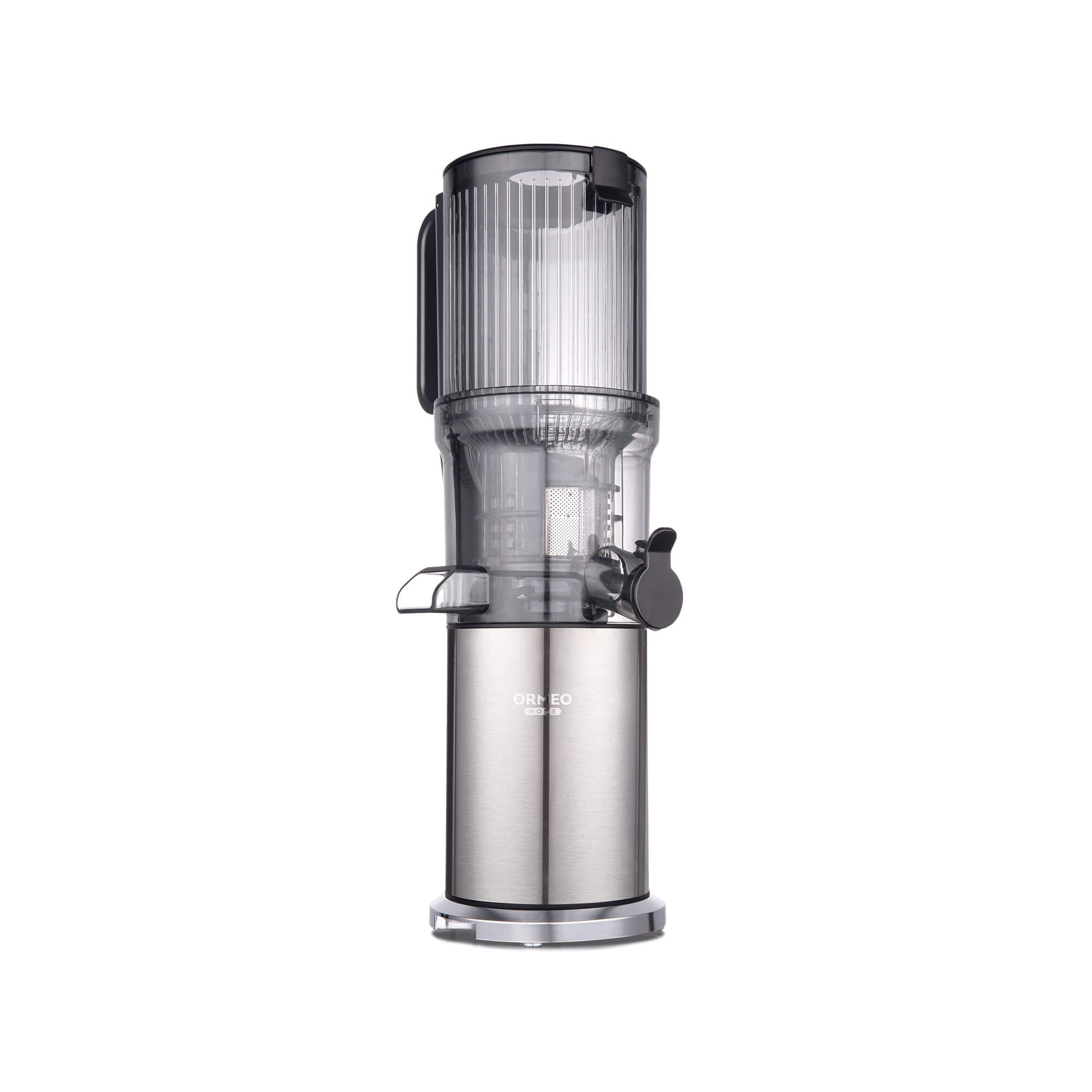
The Smart Choice: Ormeo 2311 Quiet Cold Press Juicer
When we look at juicers we tested for value, the Ormeo 2311 stands out. It features a compact design with a smaller footprint than the Breville Juice Fountain Compact or the bulky Omega horizontal units.
- Quiet Power: It operates at a low speed to ensure cold press quality, preserving nutrients and enzymes.
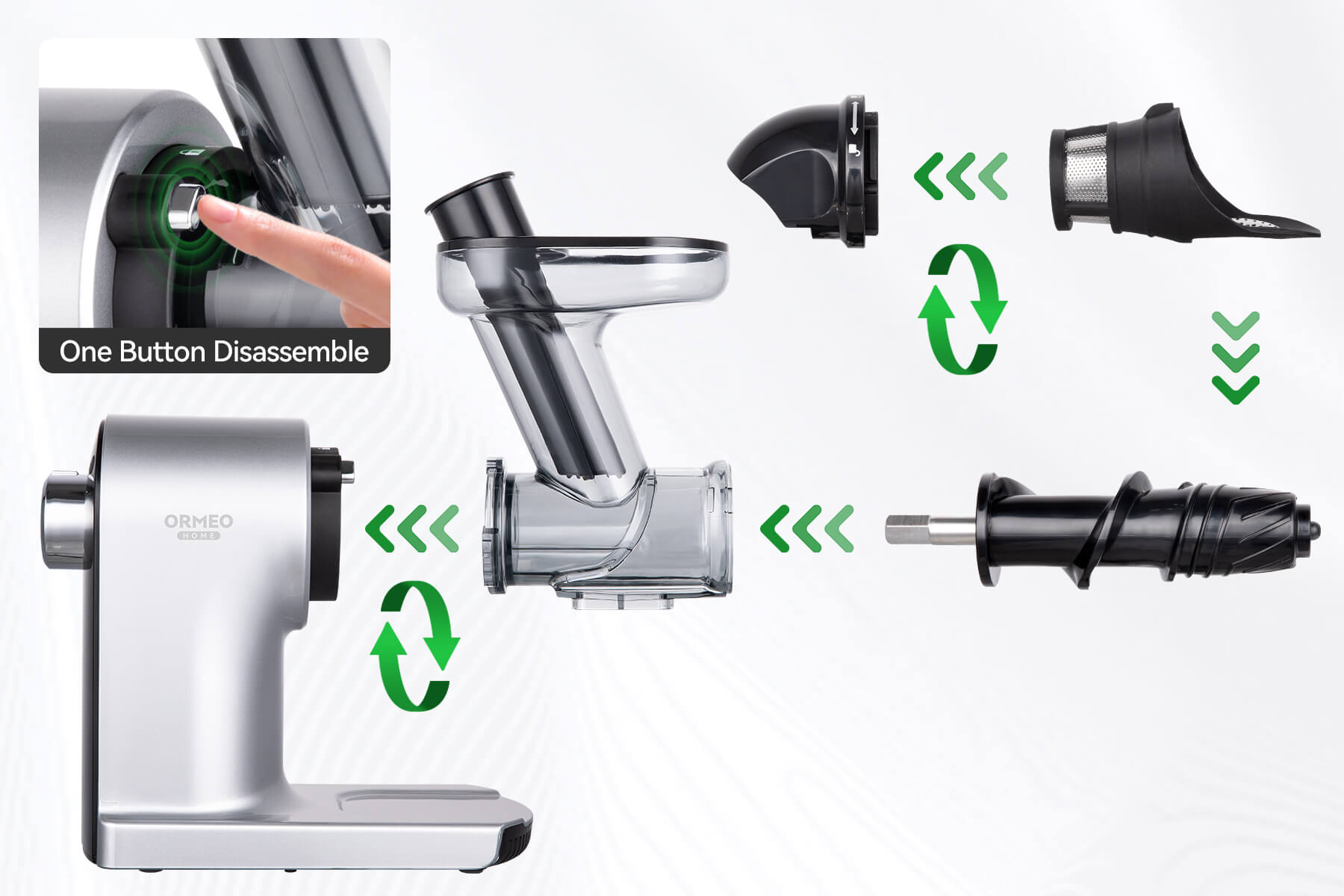
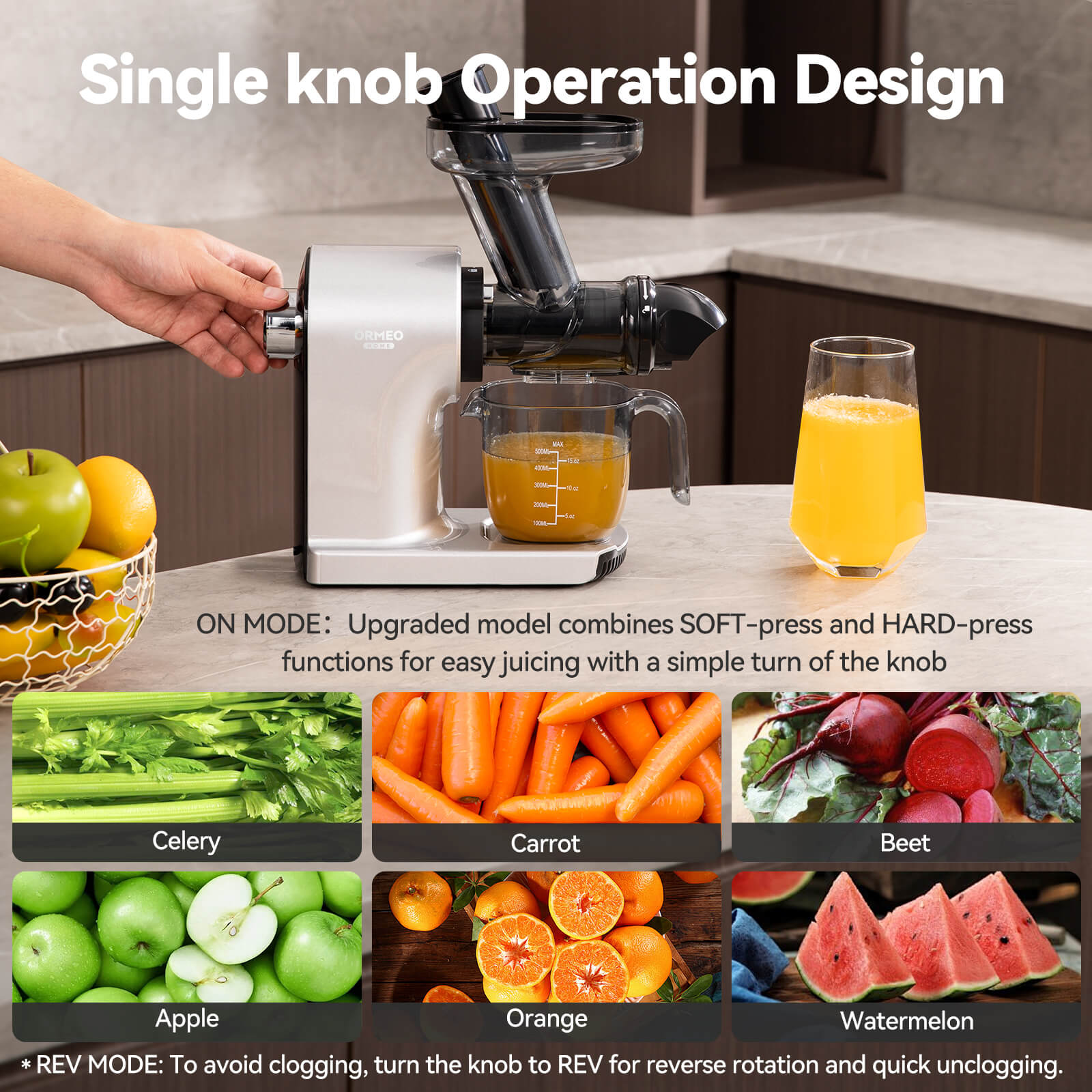
- User Experience: It is designed to be easy to use. You don't need a PhD to assemble it.
- Cleanup: The dreaded cleanup is minimized. Unlike the nightmare of scrubbing a centrifugal juicer basket, the Ormeo parts rinse clean quickly.
- Price: It delivers the high-quality juice of a $500 machine for a fraction of the cost.
- Check it out here: 2025 Best Cold Pressed Juicer - 2311
Juicers We Tested: The "Easy to Clean" Factor
Let’s be honest: if a juicer is harder to clean, you won't use it. You will shove it in a cupboard.
- Centrifugal: The Breville Juice Fountain series is fast to juice but annoying to wash. The mesh traps fibers.
- Vertical Slow Juicers (Hurom/Kuvings): Better, but often have a "pulp ejection port" that requires a special brush to dig out.
- Ormeo 2311: Designed with ease of cleaning in mind. The parts are streamlined. Many can be quickly hand-washed in under 3 minutes. This encourages you to use the juicer regularly.
Cold Press vs. Masticating Juicer
You will hear these terms used interchangeably. A masticating juicer is simply the technical term for a machine that "chews" the produce. Cold press refers to the lack of heat. Whether you choose a Tribest, a Hurom, or an Ormeo, stick to masticating/cold press if you care about green juice. A high-speed Nutribullet or Vitamix (which are blenders, not juicers) creates a smoothie full of fiber, whereas these juicers separate the pulp for a pure nutrient hit.
Budget Pick: Affordable Juicers
If you strictly cannot spend more than $60, a Cuisinart Juice Extractor or Breville Juice Fountain Compact is better than nothing. You will get fresh juice. However, be prepared for wet pulp (wasted money on produce) and a louder morning routine. For just a bit more investment, moving up to a specialized slow juicer like the Ormeo pays for itself in grocery savings because the yield is so much higher. You buy fewer fruits and vegetables to get the same amount of juice.
Juice Recipe: Delicious Juice Blends
Once you have your great juicer, what should you make? Here is a recipe that tests a juicer's ability to handle various textures.
The "Green Glow" Daily Blend
- 2 stalks of Celery (tests fibrous handling)
- 1 Green Apple (adds sweetness)
- 1/2 Cucumber (high water content)
- 1 handful of Spinach (leafy greens)
- 1/2 Lemon (peeled)
Instructions:
-
Turn on your slow juicer.
-
Feed the spinach first, followed by the apple to push the leaves through.
-
Add celery and cucumber.
-
Finish with lemon. With the Ormeo 2311, you'll notice the pulp is very dry, meaning the juicer gave you maximum extraction.
Making the Decision
In 2025, the best juicers of 2025 aren't necessarily the most expensive ones. While the Nama J2 and Nama J3 offer luxury convenience, and Tribest offers medical-grade gearing, the Ormeo 2311 Quiet Cold Press Juicer offers the perfect balance of price, performance, and size.
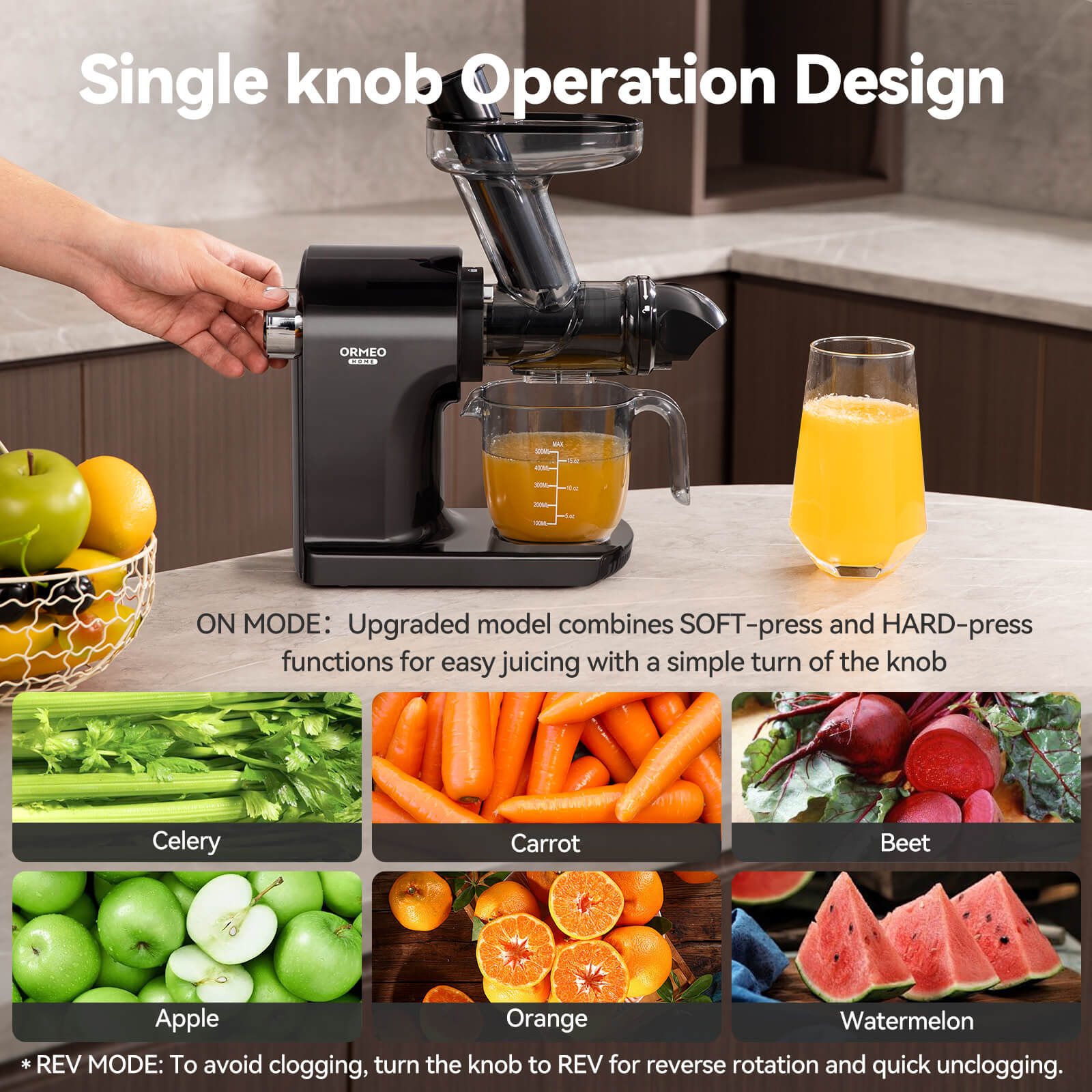
If you want delicious juice, easy-to-clean parts, and a machine that handles fruits and veggies—from soft berries to hard carrots—without taking up your whole kitchen, the choice is clear. Don't let the price tag of big brands scare you away from a healthy lifestyle.
Frequently Asked Questions (FAQ)
1. Why are cold press juicers more expensive than centrifugal ones?
Cold press (masticating) juicers use a complex motor and auger system to crush produce slowly with high torque. This engineering preserves more nutrients, enzymes, and flavor compared to the high-speed spinning of centrifugal models. While the upfront cost is higher, the increased juice yield saves money on groceries over time, and the resulting juice is of significantly higher quality with less oxidation.
2. Can the Ormeo 2311 handle leafy greens like kale and spinach?
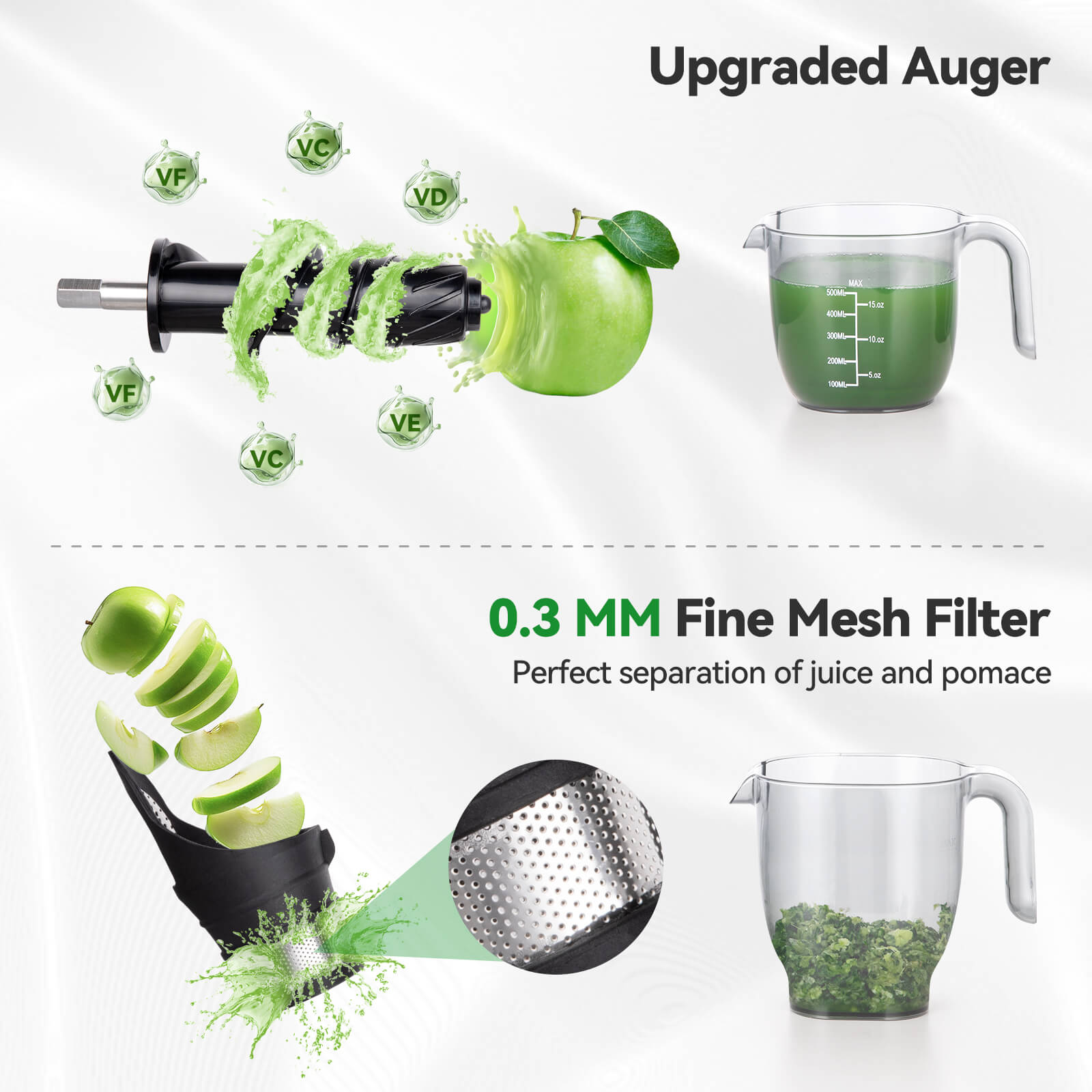
Yes, absolutely. The Ormeo 2311 is a slow masticating juicer specifically designed to handle fibrous leafy greens. Unlike centrifugal juicers that often spin greens into the pulp bin without extracting much liquid, the Ormeo's auger squeezes the leaves tightly against the screen. For best results, we recommend alternating handfuls of greens with harder items like apples or carrots to help push everything through smoothly.
3. How long does juice from a cold press juicer last?
Because cold press juicers minimize heat and oxidation during the extraction process, the juice stays fresh for much longer than juice from a centrifugal machine. You can store juice from the Ormeo 2311 in an airtight glass container in the refrigerator for up to 72 hours (3 days) without significant loss of nutrients or separation. This makes it ideal for meal prepping your juice for the week.
4. Is the Ormeo 2311 really easy to clean?
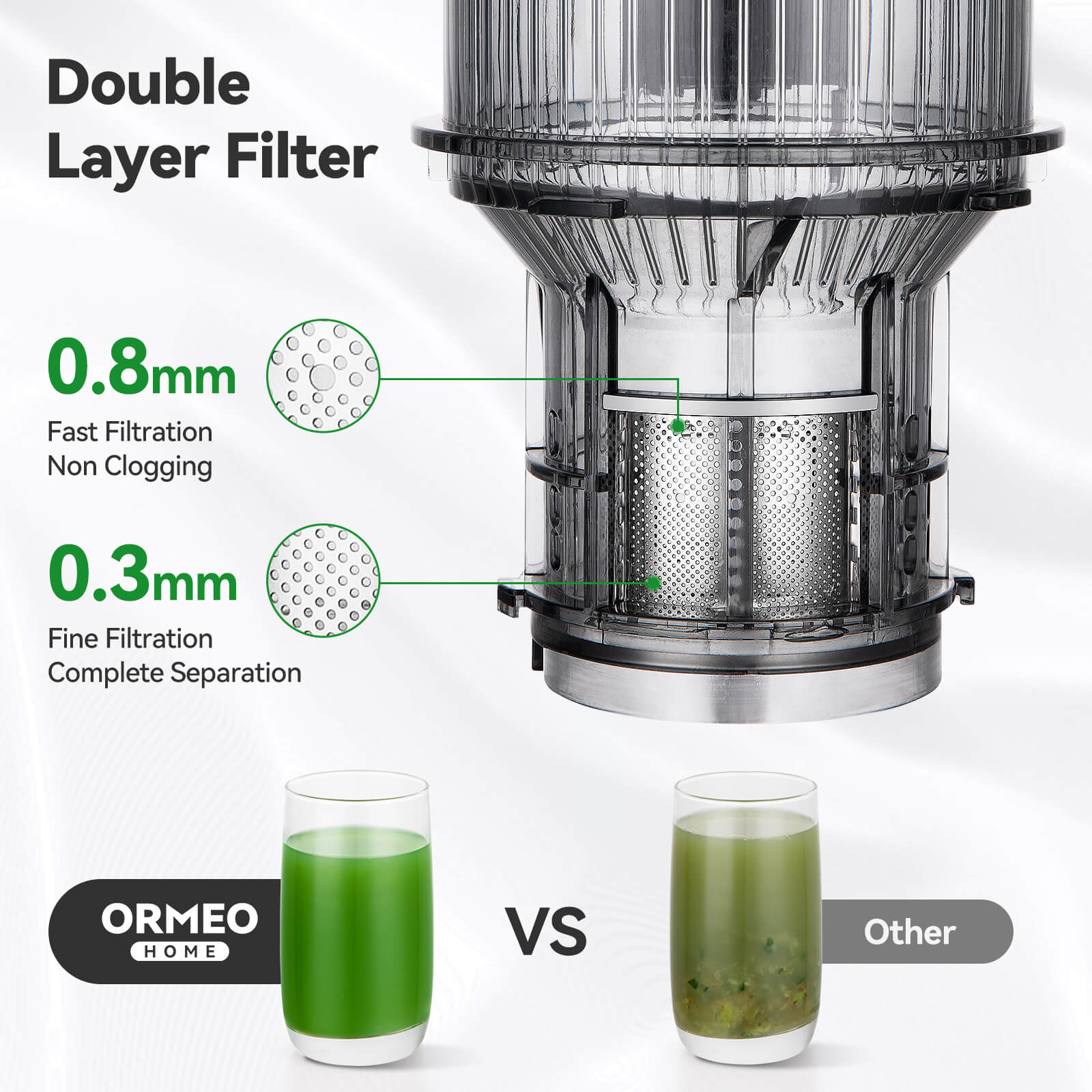
Ease of cleaning is a top priority for the Ormeo 2311 design. It has fewer nooks and crannies than many competitors. Most parts can be rinsed clean under warm water in seconds. It includes a specialized cleaning brush for the filter screen. Generally, the entire cleaning process takes less than 3 minutes if done immediately after juicing, preventing pulp from drying and sticking to the parts.
5. Do I need to peel ingredients before juicing?
It depends on the ingredient. You should peel citrus fruits (oranges, grapefruits, lemons) if you want to avoid the bitter taste of the rind, though the juicer can handle them. You must remove thick, inedible skins like pineapple, melon, and mango. However, for thin-skinned produce like apples, carrots, cucumbers, ginger, and beets, you do not need to peel them—just wash them thoroughly before putting them in the feed chute.
6. What is the difference between a blender and a juicer?
A blender (like a Vitamix or Nutribullet) pulverizes the whole fruit, including the fiber, creating a thick smoothie. A juicer separates the liquid (juice) from the solid fiber (pulp). Juicing provides a rapid infusion of vitamins and minerals that hits your bloodstream quickly without requiring digestion of heavy fiber. Both are healthy, but they serve different purposes. The Ormeo 2311 is strictly for making nutrient-dense juice.
7. Is a wide chute juicer worth the extra money?
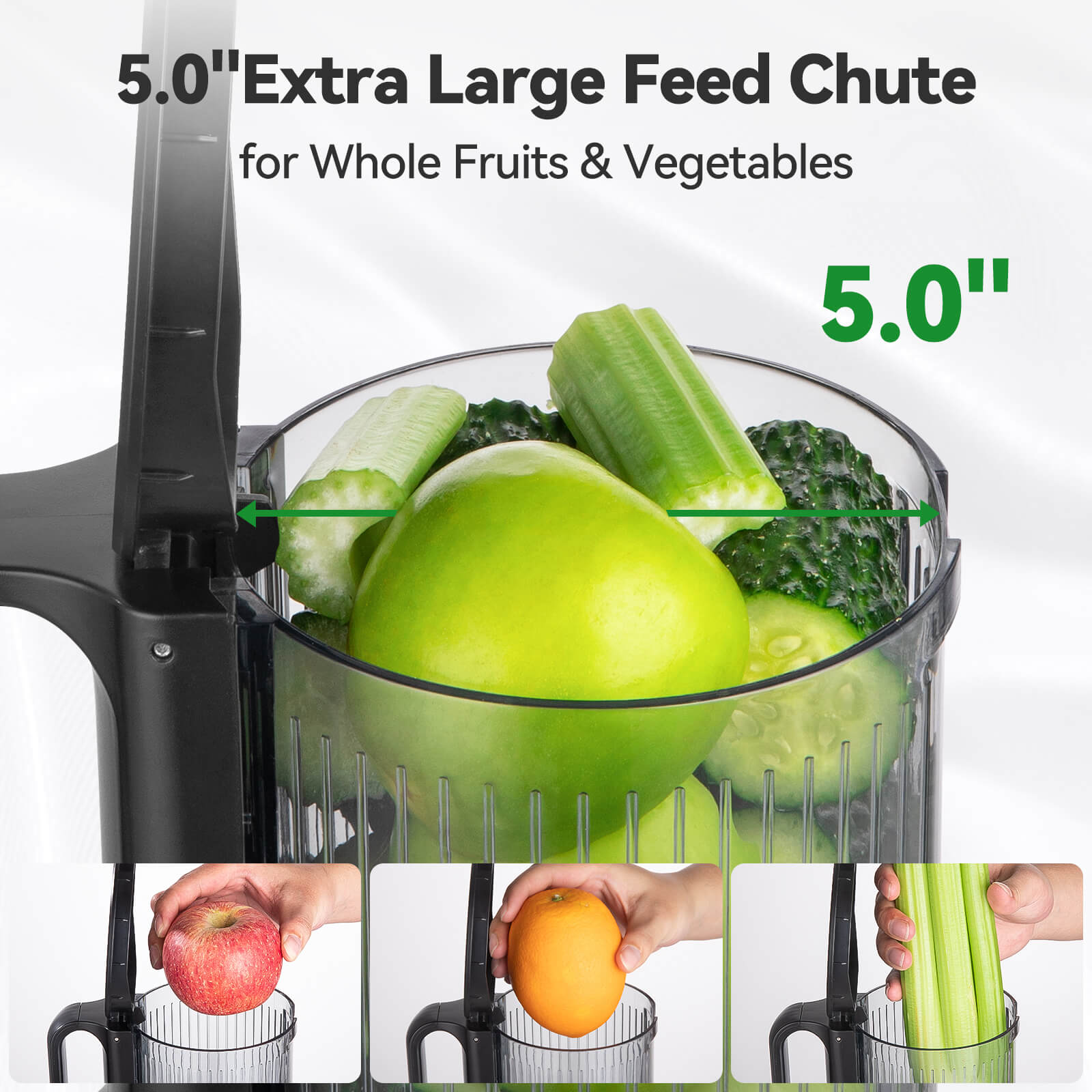
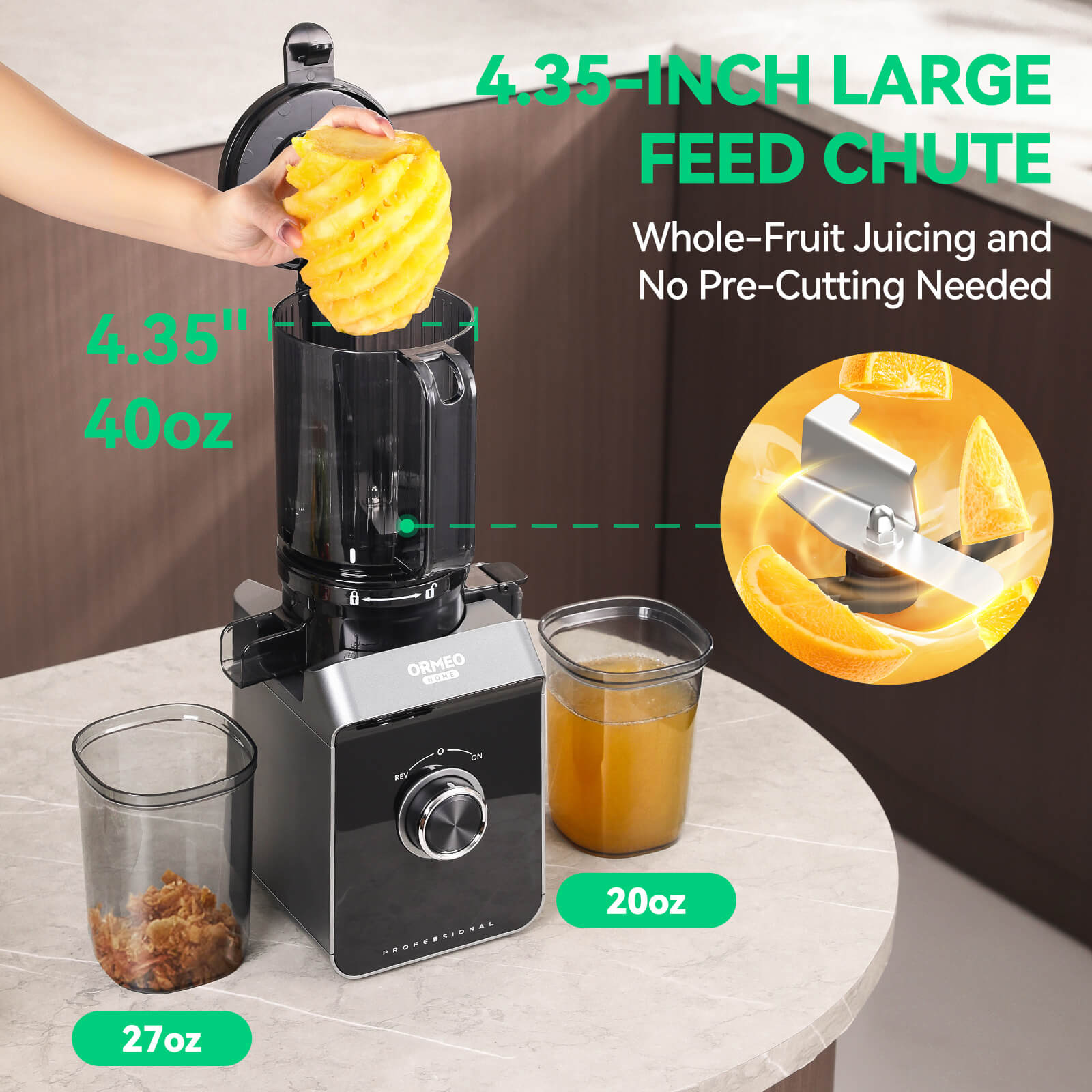
Wide chute juicers allow you to insert whole apples or larger chunks of produce, which saves prep time since you don't have to cut everything into tiny pieces. However, even with wide chutes, we often recommend cutting very fibrous items (like celery) or very hard items (like large beets) into smaller chunks to extend the life of your motor and strainer. The Ormeo balances chute size with compact efficiency.
8. How loud is the Ormeo 2311 compared to a Breville?
The difference is night and day. A Breville centrifugal juicer can sound like a vacuum cleaner or jet engine (80-90 decibels), making it disruptive in the morning. The Ormeo 2311 is a "Quiet" cold press juicer, typically operating around 60 decibels—similar to the volume of a normal conversation. You can juice in the morning without waking up the entire household.









Share:
How To Do a Juice Detox at Home? Detox Juice & Easy Juice Recipes
Best Juice For Sick: Immunity-Boosting Juice to Boost Your System