

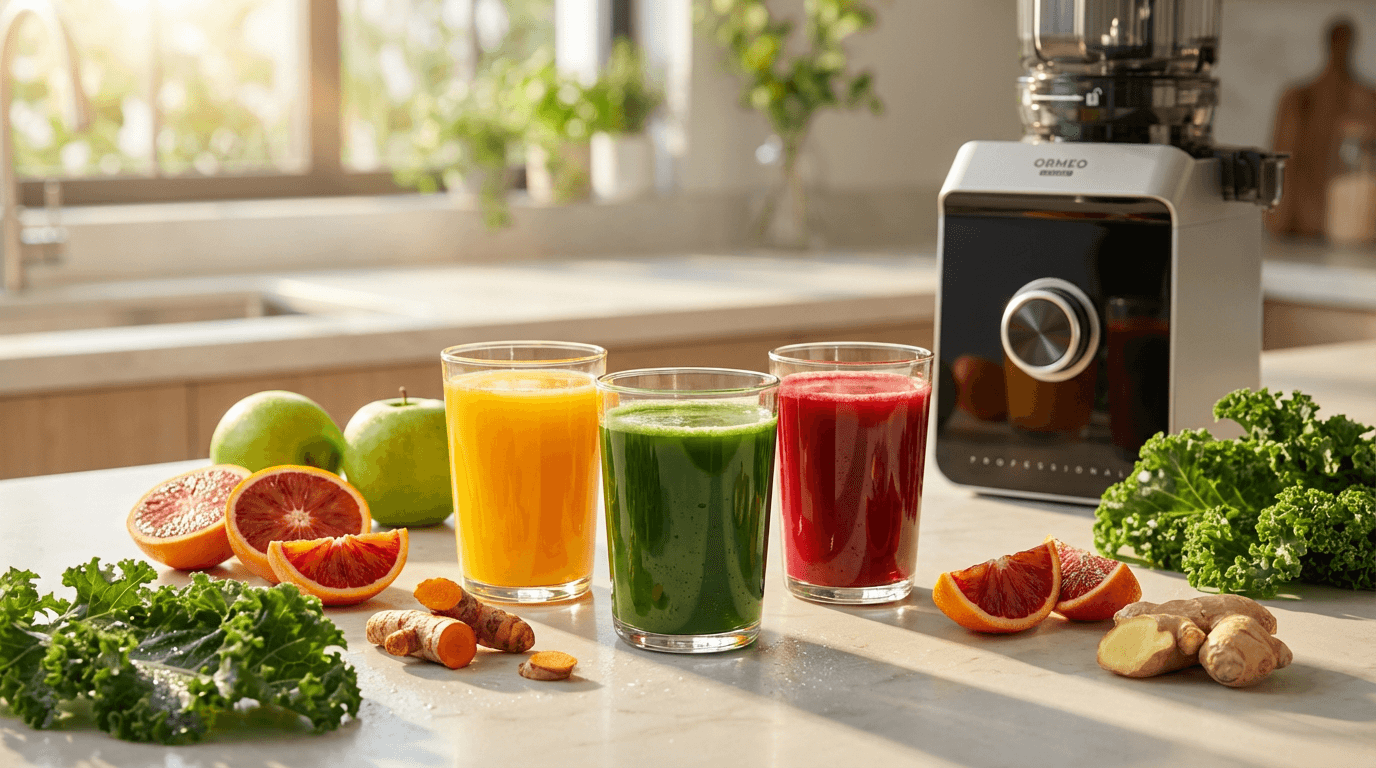
Best Juice to Drink When You’re Sick: The Ultimate Guide to Immunity-Boosting Blends
There is nothing quite like the misery of the flu. The body aches, the congestion, the fatigue that makes getting out of bed feel like climbing a mountain. When you're feeling under the weather, your body is waging a war on the cellular level, and it’s screaming for reinforcements.
While rest and hydration are non-negotiable, what you put into your body matters just as much. You don’t just need calories; you need high-performance fuel. This is where the best juice to drink comes into play. We aren't talking about the sugary, pasteurized cartons from the supermarket aisle. We are talking about fresh, living, immunity-boosting juice that hits your system like a bolt of vitality.
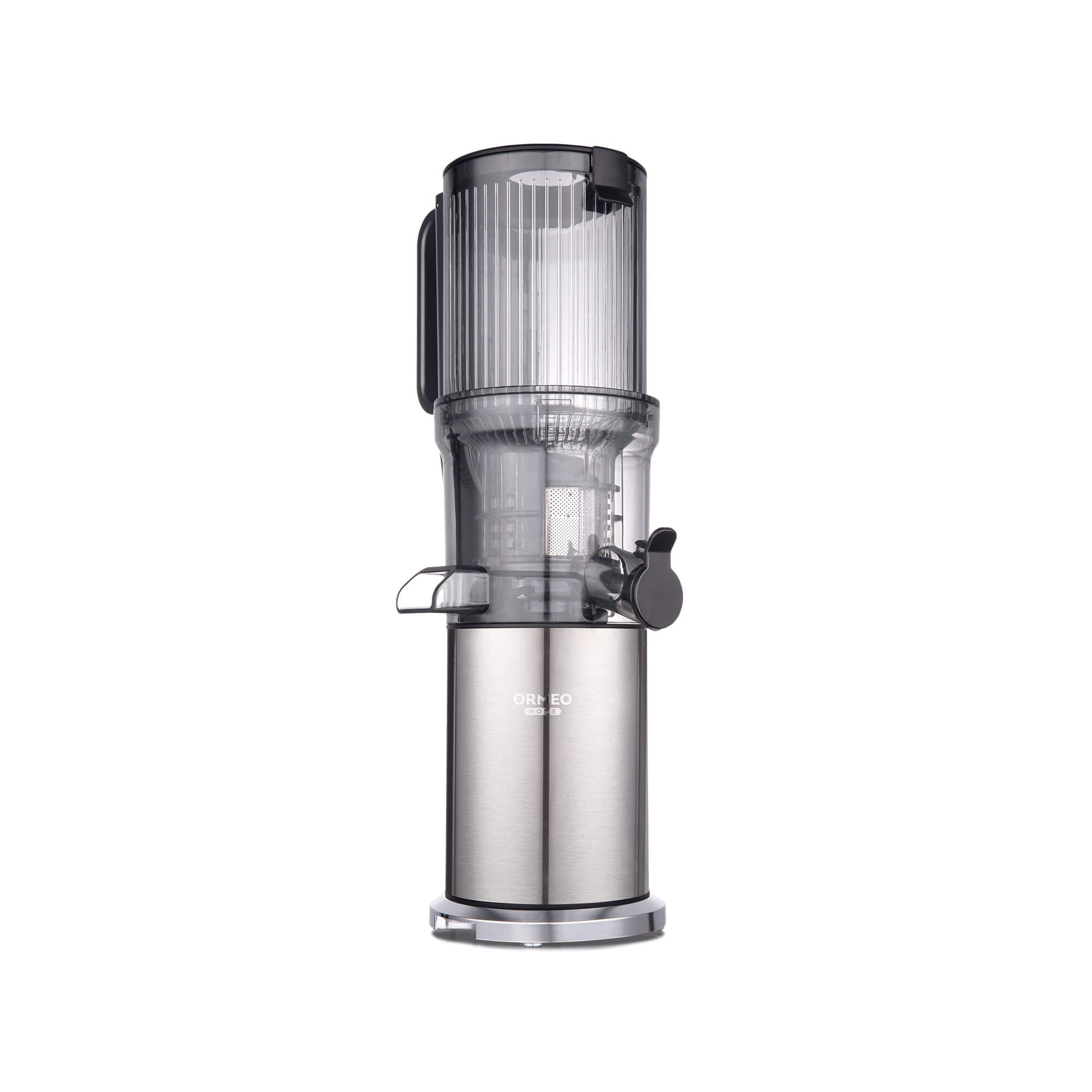
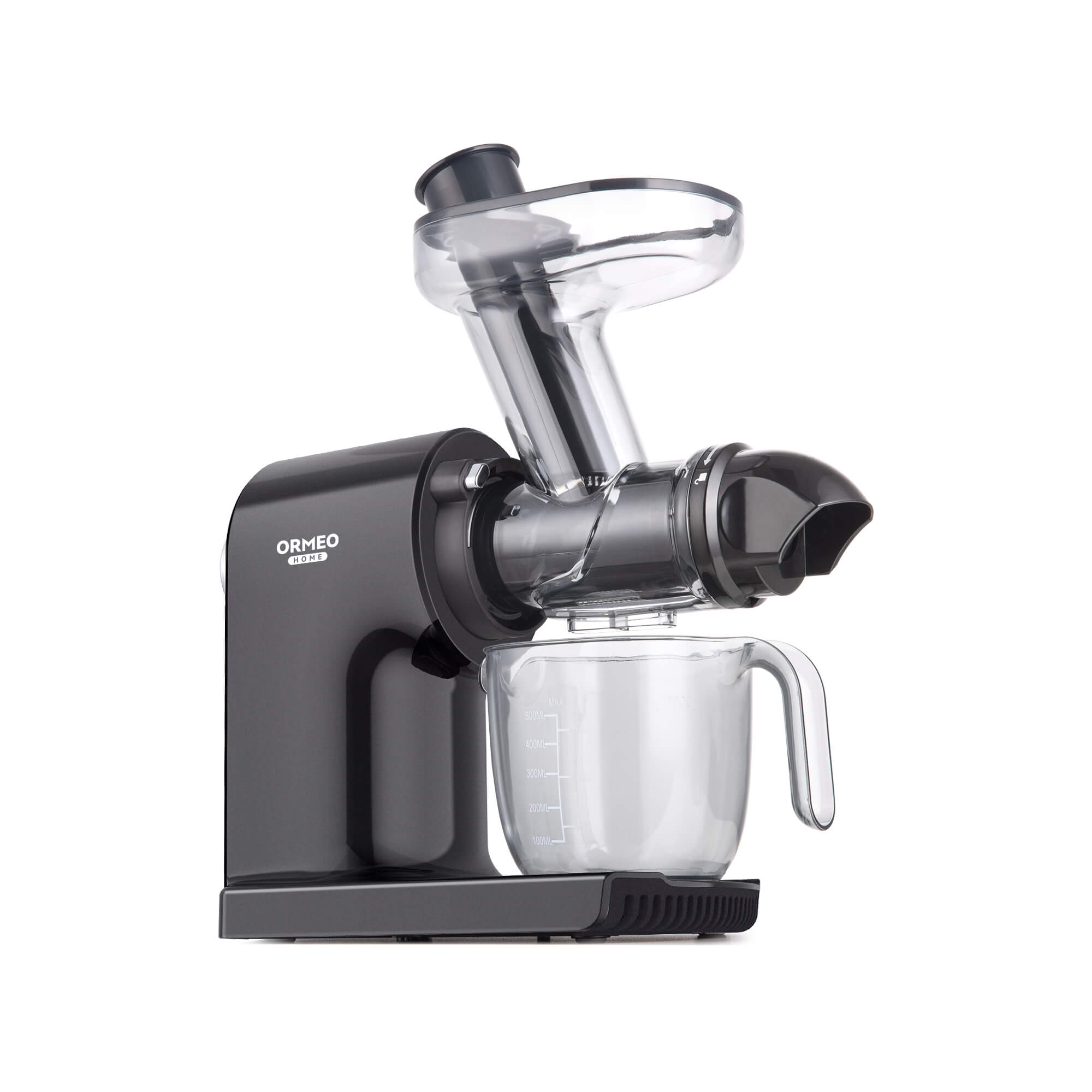
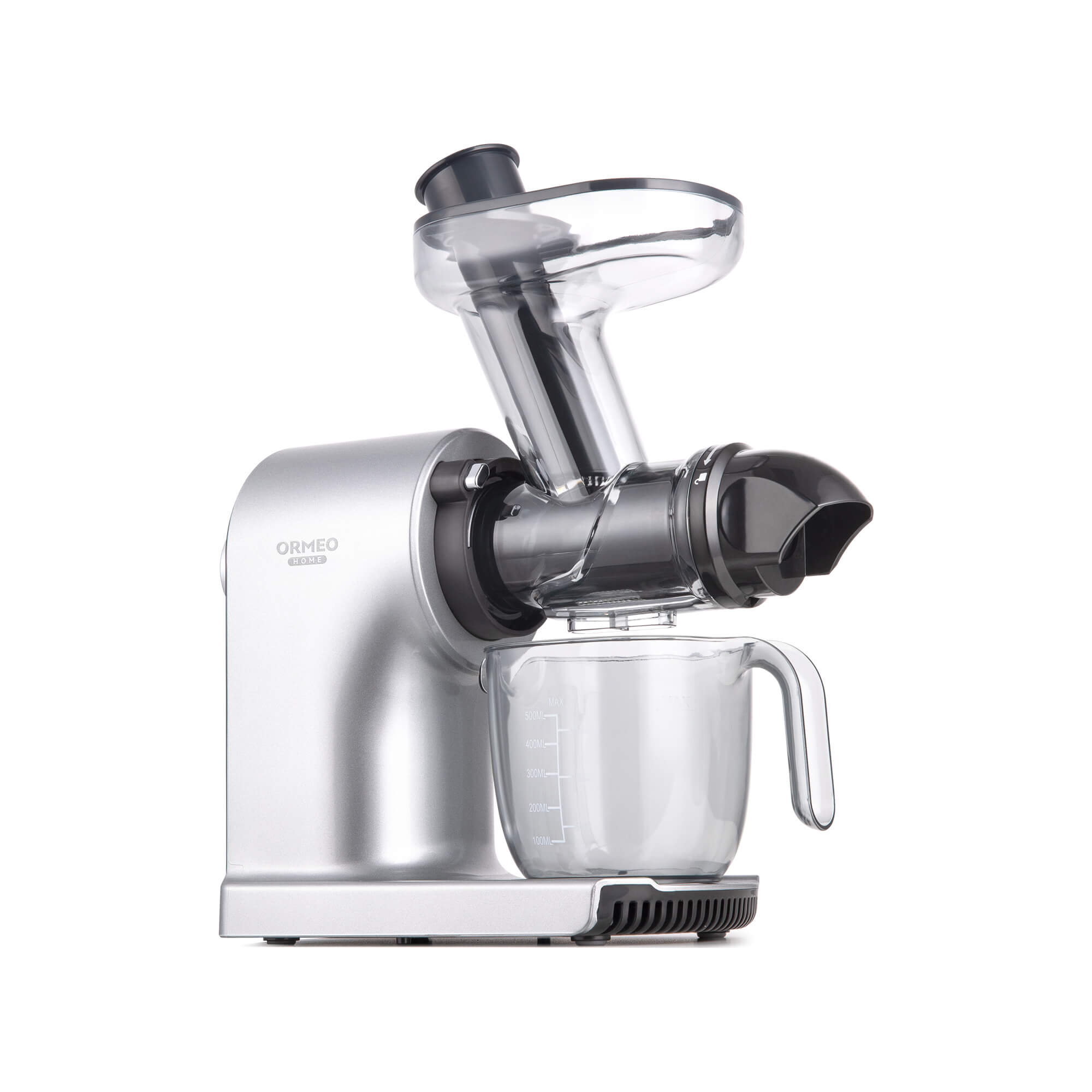
If you are looking for natural ways to boost your immune system, reduce inflammation, and get back on your feet, you have come to the right place. Let’s dive into how you can use specific fruits, vegetables, and the right equipment—like the Ormeo 2311 Quiet Cold Press Juicer—to speed up your recovery.
Why Fresh Juice is the Best Juice to Boost Your Immune System
When you are sick, your digestion often slows down. Your body wants to focus energy on fighting off germs, not breaking down a heavy steak dinner. This is why juice is such a powerful tool. It pre-digests the nutrients for you.
Drinking fresh fruit and vegetable juice allows your body to absorb essential nutrients almost instantly. A glass of green juice or a vitamin-packed citrus blend delivers a high concentration of vitamins, minerals, and phytonutrients directly to your bloodstream. This rapid absorption provides immediate immune system support, helping your white blood cells do their job more effectively.
The Problem with "Drink Store-Bought" Options
You might be tempted to grab a bottle of orange juice from the gas station on your way home from the doctor. Please, put it back.
When you drink store-bought juice, you are often consuming a product that has been heat-treated (pasteurized). While this kills bacteria, it also destroys heat-sensitive vitamins (like Vitamin C) and enzymes that are crucial for digestion. Furthermore, many commercial brands are loaded with added sugar. Sugar is inflammatory; it can actually suppress your immune function right when you need it most.
For the best juice, you need to make it yourself. You want nutrient-rich, raw juice that retains its antioxidant properties and life force.
Key Ingredients: Building the Best Juice to Drink for Immunity
Not all juices are created equal. To create a true immunity-boosting elixir, you need to be strategic with your ingredients. Here is a breakdown of the power players you should be putting through your juicer:
1. The Vitamin C Powerhouses: Orange, Grapefruit, and Tangerine
It’s a classic for a reason. Citrus fruits like oranges, grapefruits, and tangerines are packed with Vitamin C. This vitamin is essential for immune cell production. Orange juice and grapefruit juice are the first line of defense. However, grapefruit can interfere with some medications, so always check with your doctor.
2. The Green Warriors: Kale, Celery, and Green Apples
Green juice is often arguably the best juice for overall health. Kale is a superfood loaded with Vitamin E, magnesium, and Vitamin B-6. Celery is incredible for hydration and contains salts that act as electrolytes. To cut the bitterness of the greens, green apples are the perfect addition—they add sweetness along with Vitamin C and pectin.
3. The Hydration Heroes: Watermelon and Cucumber
When you have a fever, hydration is critical. Watermelon juice is not just refreshing; it’s rich in an amino acid called citrulline and provides Vitamin A. It helps hydrate the body efficiently. Blending watermelon with mint makes for a soothing watermelon mint juice that can settle a queasy stomach.
4. The Inflammation Fighters: Turmeric, Ginger, and Beetroot
Inflammation is what causes your sore throat and body aches. Adding a knob of turmeric or ginger to your juice recipe provides powerful anti-inflammatory effects. Ginger contains compounds like gingerol, which warm the body and can help fight illnesses like the common cold. Beetroot is another great addition, known for improving blood circulation and its rich color, which signals a high antioxidant content.
5. The Nutrient Boosters: Pumpkin Seeds and Carrots
This might sound surprising, but pumpkin seeds are high in zinc, a mineral vital for white blood cell function. While you can't juice them in a standard centrifugal juicer, a high-quality slow juicer like the Ormeo 2311 can handle soaked seeds to make a creamy base, or you can grind them and stir them into your juice.
Top Juice Recipes for Immune Support
Ready to strengthen your immune system? Here are three specific recipes designed to target different symptoms of cold and flu.
The "Flu Fighter" Citrus Blend
Best for: Boosting Vitamin C and energy.
- 2 peeled Oranges
- 1/2 Grapefruit (peeled)
- 1 inch fresh Turmeric root
- 1/2 Lemon (peeled)
- Pinch of Cayenne pepper (optional, to clear sinuses)
This blend is packed with Vitamin C. The turmeric adds anti-inflammatory properties, while the citrus helps fight off infections. It’s the best juice to drink in the morning to wake up your system.
The "Deep Green" Recovery Juice
Best for: Deep nutrition and reducing inflammation.
- 4 leaves of Kale
- 2 stalks of Celery (excellent for hydration)
- 1 Green Apple
- 1 inch fresh Ginger
- 1/2 Cucumber
This green juice is loaded with magnesium and Vitamin E. The ginger helps with cough and throat irritation, while the apple makes it palatable. It provides sustained immune system support.
The "Red Rescue" Hydrator
Best for: Hydration and antioxidant support.
- 1/4 small Watermelon (with rind if organic)
- 1 small Beetroot
- Small handful of fresh mint
- Splash of Coconut water (add after juicing)
This is a lighter option if you can't stomach heavy greens. It’s rich in antioxidants and helps thin mucus.
The Secret Weapon: Using a Slow Juicer vs. Traditional Juicers
You have the ingredients, but the tool you use matters. If you use a high-speed centrifugal juicer, the heat from the spinning blade can oxidize the juice, killing off the very enzymes you are trying to consume.
For the best juice, we recommend a slow juicer (also known as a masticating juicer).
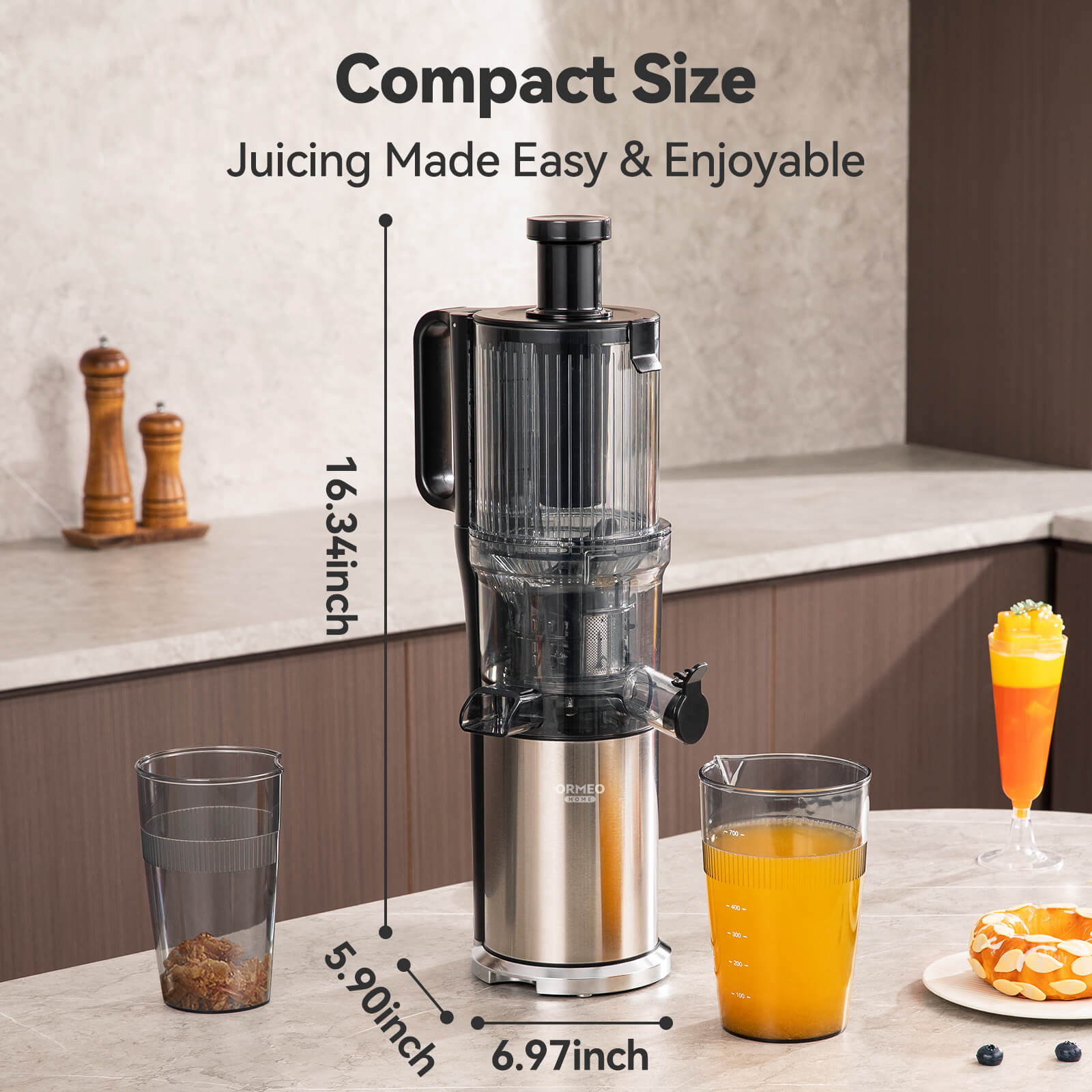
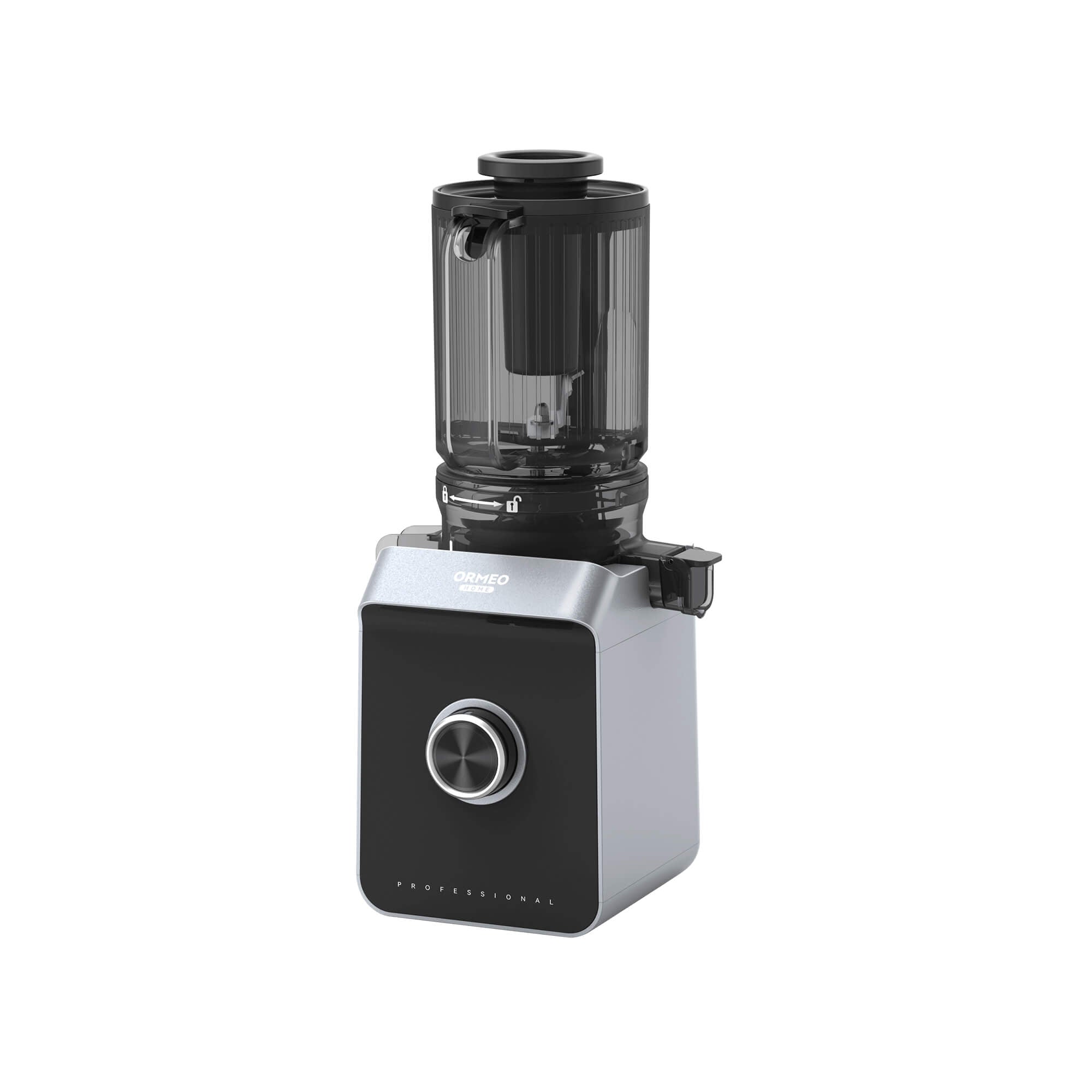
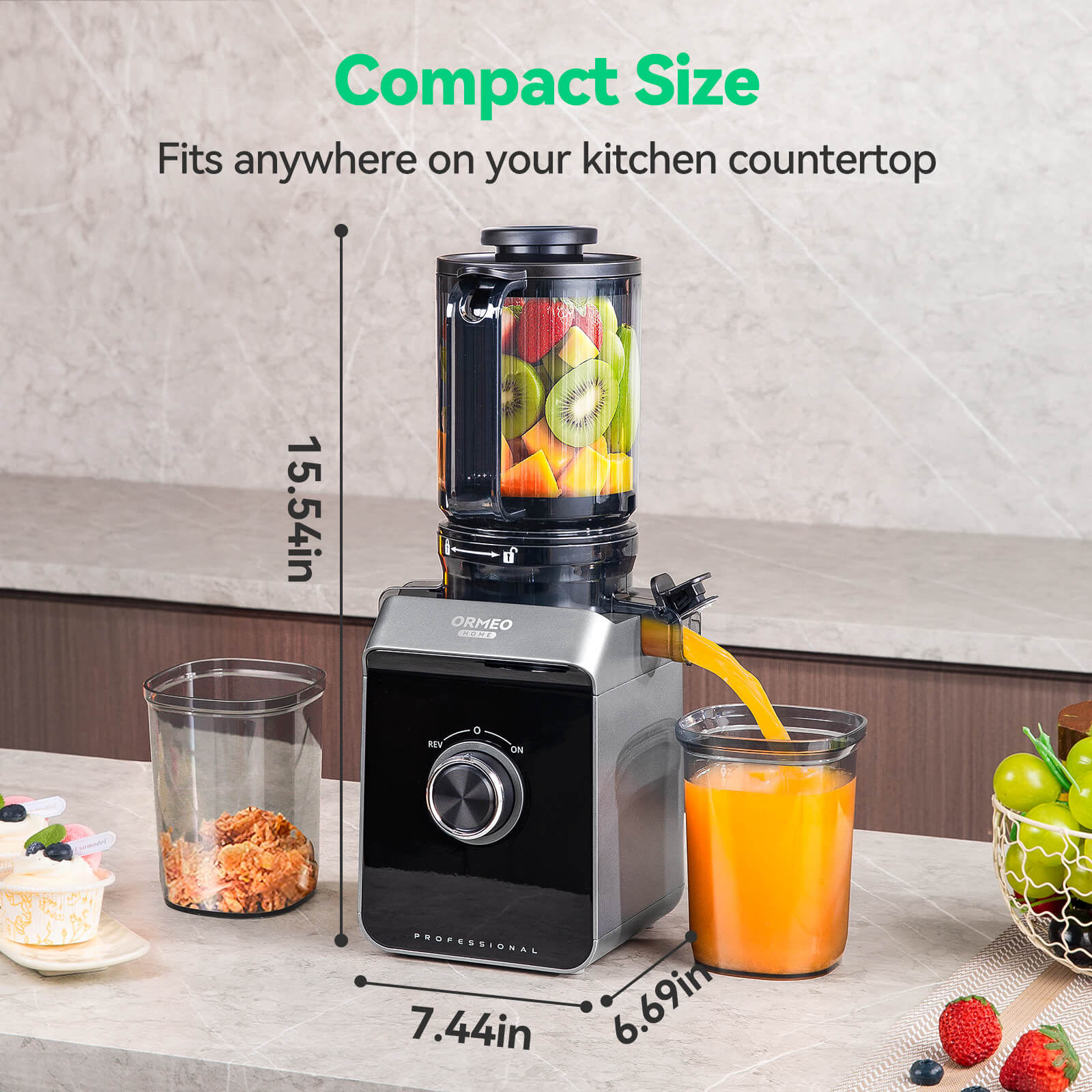
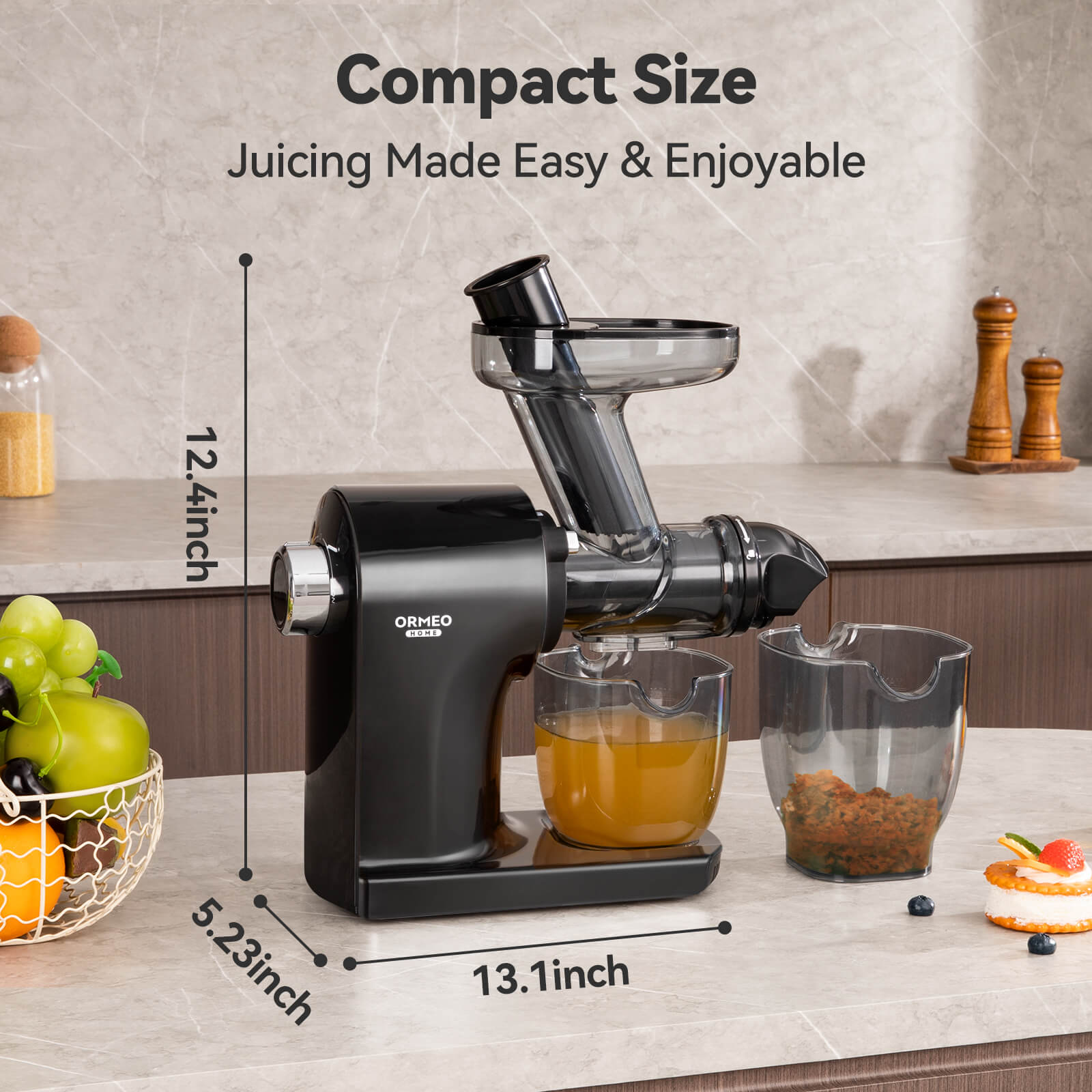
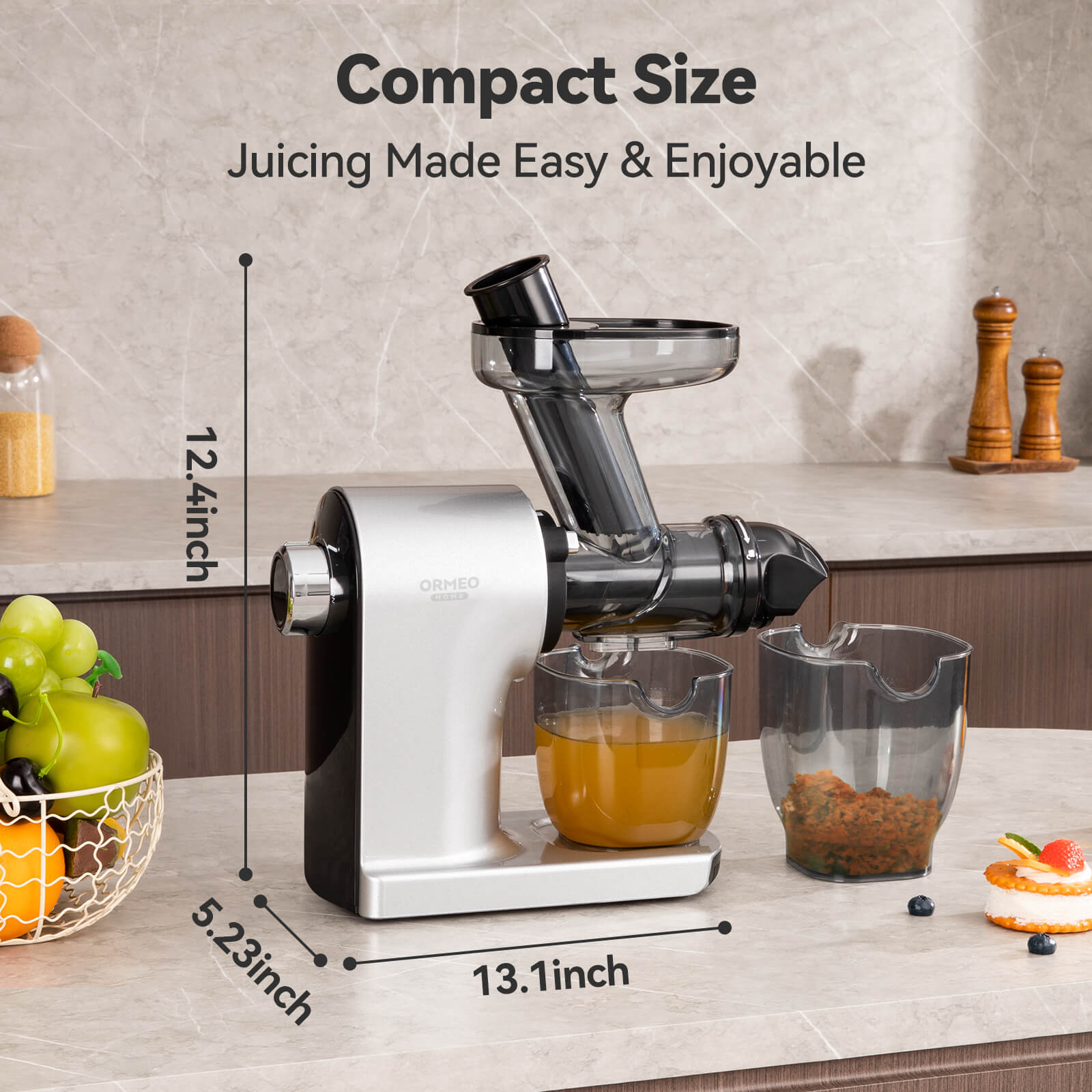
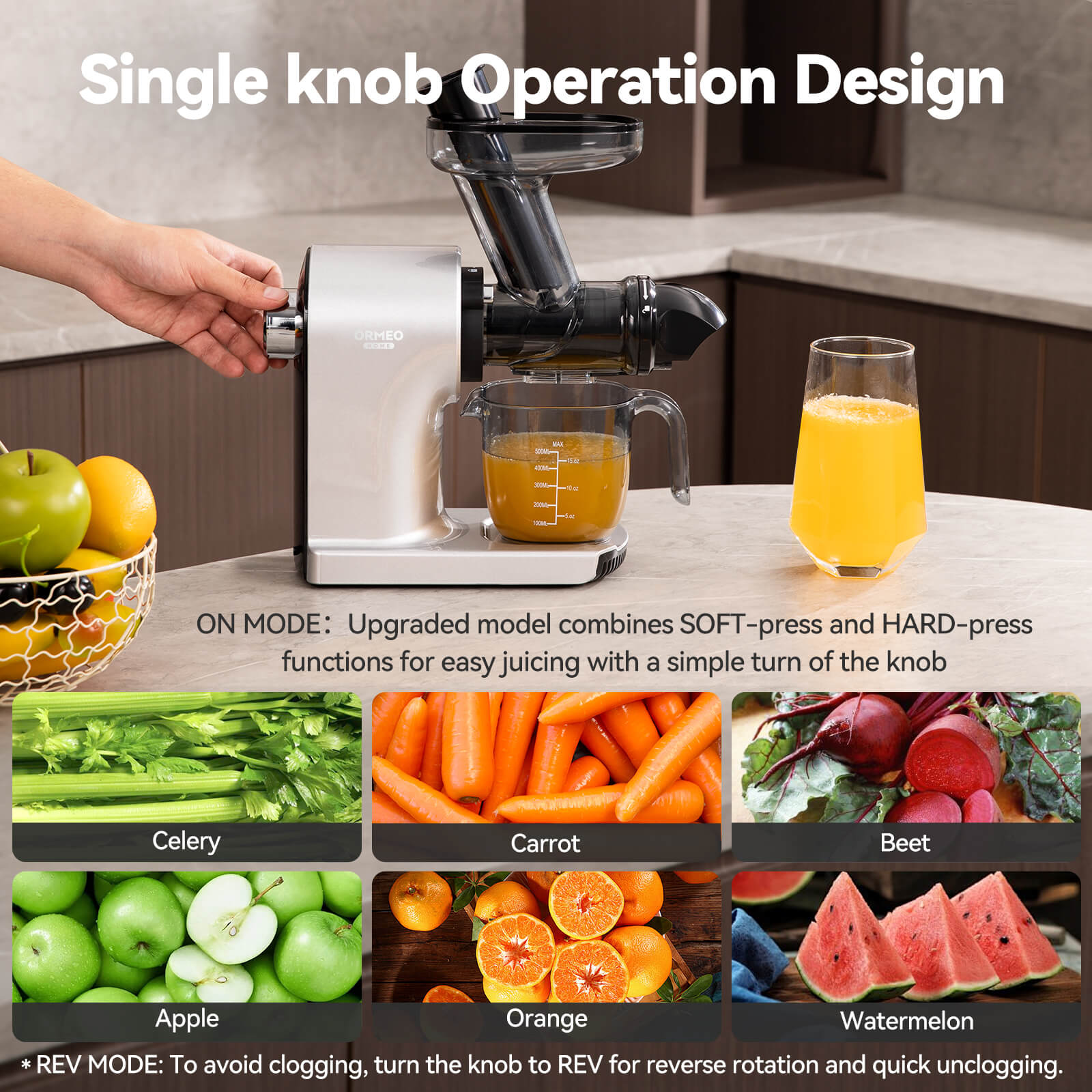
This is where the Ormeo 2311 Quiet Cold Press Juicer shines.
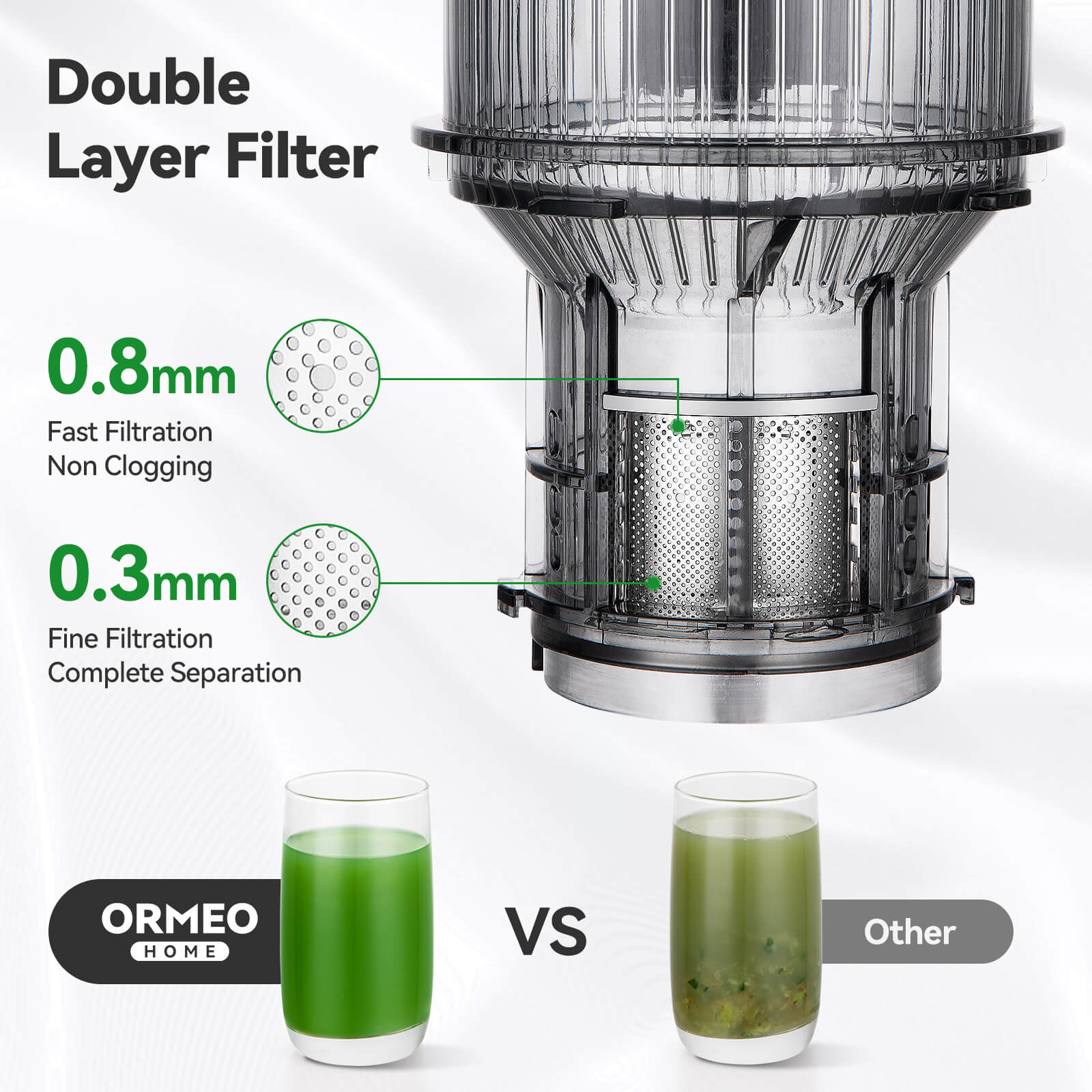
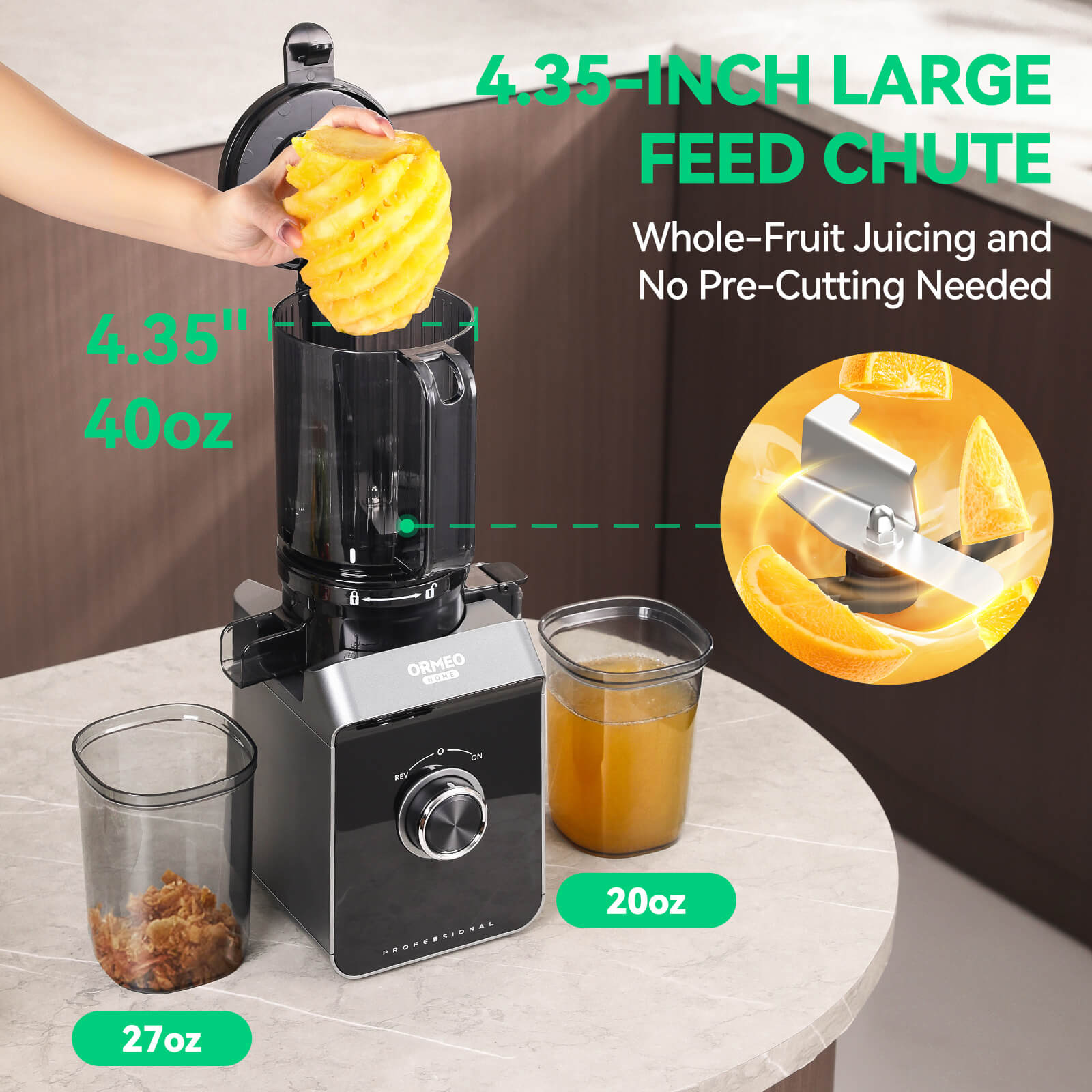
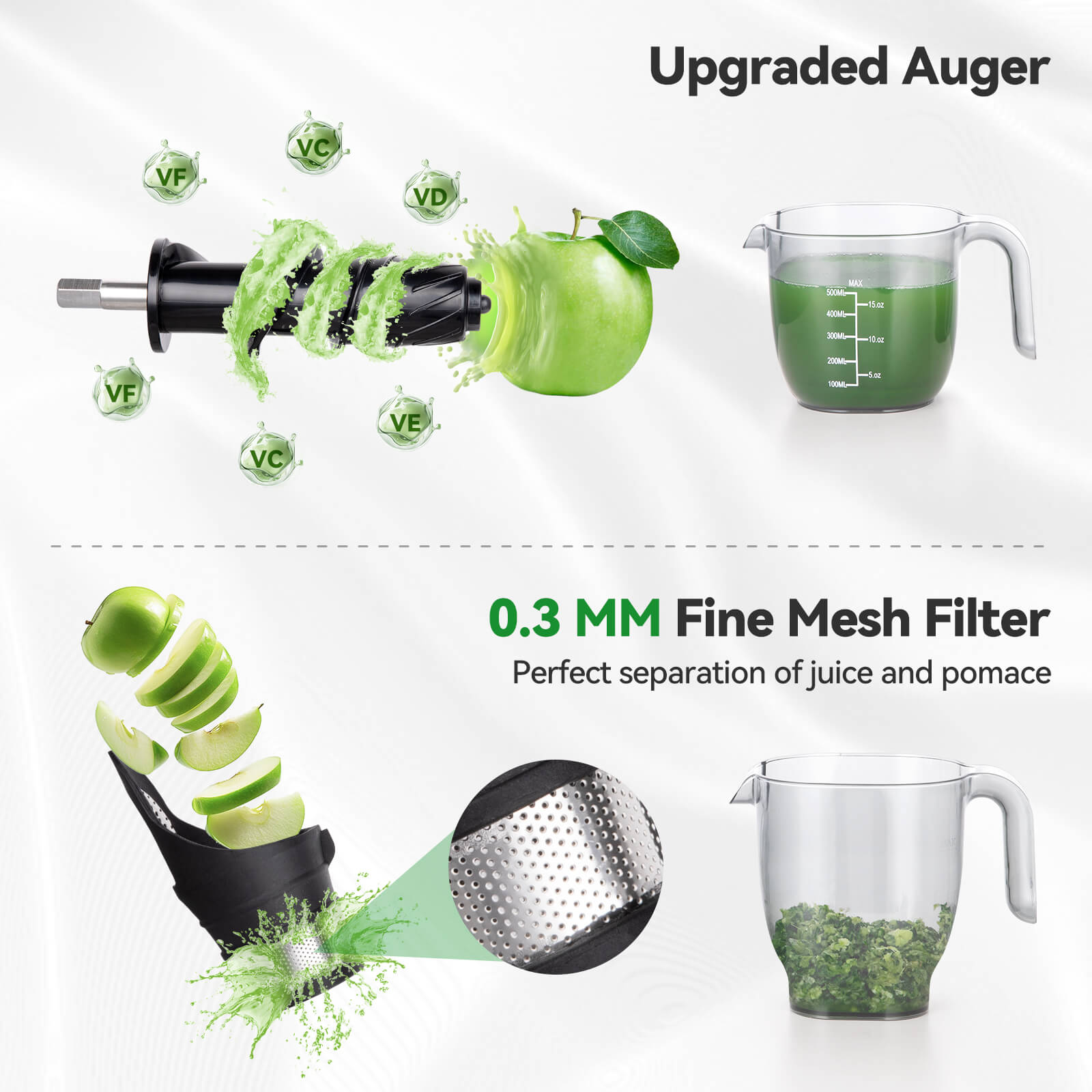
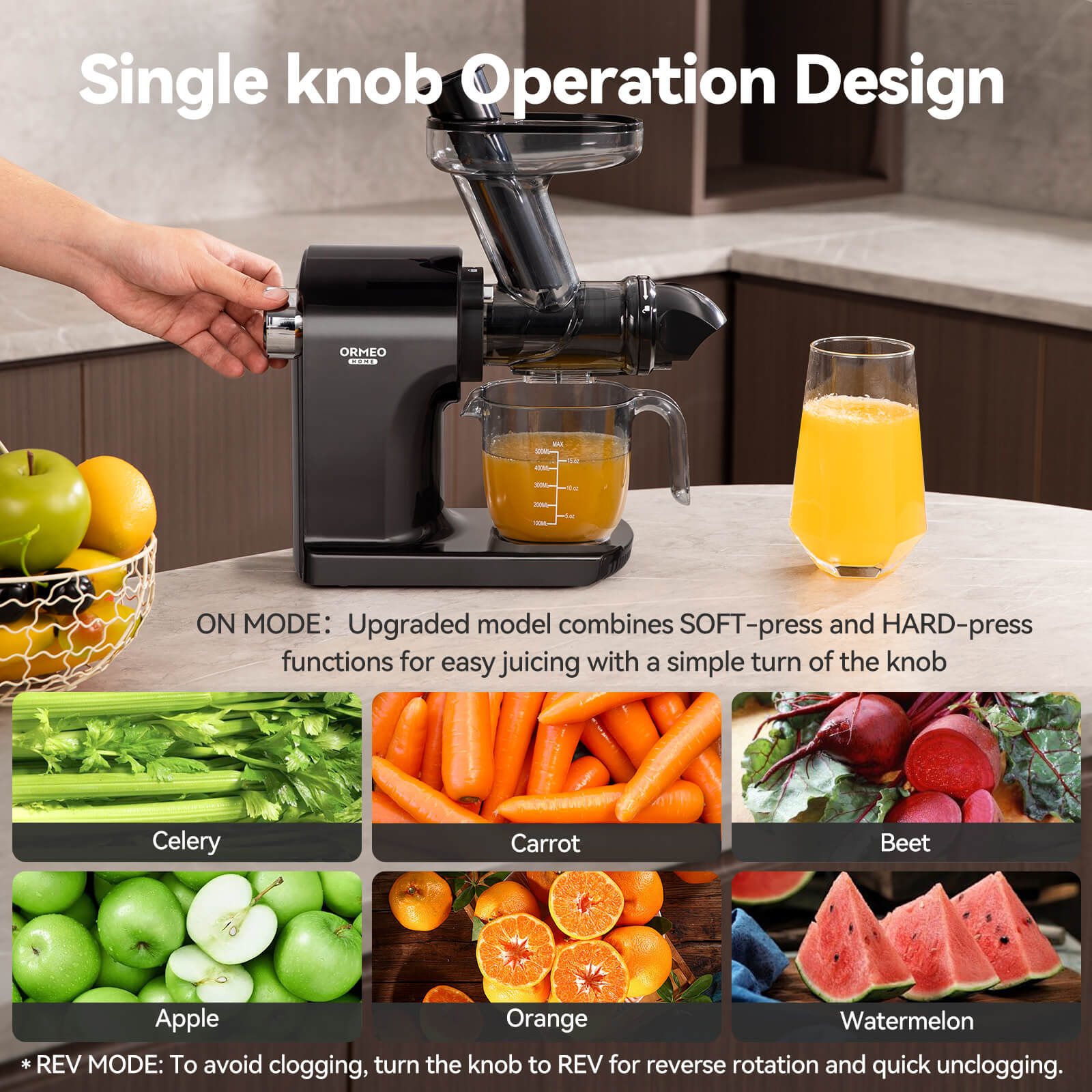
The Ormeo 2311 operates at a low speed, gently crushing the fruits and vegetables to extract every drop of nutrition without heat damage. It preserves the vital nutrients, ensuring your juice stays fresh for longer. Plus, when you are sick and sensitive to noise, the "Quiet" feature is a lifesaver. You don't want a jet engine roaring in your kitchen when you have a headache.
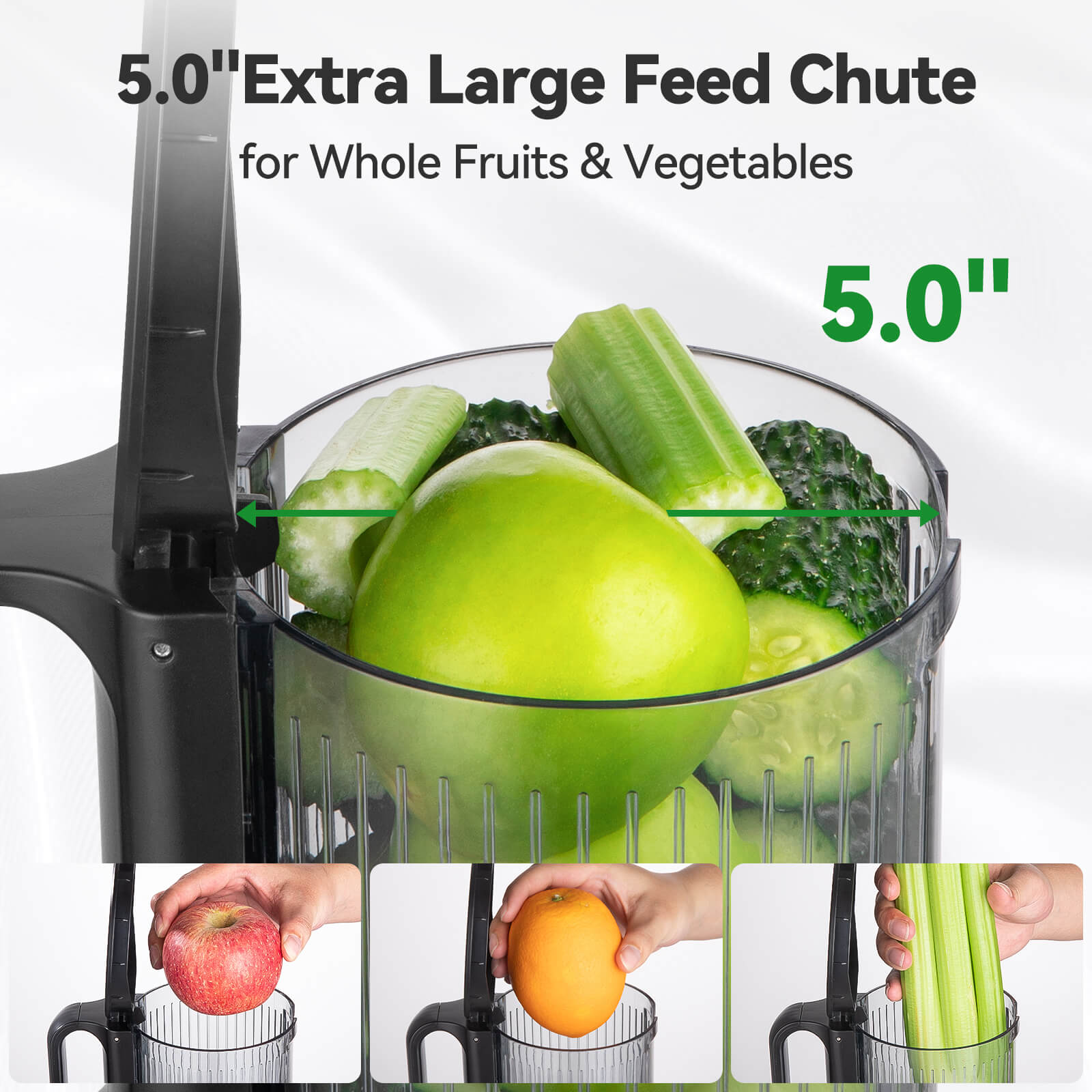
Using a high-quality machine like the Ormeo 2311 allows you to get the most out of leafy greens like kale and tough roots like ginger, which cheap juicers often struggle with.
FAQs: Common Questions About Juice and Sickness
How to Choose Best Juice from Store if I Can't Make It?
If you absolutely cannot make homemade juice, look for "Cold-Pressed" on the label. Ensure it says "100% Juice" with no added sugar. Check the ingredient list—if you see words you can't pronounce, put it back. Vegetable-heavy blends are usually lower in sugar than pure fruit juices.
Can I Drink Tomato Juice?
Yes! A virgin Bloody Mary (without the alcohol) or pure tomato juice is actually a great option. Tomatoes are rich in lycopene and Vitamin B-6, which helps immune regulation. Just watch the sodium content in store-bought versions.
Final Thoughts: Boost Your System Naturally
When you feel that tickle in your throat, don't wait. Start incorporating immunity-boosting juice into your daily routine immediately. Whether it’s a zesty orange juice and turmeric shot or a soothing celery and apple blend, these drinks provide the essential nutrients your body is craving.
By choosing fresh ingredients and using a quality device like the Ormeo 2311, you are giving your body the best possible chance to fight diseases and bounce back faster. So, stock up on that produce, fire up the juicer, and drink to your health.
Frequently Asked Questions (FAQ)
1. Is it better to drink fruit juice or vegetable juice when sick?
Ideally, a mix is best, but lean towards vegetable juice. While fruit juices like orange juice provide a quick Vitamin C burst, they are high in natural sugar. Excessive sugar can sometimes trigger inflammation. Vegetable juice (like green juice with kale and celery) offers dense minerals and hydration without the sugar spike. A 80% vegetable to 20% fruit ratio helps you get the best juice benefits without overloading your blood sugar.
2. Can drinking juice really cure a cold?
No food or drink can "cure" a virus instantly. However, drinking juices can significantly shorten the duration and severity of illness. They provide the immune system support needed for your body to fight off infections efficiently. The hydration helps thin mucus, relieving congestion and cough, while the antioxidants reduce cellular damage caused by the virus. Think of juice as the ultimate support system, not a magic pill.
3. Why is a slow juicer recommended for immunity?
A slow juicer, like the Ormeo 2311, works like chewing. It doesn't make heat, which keeps heat-sensitive vitamins (like Vitamin C and enzymes) safe. These vitamins are very important for boosting the immune system. When you use a high-speed juicer, it adds oxygen, which speeds up oxidation (browning) and causes nutrients to be lost. Slow juicing is the best way to get the most nutrients out of foods like ginger and leafy greens that are high in nutrients and good for you.
4. Can I add pumpkin seeds to my juice?
You generally shouldn't put hard seeds directly into a standard juicer. However, pumpkin seeds are incredible for immunity due to their zinc content. You can soak them overnight to soften them and run them through a heavy-duty slow juicer along with water to make a "seed milk," or simply grind them into a powder and stir them into your finished green juice. This adds a boost of magnesium and zinc to help fight germs.
5. Is store-bought juice okay if it says "Not from Concentrate"?
It is better than concentrate, but homemade is still the best juice to drink. Even "not from concentrate" store-bought juices are usually pasteurized and stored in tanks for months. They often lack the live enzymes and the full spectrum of phytonutrients found in fresh juice. If you must buy it, look for HPP (High-Pressure Processing) juices in the refrigerated section, which are closer to raw than shelf-stable ones. Always check for added sugar.











Share:
How Much For A Juicer? Best Juicers of 2025: Fruit & Vegetable Juice Machines
Best Juicer For Easy Cleaning: Quick, Simple Masticating Options