

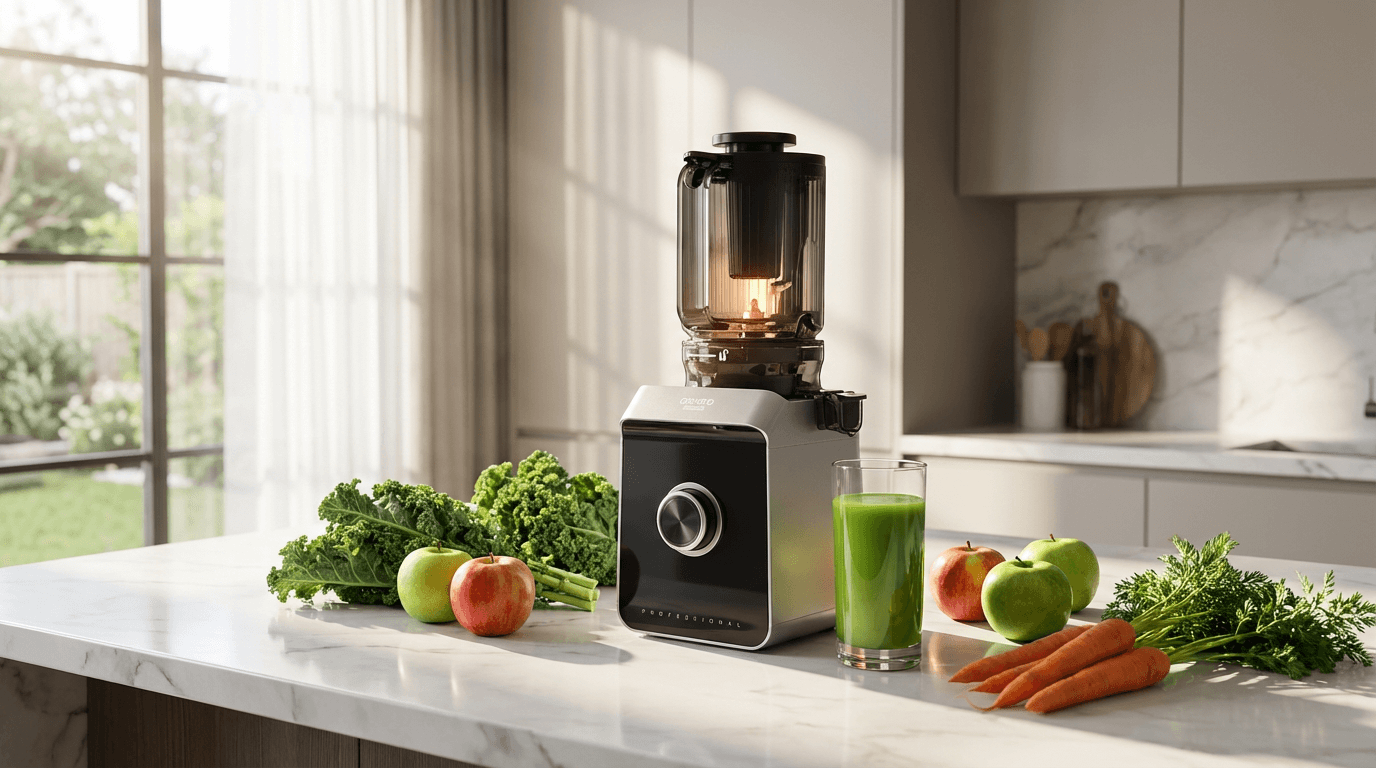
Which Juice Machine is Best? Cold Press vs. Centrifugal Explained
You are standing in your kitchen at 6:30 AM. You want fresh juice. But you also don’t want to wake up the entire neighborhood, and you definitely don’t want to spend 20 minutes scrubbing a mesh filter that seems designed to trap pulp forever.
This is the reality of the juicing debate. It isn’t just about specifications; it’s about your morning routine.
Choosing a good juicer can feel like navigating a maze. You see terms like "masticating," "hydraulic," and "fast-spinning" thrown around. If you are trying to decide between a centrifugal juicer vs cold press, you aren’t just picking a machine; you are choosing the quality of your nutrition and the ease of your lifestyle.
In this guide, we are ditching the textbook definitions. Instead, we’ll look at how these machines actually perform in a real kitchen, comparing centrifugal juicers and cold press models head-to-head to help you decide which type of juicer deserves counter space in your home.
The "Speed Demon": Understanding the Centrifugal Juicer
Let’s start with the most common machine found in big-box stores: the centrifugal juicer.
Imagine a lawnmower inside a pitcher. That is essentially how a centrifugal juicer works. It utilizes a flat cutting blade at the bottom of a rapidly spinning mesh basket. You drop your fruit and veggies down the chute, and the fast-spinning metal blades shred them into a mush. Then, sheer centrifugal force slams this mush against the mesh screen, throwing the juice out and trapping the pulp.
The Good: Speed and Convenience
A centrifugal juicer is a beast if you need a glass of apple juice in less than 30 seconds. It cuts through hard fruits and vegetables like apples and carrots without any problems. This speed is very important for a busy juice bar that makes simple drinks.
The Bad: The "Oxidation" Problem
However, speed comes at a cost. That fast-spinning action (often 10,000+ RPM) acts like a blender. It whips a massive amount of air into the juice. Have you ever noticed how a sliced apple turns brown when left out? That is oxidation.
Centrifugal juice is highly oxidized the moment it hits your glass. It separates quickly—creating a layer of clear water at the bottom and a foamy sludge on top. The heat generated by the high-speed motor can also degrade sensitive enzymes and vitamins and minerals.
Furthermore, these machines are loud. We are talking "hair dryer next to your ear" loud.
The "Nutrient Guardian": What is a Cold Press Juicer?
On the other side of the ring, we have the cold press juicer, also frequently also known as masticating juicers or a slow juicer.
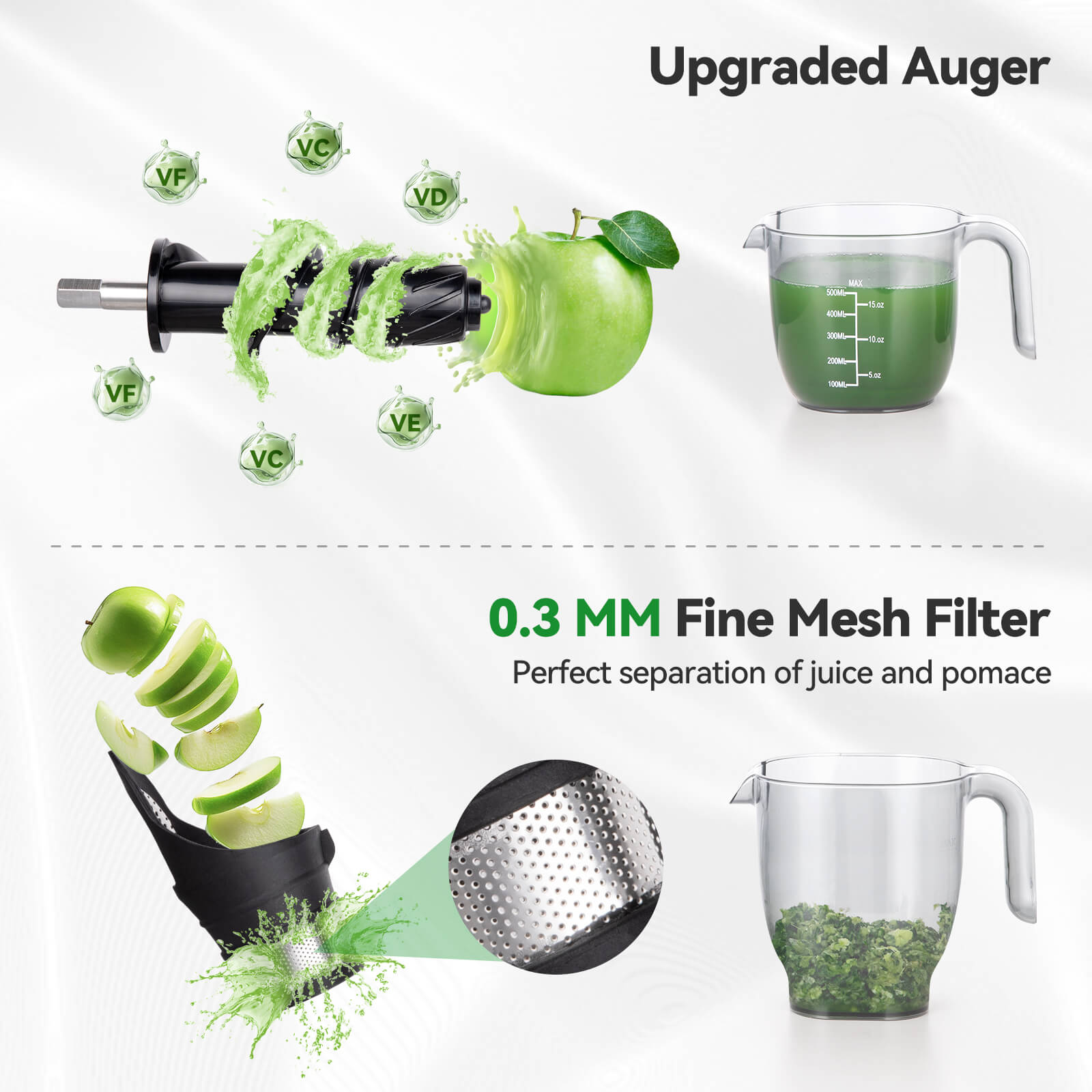
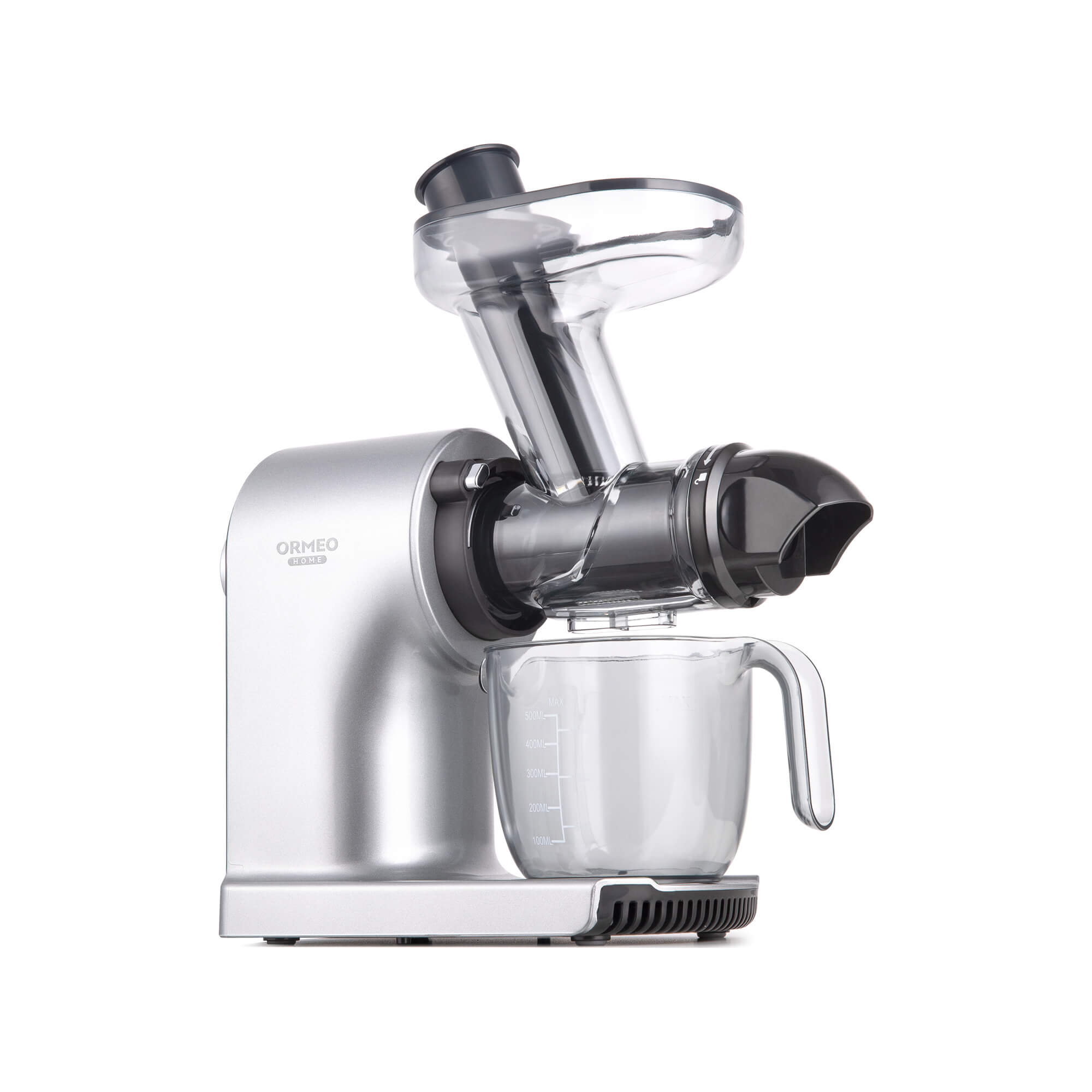
Unlike its aggressive cousin, a cold press juicer uses a slow, deliberate method. It relies on an auger (a large screw-shaped gear) to grab the produce, crush it, and then squeeze it against a screen. It mimics the motion of chewing—hence the name "masticating."
Think of it less like a lawnmower and more like a gentle, powerful hand wringing out a wet towel.
Why "Cold" Matters
The term "cold-pressed" refers to the lack of heat. Because the auger turns slowly (usually 40–80 RPM), there is zero frictional heat buildup. This protects the integrity of the nutrients in your fruits and vegetables.
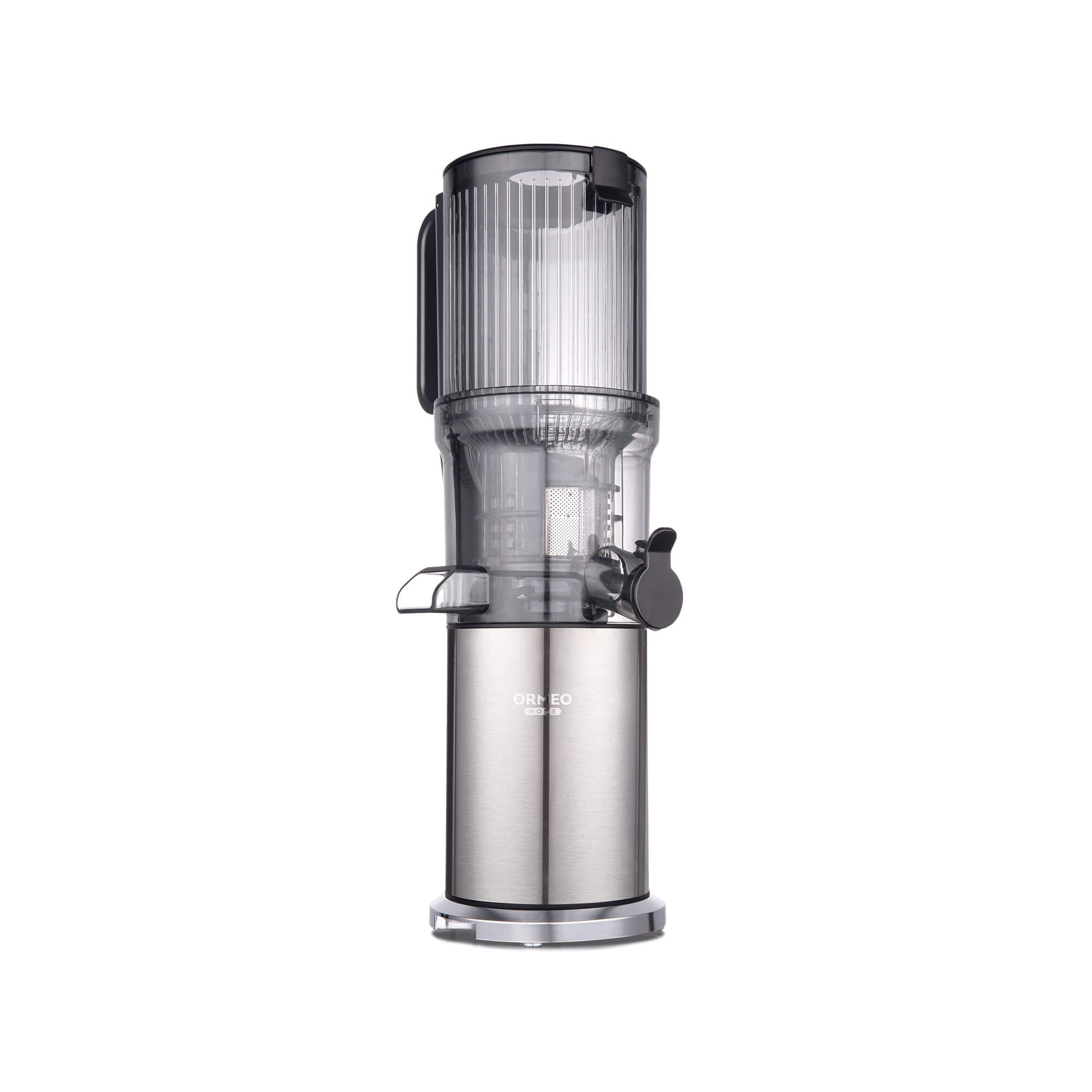
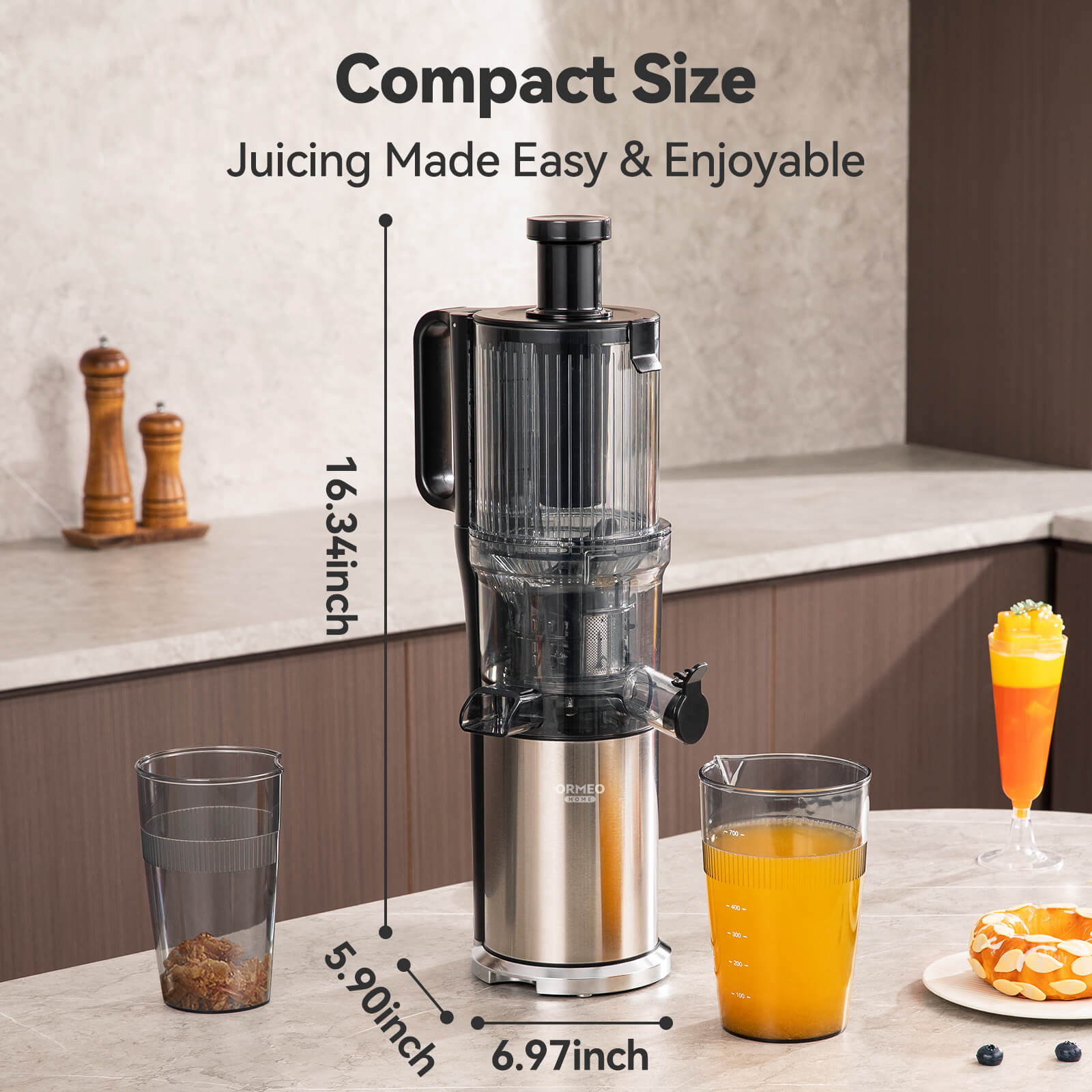
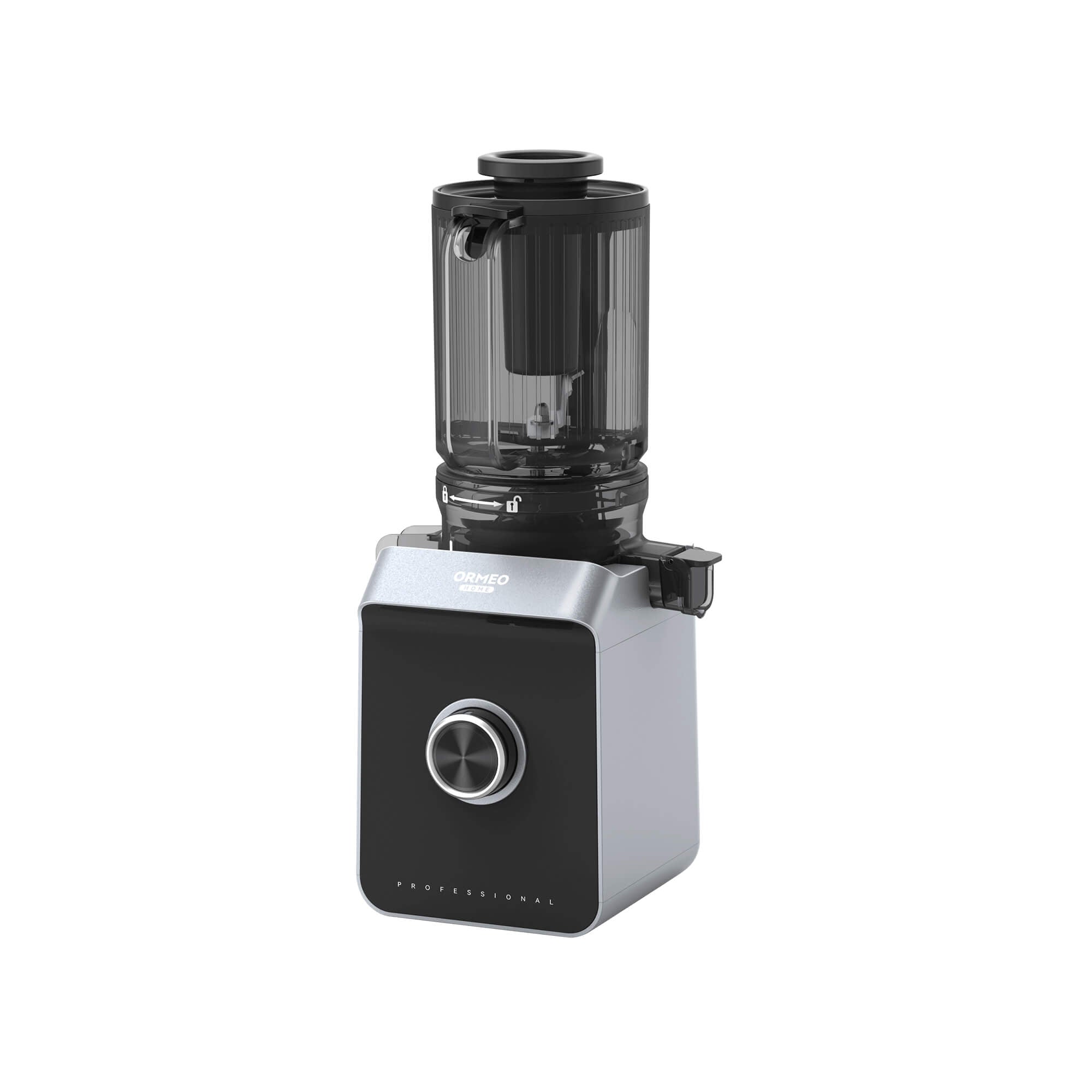
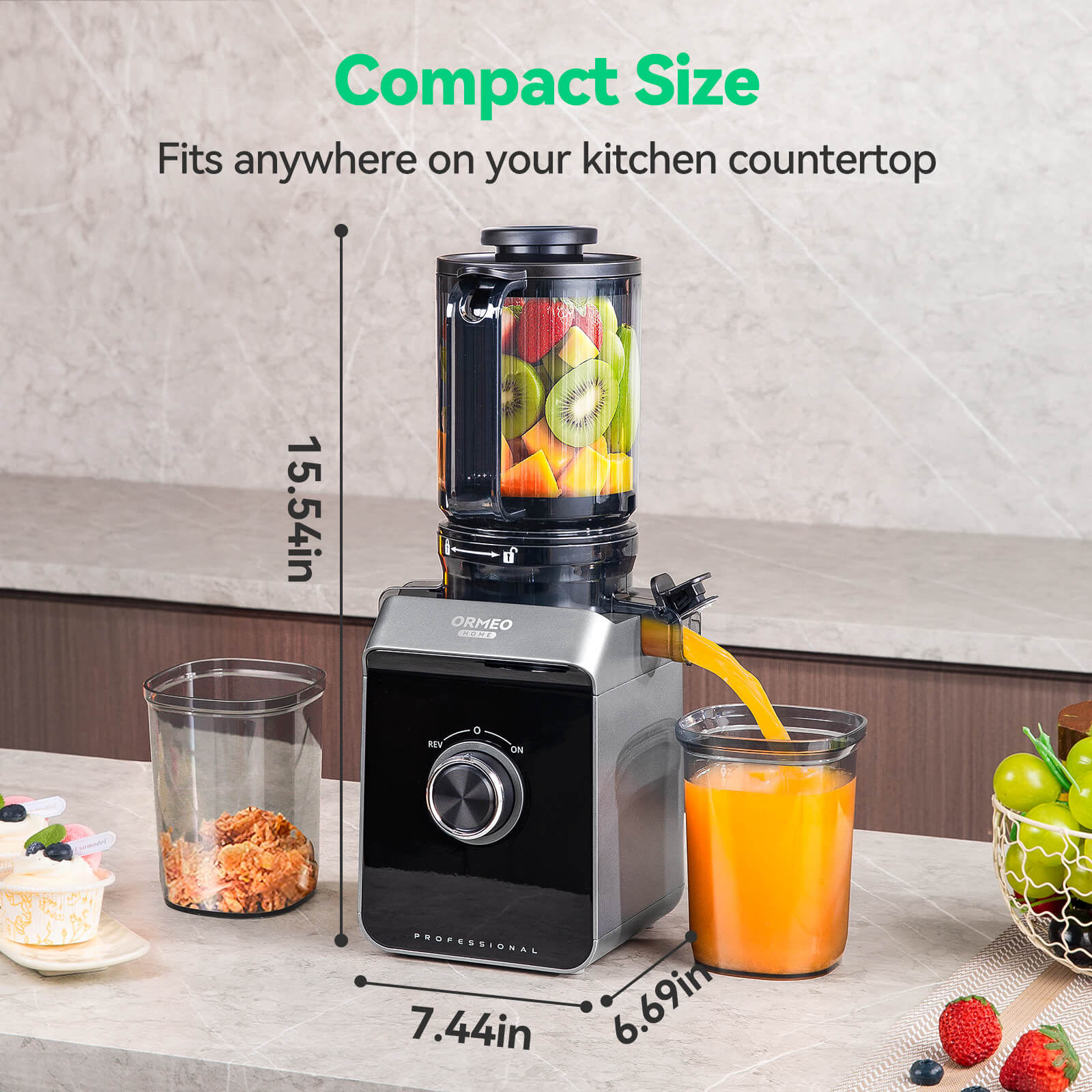
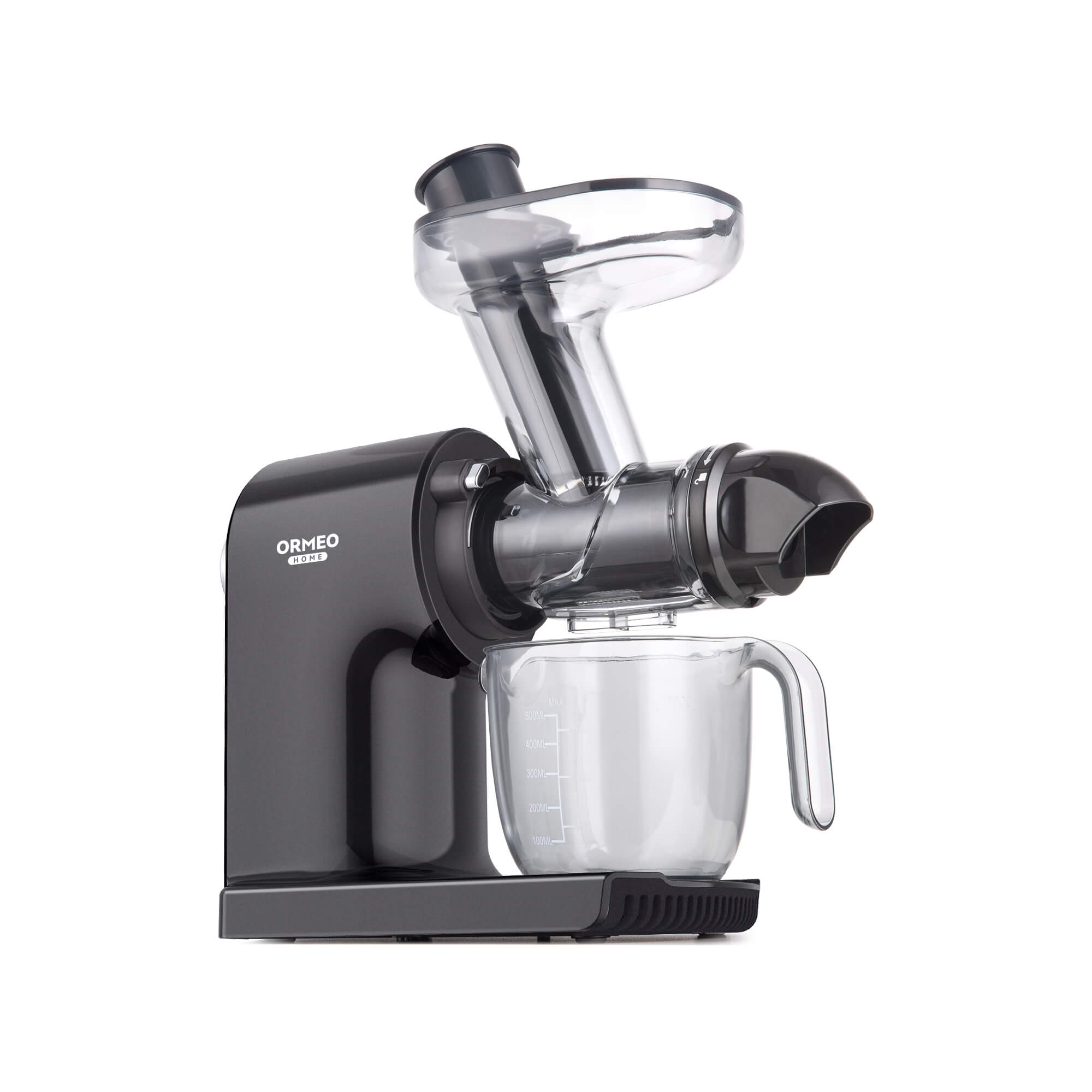
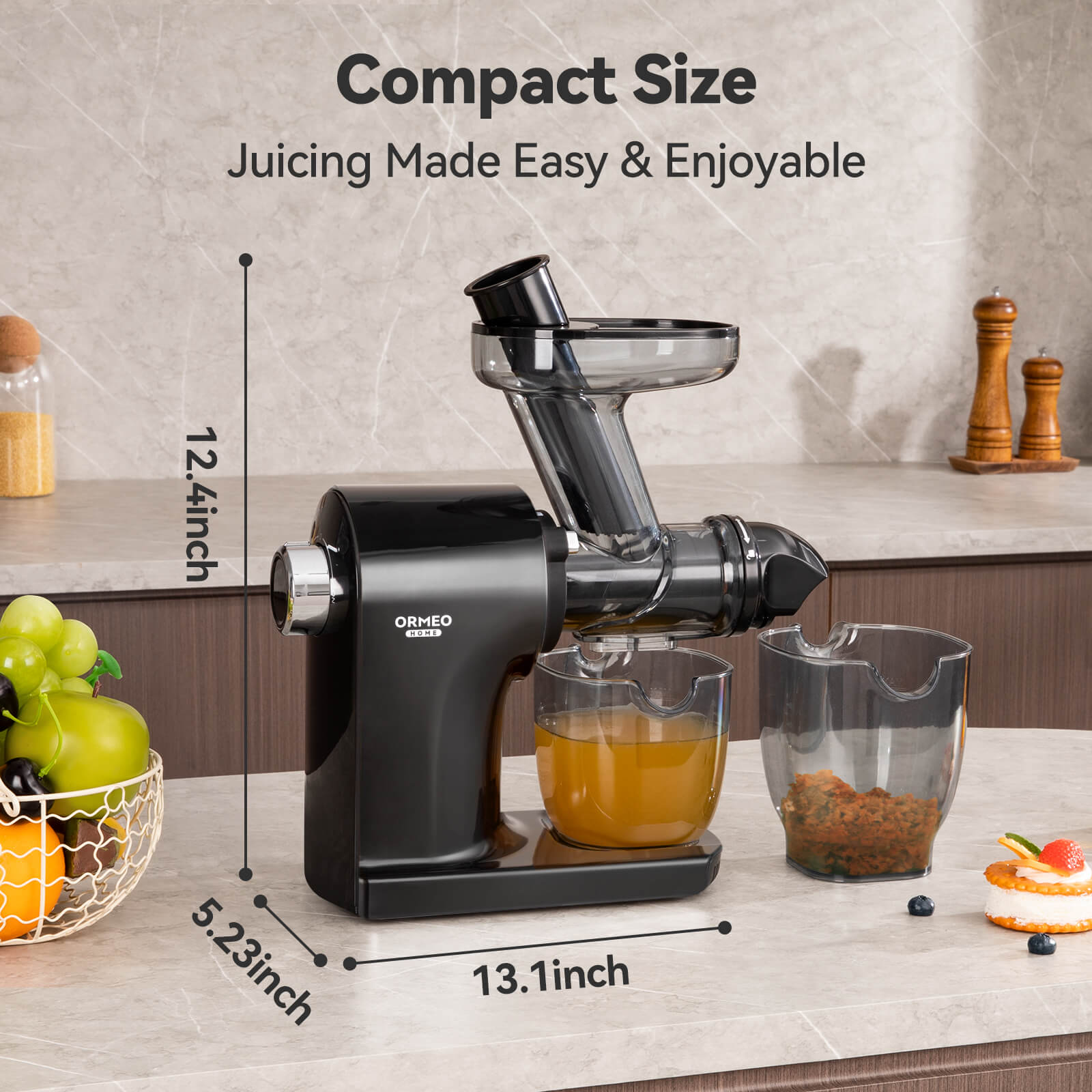
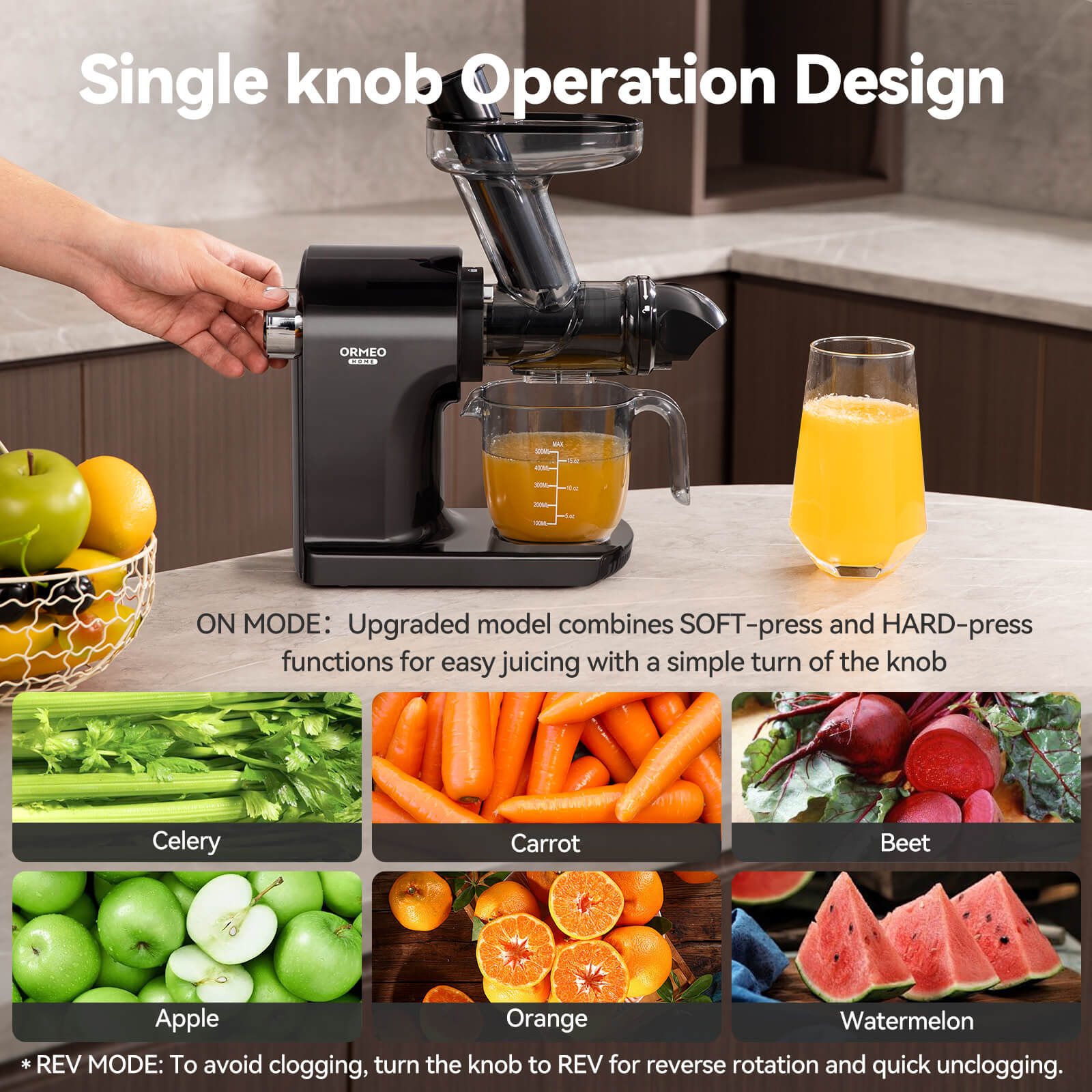
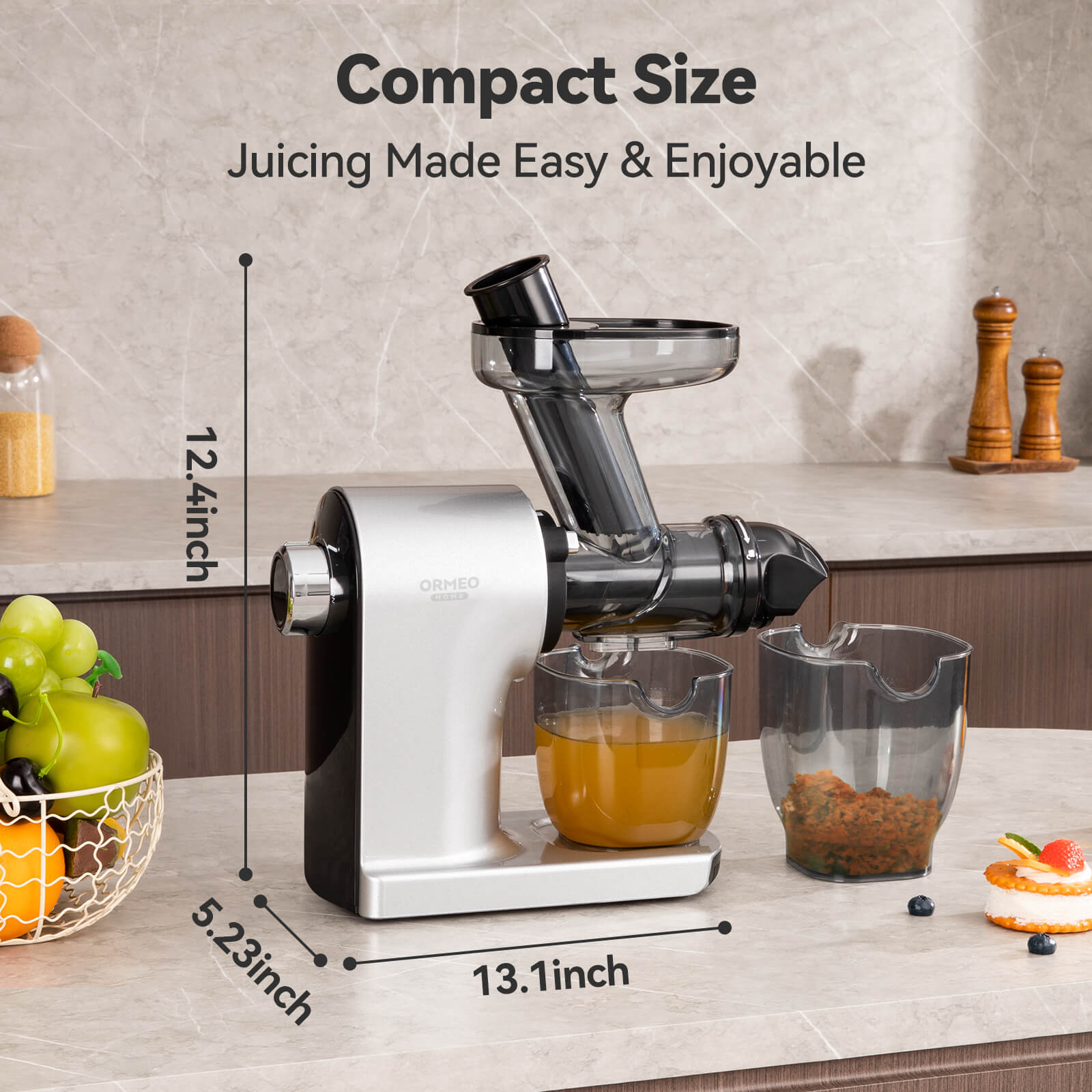
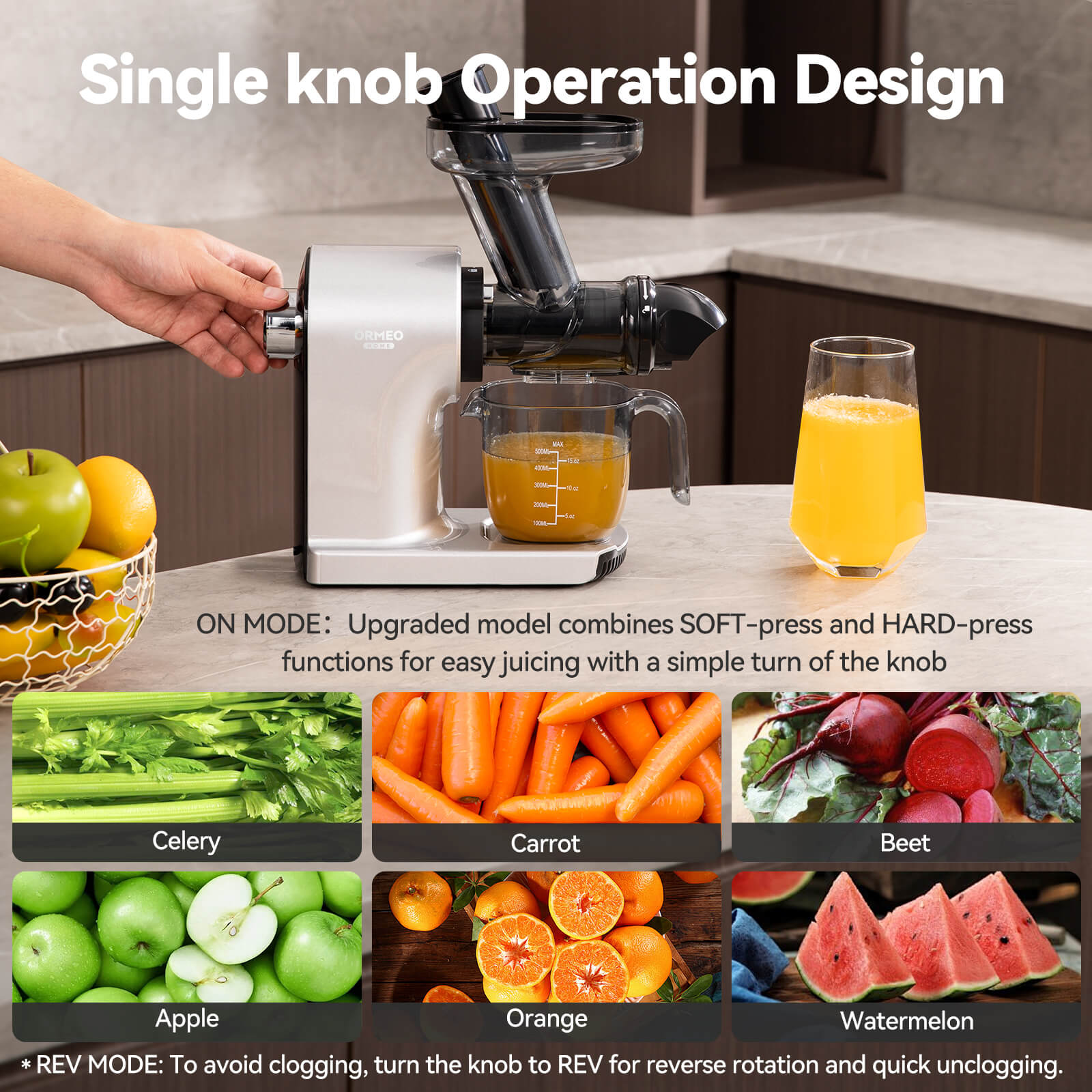
This is where brands like Ormeo have staked their claim. The Ormeo 2311 Quiet Cold Press Juicer is engineered specifically to maximize this extraction process without the noise. It’s designed for the home user who wants the commercial quality of cold-pressed juice without the industrial footprint.
Comparative Analysis: Centrifugal Juicer vs Cold Press
Let’s get into the nitty-gritty. When we compare centrifugal juicer vs cold, how do they stack up in the areas that actually matter to your daily health?
1. Nutrient Retention and Juice Quality
This is the biggest differentiator in the juicer vs cold press juicer debate.
- Centrifugal: The violence of the extraction breaks down cell walls but exposes the liquid to a rush of oxygen. The result is a centrifugal juice that tastes okay but lacks depth. It is frothy and needs to be drunk immediately.
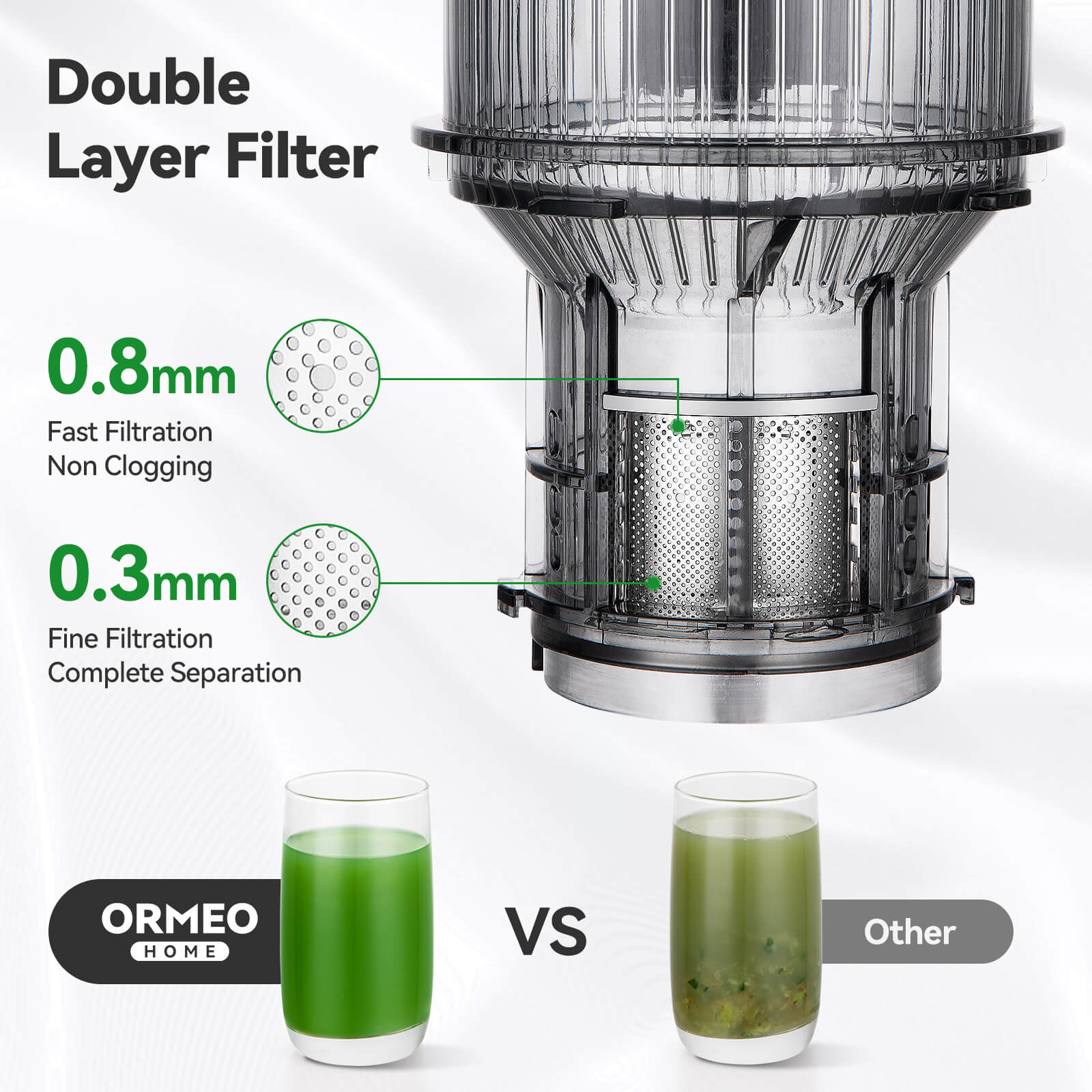
- Cold Press: A cold press juicer gently presses the liquid out. This preserves the enzyme activity and prevents oxidation. The juice made by a machine like the Ormeo 2311 is vibrant, rich in color, and smooth in texture. There is almost no foam.
If you are drinking green juice for health benefits, you want those nutrients in your body, not destroyed by the machine. Cold press juicers tend to extract significantly higher levels of Vitamins A and C compared to a centrifugal counterpart.
2. Yield: Getting More Juice from the Pulp
Have you ever checked the pulp bin of a centrifugal juicer? It is usually wet. You can often squeeze a handful of it and get more drops out. That is wasted money.
Because a masticating juicer uses high pressure to extract juice, the pulp comes out incredibly dry—sometimes like sawdust. This means you get a higher juice yield from the same amount of produce. Over a year, a high-quality juicer gives you significant savings on grocery bills because you buy fewer vegetables to get the same amount of juice.
3. The "Leafy Green" Test
This is the ultimate stress test for juicers vs each other. Try putting kale, spinach, or wheatgrass through a centrifugal machine. The lightweight leaves just fly over the blades and end up in the waste bin whole. You effectively get expensive green confetti, not juice.
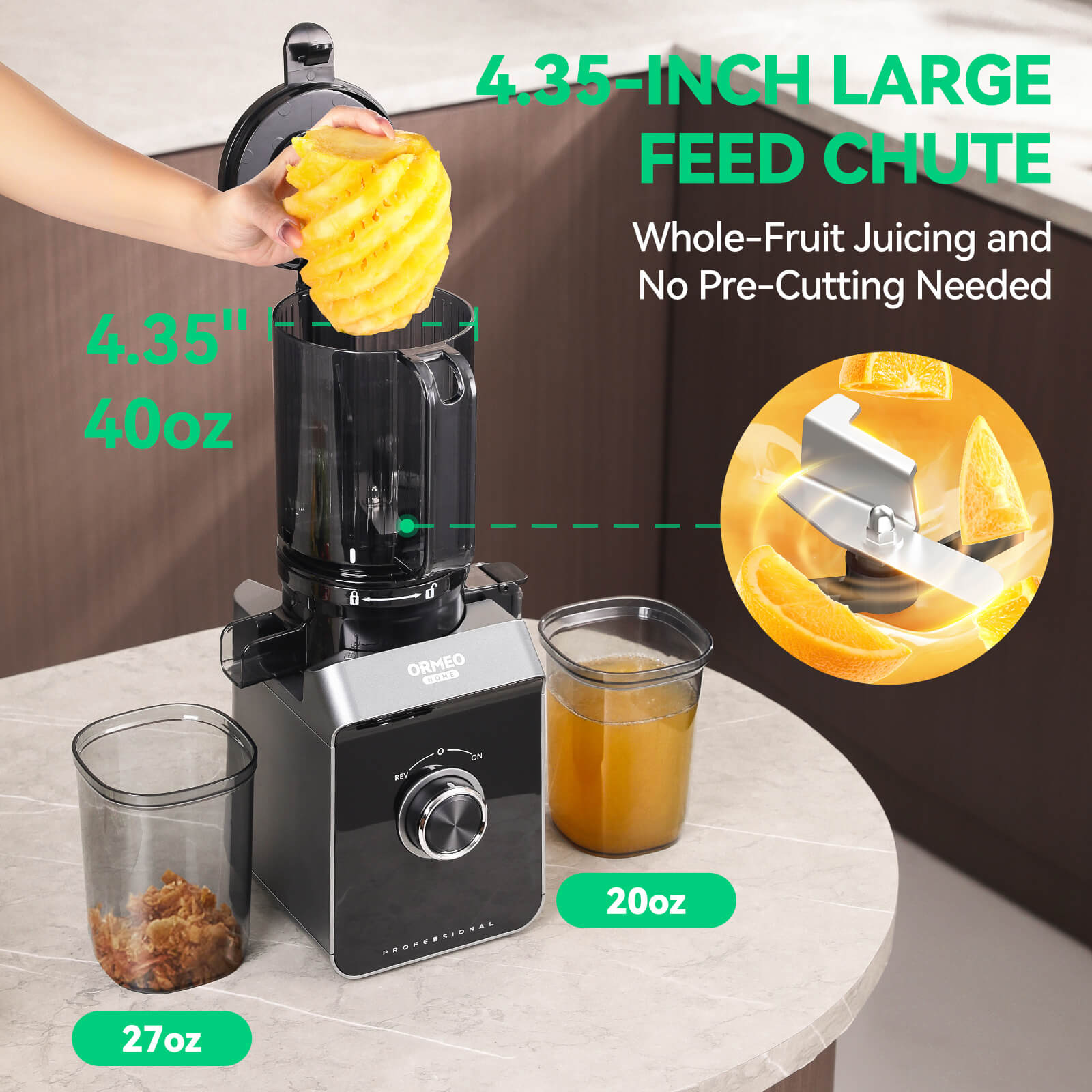
A cold press juicer vs leafy greens is a different story. The auger grabs the leaves and crushes them thoroughly. If you want to incorporate leafy vegetables into your diet, a cold press machine is the only viable option. The Ormeo 2311 Quiet Cold Press Juicer excels here, easily extracting deep green liquid from even the toughest fibrous veggies like celery and ginger.
4. Noise Levels
We mentioned this earlier, but it bears repeating. Centrifugal models are loud. If you have a sleeping baby or a partner who works late, you cannot juice in the morning.
Cold press juicers are whisper-quiet. You can have a conversation while the Ormeo 2311 is running. It hums rather than screams.
Shelf Life: The 72-Hour Advantage
Here is a practical lifestyle difference for the centrifugal juicer vs cold press battle.
Because centrifugal juice is full of air, it spoils rapidly. You have to drink it right then and there. You cannot prep it the night before.
Cold-pressed juice is stable. Because it has minimal oxidation, you can store it in an airtight jar in the fridge for up to 72 hours (3 days). This allows you to batch-juice. You can make your juice every Sunday night and have grab-and-go jars for Monday, Tuesday, and Wednesday morning. For busy professionals, this shelf life advantage is a game-changer.
Usability and Cleaning
Historically, people avoided cold press machines because they were heavy and hard to clean. Centrifugal juicers were seen as the "easy" option.
However, modern design has flipped this script. Centrifugal juicers use massive mesh screens that are notoriously difficult to scrub. The sharp blades are also a safety hazard during cleaning.
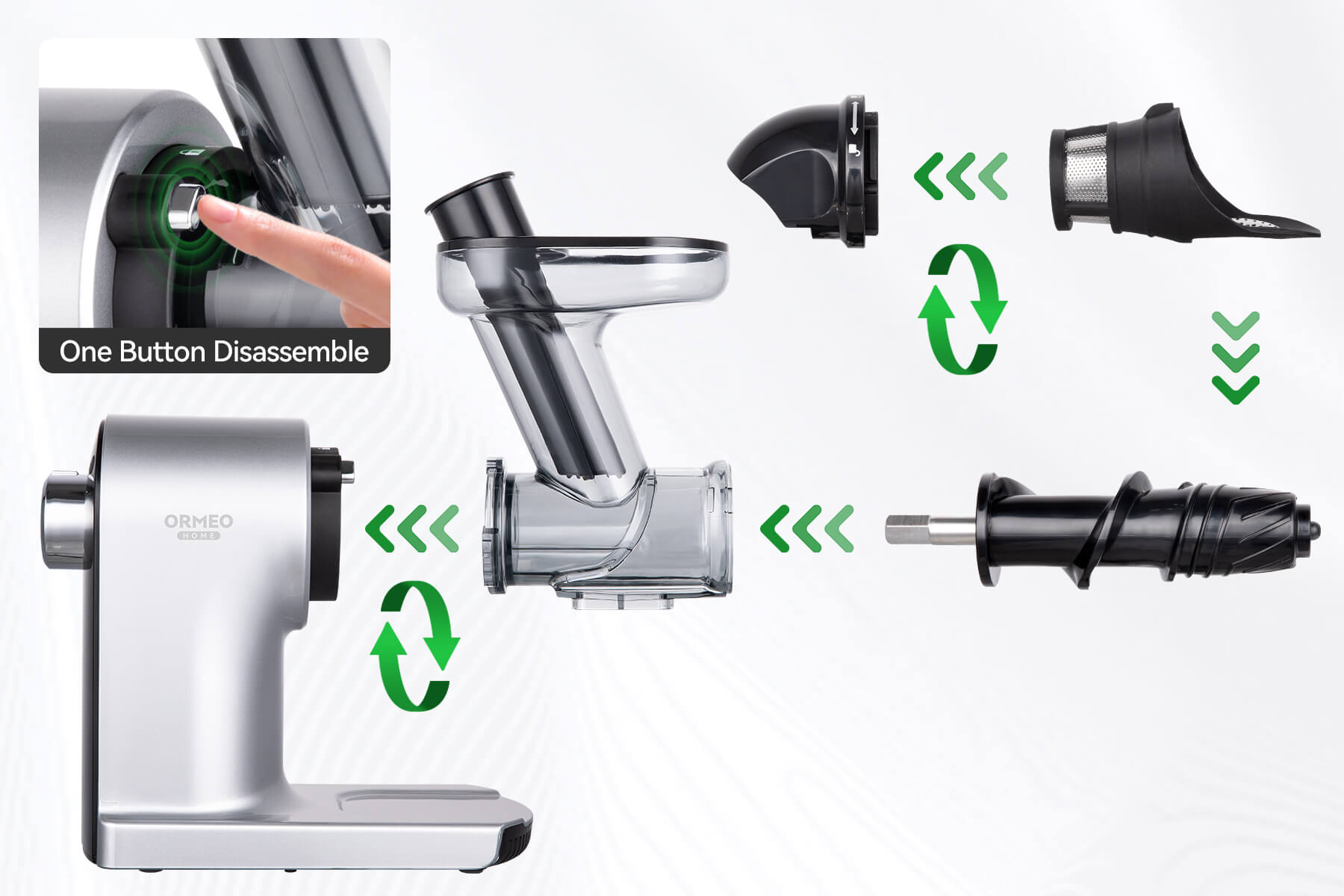
Newer masticating juicers like the Ormeo 2311 have simplified parts. They assemble quickly and, because they don't blast pulp everywhere, the cleanup is often just a quick rinse of the auger and a light scrub of a much smaller screen.
Cost Analysis: Is the Investment Worth It?
When looking at juicers and cold press juicers, the price tag is the elephant in the room.
- Centrifugal Juicer: Generally cheaper upfront. You can pick one up for $50-$150.
- Cold Press Juicer: Typically ranges from $150 to $500+.
It seems like the centrifugal is the budget pick. But is it? If you are throwing away 20% of your produce because the machine leaves it in the wet pulp, you are bleeding money every time you visit the grocery store.
Furthermore, if the machine is loud and annoying to clean, you won't use it. The most expensive juicer is the one that sits in the cupboard gathering dust. A good juicer is one you actually use. Investing in a cold press juicer vs hydraulic press (which are thousands of dollars) or a cheap centrifugal one is about finding that sweet spot of value. The Ormeo 2311 hits that balance, offering premium extraction at a price point that makes sense for home kitchens.
Summary: Which Type of Juicer is For You?
Let’s wrap up the centrifugal juicer vs cold press decision matrix.
Choose a Centrifugal Juicer if:
- You only juice hard fruits like apples and carrots.
- You have zero patience and need juice in seconds.
- You don't care about leafy greens or wheatgrass.
- You will drink the juice immediately and never store it.
- Noise doesn't bother you.
Choose a Cold Press Juicer (like the Ormeo 2311) if:
- You want the maximum nutrient density and enzyme retention.
- You plan to juice leafy greens, herbs, and fibrous veggies.
- You want to make juice with less foam and better taste.
- You want to save money on produce with a higher juice yield.
- You prefer a quiet morning routine.
- You want to batch-prep juice for later in the week.
Best Practices for Juicing
Regardless of whether you pick a centrifugal juicer vs cold press, there are universal rules to get the best fresh juice:
-
Wash Thoroughly: Always scrub your produce.
-
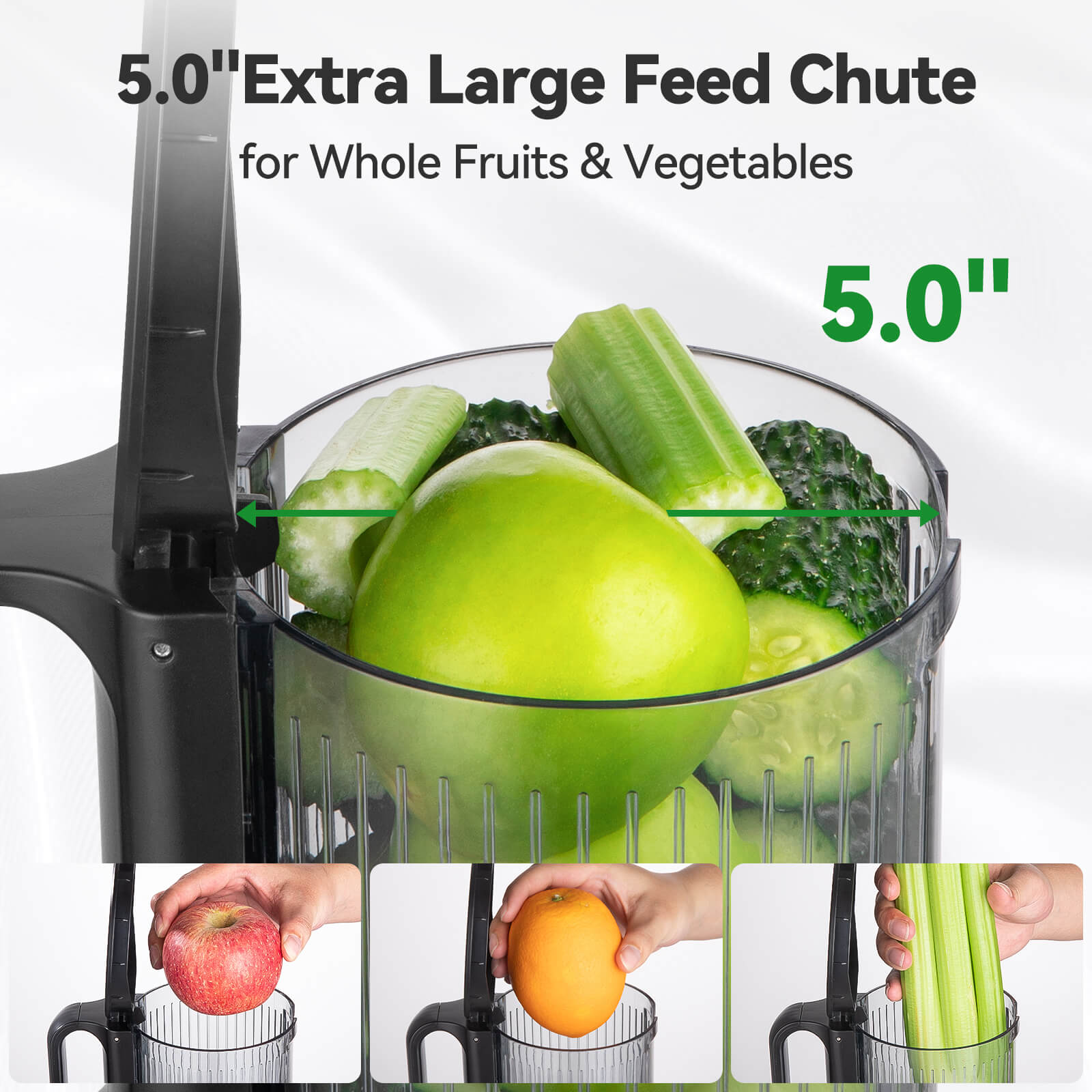
Cut Properly: Cold press juicers usually require smaller chunks than centrifugal ones. Don't jam a whole apple in unless the chute is designed for it.
-
Rotate Produce: Alternate between soft and hard items. Follow a piece of soft orange with a hard carrot; the hard veg helps push the soft mush through the auger.
-
Drink or Store: If using a centrifugal, drink instantly. If using a cold press, fill your storage bottle to the very top to minimize air gap and seal tight.
The Verdict
The debate between centrifugal juicer vs cold press isn't really a debate anymore for health enthusiasts. While the centrifugal one had its day in the sun due to convenience, the science of nutrition and the improvements in slow juicer technology have shifted the tide.
If your goal is to add a powerful option of healthy vegetables into your diet, the cold press juicer works harder for you. It respects the ingredients, extracting the "lifeblood" of the plant without killing it with heat and speed.
For those ready to upgrade their health routine, checking out the Ormeo 2311 Quiet Cold Press Juicer is a smart next step. It represents the modern standard of juicing—efficient, quiet, and capable of delivering the highest quality cold-pressed elixir for your body.
Do not let the "slowness" fool you. In the world of juicing, slow is simply another word for quality.
Frequently Asked Questions (FAQ)
1. Is cold press juice really better for you than centrifugal juice?
Yes, absolutely. The difference is in the way the juice is made. Centrifugal juicers add heat and oxygen, which break down vitamins (like Vitamin C) and live enzymes in just a few minutes. Cold press juicers use light pressure to get juice out of fruits and vegetables without breaking down the cells. This means that your body gets more nutrients and the juice stays full of antioxidants for a lot longer. If you are drinking juice for health benefits, cold-pressed is the superior choice
2. Can I use a centrifugal juicer for leafy greens like spinach and kale?
Technically you can, but it is very inefficient. Centrifugal juicers use high-speed air currents that tend to blow lightweight leaves into the pulp bin before the blades can shred them. You will get very little juice and a lot of waste. A cold press juicer (or masticating juicer) uses an auger to grab and crush the leaves, extracting a dark, rich liquid. If you plan to juice greens regularly, do not buy a centrifugal machine.
3. Why are cold press juicers more expensive?
You are paying for the motor technology and the gearbox. A centrifugal juicer uses a simple, high-speed motor (like a blender). A cold press juicer requires a complex gear reduction system to create high torque at low speeds. Because of this, it can crush tough vegetables like carrots without pausing. To withstand the high pressure needed to extract juice, the parts (such as the auger and screen) must be constructed of stronger, more resilient materials. Higher juice yields typically offset the higher initial cost.
4. How long does juice from a cold press juicer last?
If you store cold-pressed juice properly in an airtight container in the fridge, it can last up to 72 hours (3 days). The slow extraction process keeps oxidation to a minimum. On the other hand, juice from a centrifugal juicer starts to oxidize right away, so you should drink it within 20 minutes for the best taste and health benefits. Cold-pressed juice is great for meal prep because it lasts a long time.
5. Is the Ormeo 2311 Cold Press Juicer hard to clean?
No, the Ormeo 2311 Quiet Cold Press Juicer is designed with ease of cleaning in mind. Unlike older masticating models with many small parts, or centrifugal juicers with massive mesh screens that clog easily, the Ormeo 2311 has streamlined components. Most users find they can disassemble, rinse, and lightly scrub the parts in under 3 minutes. It also includes a "pre-clean" function—pouring water through while it runs helps clear out most of the pulp before you even take it apart.
6. Does a cold press juicer take a long time to make juice?
"Slow" is relative. While the RPM is lower, the actual juicing process is efficient. A centrifugal juicer shreds faster, but you often have to stop to empty the pulp bin more frequently because the pulp is wet and bulky. A cold press juicer ejects dry, compressed pulp continuously. For a standard 16oz glass of juice, the time difference is negligible—perhaps an extra minute or two. The trade-off for that extra minute is significantly higher quality juice and a much quieter kitchen.









Share:
What To Do With Leftover Pulp From Juicer? Ways to Use Fruit & Reuse Pulp
How to Do a Juice Detox Safely: The Ultimate Guide for Glowing Skin