

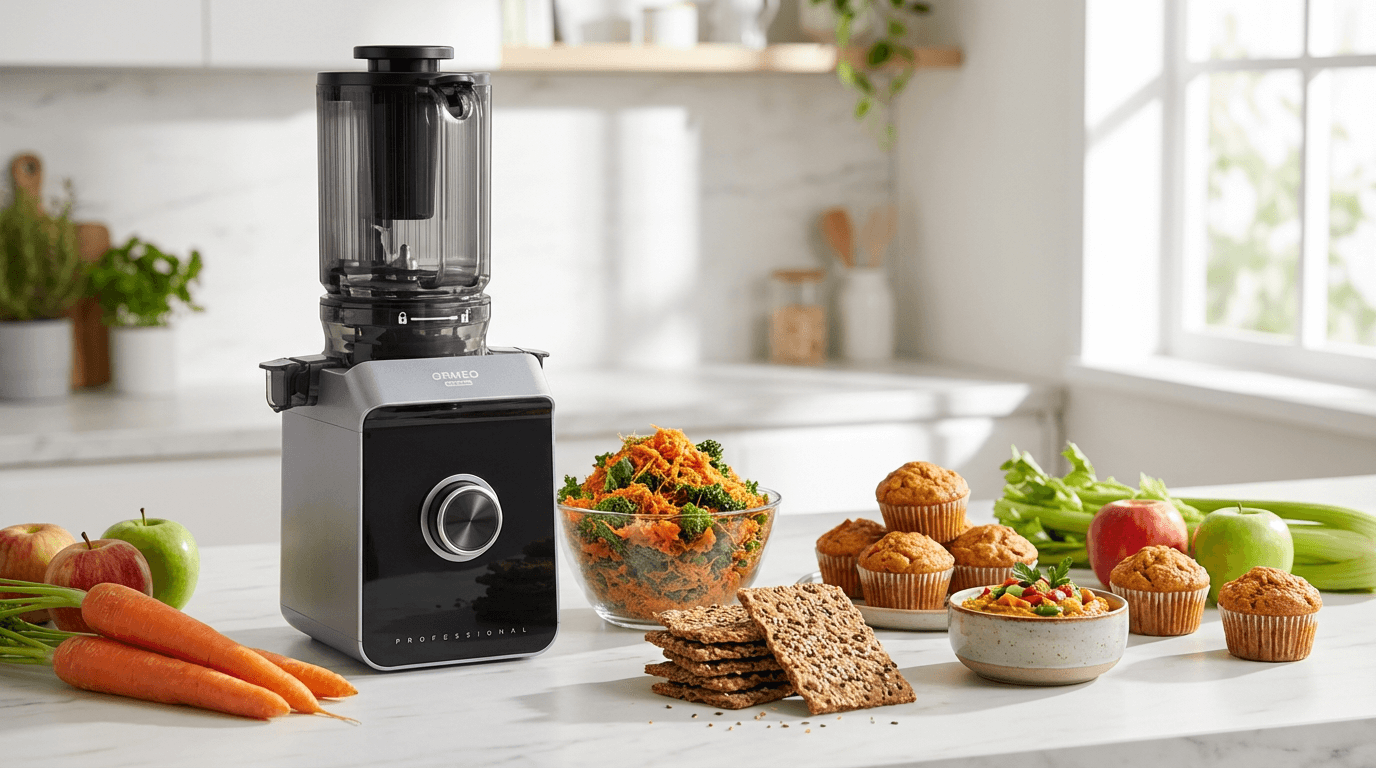
What To Do With Leftover Pulp From Juicer? Creative Ways to Use Fruit & Reuse Pulp
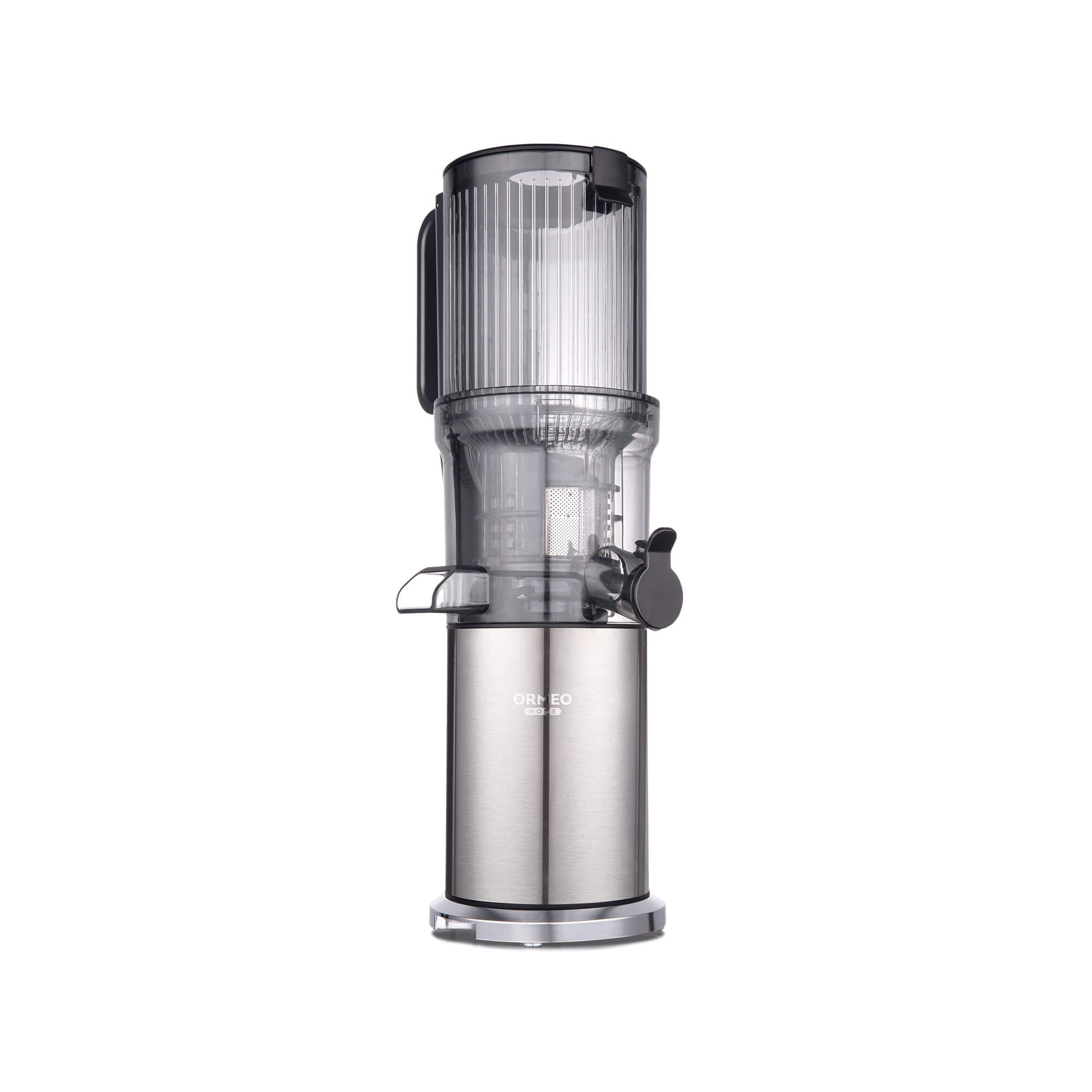
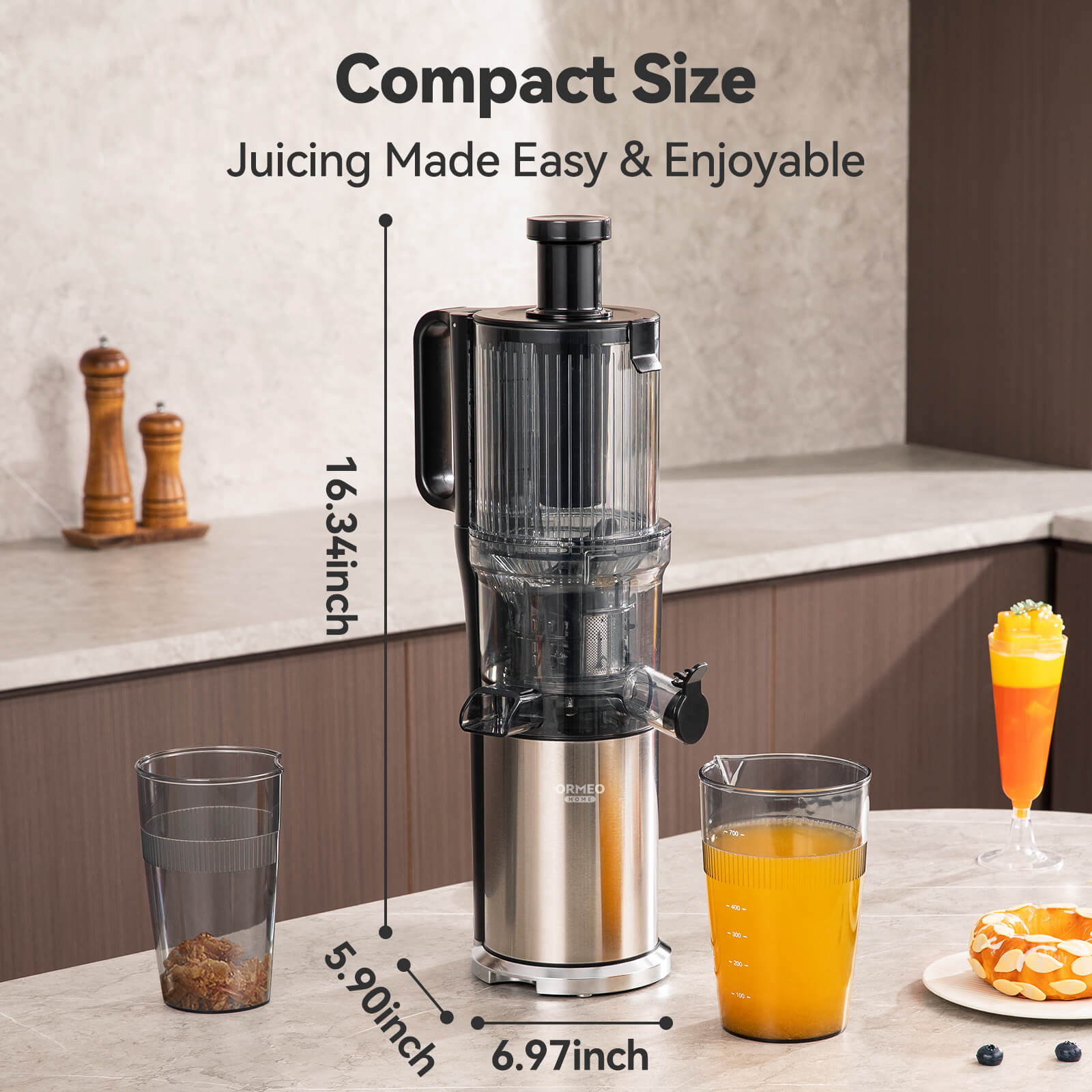
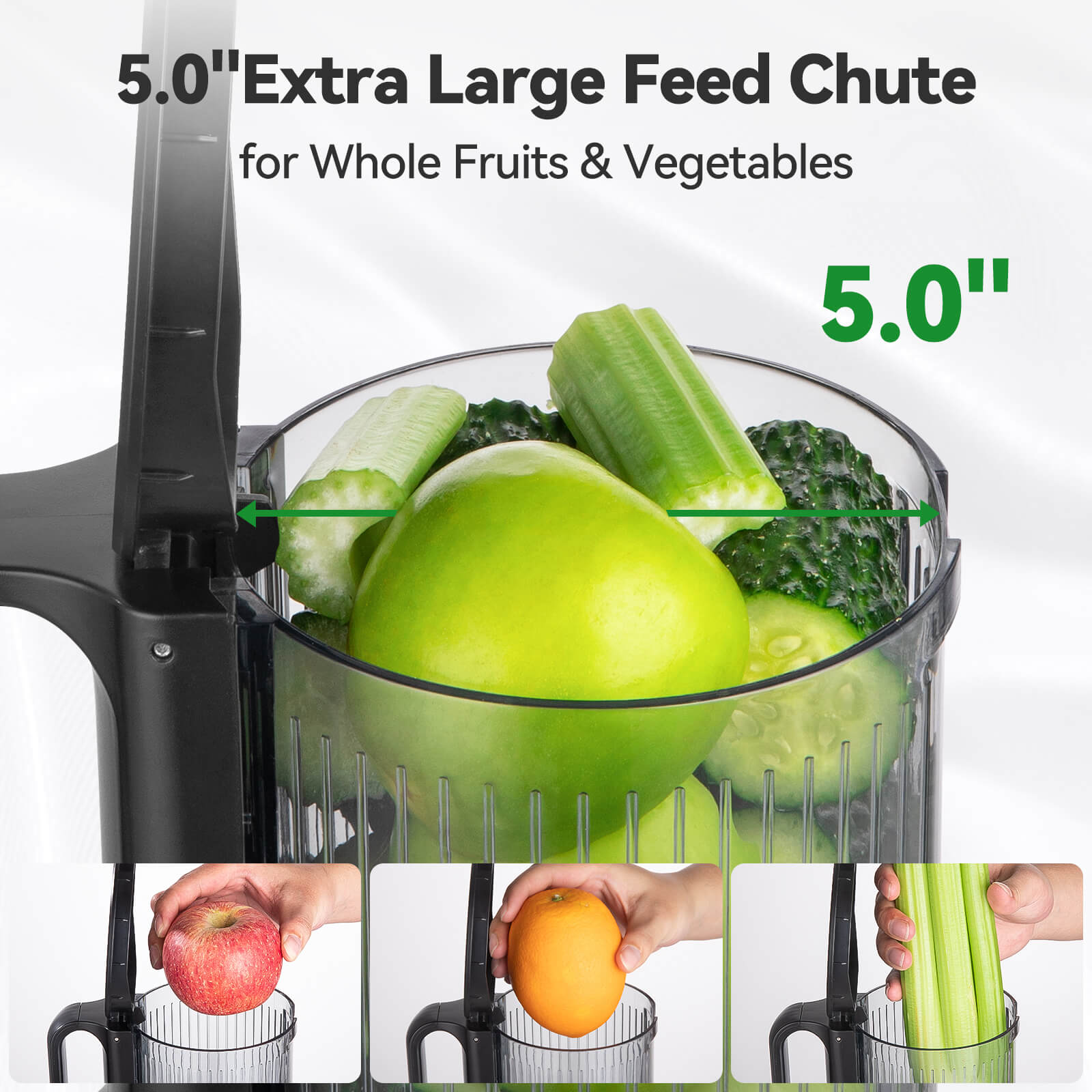
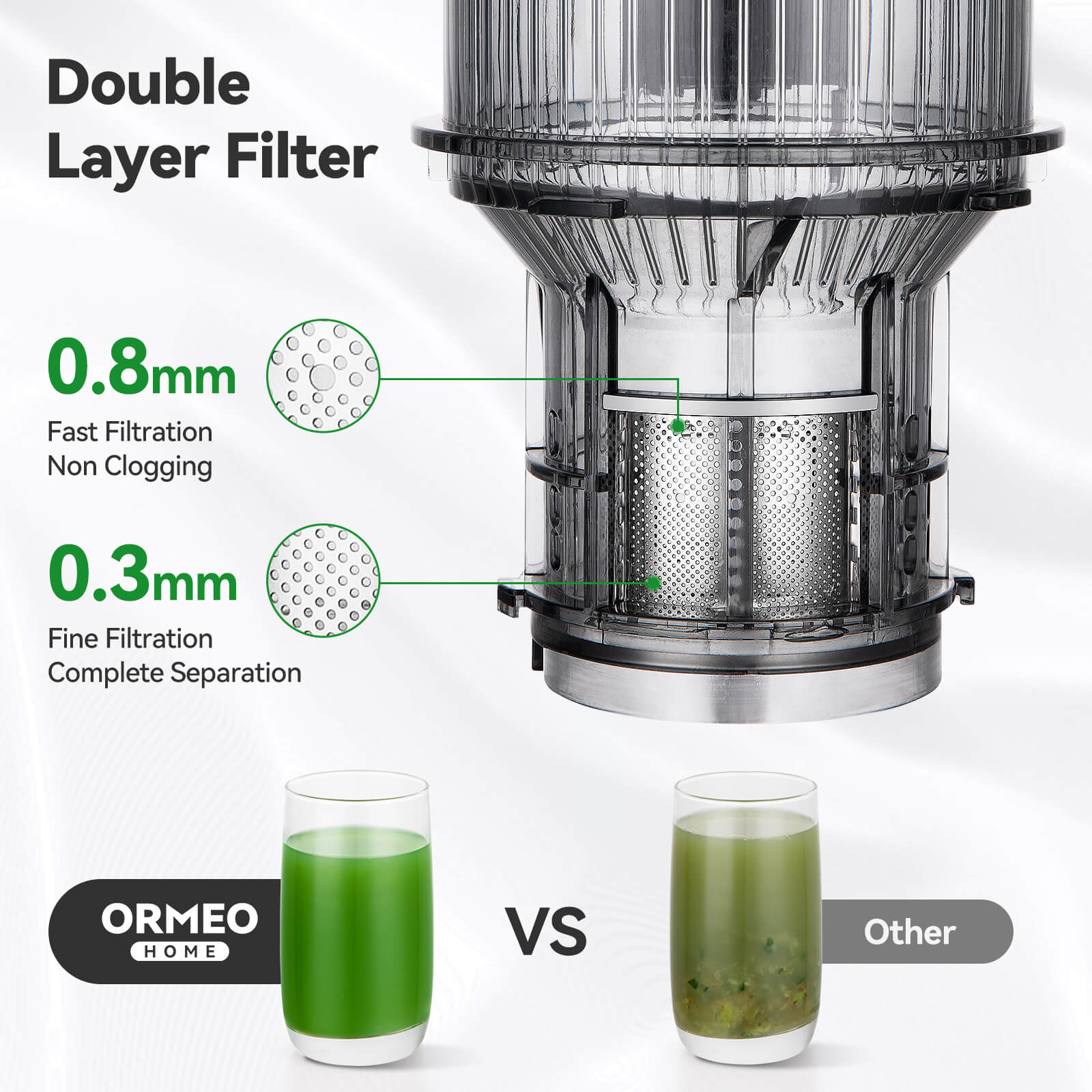
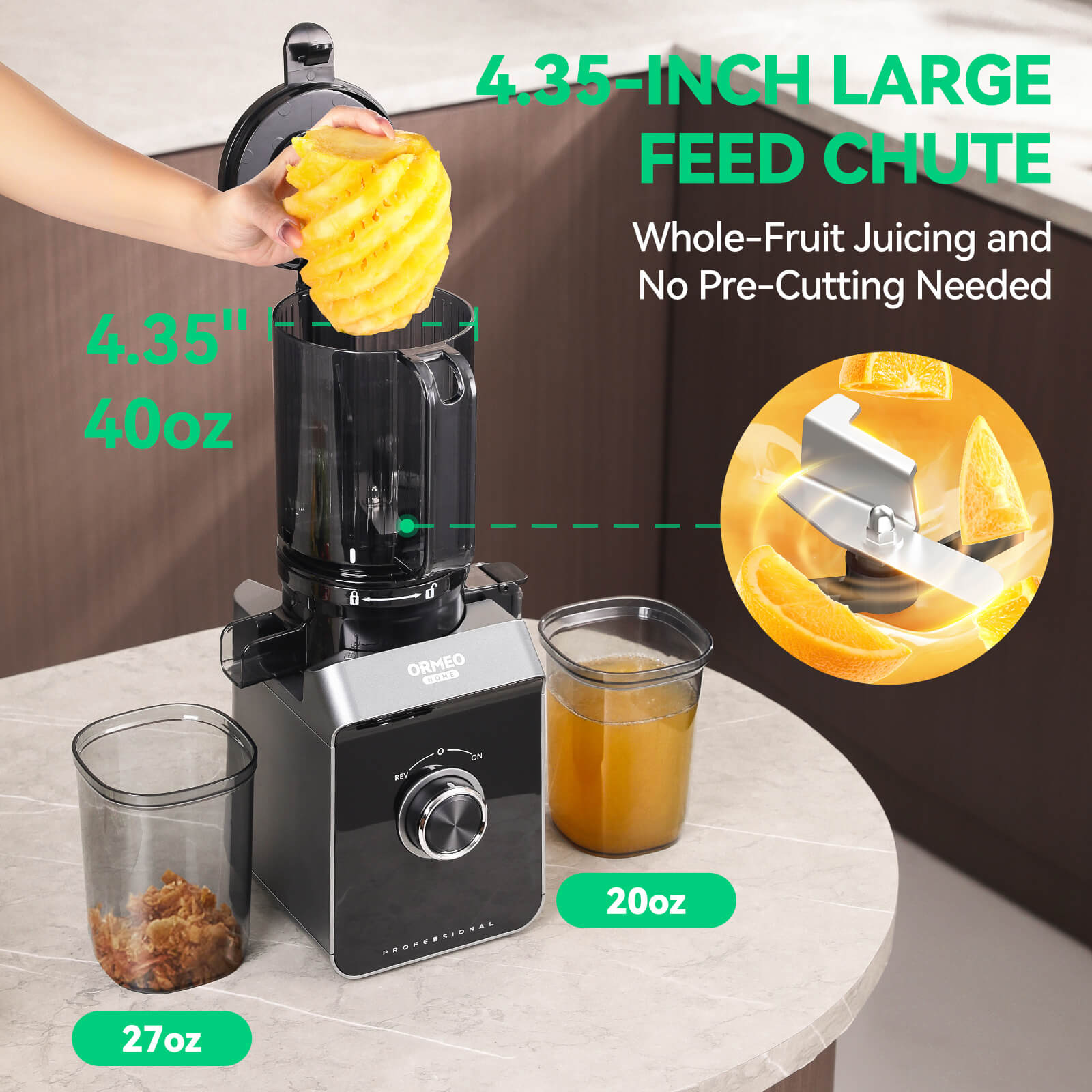
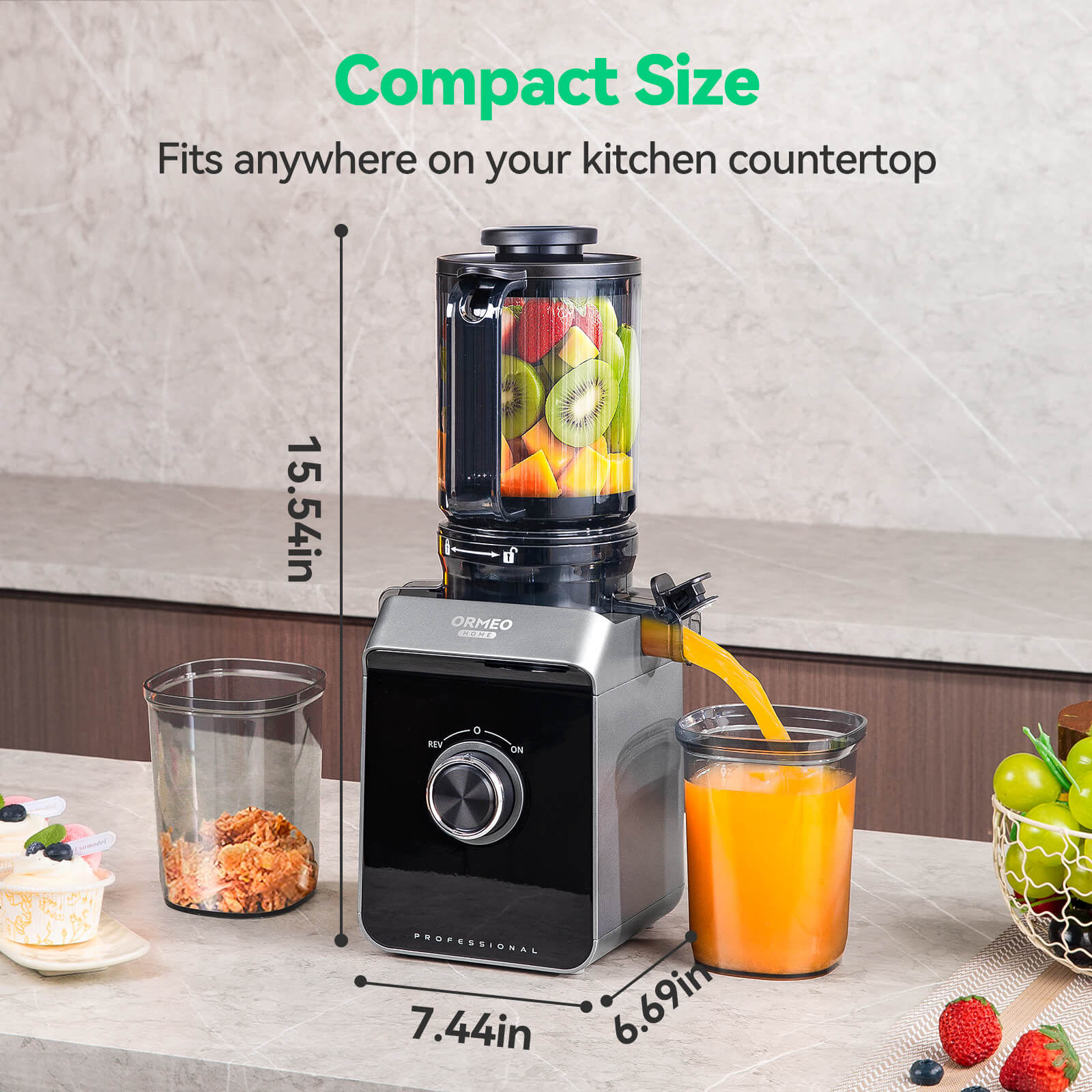
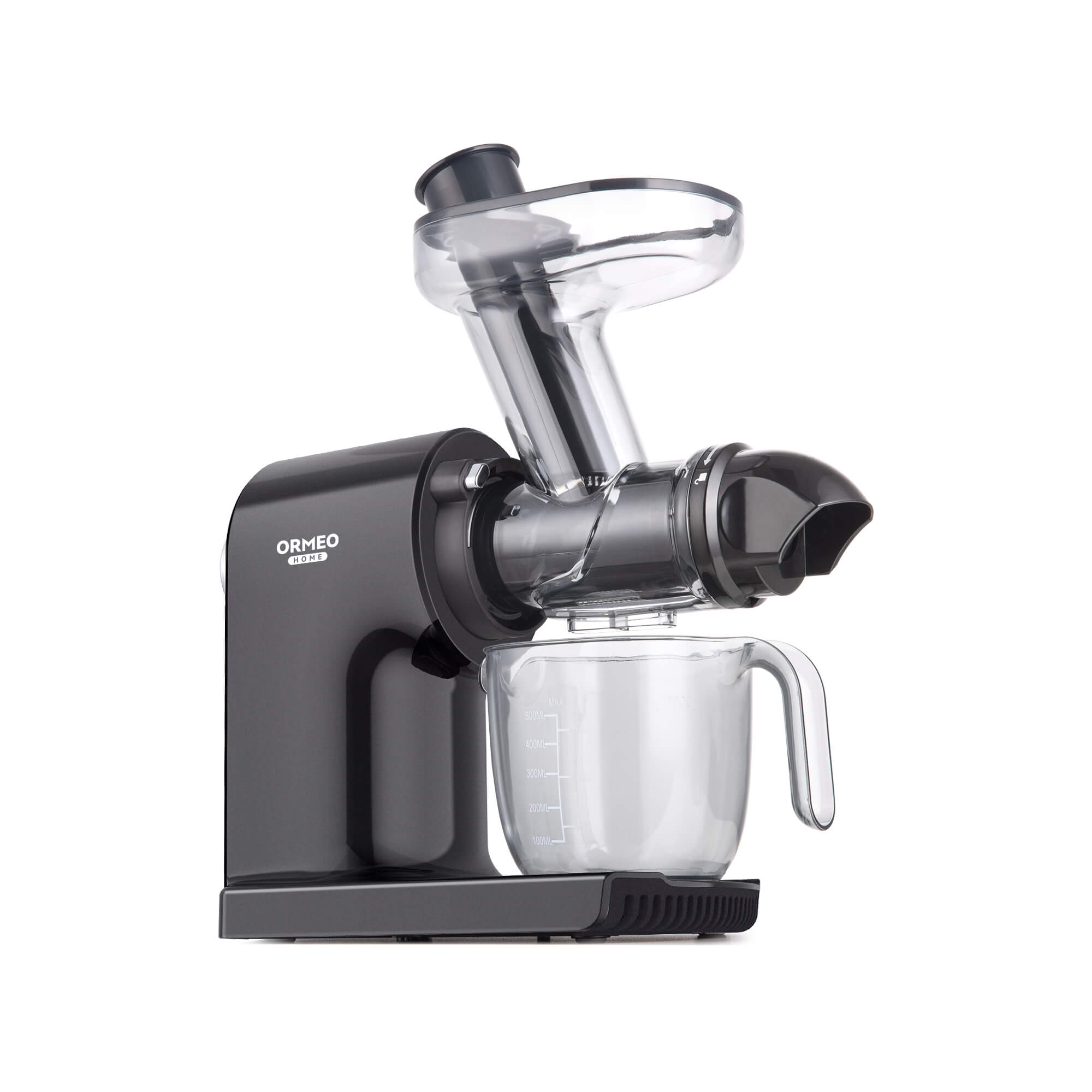
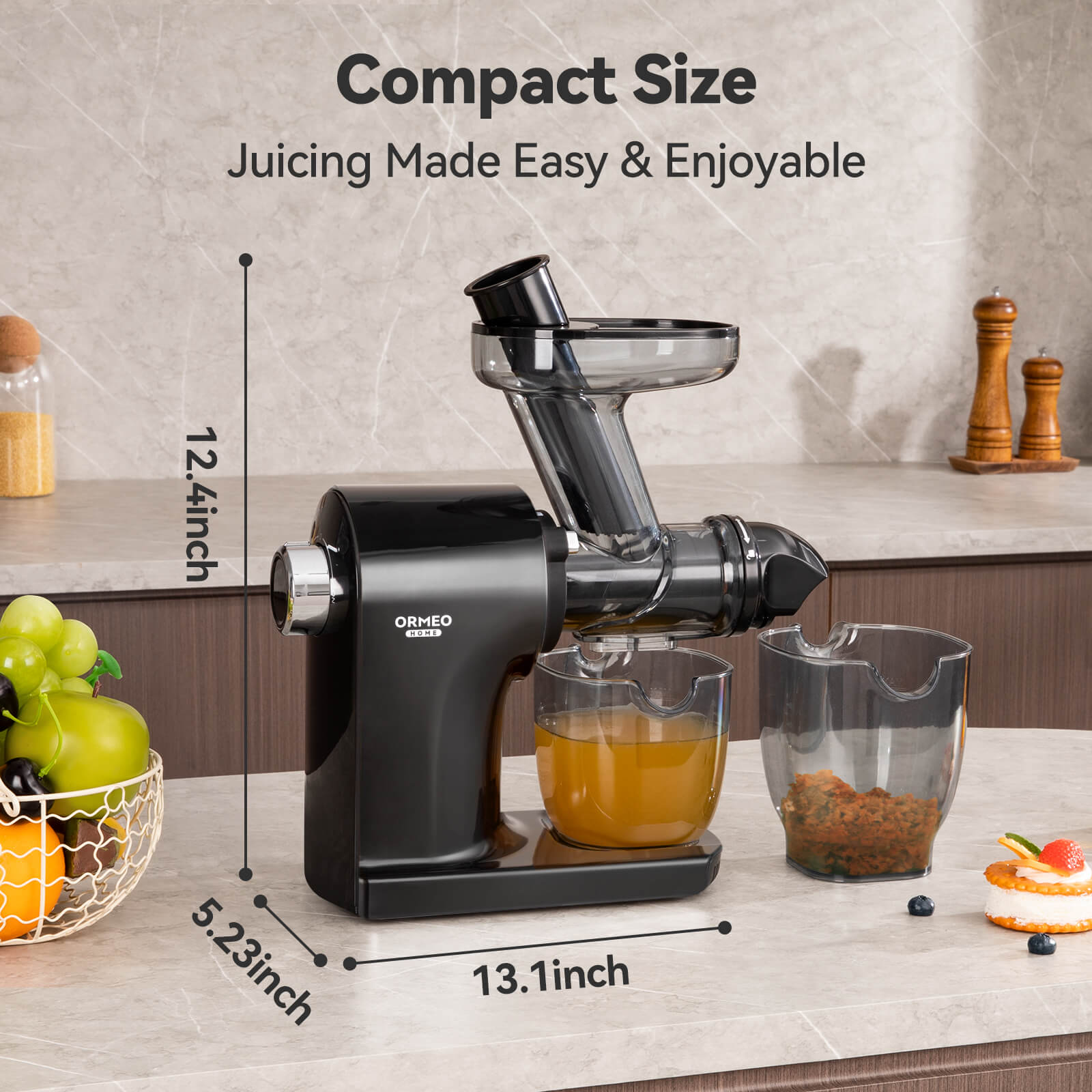
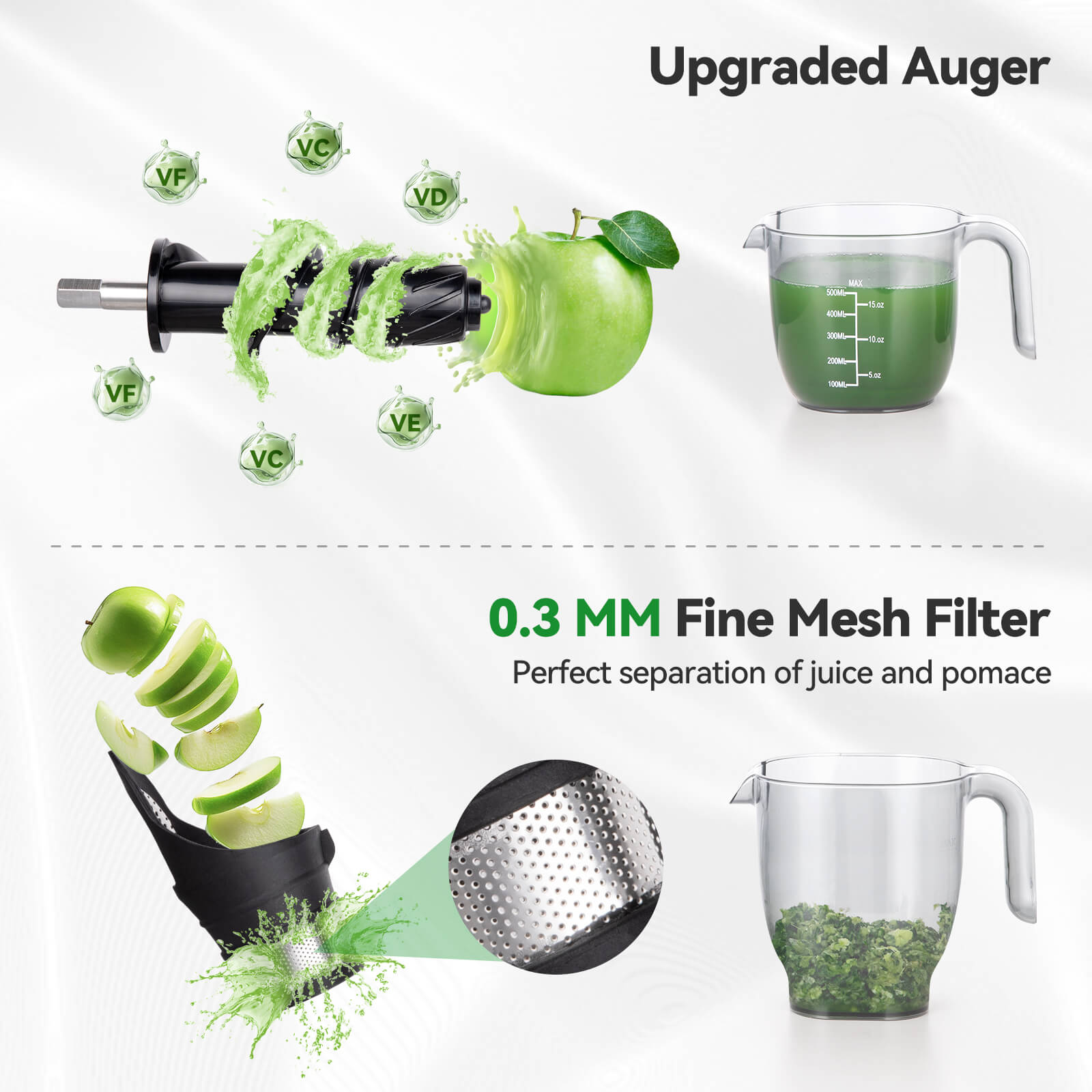
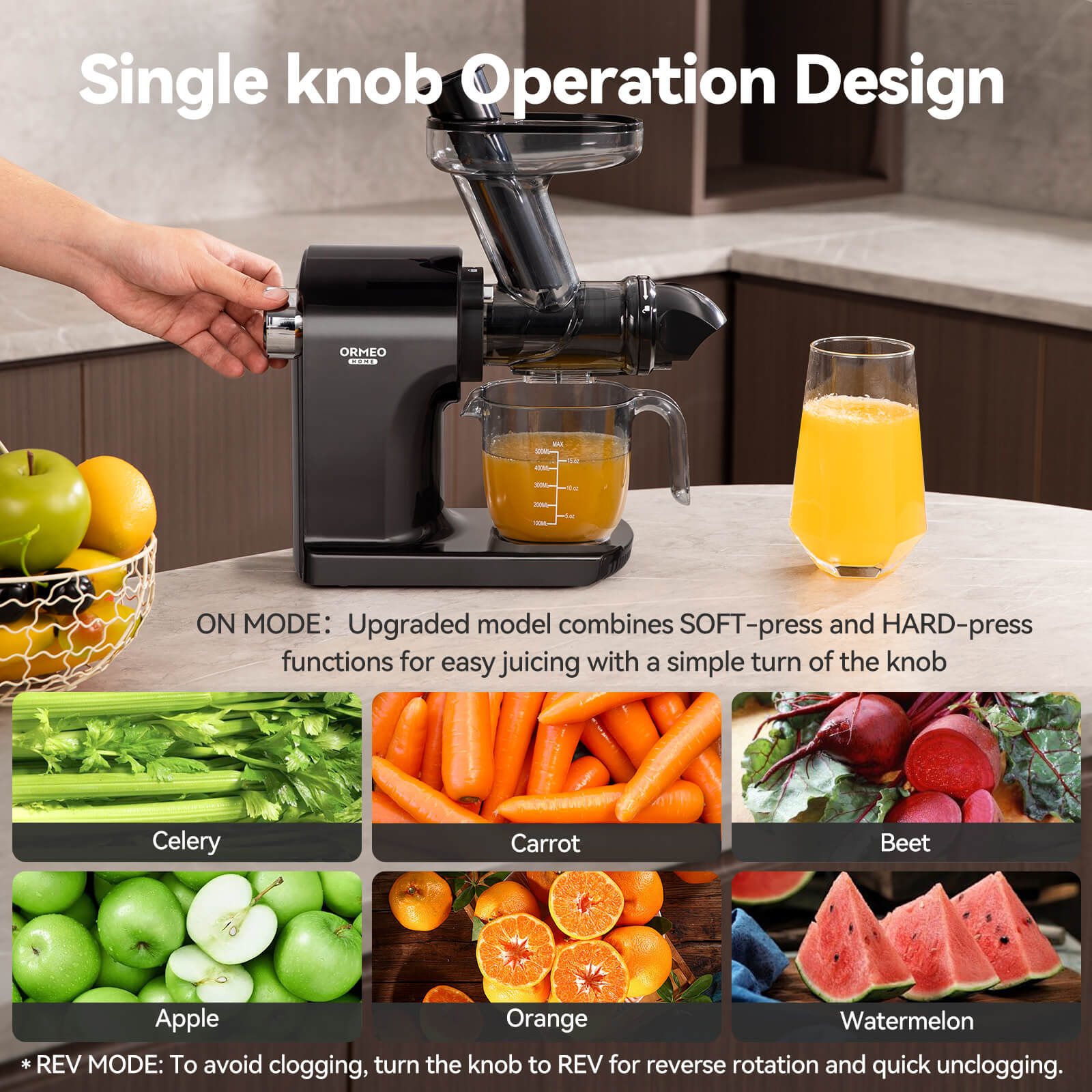
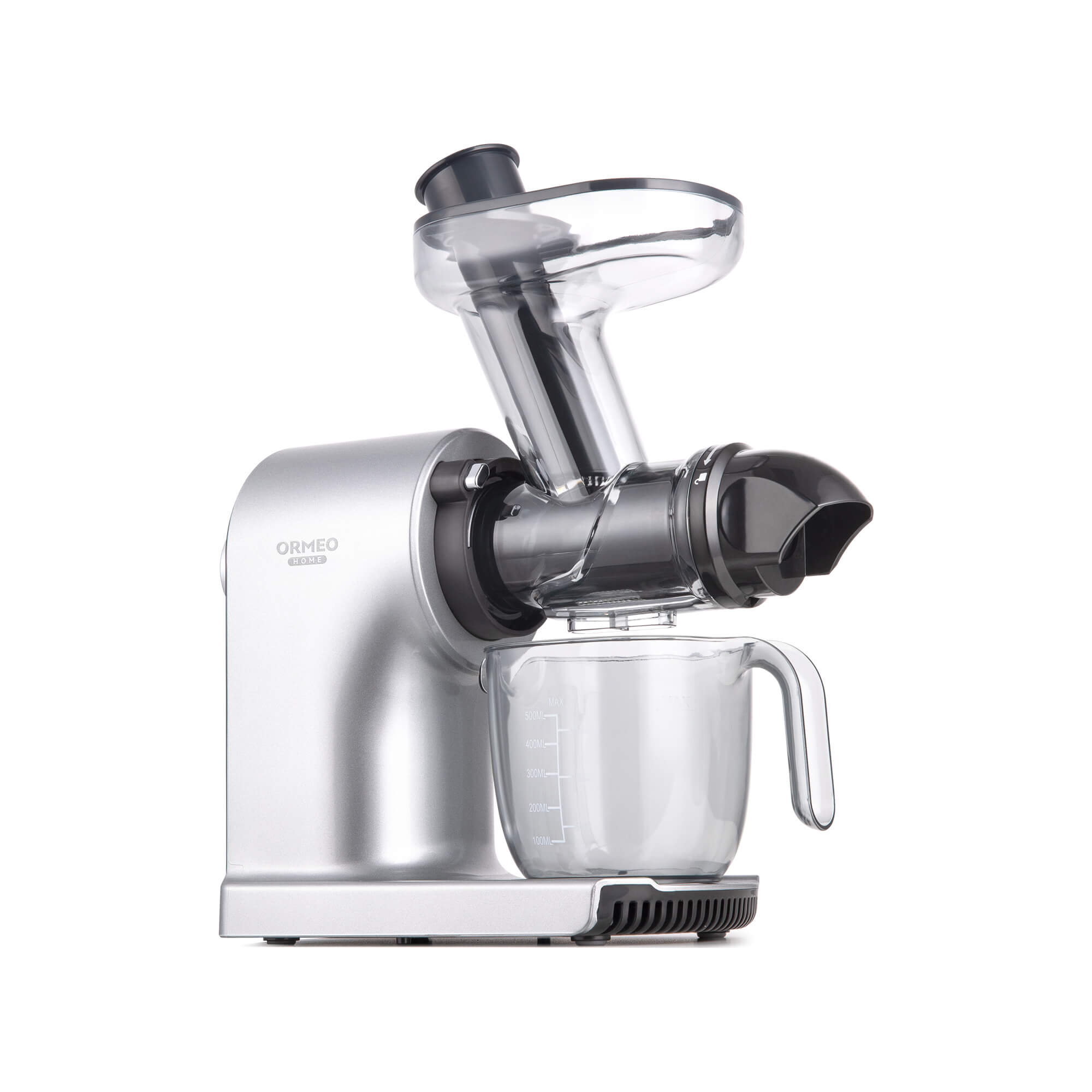
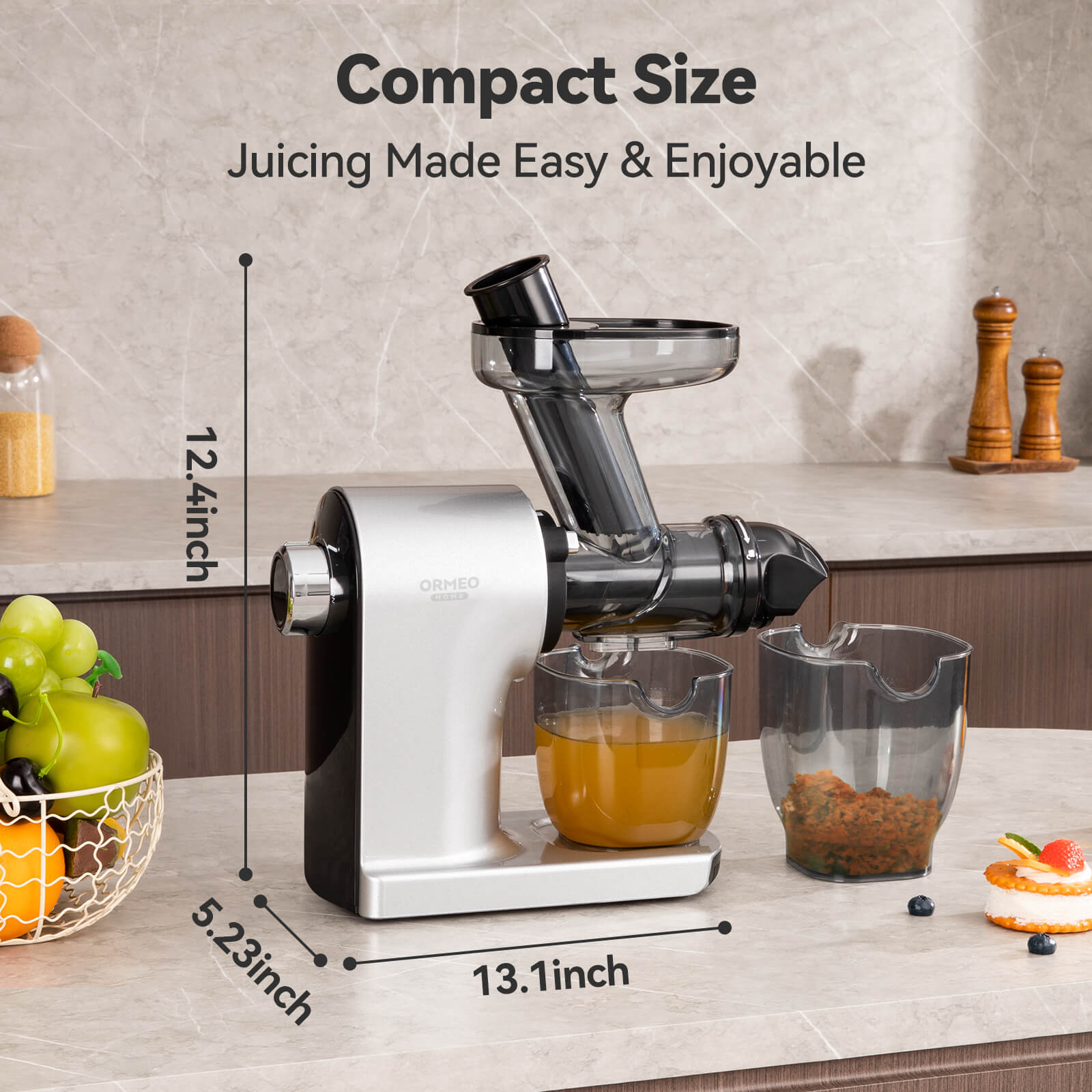
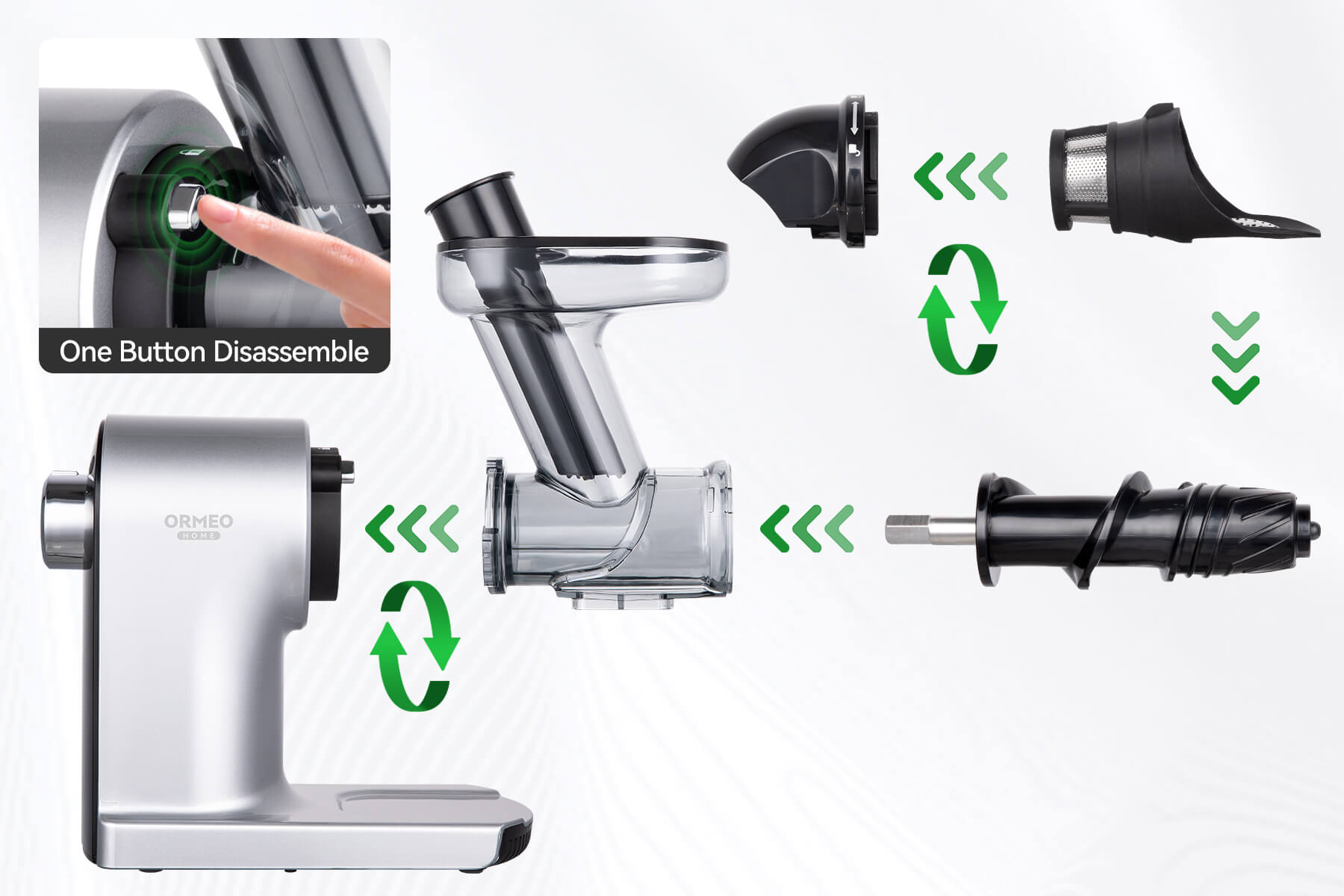
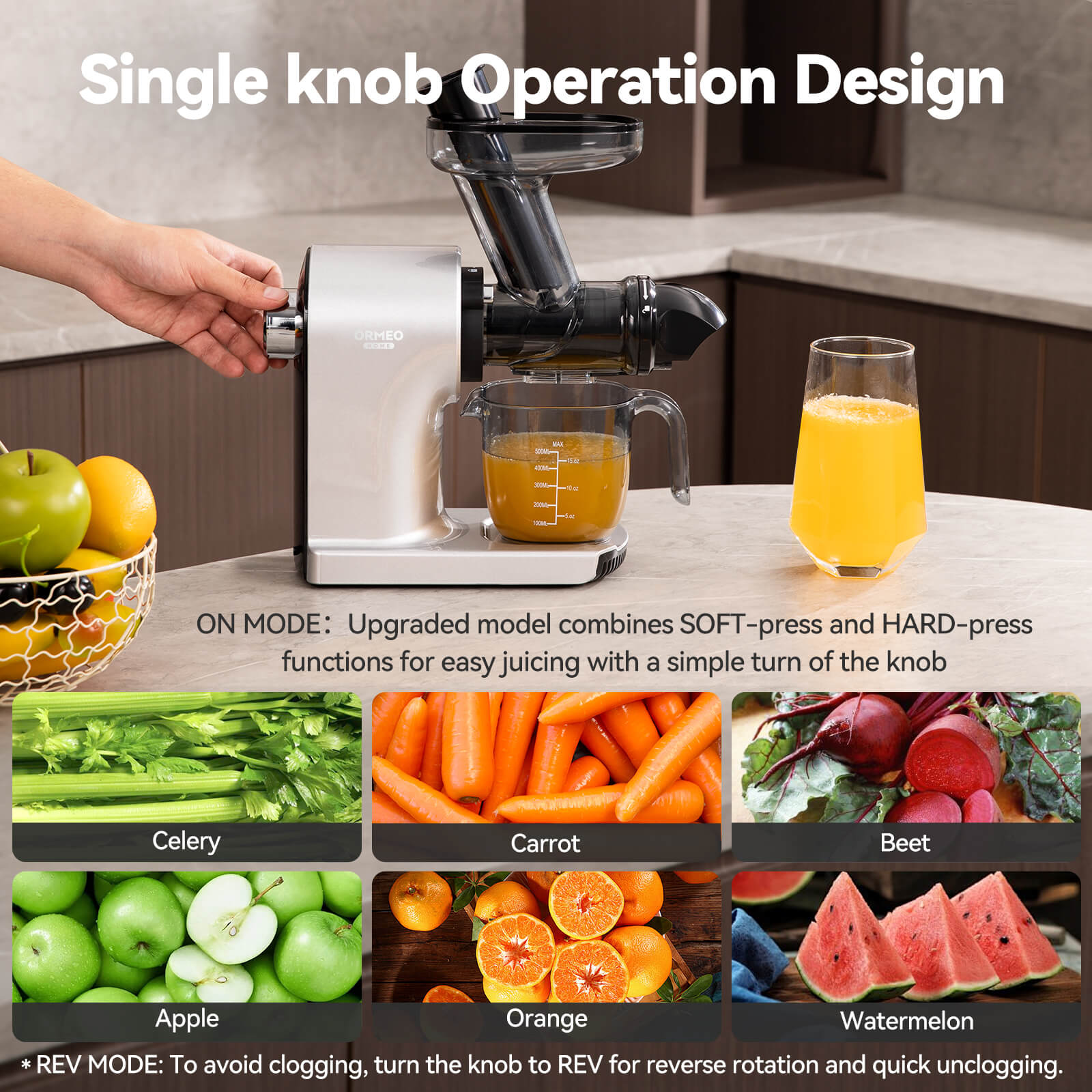
Let’s be honest for a second. If you own a high-quality machine like the Ormeo 2311 Quiet Cold Press Juicer, you are likely staring at a mountain of leftover pulp every morning. Because the 2311 Quiet Cold Press Juicer is so efficient at extraction, the leftover pulp is incredibly dry.
Most people feel a twinge of guilt hovering over the trash can. You know that pulp consists of valuable nutrients. It is packed with insoluble fiber and soluble fiber, which are essential for digestion. We know that increasing fiber intake helps regulate blood sugar levels and naturally lowers cholesterol. Yet, the texture can be unappealing if not handled correctly.
Instead of forcing yourself to eat "sawdust," we need smart, flavorful strategies. Repurposing leftover juice pulp shouldn't be a chore; it should be a culinary bonus. Whether you have fruit pulp from apples or vegetable pulp from celery and kale, there are ways to reuse it that actually taste good.
Here is your comprehensive guide on ways to use that leftover fiber, transforming waste into flavorful meals, snacks, and garden gold.
Fruit Leather
One of the most family-friendly ways to reuse fruit pulp is making fruit leather. If you have leftover apple, pear, or berry pulp, do not throw it away. To make this sweet snack, you will need to rehydrate the pulp slightly. Mix the pulp with a little bit of fresh juice or water and a touch of honey or lemon juice in a food processor until it forms a smooth puree. Spread the mixture thinly onto a baking sheet lined with parchment paper or a dehydrator tray. If using an oven, set it to the lowest setting (usually around 170°F). Dehydrate for 4 to 6 hours until it is no longer sticky but still pliable. This makes a healthier alternative to store-bought gummy snacks for kids. It’s a good use for juicer pulp that might otherwise be too sweet for savory dishes.
Pulp Crackers
If you are a fan of crunch, pulp crackers are the holy grail of leftover juice pulp recipes. This is arguably the most popular pulp recipe because it completely transforms the texture. You can use carrot pulp, beet pulp, or a mix of vegetable pulp. In a large bowl, combine 2 cups of pulp with 1 cup of flour (or almond flour for gluten-free), half a cup of seeds (flax or chia work best to bind), and spices like garlic powder or rosemary. You may need to add a splash of water or oil to get the dough to stick. Roll it out as thin as possible between two sheets of parchment paper. Bake at 350°F for 20-30 minutes. The result is crunchy, savory, and perfect for dipping. These pulp crackers are a good way to use vegetable pulp and add a massive fiber content boost to your snack time.
Broth and Veggie Stock
If you really don't feel like cooking immediately, the "Lazy Method" is for you: making broth or veggie stock. Keep a large gallon-sized freezer bag. Every time you have leftover pulp—specifically vegetable pulp like carrot, celery, onion, or greens—dump it in the bag and freeze it. When the bag is full, dump the frozen block into a large pot of water. Simmer for at least 2 hours (or simmer all day for depth). You can add peppercorns, a bay leaf, and a clove of garlic for extra flavor. Once done, strain the liquid and discard the cooked-out pulp (which can now go to the compost pile without guilt). You are left with a nutrient-dense vegetable broth that serves as a base for your favorite soups and stews. This broth captures the vitamins and minerals without the gritty texture.
Veggie Burgers
Veggie burgers are a fantastic way to consume a large volume of leftover pulp in one meal. The key here is moisture control. Since the Ormeo 2311 leaves the pulp very dry, you will need to add binders. Mix your carrot pulp or beet pulp with mashed beans (black beans or chickpeas), cooked quinoa, an egg (or flax egg), and spices. The pulp adds bulk and fiber, while the beans provide protein. Form them into patties and pan-fry them. You can also crumble this mixture to make a "meat" crumble for tacos. It is a hearty and nutritious alternative to frozen processed patties.
Energy Bars
For an on-the-go breakfast, turn your fruit pulp into energy bars. This works best with neutral or sweet flavors like apple, carrot, or beet. Combine the pulp with oats, nuts, seeds, dates, and a binder like peanut butter or honey. You usually don't even need to bake these. Press the mixture firmly into a pan and refrigerate. These bars are high in fiber, which helps stabilize blood sugar levels throughout the morning. It’s a good way to use fruit pulp to ensure you aren't wasting the sugar-stabilizing fiber from your fruit.
Cheese Spread and Dip
Did you know you can make a gourmet cheese spread or dip using juicer pulp? This is a great trick for entertaining. Take savory vegetable pulp (cucumber, celery, peppers) and chop it finely or run it through a food processor again to ensure no large chunks remain. Fold this mixture into softened cream cheese, goat cheese, or a dairy-free almond ricotta. Add fresh herbs and a pinch of salt. The pulp adds a beautiful confetti look and a fresh crunch to the cheese. Serve this cheese spread with your homemade pulp crackers for the ultimate zero-waste appetizer.
Popsicles
On a hot day, pulp popsicles are a refreshing treat. This is perfect for leftover fruit purees or sweeter vegetable mixes like carrot juice pulp mixed with pineapple. Simply mix the pulp with coconut water, yogurt, or even almond milk to thin it out. You can also blend it with a banana for creaminess. Pour the mixture into popsicle molds and freeze for at least 4 hours. Kids love these, and they are getting a full serving of fiber disguised as a dessert. It makes for a guilt-free treat that is far healthier than store-bought ice pops.
Dog Treats
Don't forget your furry friend! Dog treats are one of the best ways to reuse pulp because dogs generally love the taste of crunchy veggies. Important: Ensure your pulp does not contain grapes, raisins, onions, or chocolate, as these are toxic to dogs. Safe pulp recipes for dogs usually involve mixing carrot pulp or apple pulp with oat flour, peanut butter, and eggs. Roll out the dough, cut into shapes, and bake until hard and crunchy. These homemade treats are healthier and much cheaper than the premium brands at the pet store.
Baked Goods (Muffins & Cupcakes)
Baked goods are the most forgiving category for juice pulp recipes. Adding pulp to a muffin or cupcake batter adds incredible moisture and density. Carrot pulp is the classic choice for carrot cake or muffins. However, apple pulp or pear pulp works beautifully in cinnamon spice cakes. You can usually replace about 1/2 cup of oil or butter in a standard recipe with 3/4 cup of fruit pulp. The pulp adds moisture, allowing you to reduce the fat content. Try baking a juice pulp bread (like zucchini bread style) using mixed green pulp—it turns the bread a fun green color and hides the veggie taste under the sweetness of the batter.
Fritters
If you love fried food, pulp fritters are a must-try. This works best with vegetable pulp that has a savory profile. Mix the pulp with eggs, flour, baking powder, and scallions. Drop spoonfuls into hot oil and fry until golden brown. Serve with a tangy yogurt sauce. Cucumber pulp makes for a surprisingly fresh-tasting fritter, similar to a latke. This is a savory side dish that pairs well with salads or grilled meats.
Salad Add-ins
Sometimes the simplest method is the best. You can sprinkle fresh vegetable pulp directly onto a salad. Carrot pulp and beet pulp are colorful and sweet. They act almost like a garnish or a shredded veggie topping. If the texture of raw pulp is too dry for you, mix it into the dressing first to thicken it, or massage it into kale leaves to soften them. It’s a simple and healthy way to use leftover juice pulp without any cooking required.
Meatballs
Similar to the veggie burgers, you can bulk up traditional meat dishes with pulp. Adding vegetable pulp to a meatball or meatloaf recipe is a brilliant "stealth health" move. The fiber in the pulp holds onto the juices of the meat, preventing the meatball from drying out. A ratio of roughly 1 part pulp to 4 parts meat works well. You won't taste the veggies, but you will benefit from the vitamins and minerals.
Hummus and Dips
Boost your store-bought or homemade hummus by blending in leftover pulp. Beet pulp will turn your hummus a vibrant pink color and add an earthy sweetness. Carrot pulp blends in seamlessly. This not only increases the volume of your dip but also enhances the nutritional profile. It's a flavorful twist on a classic snack.
Veggie Stock (Broth Concentrate)
We mentioned broth earlier, but you can also make a veggie stock paste. Blend your vegetable pulp with herbs, salt, and olive oil in a food processor until it becomes a paste. Store this in an airtight container in the fridge or freeze in ice cube trays. When you need to make soup, just drop a cube into hot water. It dissolves instantly to create a delicious instant broth.
Compost: The Ultimate Eco-Friendly Option
If you have exhausted all culinary options, or if you simply have too much pulp, composting is the responsible choice. Composting leftover pulp returns the nutrients to the earth. The Ormeo 2311 extracts so much juice that the pulp is ideal for the compost pile because it isn't overly wet and won't create a soggy mess. How to compost fruit and veggie pulp: Do not just throw it on top of the soil, as this attracts fruit flies and rodents. Dig a trench about 6 inches deep in your garden, dump the pulp in, and cover it completely with soil. The worms and microorganisms will break it down rapidly, enriching your garden soil for your next harvest.
Frequently Asked Questions (FAQ)
1. How long can I store leftover juice pulp in the fridge?
You should treat juice pulp like fresh produce. It is best to use it immediately, but it can be stored in an airtight container in the fridge for up to 24 hours. If you wait longer, oxidation will occur, the color will turn brown, and the nutrients will degrade. If you cannot use it within a day, freeze it immediately in a freezer-safe bag. It can be kept frozen for up to 3 months for use in broth or baking.
2. Can I eat all types of fruit and vegetable pulp?
Generally, yes, but with caveats. Pulp from organic produce is best since pesticide residues can concentrate in the skin/fiber. Avoid eating pulp from fruits with inedible skins (like oranges or pineapples) unless you peeled them before juicing. Also, be wary of apple seeds in large quantities. While vegetable pulp like carrot and celery is universally versatile, bitter greens like dandelion might be too intense for baked goods and are better suited for compost or savory broth.
3. Why is my pulp recipe turning out too dry?
This is actually a good sign that your juicer (like the Ormeo 2311) is working perfectly! High-quality cold press juicers extract maximum liquid. If a recipe feels dry, you need to compensate. When baking muffins or making crackers, add a liquid binder like water, oil, applesauce, or almond milk. For veggie burgers, add an egg or flax egg. You are working with concentrated fiber, so rehydrating it slightly is often necessary for the perfect texture.
4. Does cooking the pulp destroy the nutrients?
Cooking does degrade some heat-sensitive vitamins (like Vitamin C), but the fiber content remains largely unchanged. The insoluble fiber and soluble fiber in the pulp are heat-stable. These fibers are crucial for digestion and maintaining healthy blood sugar levels. Furthermore, cooking can actually make certain nutrients more bioavailable (like lycopene in tomatoes or beta-carotene in carrots). So, whether you bake it into crackers or simmer it in stock, you are still getting significant health benefits.
5. Is juice pulp good for all plants in the garden?
Yes, but it must be composted first or buried deep. Fresh pulp is rich in nitrogen and sugar. If you leave it on the surface, it attracts pests and mold. However, once decomposed, it is an excellent fertilizer. It adds organic matter, improves soil structure, and helps water retention. For a quick fix, you can blend the pulp with water to make a "pulp tea" and pour it around the base of plants, but traditional trench composting is the most effective method for using fruit pulp in the garden.









Share:
The Best Detox Juice Cleanse for Weight Loss: A 7-Day Cold Press Plan
Which is Juice Machine Best? Cold Press vs. Centrifugal Explained