

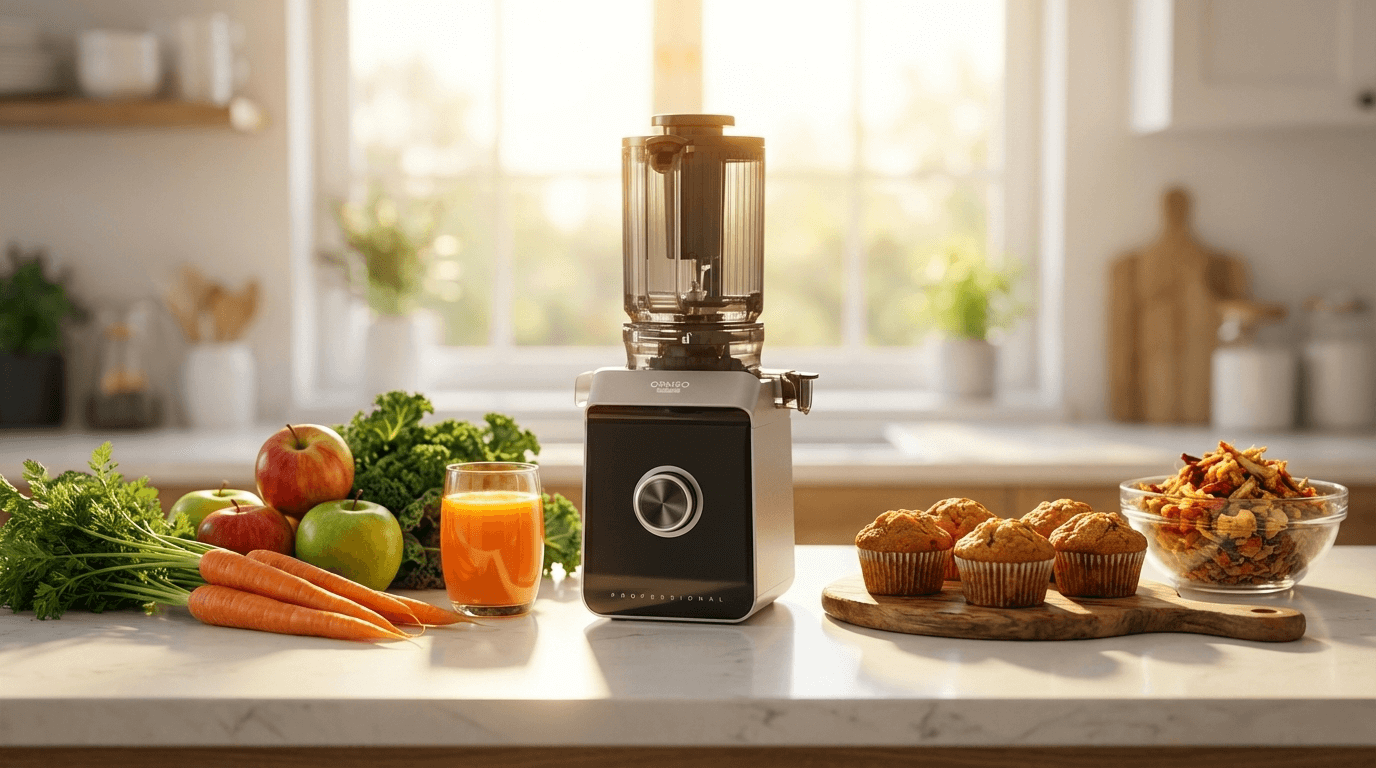
What To Do With The Pulp From A Juicer? Creative Ways to Reuse Juice & Juicer Pulp
Let's be honest for a moment. If you love juicing as much as we do, you've probably looked at the bin full of leftover juicer pulp and felt bad about it. You just got that bright, nutrient-rich liquid gold out, but now you have a lot of fiber to deal with. It feels wrong to throw it away, doesn't it?
That’s because it is wrong—or at least, it’s a missed opportunity.
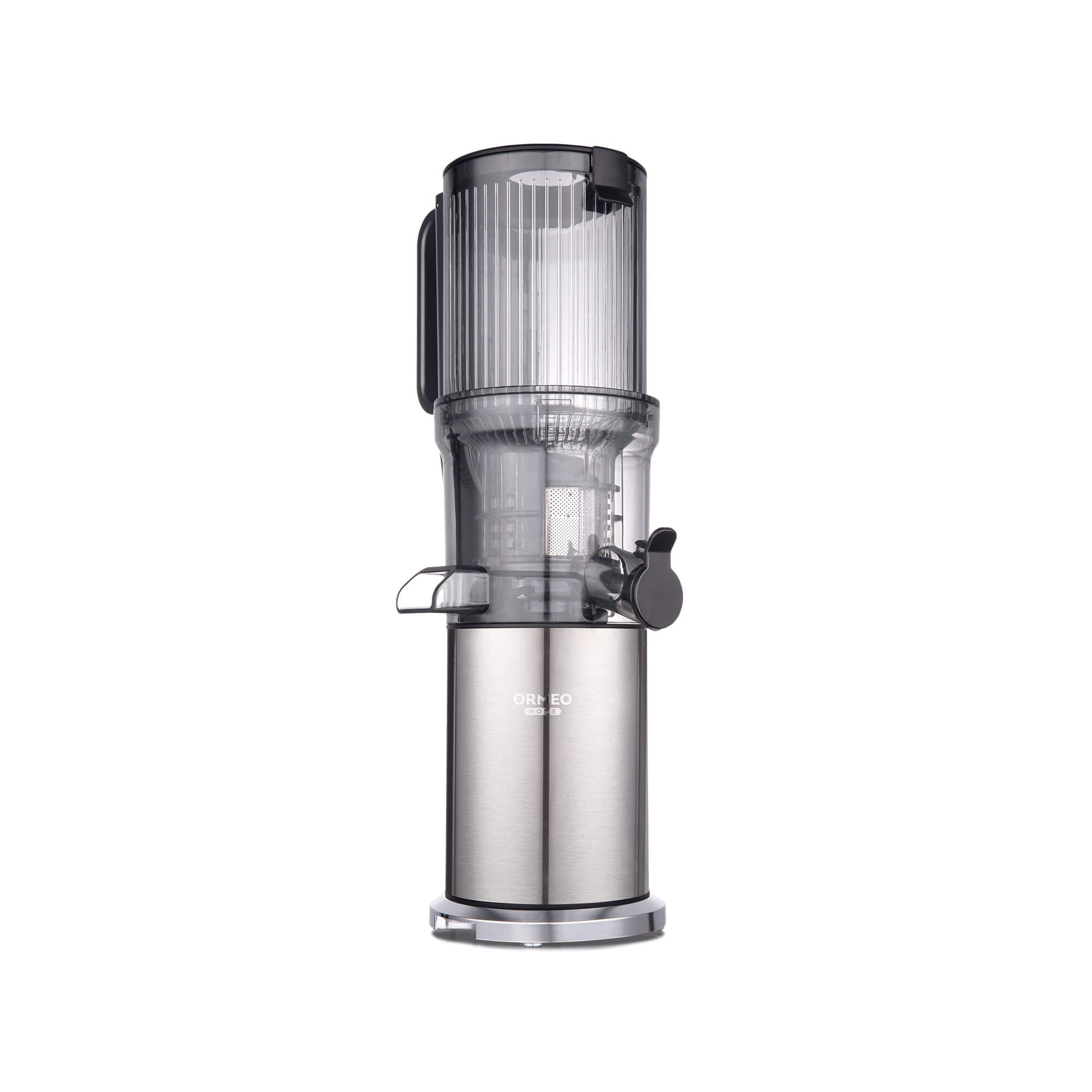
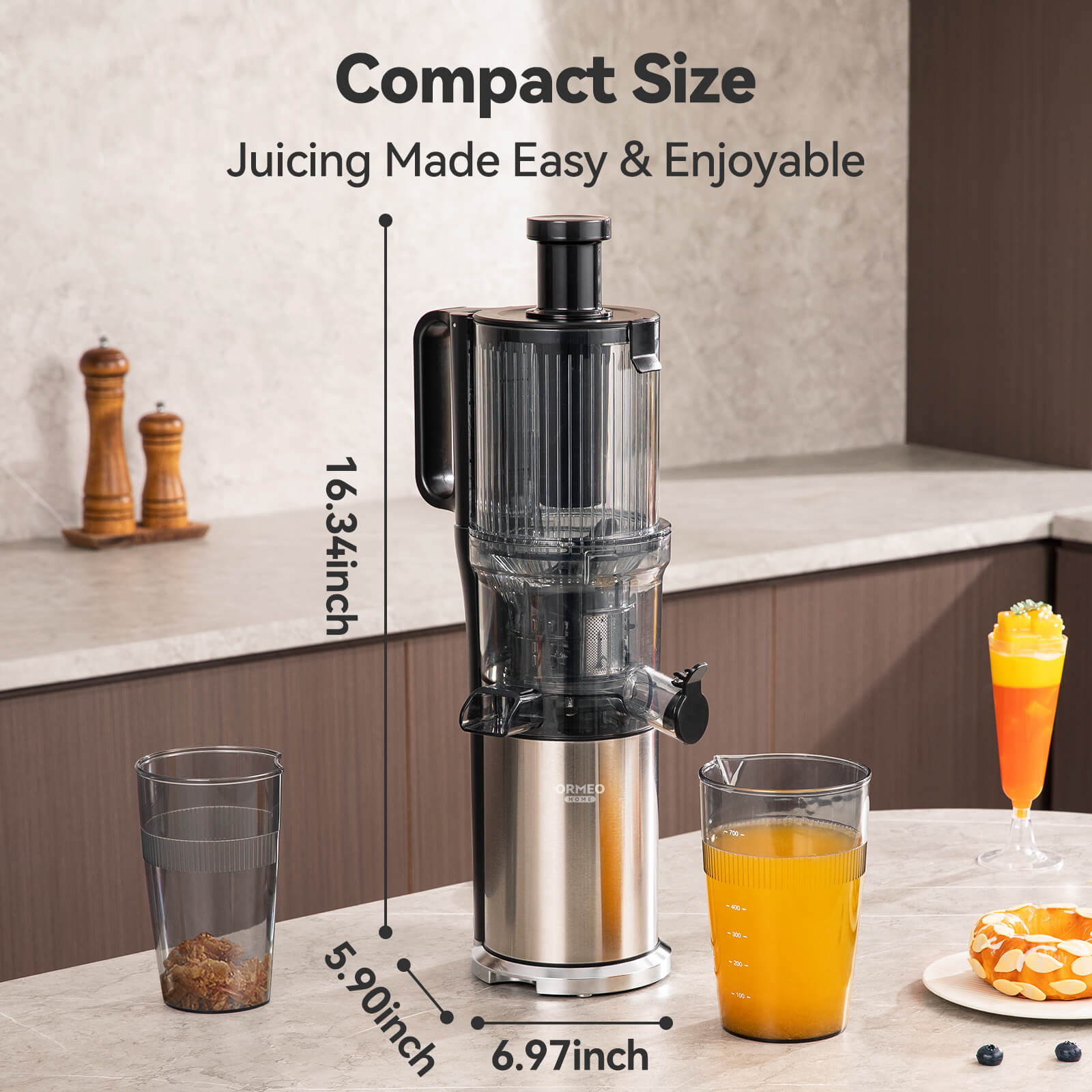
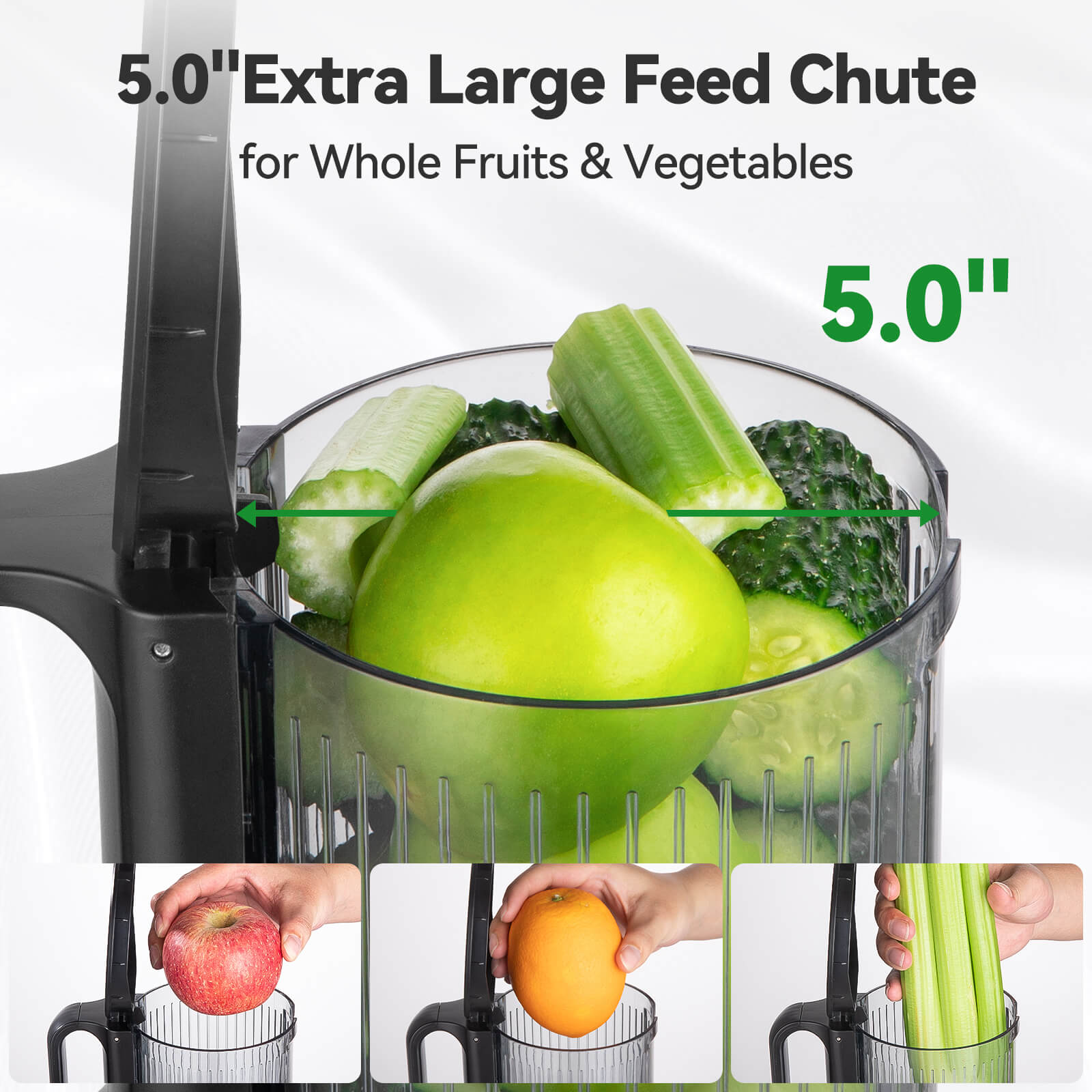
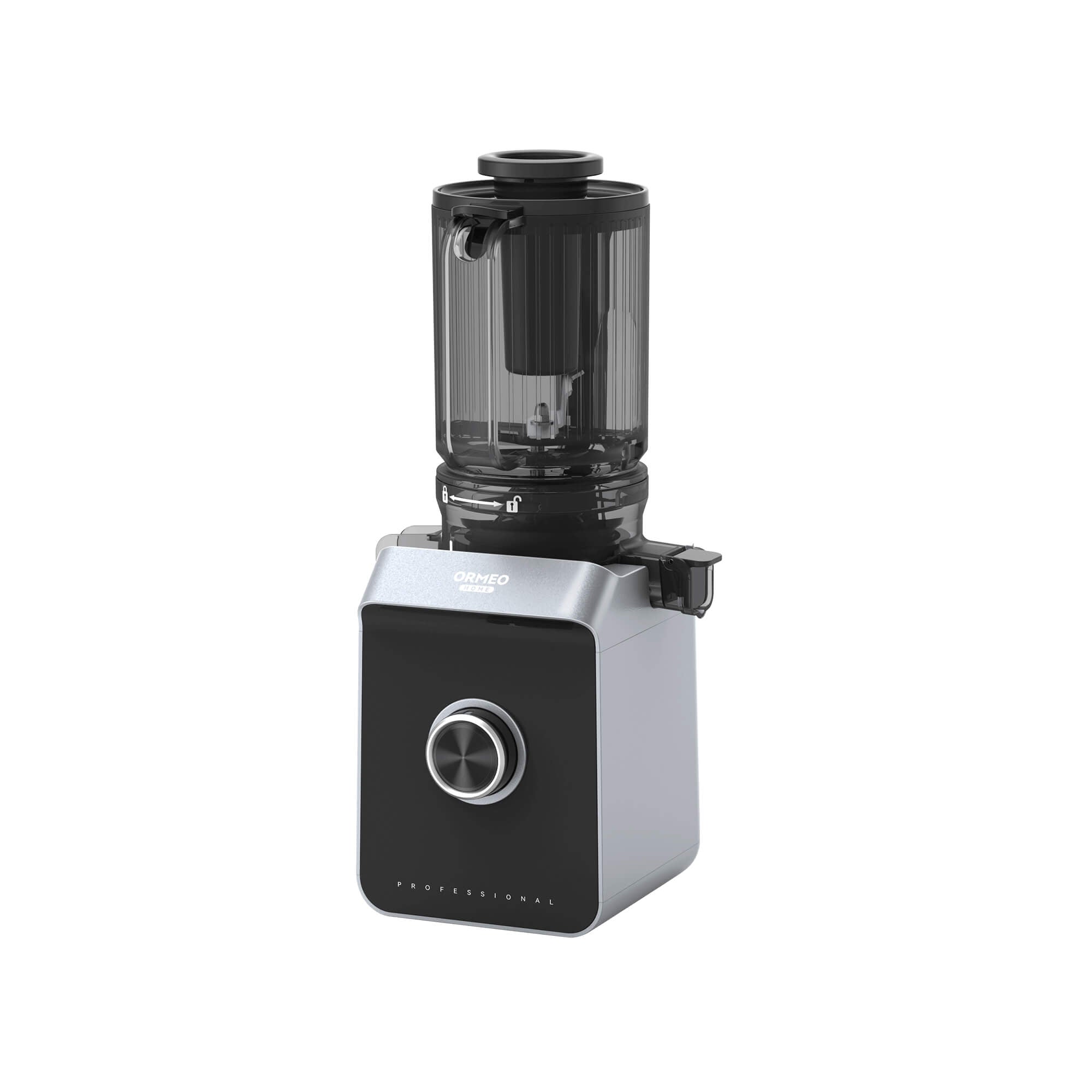
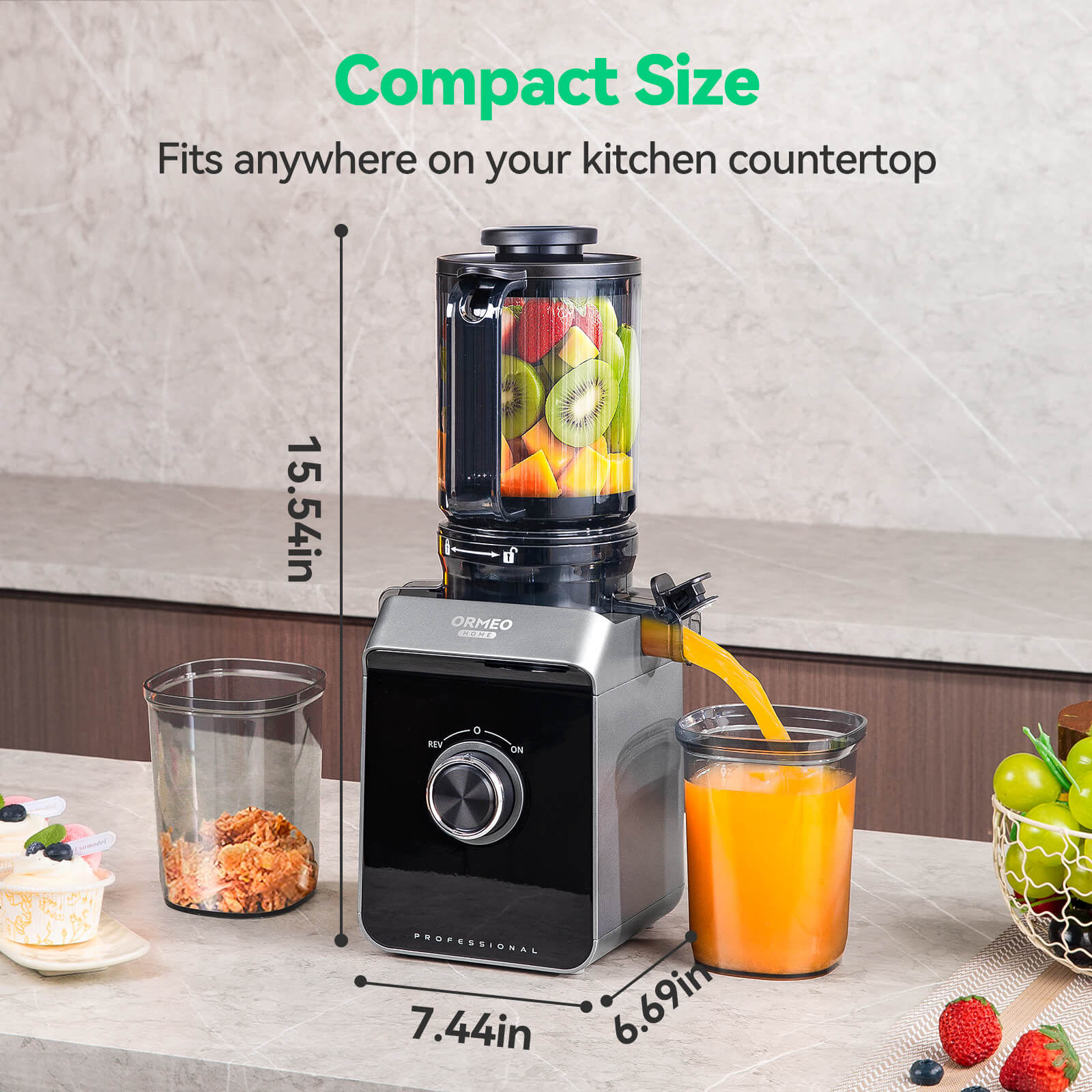
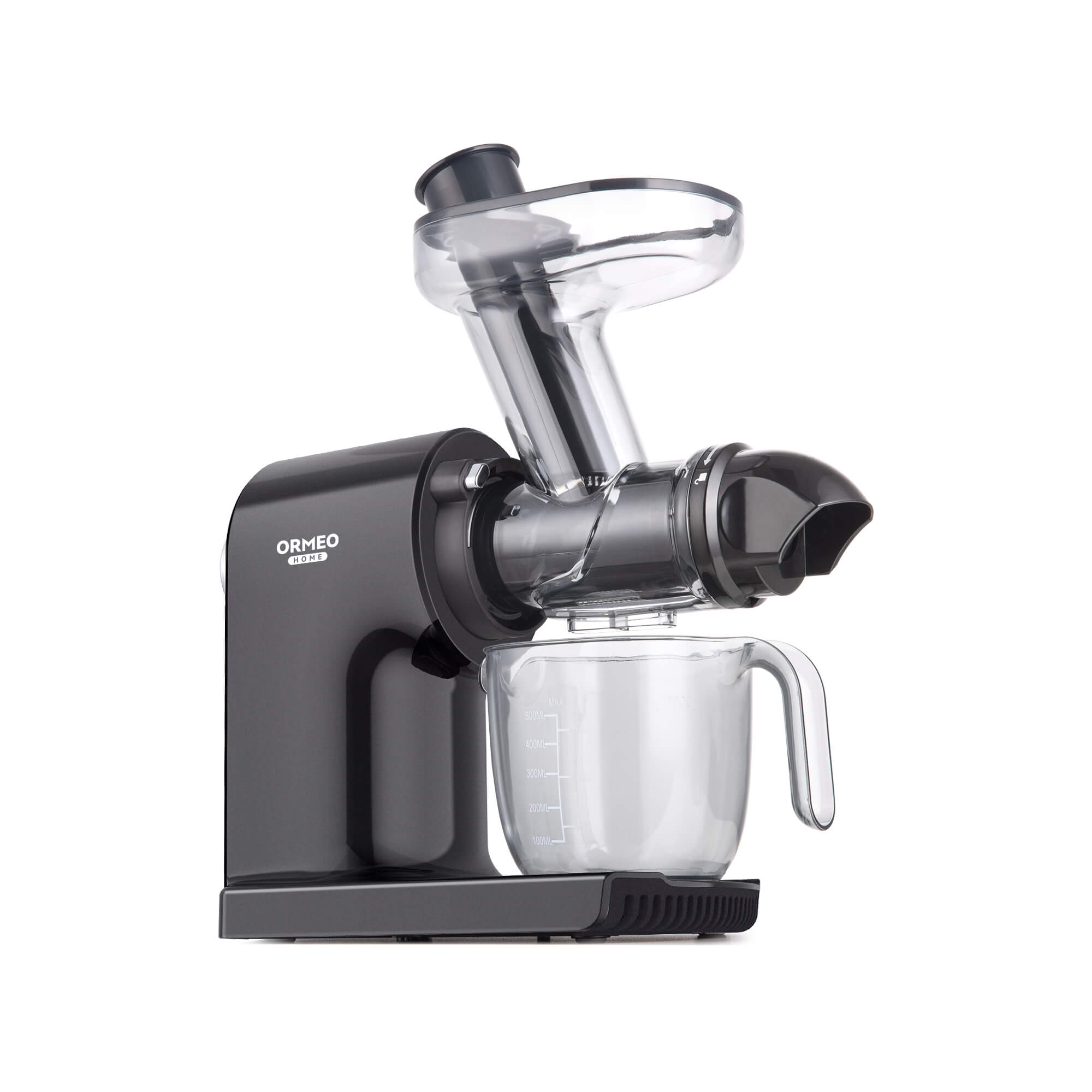
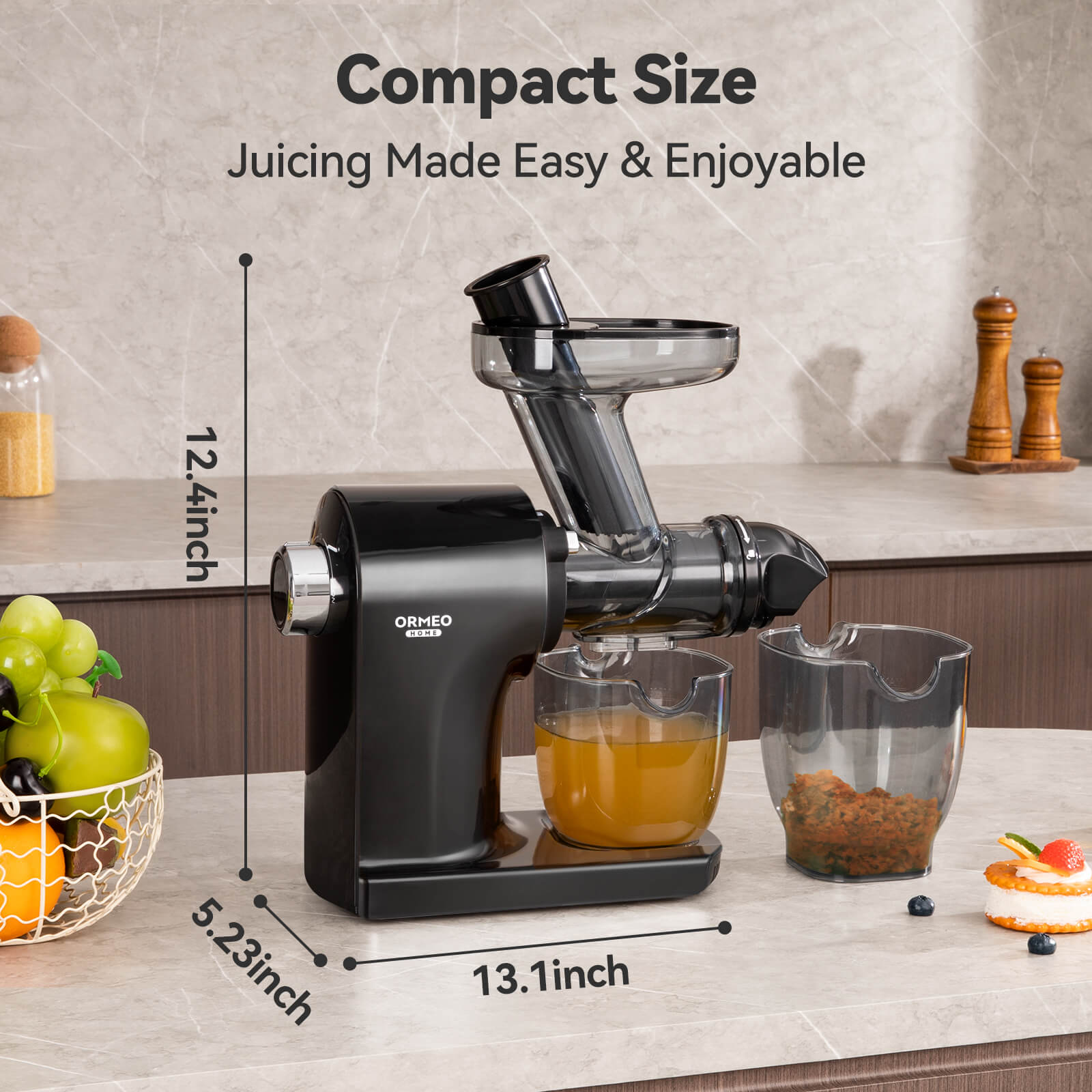
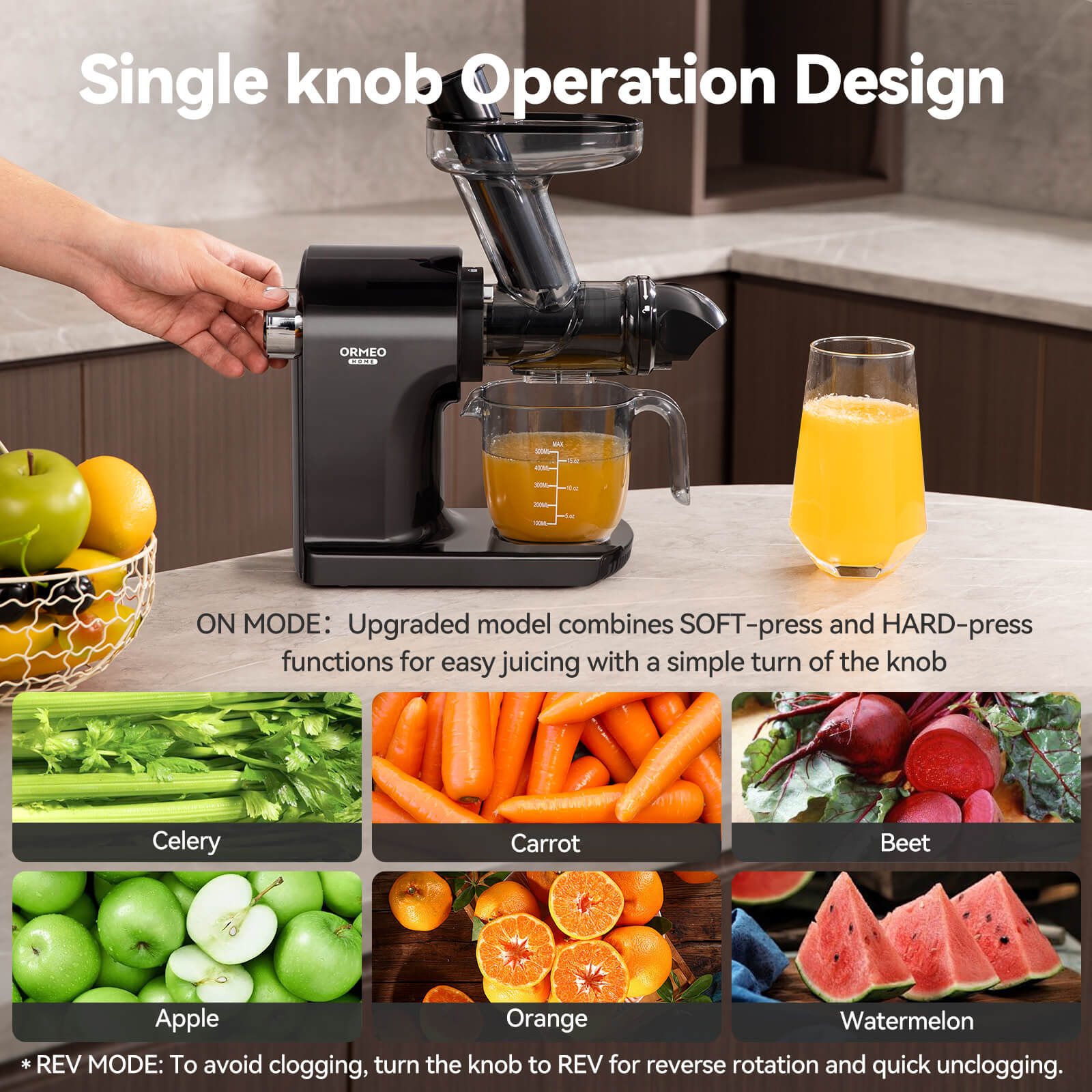
That byproduct isn't just food waste; it is an ingredient waiting to be transformed. Whether you're a pro at using the Ormeo 2311 Quiet Cold Press Juicer or just starting your journey to better health, knowing what to do with the pulp from a juicer can change the way you cook. Let's look at some creative ways to use this valuable resource again, like adding nutrients to your garden or baking treats that are high in fiber.
Understanding Your Juicer Pulp: Not All "Mush" is Created Equal
Before we dive into the recipes, we need to talk about texture. The quality of your pulp from juicing depends heavily on your machine.
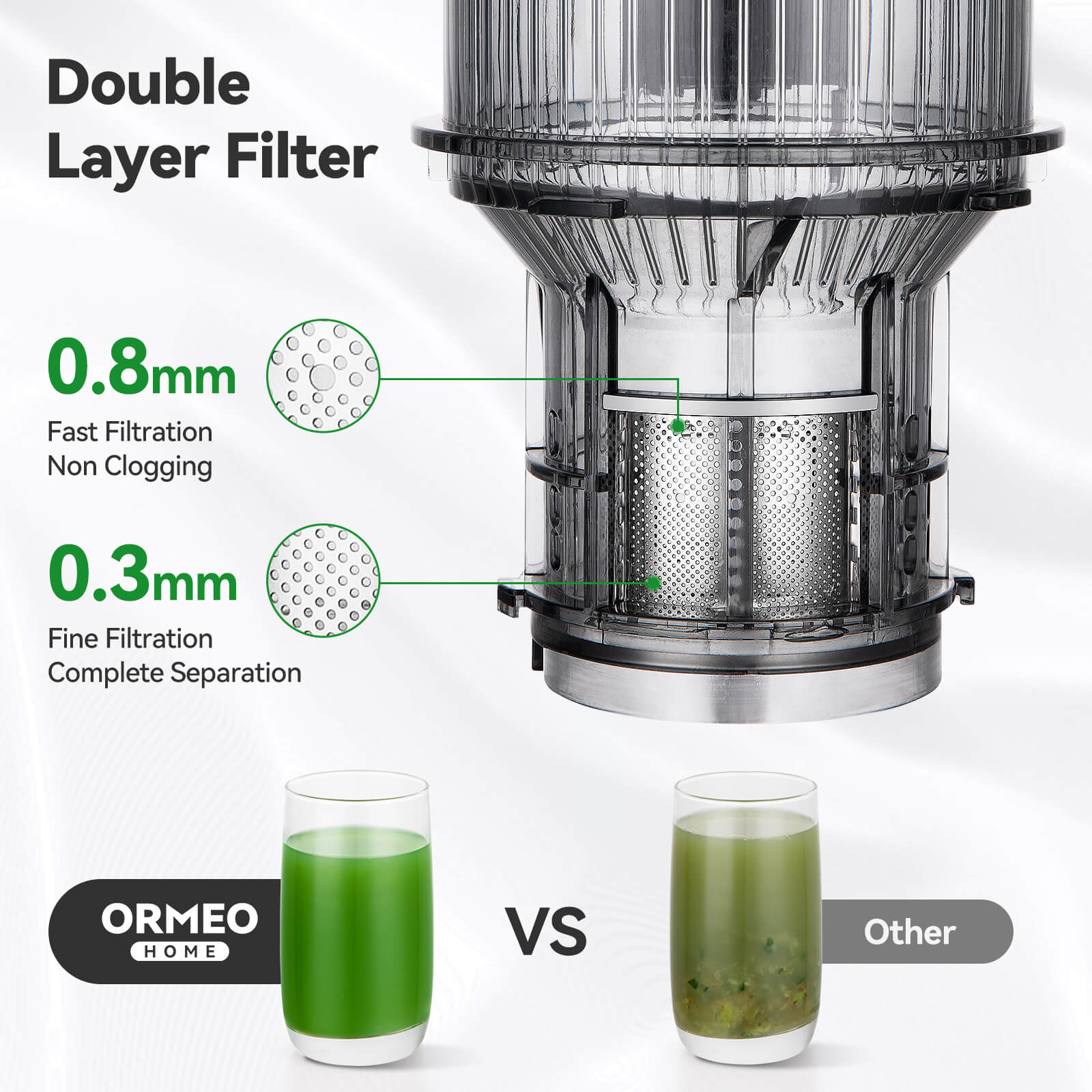
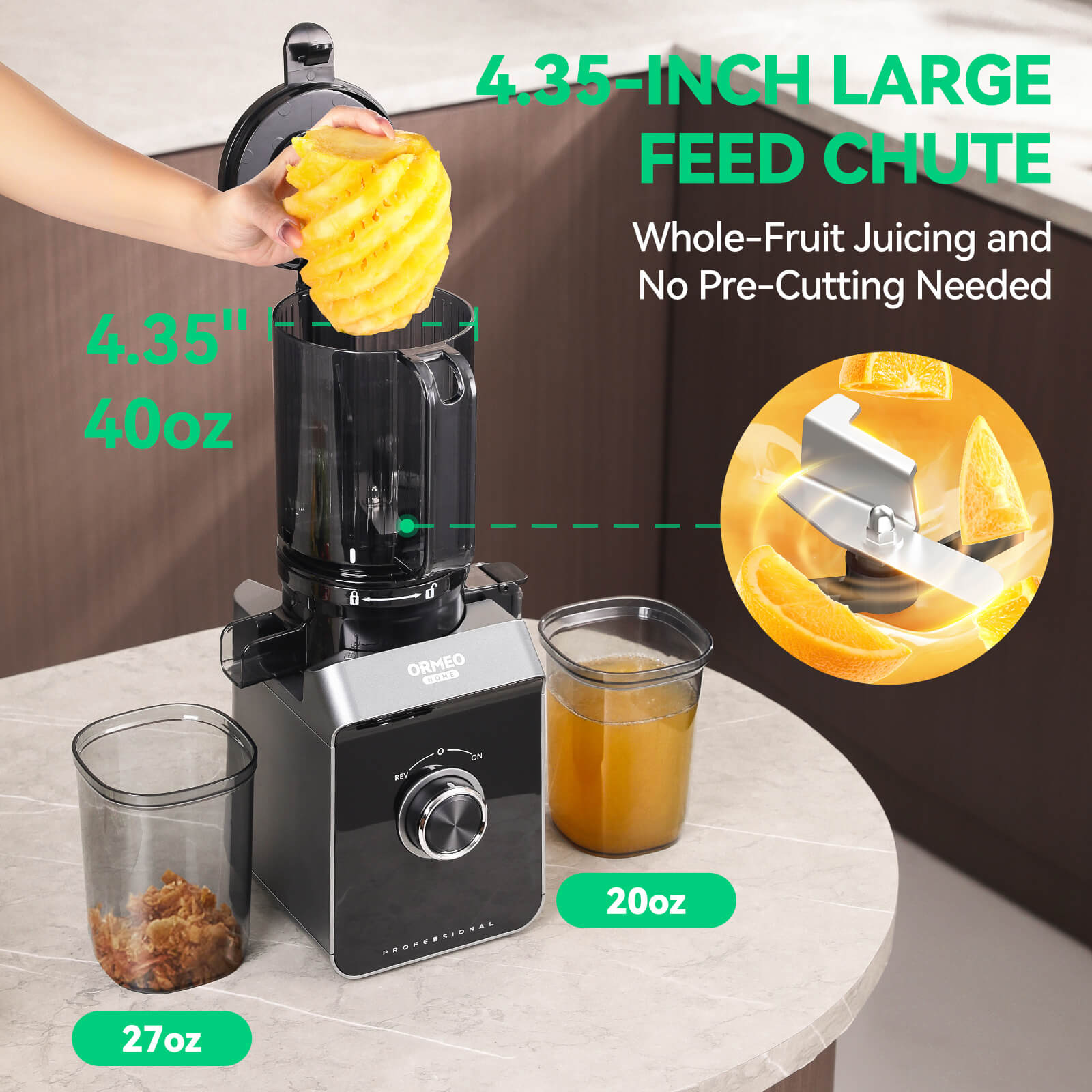
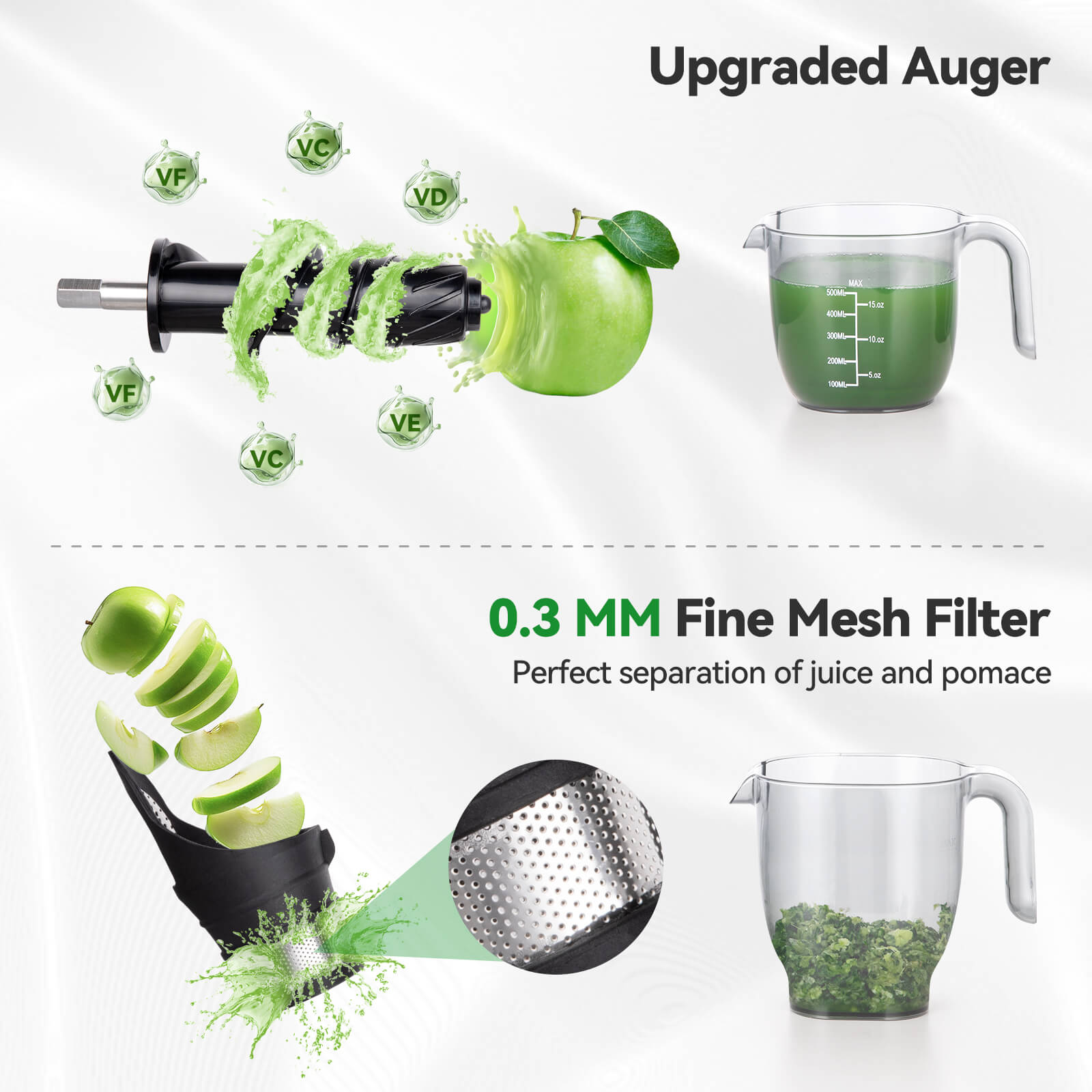
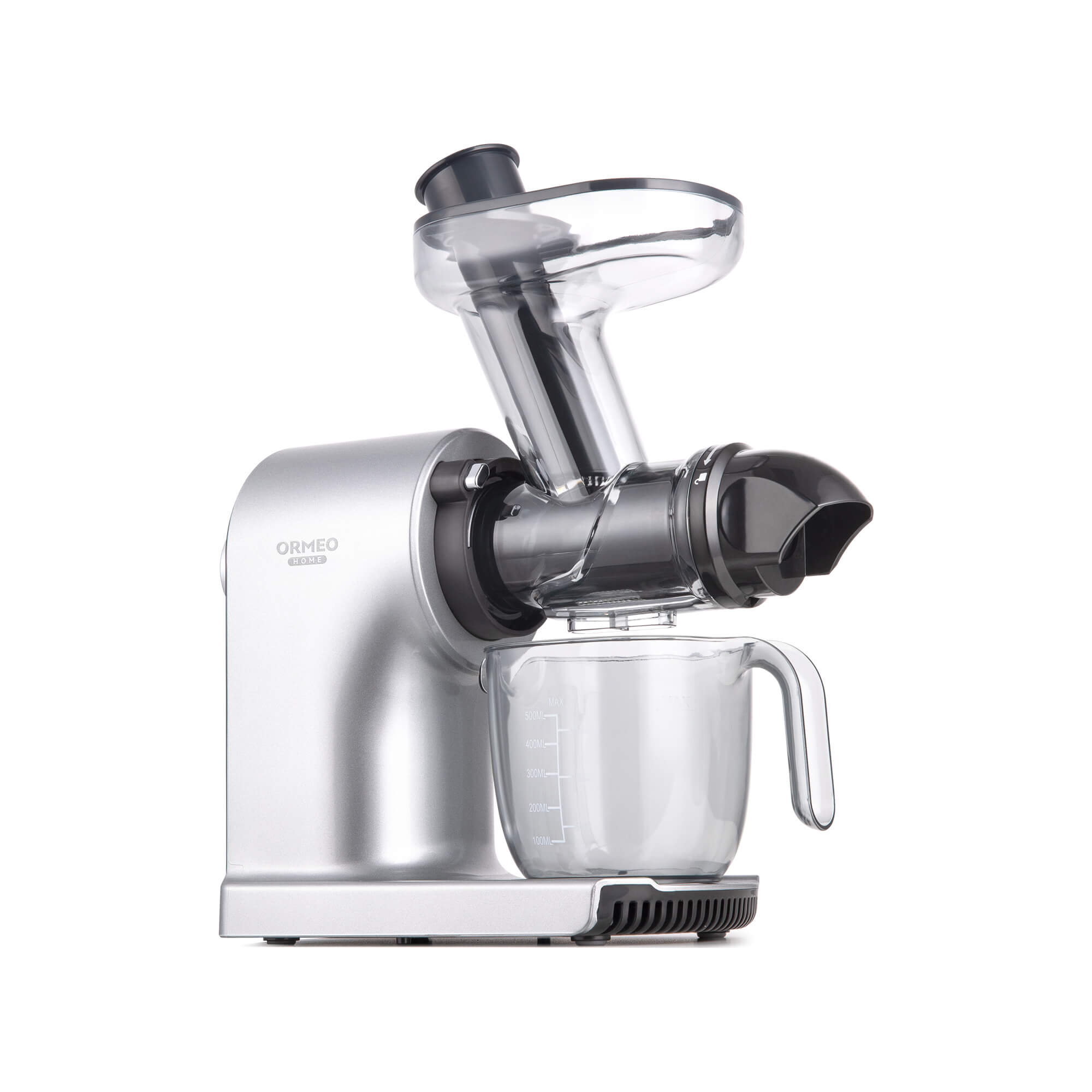
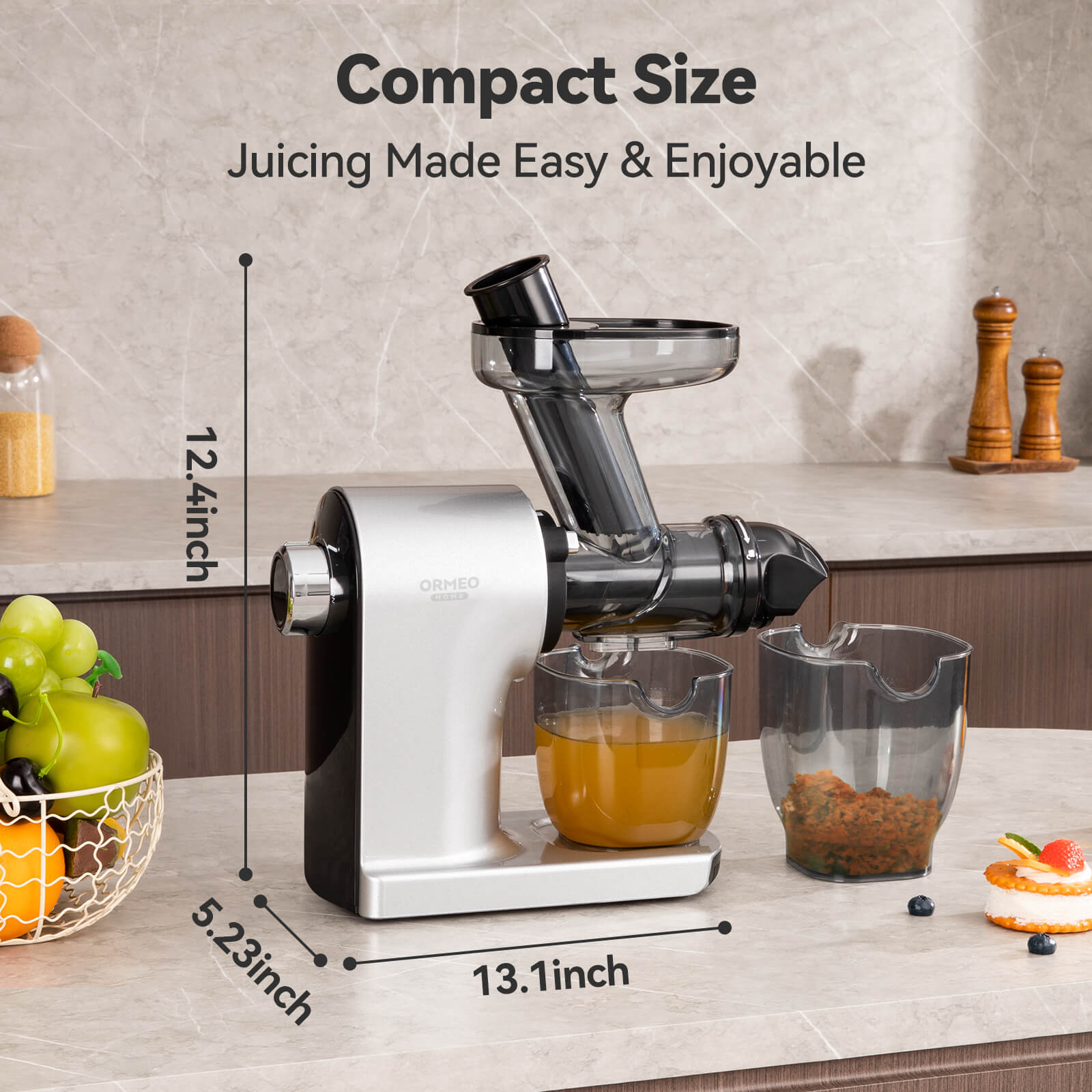
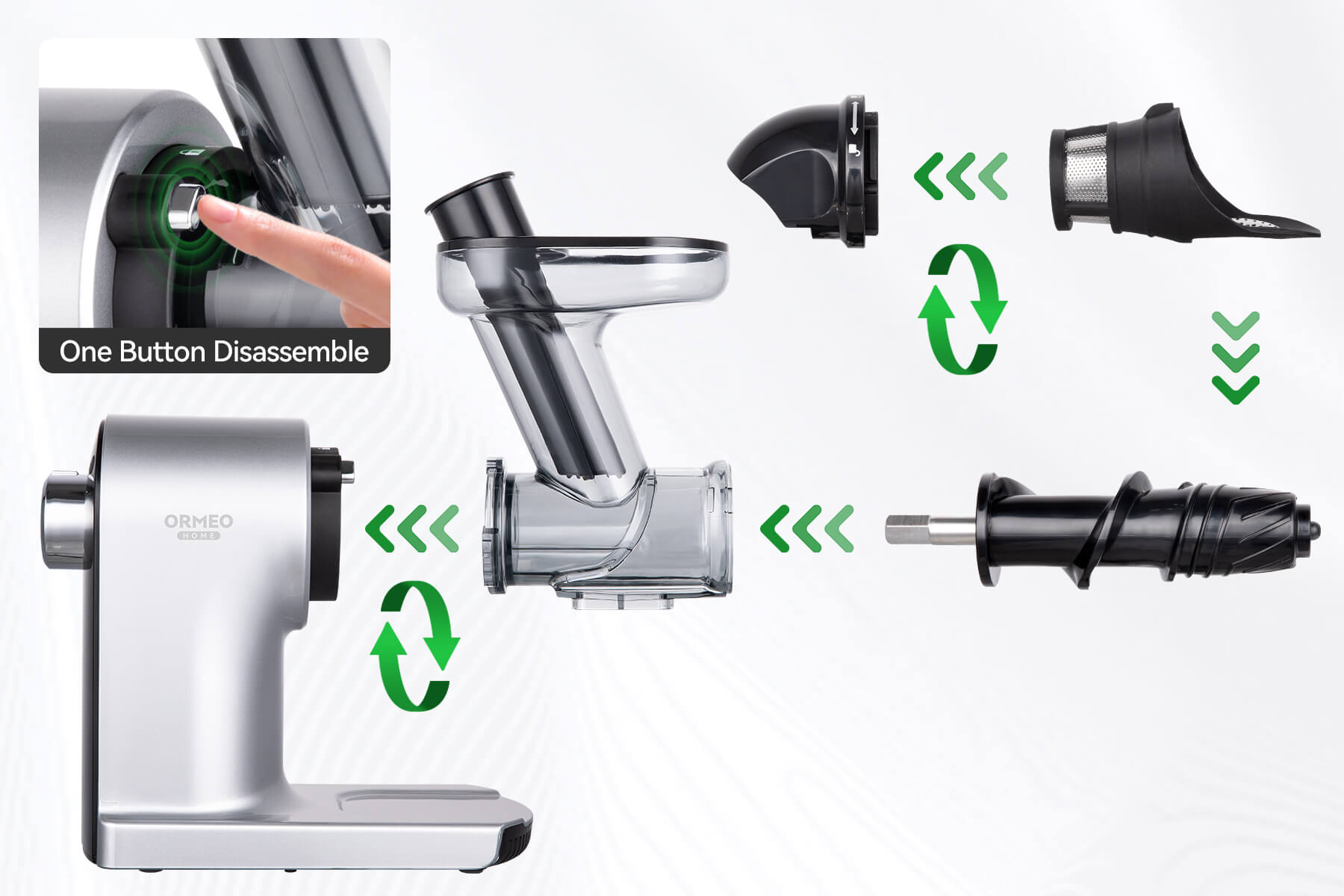
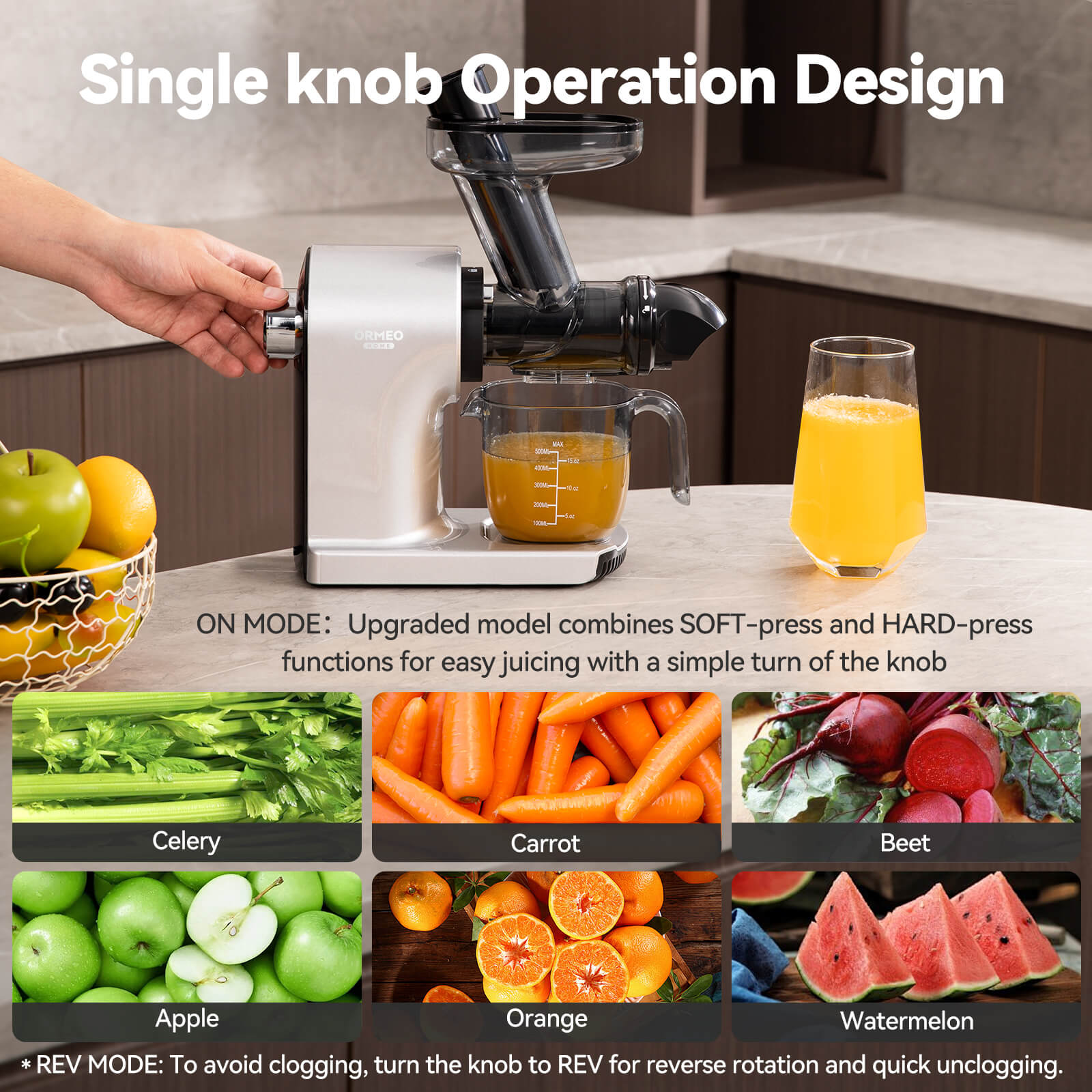
If you are using a high-quality cold press machine like the Ormeo 2311 Quiet Cold Press Juicer, you are going to get a distinct advantage. Because the Ormeo 2311 is designed to masticate (chew) the produce slowly and thoroughly, the resulting leftover pulp is exceptionally dry.
Why does this matter?
-
Less Waste: You got more juice in your glass.
-
Better Baking: Dry pulp is superior for bread, crackers, and energy bars. Wet, soggy pulp can make baked goods heavy and unappetizing.
So, when we talk about ways to reuse juicer pulp, remember that the dryer the pulp, the more versatile it is.
The Savory Route: Soups, Stews, and Veggie Burgers
If you’ve been juicing greens, carrots, or beets, you have the perfect base for savory dishes. Fresh veggie pulp is essentially pre-shredded vegetables with the water removed, meaning it absorbs flavors like a sponge.
1. Master the Art of the "Pulp Broth"
One of the easiest ways to reuse vegetable pulp is to create a vegetable broth. Stop buying those sodium-loaded bouillon cubes. Instead, take your celery, carrot, onion, and cucumber pulp (yes, even cucumber works in broth) and toss them into a large pot. Cover with water, add herbs, garlic, and peppercorns, and simmer for an hour.
Pro Tip: If you don't have time to make soup immediately, store the pulp in the freezer. A ziplock bag full of frozen pulp is a treasure chest for future homemade soups and stews. Strain the solids out after simmering, and you have a hearty, nutrient-rich base for any meal.
2. The Ultimate Pulp Veggie Burgers
Making a patty that doesn't fall apart is the holy grail of vegetarian cooking. Leftover juicer pulp acts as an incredible binder. Combine carrot pulp or beet pulp with black beans, cooked quinoa, spices, and a little flour. The textures and flavors of the root vegetable pulps mimic the "meaty" texture you want in veggie burgers.
If you find your veggie mix is too chunky, you can run it through a food processor briefly to smooth it out, but usually, the fine output from the Ormeo 2311 is perfect as is. Pan-fry them, and you have a dinner that reduces food waste to zero.
3. Savory Dips and Cheese Spreads
Here is a trick that will impress your guests: Cheese spread enhanced with pulp. Take plain cream cheese or a vegan alternative and whip it with savory pulp like celery, garlic, or spinach. It adds a crunch and a massive fiber boost without altering the creaminess. This works beautifully as a sandwich spread or a dip for crackers.
The Sweet Spot: Baking Bread, Crackers, and Energy Bars
This is where many people get nervous, but baking with fruit pulp is actually very forgiving if you follow one rule: watch the moisture.
1. Juice Pulp Bread and Quick Breads
Quick breads (like muffins or zucchini bread styles) are the best friends of the juice pulp. If you made a morning juice with carrots and apples, that carrot pulp and apple juice byproduct is destined for a carrot cake or muffins. The fiber content keeps the bread moist for days. When looking for a bread recipe, simply substitute about 1/2 cup of flour with 1 cup of packed pulp. It adds density and vitamins and minerals that flour lacks.
2. Crispy Pulp Crackers
If you crave a salty, healthy snack, try making crackers. Mix vegetable pulp (kale, spinach, or carrot works best) with flax seeds, water, and spices. Spread it paper-thin on a baking sheet. The key here is low and slow baking to dehydrate them completely. These crackers are essentially pure fiber and make for a guilt-free vessel for your hummus.
3. No-Bake Energy Bars
Stop buying expensive processed bars. You can make energy bars at home using sweet pulp from fruits. Mix fruit pulp with oat, nuts, seeds, dates, and honey. Press them into a pan and chill. Because the Ormeo 2311 Quiet Cold Press Juicer extracts so much liquid, the remaining fruit fiber concentrates the flavor. These bars are a fantastic source of vitamins and a perfect healthy snack for kids.
Snacks & Treats: Fruit Leather and Tea
1. Homemade Fruit Leather
Remember those fruit roll-ups from childhood? You can make a healthier version called fruit leather. This is one of the most popular creative ways to use fruit-heavy pulp (like berry, apple, or pear).
- How to do it: Blend the fruit pulp with a little bit of fresh fruit juice or lemon juice to get a spreadable consistency. Sweeten with honey if needed.
- Dehydrate: Spread it thinly on a silicone mat and dehydrate in an oven at the lowest setting (or a dehydrator) for 4-6 hours. The result is a chewy, sweet, antioxidant-packed snack. It’s a brilliant way to repurpose your juicer pulp into something kids will actually fight over.
2. Infusing Fruit Tea
Don't dump that fruit pulp down the drain! It is still packed with flavor. Steep your apple, lemon, or ginger pulp in hot water to make a soothing fruit tea. You can add spices like cinnamon or cloves. It’s a gentle way to get the remaining vitamins and minerals out of the skin and fiber that the juicer separated. After steeping, you can finally compost the tasteless remains, knowing you used every bit.
3. Popsicles for Hot Days
Mix sweet pulp with a little yogurt or coconut water and pour into popsicle molds. It adds texture and fiber to an otherwise sugary treat.
Eco-Friendly Options: Beyond the Plate
Sometimes, you just have too much pulp, or perhaps you juiced something that doesn't taste great (like bitter melon or straight wheatgrass). That's okay! Repurposing doesn't always mean eating.
1. Compost: Enrich Your Garden
The classic solution. A compost pile loves juicer pulp. Because the vegetables are already broken down into small bits, they decompose much faster than whole fruits and vegetables. Mixing this nutrient-rich matter into your soil will enrich your garden naturally. It acts as a supercharger for your plants, returning the nitrogen and nutrients back to the earth.
2. Dog Treats
Did you know many dogs love carrot pulp? You can bake simple dog treats using leftover juicer pulp, eggs, and flour. (Always check which ingredients are safe for pets—avoid grapes or onions!).
Why The Right Juicer Matters for Repurposing?
We mentioned this earlier, but it bears repeating: The quality of your repurposed creations depends on the quality of the extraction.
Cheaper centrifugal juicers often leave a wet, sloppy mush. This is hard to bake with because it throws off the liquid ratios in recipes, leading to soggy bread or moldy fruit leather.
The Ormeo 2311 Quiet Cold Press Juicer utilizes a slow masticating technology. This means it squeezes the fruits and veggies tight, extracting maximum vegetable juice and leaving behind a dry, powdery pulp. This dry pulp is much easier to incorporate into quick breads, energy bars, and crackers. It’s cleaner to handle and stores better.
Conclusion: Make "Zero Waste" Your Lifestyle
Learning what to do with the pulp from a juicer is about shifting your mindset. It stops being "garbage" and starts being "ingredient #2."
By finding ways to use this fiber-rich byproduct, you are increasing your daily fiber intake, saving money on snacks, and respecting the produce you bought. Whether you are stirring it into favorite soups and stews, baking a loaf of juice pulp bread, or simply throwing it in the compost, you are making a positive impact.
So, next time you fire up your Ormeo, keep that pulp bin handy. Your garden, your body, and your tastebuds will thank you.
Ready to upgrade your juicing routine with a machine that maximizes yield and creates the perfect pulp for baking? Check out the Ormeo 2311 Quiet Cold Press Juicer today.









Share:
Best Juice For Morning: Healthiest Juices to Drink & Vitamin Boost