

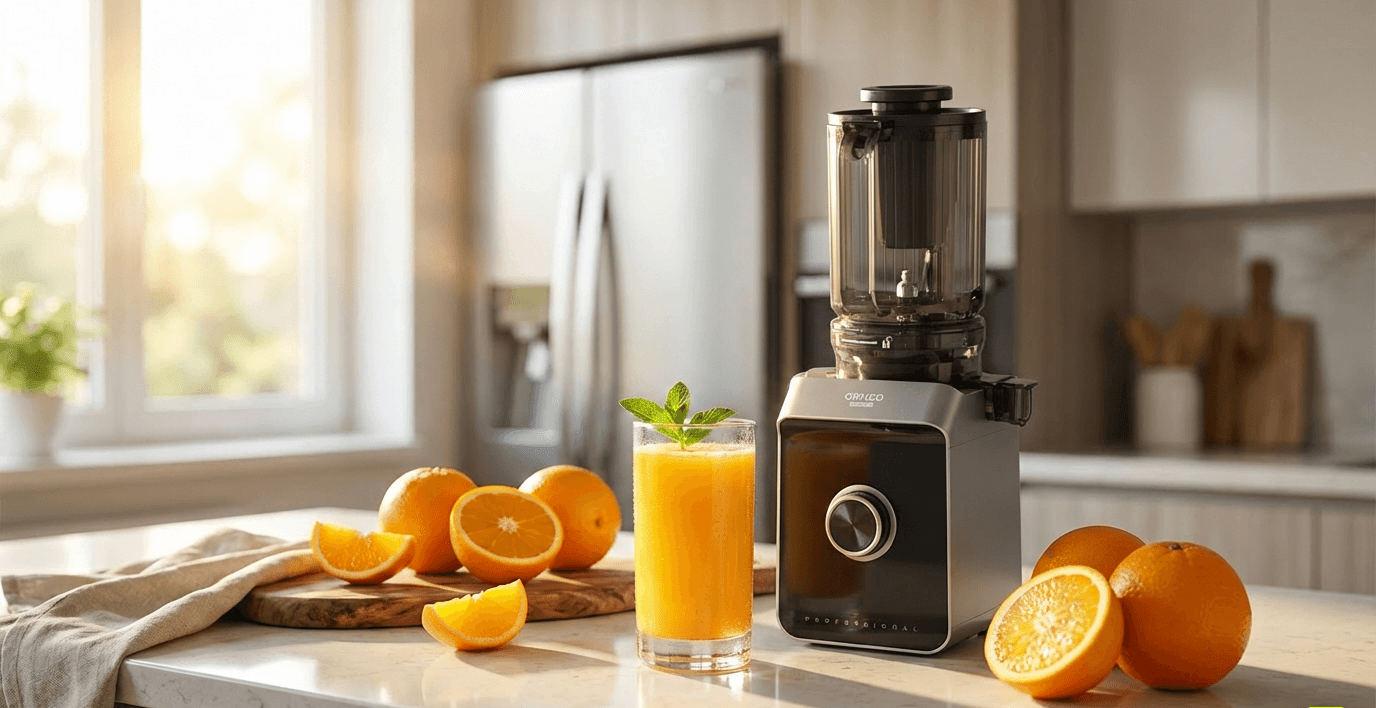
How Long is Orange Juice Good After Opened? The Ultimate Guide to Freshness
We have all been there. It’s a Tuesday morning, you are halfway through your breakfast routine, and you reach for that carton of orange juice sitting in the door of your fridge. You pour a glass, lift it to your lips, and hesitate. How long has that been in there? Is it still good?
Navigating the shelf life of our favorite breakfast staple can be surprisingly tricky. Whether it is a premium store-bought brand or the liquid gold you made yourself, knowing how long orange juice stays good after opening is essential—not just for taste, but for your health.
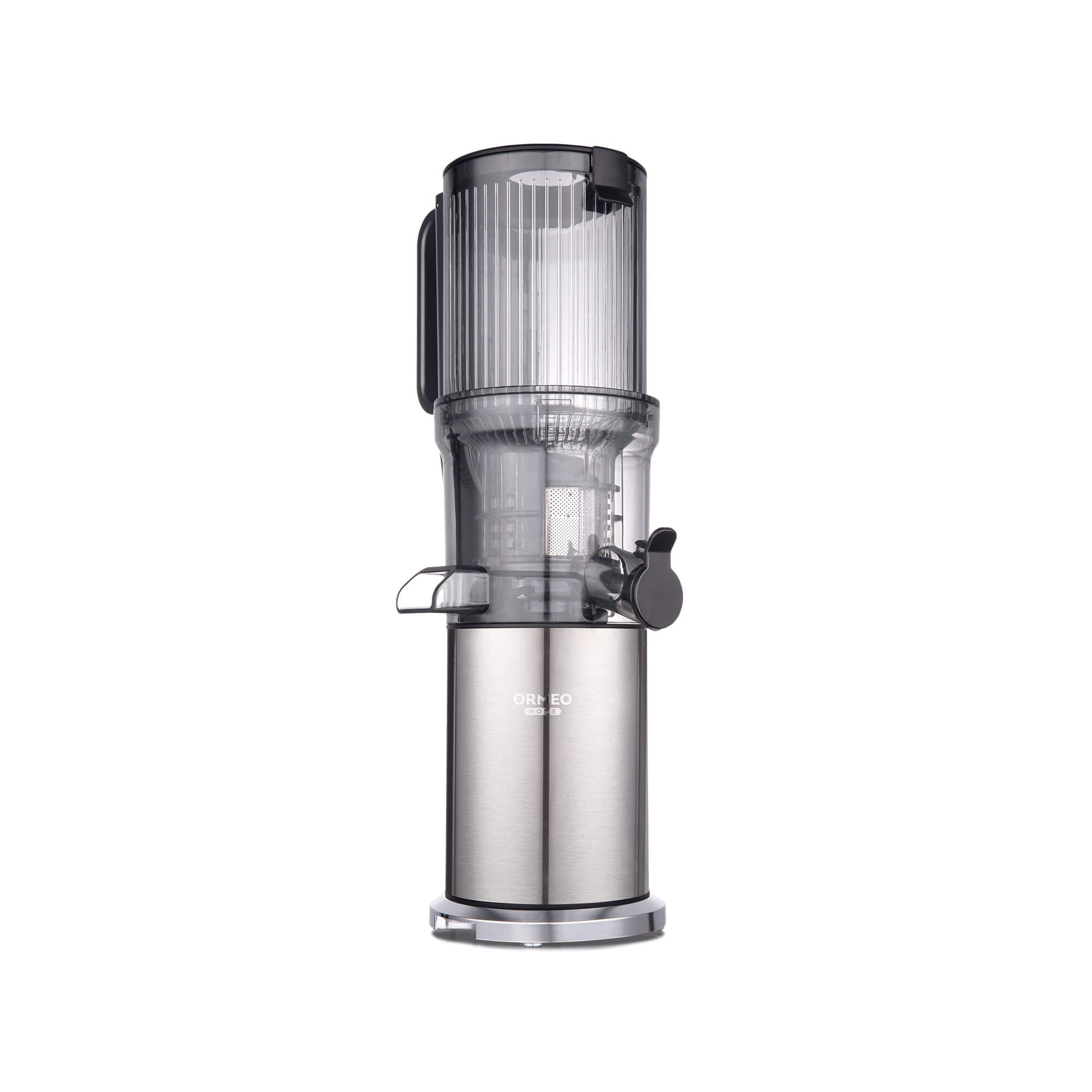
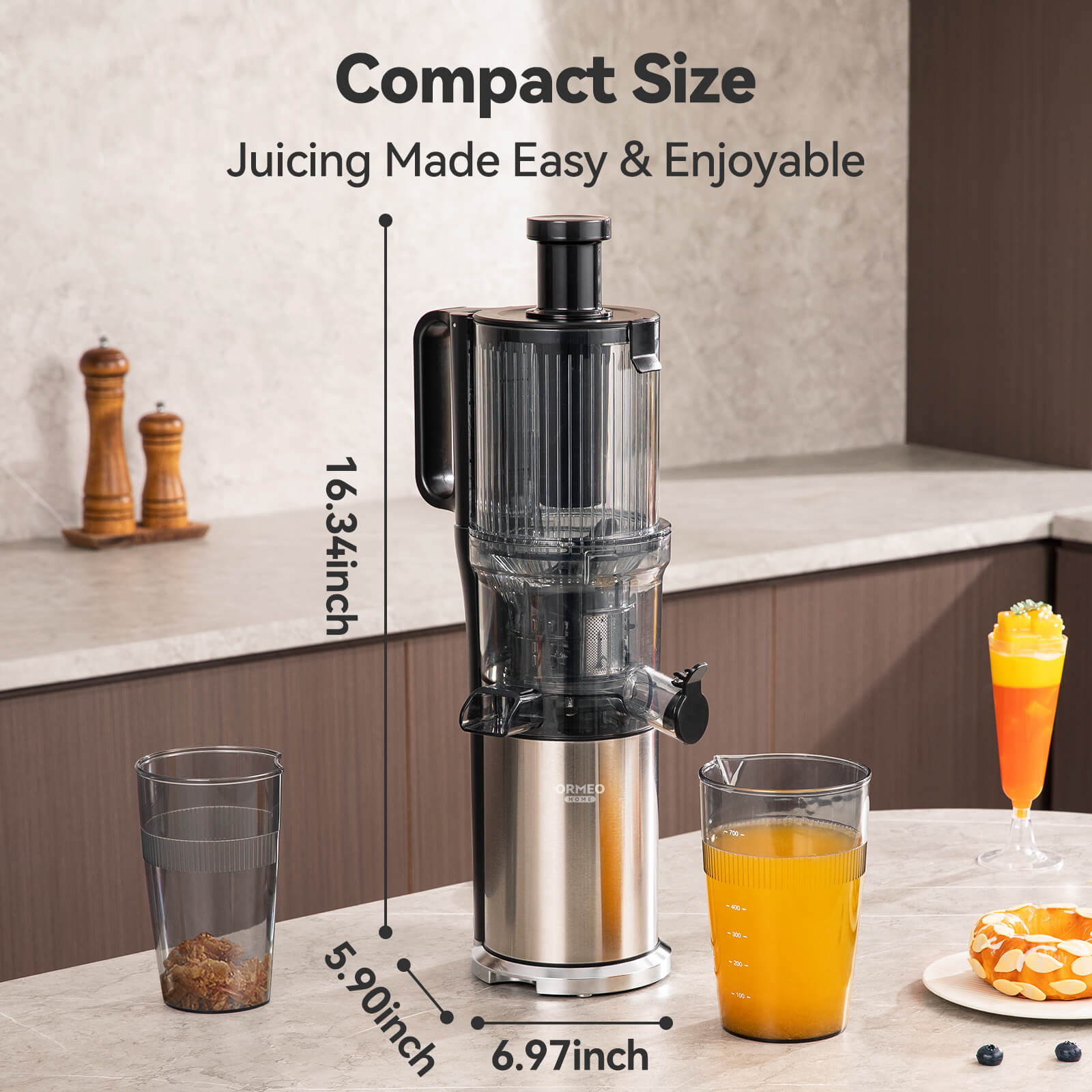
This guide will break down exactly how long orange juice lasts, the science behind why it goes bad, and how you can extend that fresh, zesty flavor for as long as possible. We will also dive into why the type of juicer you use—specifically cold-press technology like the Ormeo 2311—can actually buy you extra time.
The Short Answer: How Long Will Orange Juice Last?
The clock starts ticking the moment you twist that cap or finish squeezing. However, the timeline depends heavily on how the juice was made.
Store-Bought Orange Juice (Pasteurized)
Most store-bought orange juice found in the refrigerated aisle is pasteurized and often contains preservatives.
- Shelf Life: Generally, this orange juice will last for seven to 10 days in the fridge after opening.
- Why? The heat treatment kills bacteria, and the packaging is designed to keep it shelf-stable until opened.
Freshly Squeezed Orange Juice (Homemade)
This is the real deal. No preservatives, just raw nature.
- Shelf Life: Freshly squeezed orange juice is best consumed immediately but will last 2 to 3 days if stored correctly.
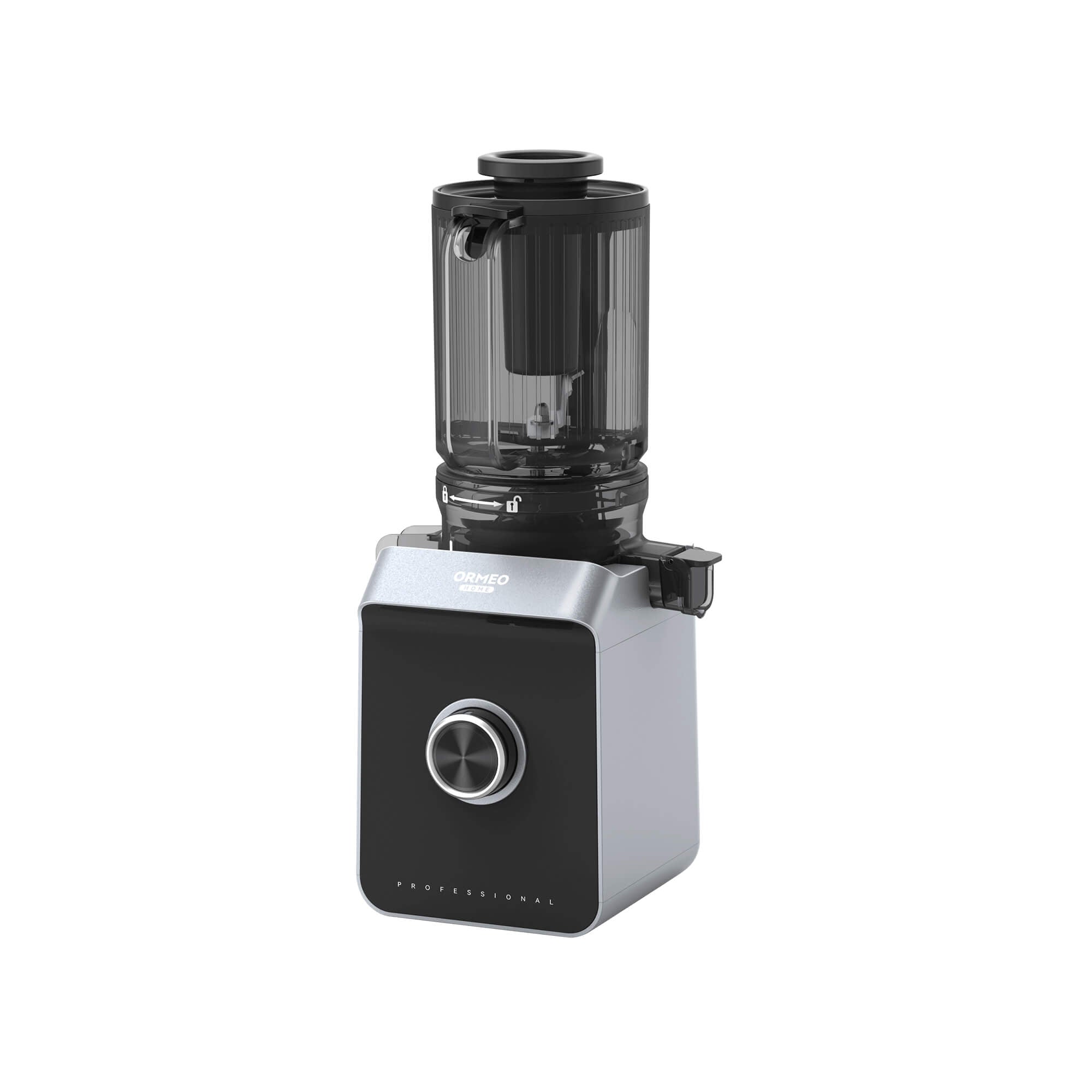
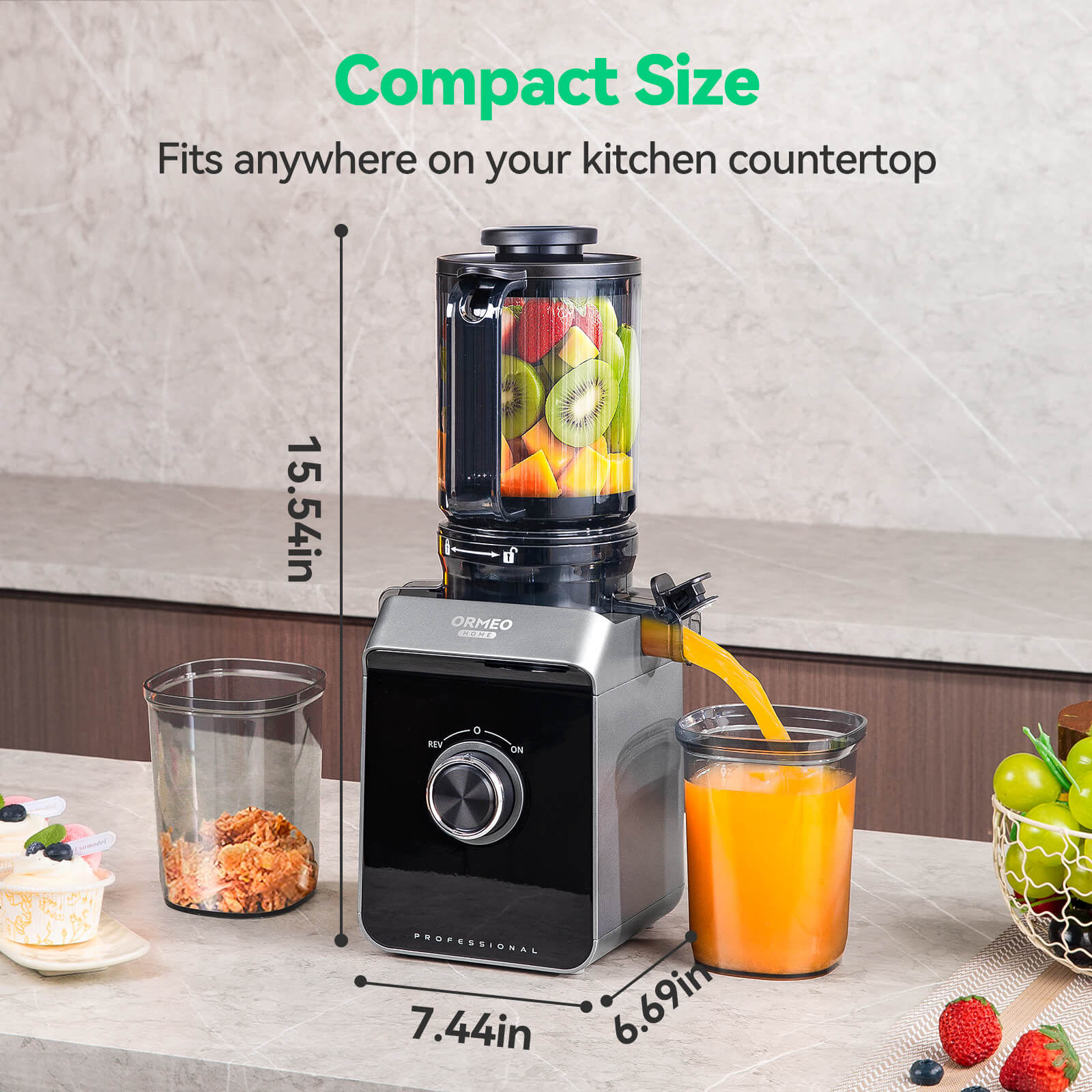
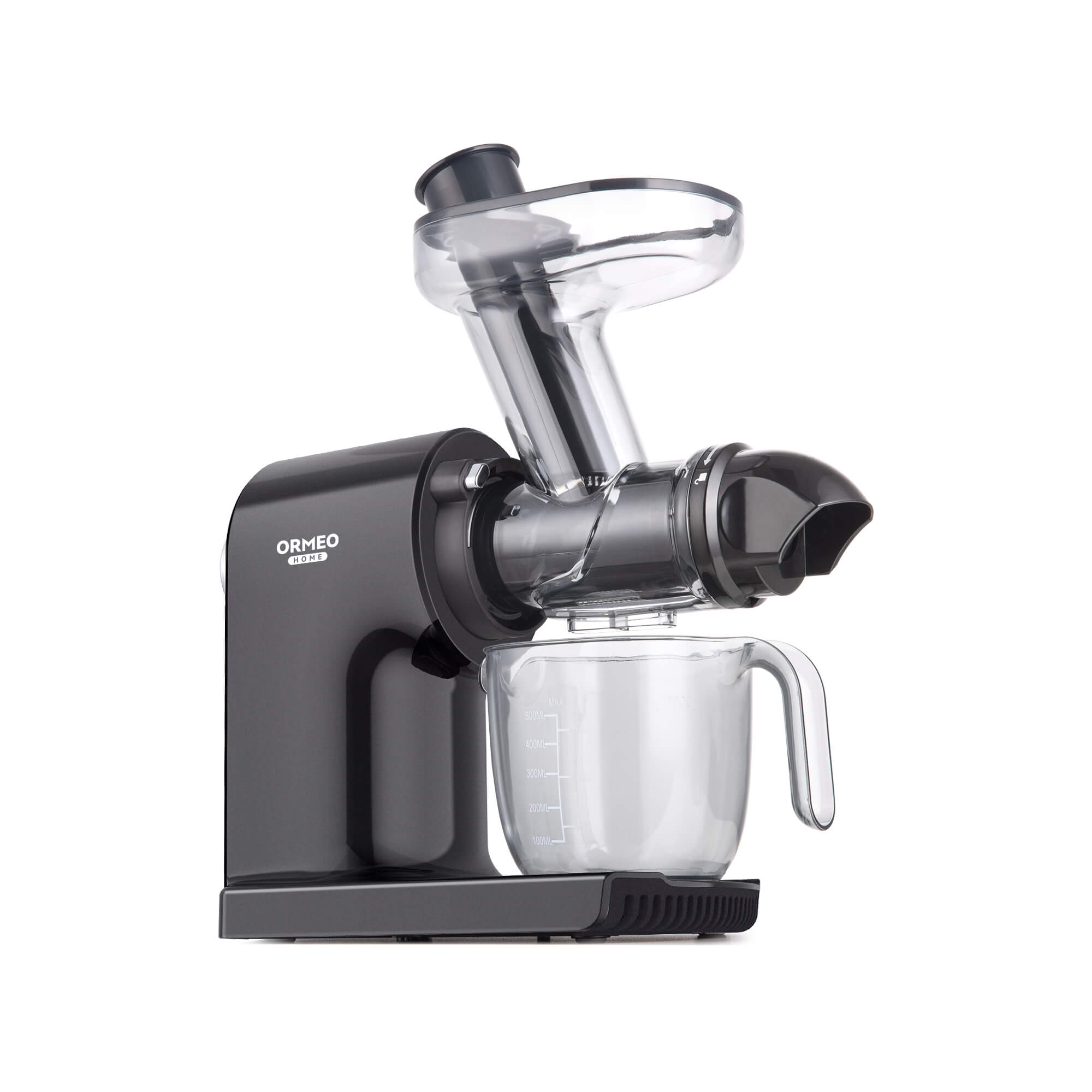
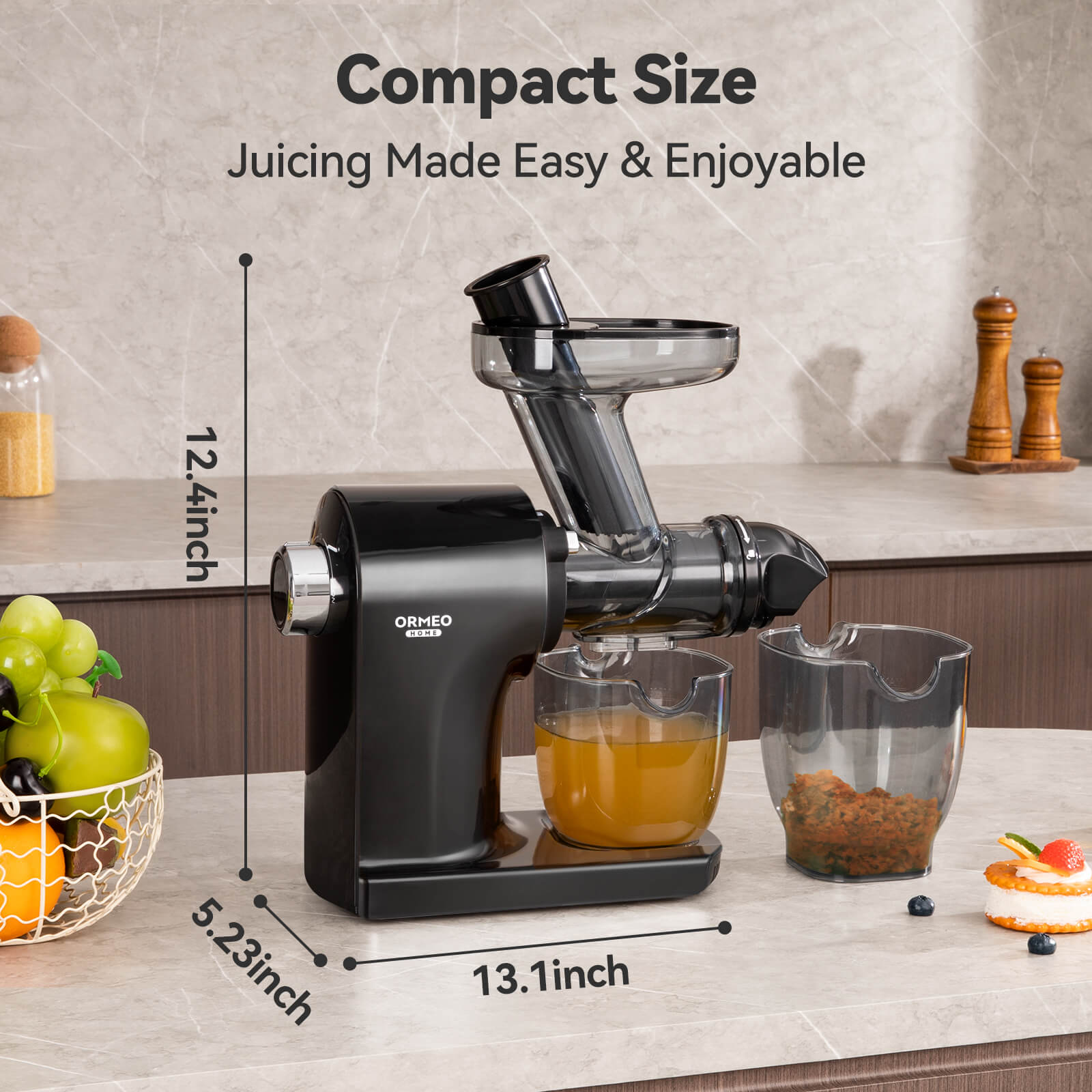
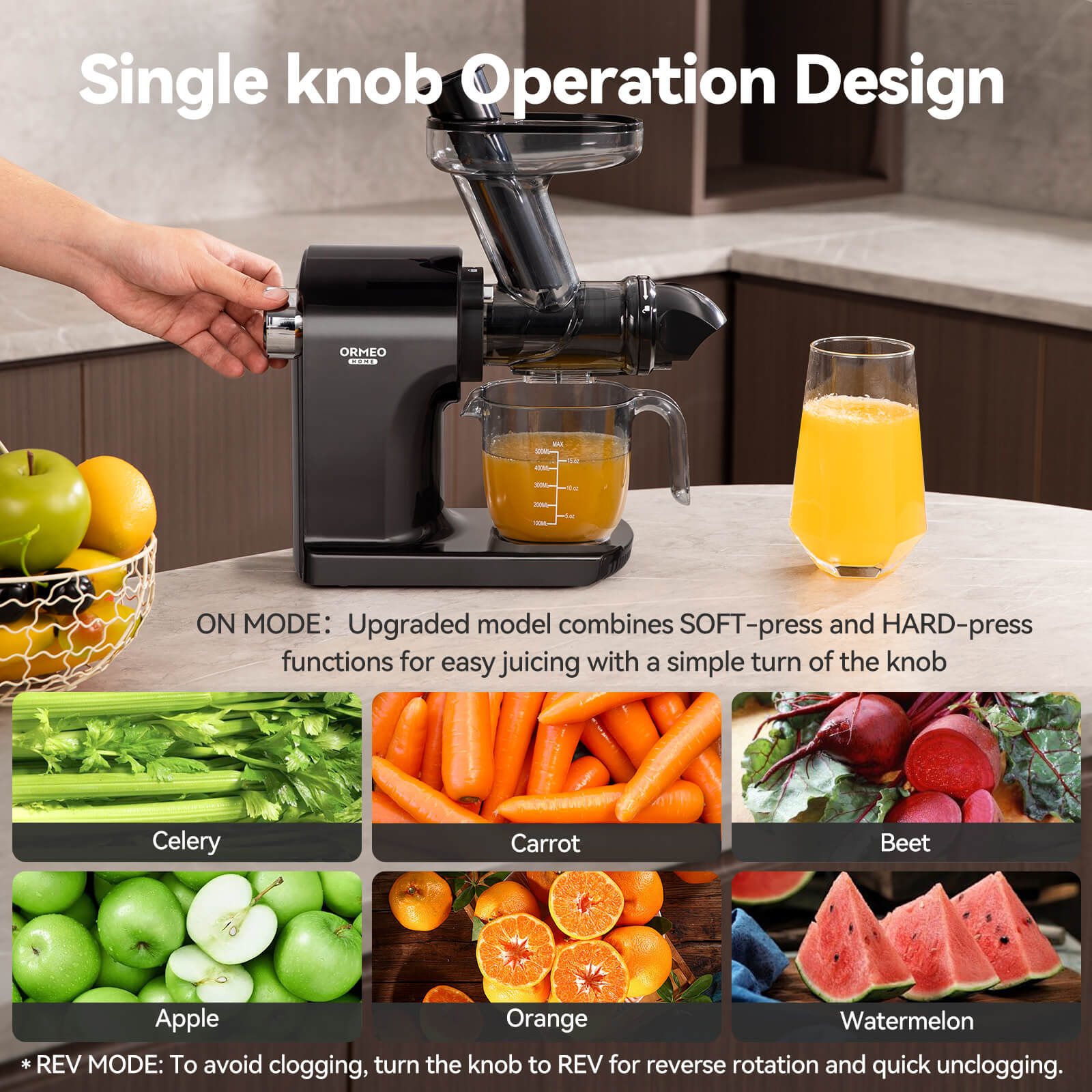
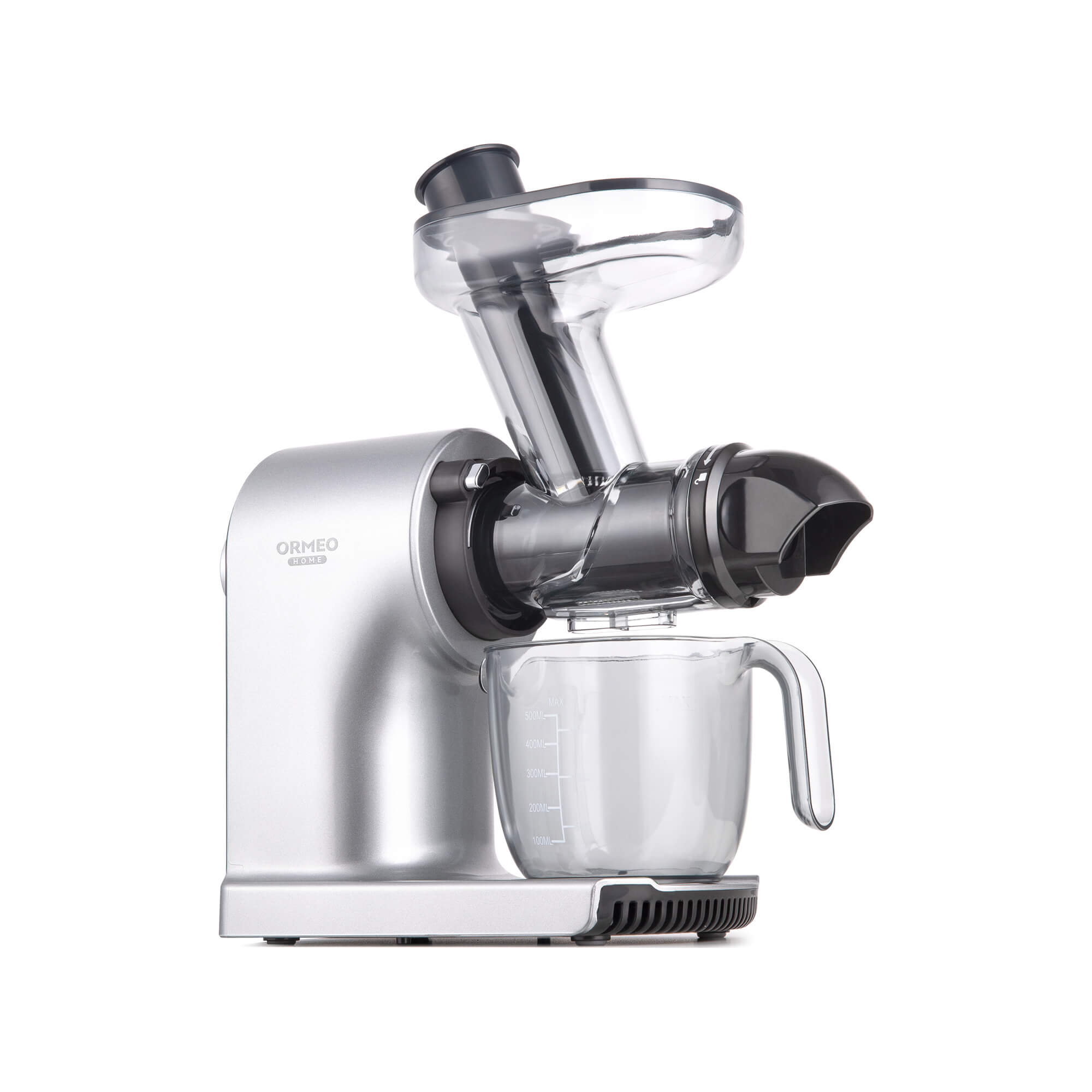
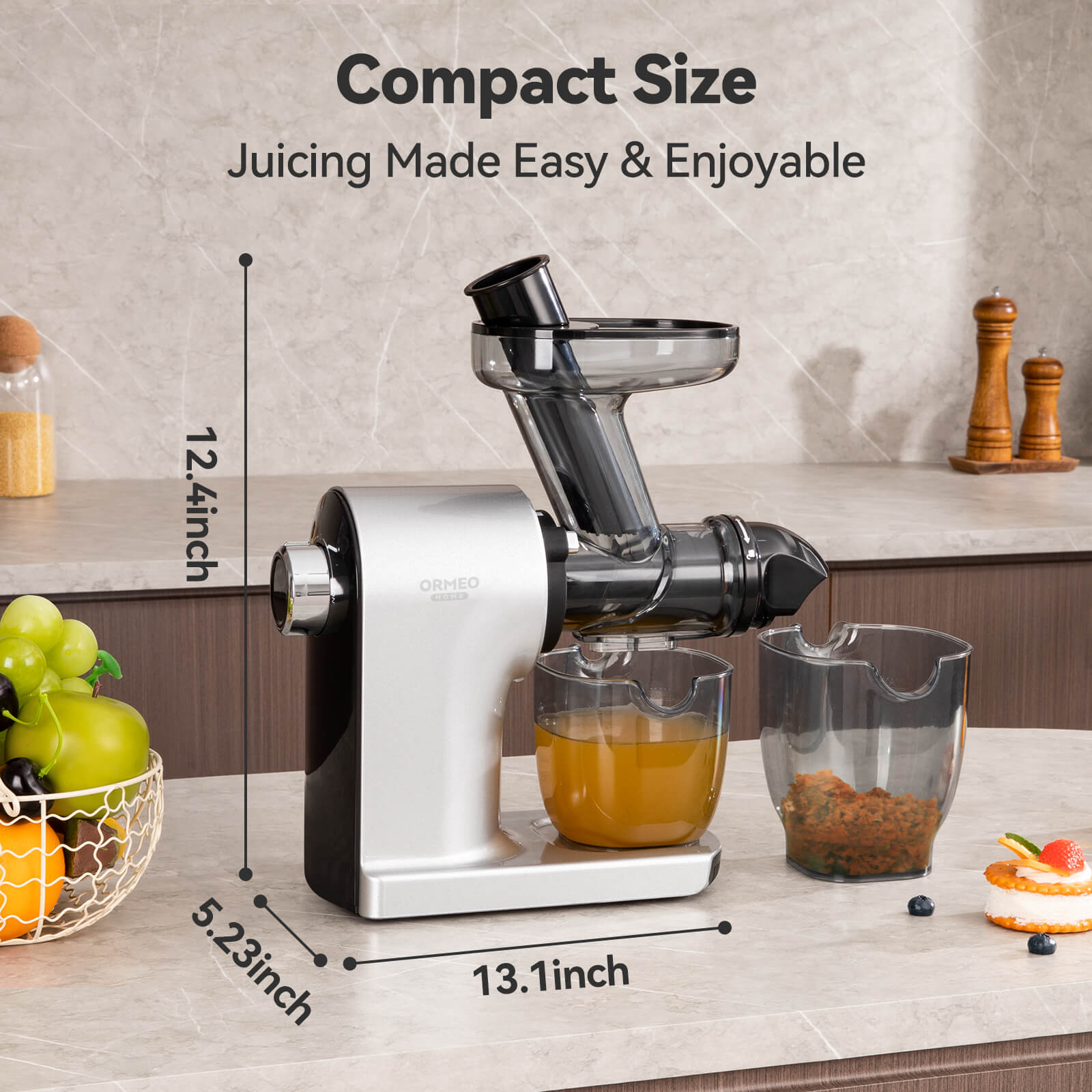
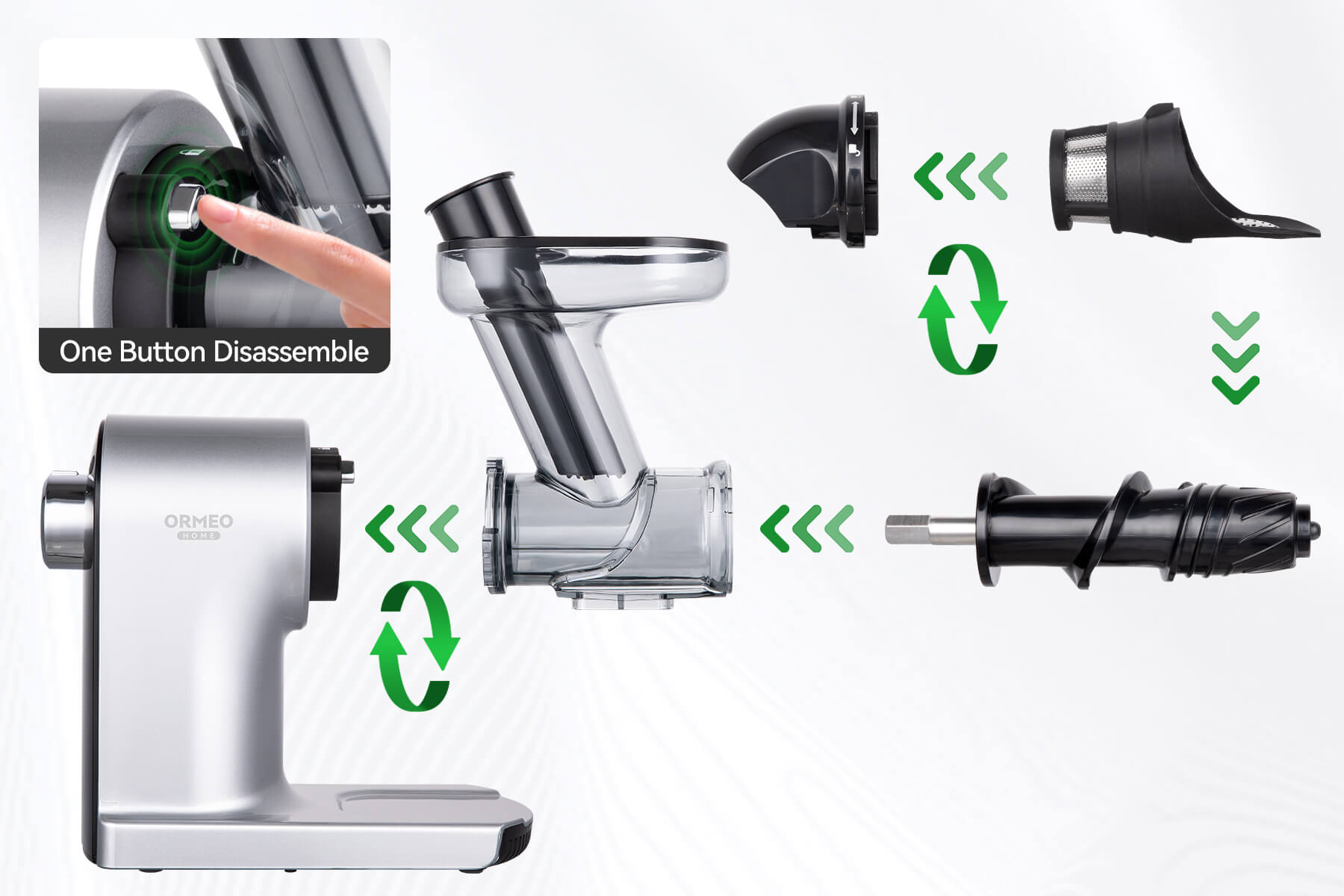
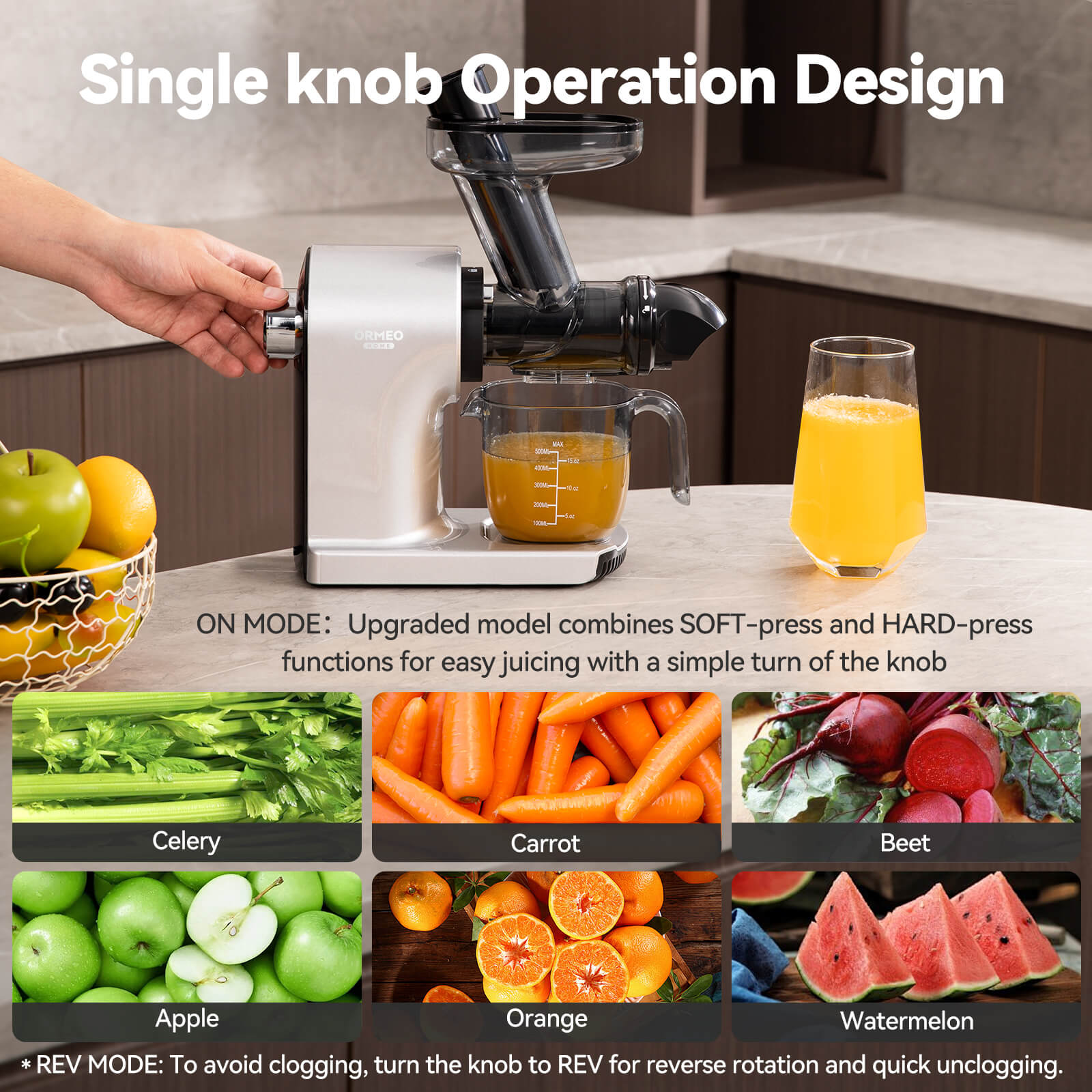
- The Ormeo Difference: If you are using a high-quality machine like the Ormeo 2311 Quiet Cold Press Juicer, you might get a slightly longer window (up to 72 hours) compared to a centrifugal juicer. Cold pressing reduces heat and oxidation during extraction, keeping the juice fresh for a bit longer.
Understanding Juice Shelf Life: Why Does It Spoil?
To understand how long orange juice keeps, you have to understand what makes it spoil. It isn't magic; it's biology and chemistry.
The Enemy: Oxidation
Have you ever seen an apple slice turn brown? That is oxidation. The same happens to your OJ. Exposure to air breaks down the nutrients and flavor profile. Freshly squeezed orange juice is highly susceptible to this. This is why we emphasize using an airtight container. The less air in the juice container, the better.
Bacteria and Fermentation
Orange juice is naturally acidic, which helps fend off some bacteria, but it is also loaded with natural sugars. Yeast and bacteria love sugar. If the juice sits out or gets too warm, these microorganisms start to feast. The byproduct? Fermentation. This turns your sweet drink into something that smells like vinegar or alcohol.
Temperature Fluctuations
Storing orange juice in the door of the fridge is a rookie mistake. Every time you open that door, the temperature spikes. To ensure the juice stays good, it needs a consistent, cold environment—ideally the back of the bottom shelf.
Freshly Squeezed vs. Store-Bought: A Deep Dive
There is a massive difference between the carton of orange juice you buy and the juice you make at home.
The Store-Bought Reality
Commercially produced orange juice is processed for longevity. Manufacturers remove oxygen (deaeration) and pasteurize it. While this ensures a long shelf life, it often strips away the delicate flavor notes and some heat-sensitive vitamins. An unopened shelf-stable bottle can last in your pantry for months until its expiration date. But once that seal is broken, it is vulnerable. You essentially have a week, maybe 10 days, before it’s past its prime.
The Cold-Pressed Advantage
If you are serious about health, you likely prefer making your own. This is where the method matters.
- Centrifugal Juicers: These spin at high speeds, introducing heat and air. The juice often separates and browns within hours.
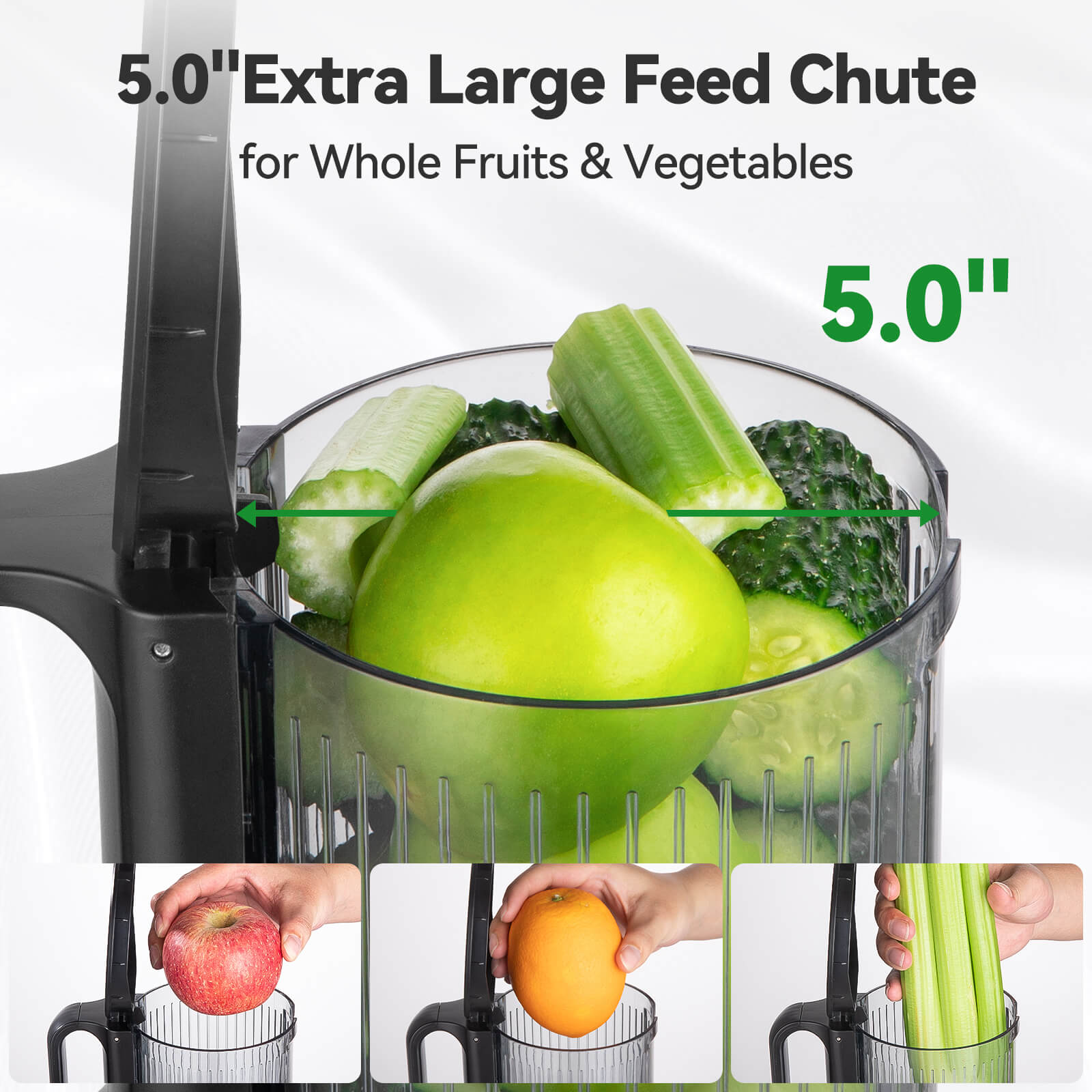
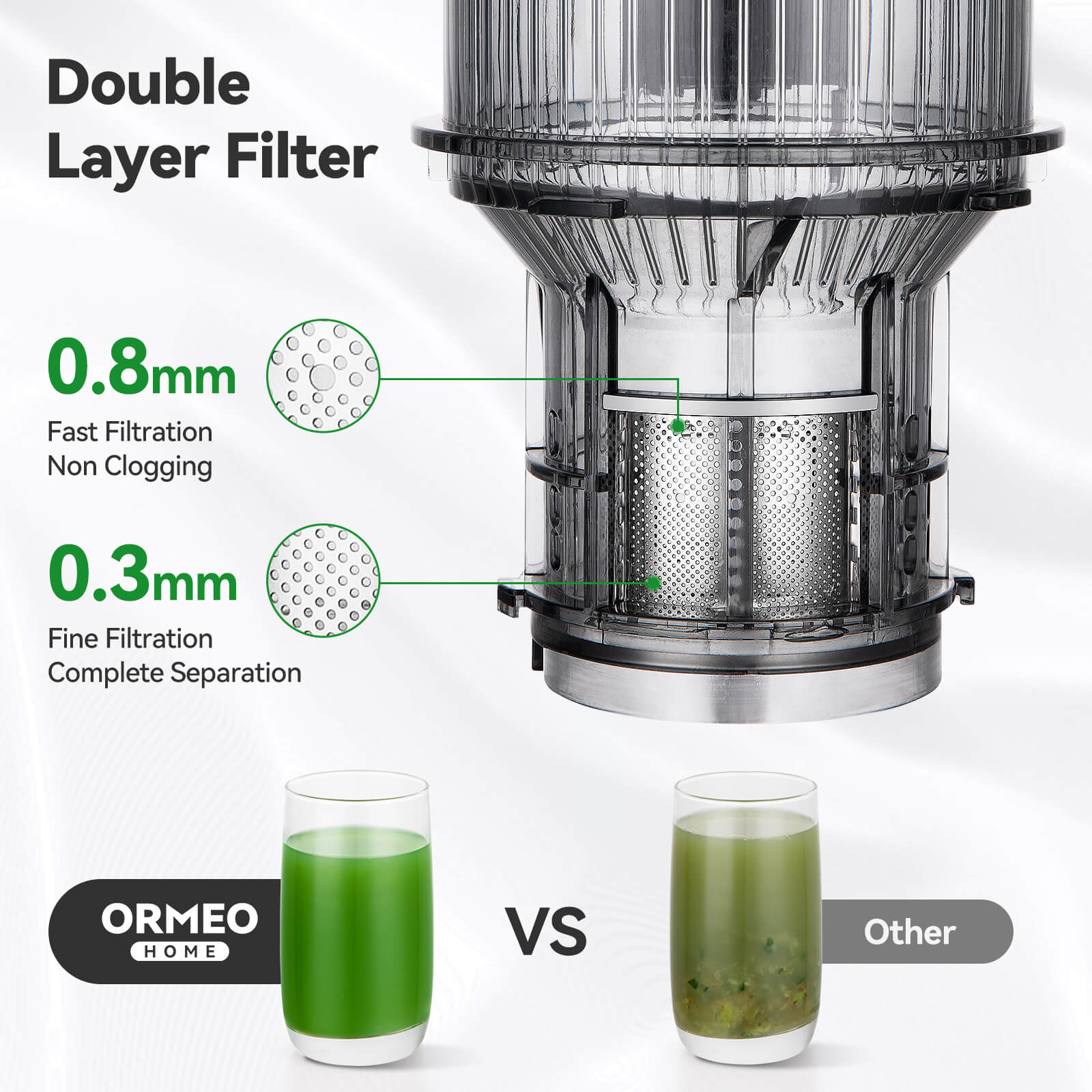
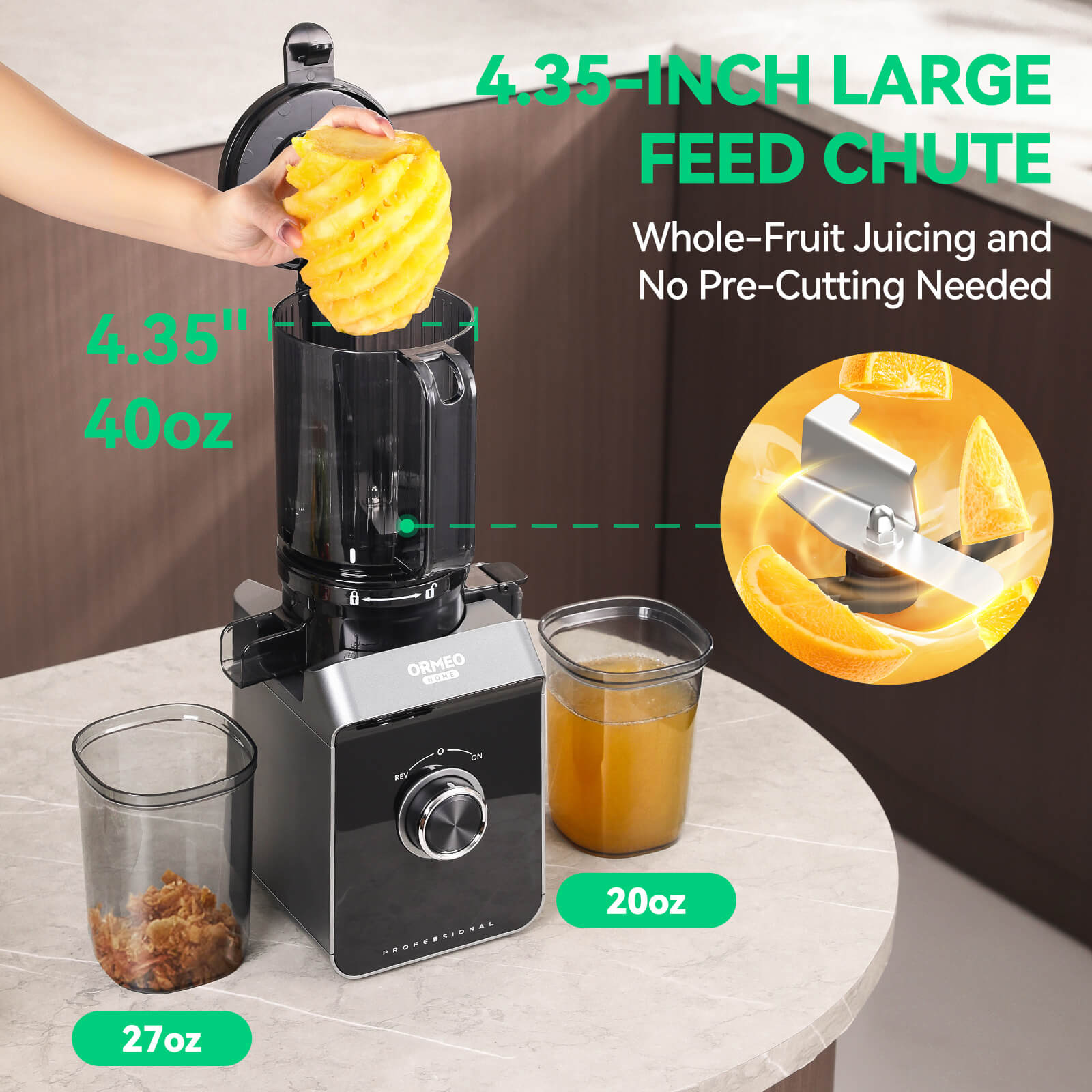
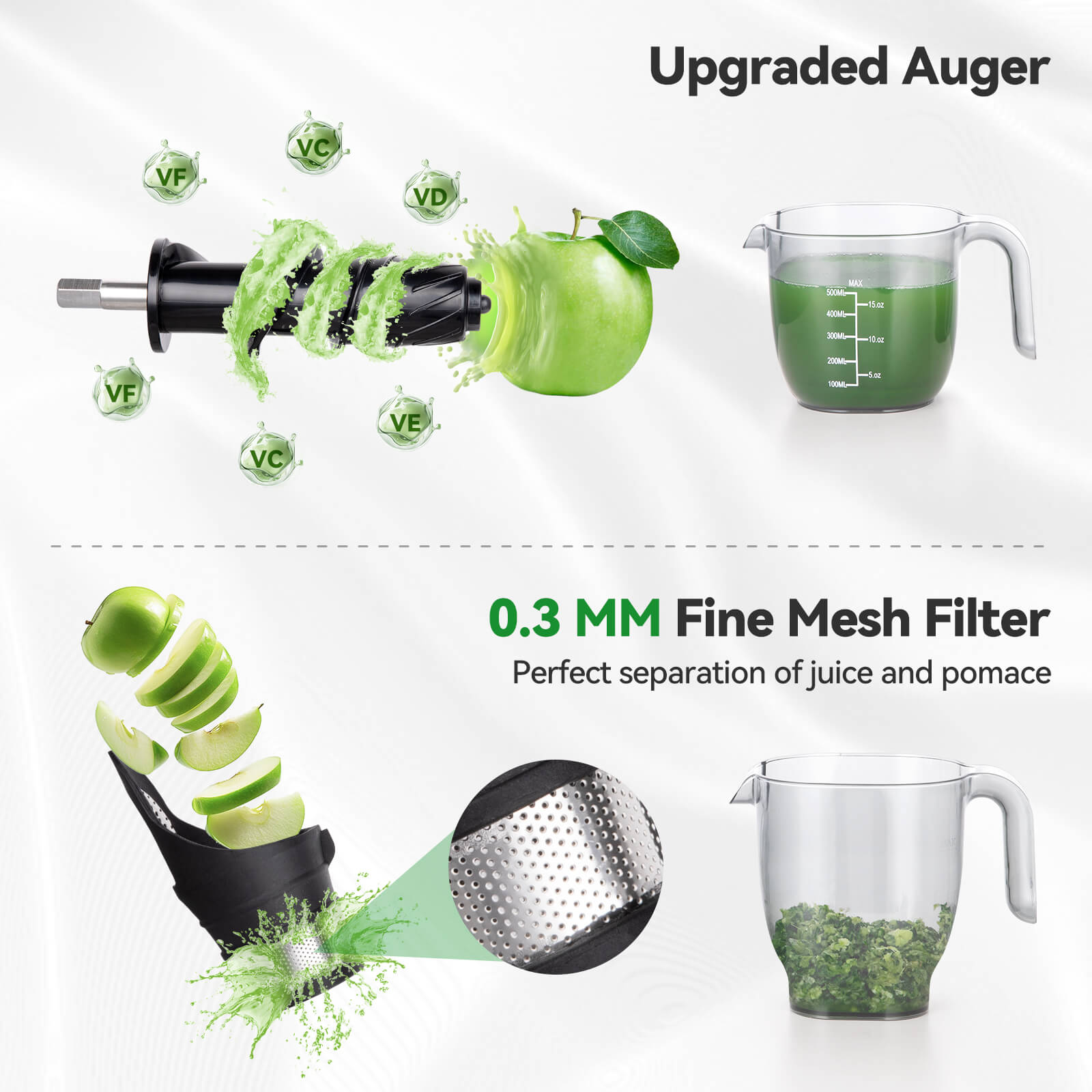
- Cold-Pressed (Masticating) Juicers: The Ormeo 2311 Quiet Cold Press Juicer operates differently. It crushes and squeezes the fruit slowly. This minimizes heat and oxidation. The result? A nutrient-dense juice that doesn't just taste better—it actually holds its structure longer. While we still recommend drinking it quickly, cold-pressed juice stored in an airtight glass jar keeps its vibrant color and taste significantly better than the centrifugal alternative.
Signs of Spoilage: How to Tell if Your Orange Juice Has Gone Bad
You don't want to drink spoiled juice. It is unpleasant and can make you sick. Because orange juice is acidic, it can mask the early stages of bacterial growth, so you need to be vigilant.
Here is a checklist to determine if that juice is still safe:
1. The Sniff Test (Fresh Scent vs. Vinegar)
This is your first line of defense. Fresh orange juice smells like... oranges. If you open the container and catch a whiff of something sour, yeasty, or smelling like vinegar, it’s game over. That smell indicates fermentation has started.
2. The Visual Check (Change in Color and Mold)
Pour the juice into a clear glass.
- Darkening: If the bright orange has turned a muddy, brownish color, heavy oxidation has occurred.
- Separation: Some separation is natural in freshly squeezed orange juice. However, if store-bought juice has separated into clear liquid and distinct chunks, shake it. If it doesn't mix back together smoothly, it’s bad.
- Mold: Any sign of green or white fuzz on the surface or near the spout? Throw the whole carton away immediately.
3. The Texture Test (Fizzy and Bubbly)
If the juice comes out of the carton looking bubbly or fizzy (and it wasn't carbonated to begin with), do not drink it. Those bubbles are gas produced by bacteria. A bubbly or fizzy texture is a guaranteed sign the juice has spoiled.
4. The Bulging Carton
If your carton of orange juice looks bloated or puffy, gas from fermentation has built up inside. Do not even open it—just toss it.
5. The Taste Test (The Last Resort)
Only do this if the juice looks and smells fine but you are still unsure. Take a sip. If it tastes sharp, sour (in a bad way), or fizzy on the tongue, spit it out. Identifying spoiled juice usually happens before this stage, but your taste buds will definitely let you know if the acidity is off.
Storage Conditions: How to Keep Juice Fresh
You want to make that liquid gold last longer? It all comes down to proper storage.
The Golden Rule: Refrigerate Immediately
Unrefrigerated juice is a ticking time bomb. You should never leave orange juice at room temperature for more than two hours. In hotter climates, that window drops to one hour. Bacteria multiply rapidly in the "danger zone" (40°F - 140°F). Whether it is a store-bought jug or fresh juice from your Ormeo 2311, refrigerate it the second you are done pouring.
The Right Container Matters
Don't just leave open juice in a pitcher.
- Airtight is King: Oxygen is the enemy. Transfer canned orange juice or fresh juice into a glass mason jar or a bottle with a tight seal. Fill it to the top to minimize the air gap.
- Opaque vs. Clear: Light can also degrade vitamins. An opaque container or storing it in a dark part of the fridge helps maintain quality.
Don't Drink from the Carton
We are all guilty of it, but drinking directly from the carton introduces bacteria from your mouth into the juice. These bacteria will accelerate spoilage, making the juice go bad much faster than it normally would.
Freezing Orange Juice: A Long-Term Solution
If you bought too much or went wild with your Ormeo juicer and have a surplus, you don't have to force yourself to drink it all. Freezing orange juice is a fantastic way to extend its life.
How to Freeze Juice Properly
Frozen orange juice can maintain its quality for 3 to 4 months, and it remains safe to drink indefinitely (though flavor will degrade over time).
-
Ice Cube Trays: Pour freshly-squeezed orange juice into an ice cube tray. Once frozen, pop the cubes into a freezer bag. These are perfect for throwing into smoothies later.
-
Freezer-Safe Containers: You can freeze larger batches in plastic containers. Just remember that liquid expands when frozen. Leave about an inch of headspace at the top of the container so it doesn't crack.
-
Original Carton: You can freeze store-bought juice in its carton if it hasn't been opened, but you need to pour a little bit out first to allow for expansion.
How to Thaw
When you are ready to use orange juice, do not thaw it on the counter. Move the container to the fridge and let it thaw slowly overnight. This preserves the texture and prevents bacterial growth. Shake well before drinking, as separation is likely.
Frequently Asked Questions (FAQ)
Can I drink orange juice left out overnight?
No. If orange juice has been left at room temperature for more than two hours (or overnight), discard it. Bacteria growth or fermentation has likely occurred, even if it doesn't smell bad yet. It is not worth the risk of food poisoning. Always err on the side of caution.
Does the expiration date matter after opening?
The expiration date (or "Best By" date) on store-bought juice applies to the unopened product. Once you break that seal, the date becomes irrelevant, and the "7-10 day" rule applies. If the date passes while the juice is still sealed, it may still be safe to drink, but check for quality.
Why does my homemade juice taste bitter the next day?
This is often due to a compound called Limonin, which develops when citrus seeds or white pith are processed and exposed to air. Using a high-quality cold press juicer like the Ormeo 2311 handles the fruit more gently, often resulting in less bitterness compared to aggressive blending or centrifugal juicing.
Is clear separation in fresh juice bad?
Not necessarily. In freshly-squeezed orange juice, the solids naturally settle at the bottom because there are no emulsifiers or stabilizers added. If it smells fresh and has been in the fridge for less than 3 days, just give it a good shake.
Final Thoughts: Keep it Fresh
Whether you are enjoying a convenient glass of store-bought OJ or treating yourself to nutrient-packed nectar from your Ormeo 2311 Quiet Cold Press Juicer, the rules remain the same: keep it cold, keep it sealed, and trust your senses.
Orange juice is a delicious part of a healthy diet, but it has a relatively short shelf life. By understanding the signs of spoilage—like a sour smell, fizzy texture, or color change—you can ensure you and your family are always sipping on something safe and delicious.
Remember, when in doubt, throw it out. But with the right storage habits, you can enjoy that fresh and delicious citrus kick down to the very last drop.
Looking to upgrade your morning routine? Stop settling for oxidized, store-bought juice. Experience the difference of true freshness with the Ormeo 2311 Quiet Cold Press Juicer. It’s designed to extract every drop of nutrition while keeping your juice fresher, longer.









Share:
What Are The Best At Home Juicers of 2025? A Real-World Test of Cold Press & Centrifugal Models
How To Do a Juice Detox at Home? Detox Juice & Easy Juice Recipes