

Finding the Best Bargain Juicer in 2025: Why Value Beats Low Price
Let’s be honest: we’ve all been there. You swear this is the year you get healthy, you buy the cheapest plastic appliance you can find on Amazon, use it three times, and then shove it to the back of the cupboard because cleaning it is a nightmare.
In 2025, the landscape of home juicing has changed. Finding the best budget juicer isn’t just about hunting for the lowest sticker price; it’s about simple math. If a $50 machine wastes 30% of your expensive organic kale in the pulp bin, is it actually affordable? No. It’s a money pit.
This buying guide is designed to help you choose the best machine for your lifestyle. We are going to cut through the marketing noise surrounding juicers on the market, look at why cold press usually wins the long game, and help you pick the best juicer that actually delivers a great juicer experience without forcing you to overspend.
The Honest Buying Guide to Affordable Juicers in 2025
When you start looking at juicers of 2025, you will see prices ranging from $40 to $600+. It’s confusing. To choose the best juicer, you first need to understand that "budget" doesn't mean "cheap." A best budget option is one where the performance and price meet in a sweet spot.
If you are looking for an affordable juicer, you are likely worried about two things:
-
Will it break in a month? (Durable)
-
Is the juice actually drinkable? (Juice quality)
Let’s navigate the world of juicers together so you don't get ripped off.
Understanding the Types: Centrifugal Juicer vs. Masticating Juicers
Before you click "buy" on a NutriBullet or a Breville Juice Fountain, you need to know what’s happening inside the engine. The industry is divided into two main camps.
The Speed Demons: Centrifugal Juicers
These are the most common affordable options. A centrifugal juicer works like a washing machine on a spin cycle. It uses a fast-spinning blade and a centrifuge to separate juice from pulp.
- Pros: They are fast. Models like the Hamilton Beach Big Mouth have a massive feeding chute, meaning less prep time. You can toss in a whole apple.
- Cons: The noise is deafening (like a plane taking off). The high speed introduces heat and oxygen, which kills enzymes. The juice yield is often lower, especially with leafy greens.
The Nutrient Kings: Masticating Juicers (Cold Press)
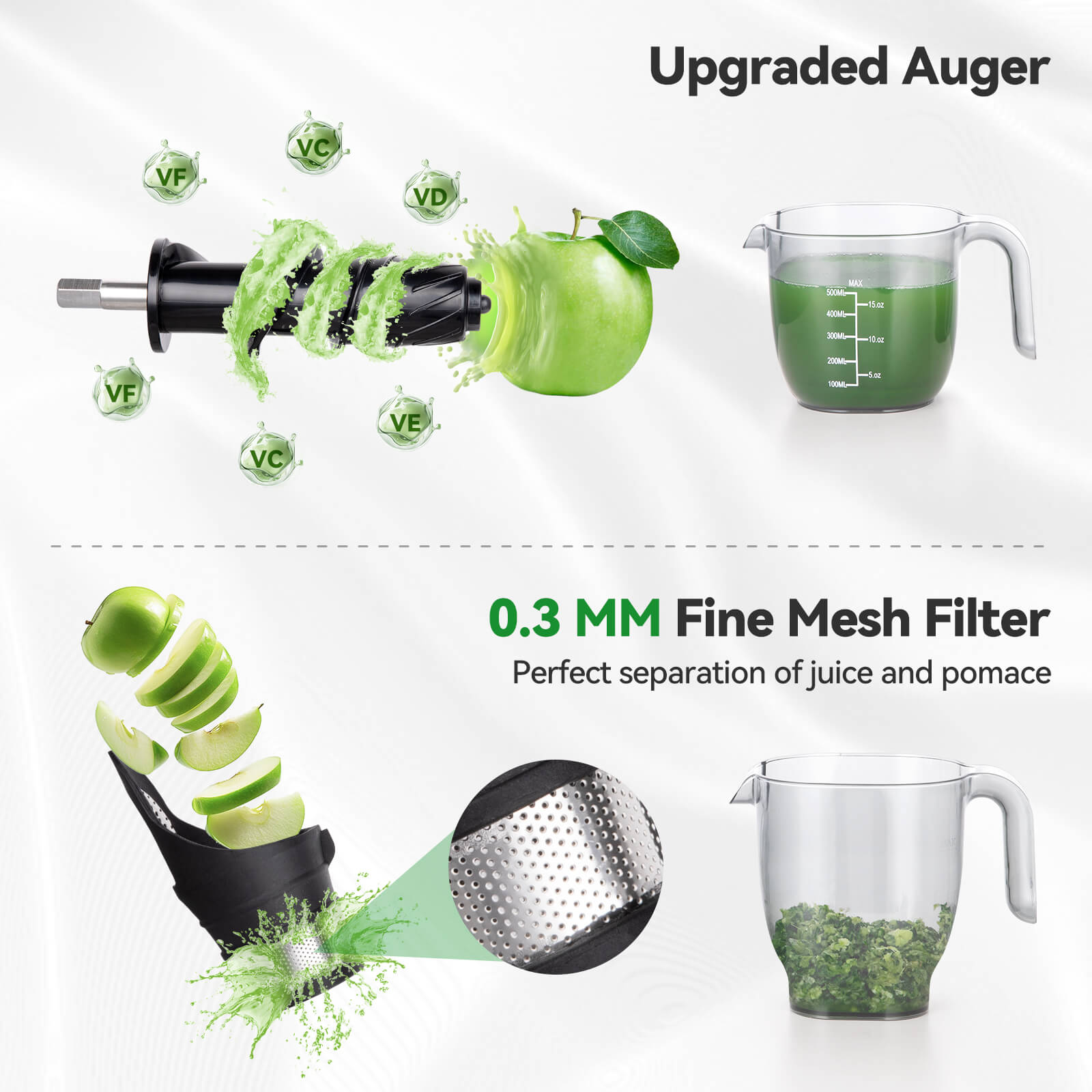
Masticating juicers, often called slow juicers or cold press machines, use a gear (auger) to crush and press produce against a screen.
- Pros: They extract a higher yield, meaning you get more juice for your money. They are quiet. They handle wheatgrass, kale, and leafy greens exceptionally well.
- Cons: They used to be expensive and slow.
However, in 2025, brands like Ormeo have bridged this gap, offering masticating juicer technology at an affordable price point.
How to Pick the Best Juicer for You Without Breaking the Bank
To pick the best juicer, you have to be realistic about your habits. Don't buy a juicer for the person you want to be; buy it for the person you are.
1. The "Lazy" Factor: Easy to Clean
I cannot stress this enough: if it is not easy to clean, you will stop juicing. Period. Many older juicers tend to have complex mesh screens that require 10 minutes of scrubbing with a toothbrush. Look for models that claim "rinse-clean" or have simplified parts. A great juicer experience ends when the cleanup is done, not when you finish drinking.
2. Yield: The Hidden Cost
Here is where the best budget juicer is actually defined. Imagine you spend $5 a week on spinach and celery.
- Cheap Centrifugal Model: Extracts 60% of the liquid. Wet pulp.
- Quality Masticating Model: Extracts 85% of the liquid. Dry pulp.
Over a year, the "expensive" masticating juicers pay for themselves in saved grocery bills. A juicer delivers on its value when the pulp comes out bone-dry.
3. Noise Levels
If you like to make green juice at 6 AM, do not buy a centrifugal model unless you hate your roommates. Slow juicers like the Ormeo 2311 Quiet Cold Press Juicer operate at a whisper, allowing you to enjoy fresh juice without waking the whole house.
Reviews of the Best Budget Juicers of 2025
We’ve tested the top juicers on the market to see which ones hold up. Here is a breakdown of the performance and price ratio for the top contenders.
The "Big Brand" Approach: Hamilton Beach & Breville
The Hamilton Beach Big Mouth is often the entry point for beginners. It’s an inexpensive centrifugal model. It gets the job done for hard fruits like apples and carrots. However, when we tried to juice leafy greens or wheatgrass, it basically just shredded them and spit them into the bin. It’s affordable, but the waste is high.
The Breville Juice Fountain is a step up in stainless steel build quality and power. It has a strong motor. But again, the oxidation is high. Your juice turns brown faster. It’s a good machine, but maybe not the best budget choice if nutrient density is your goal.
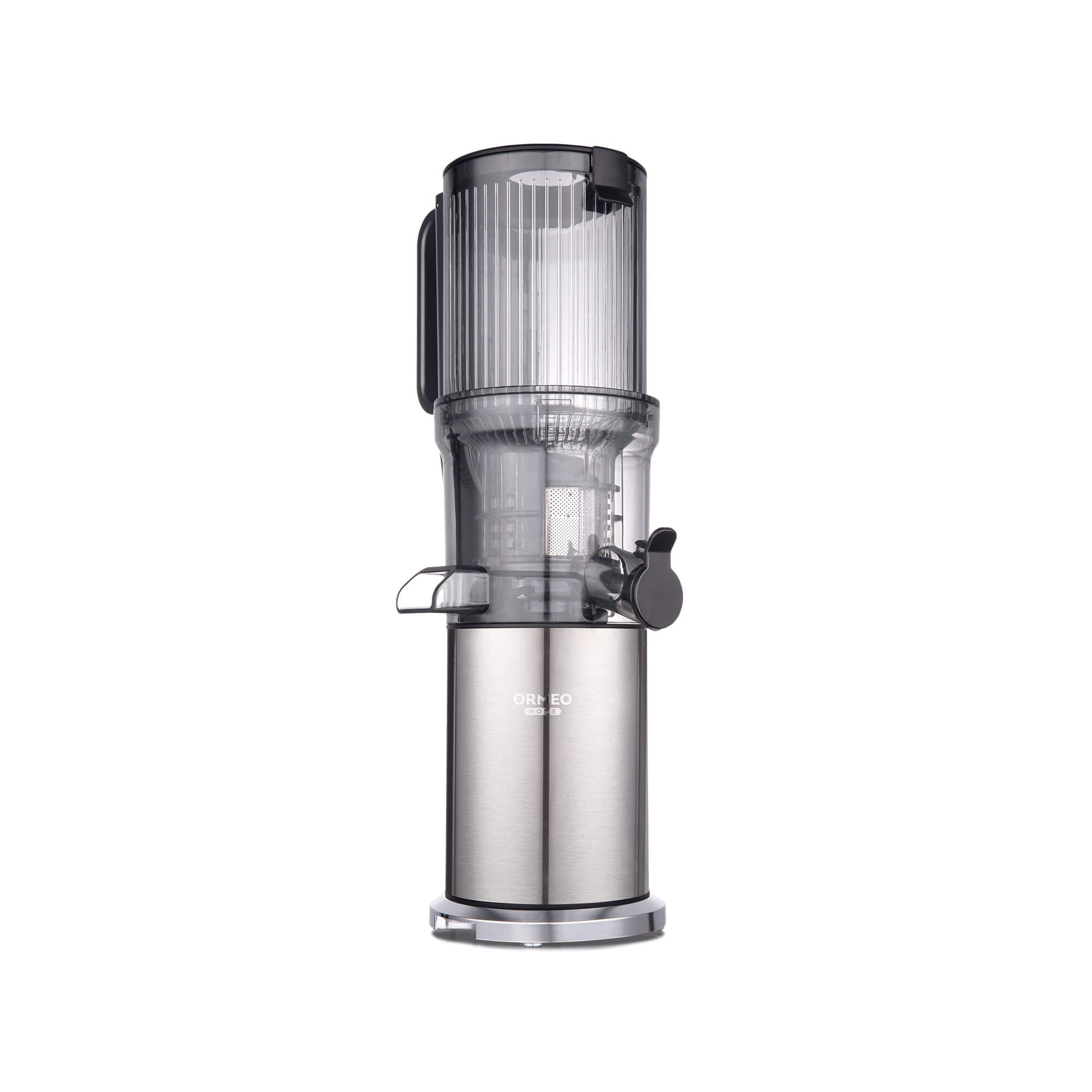
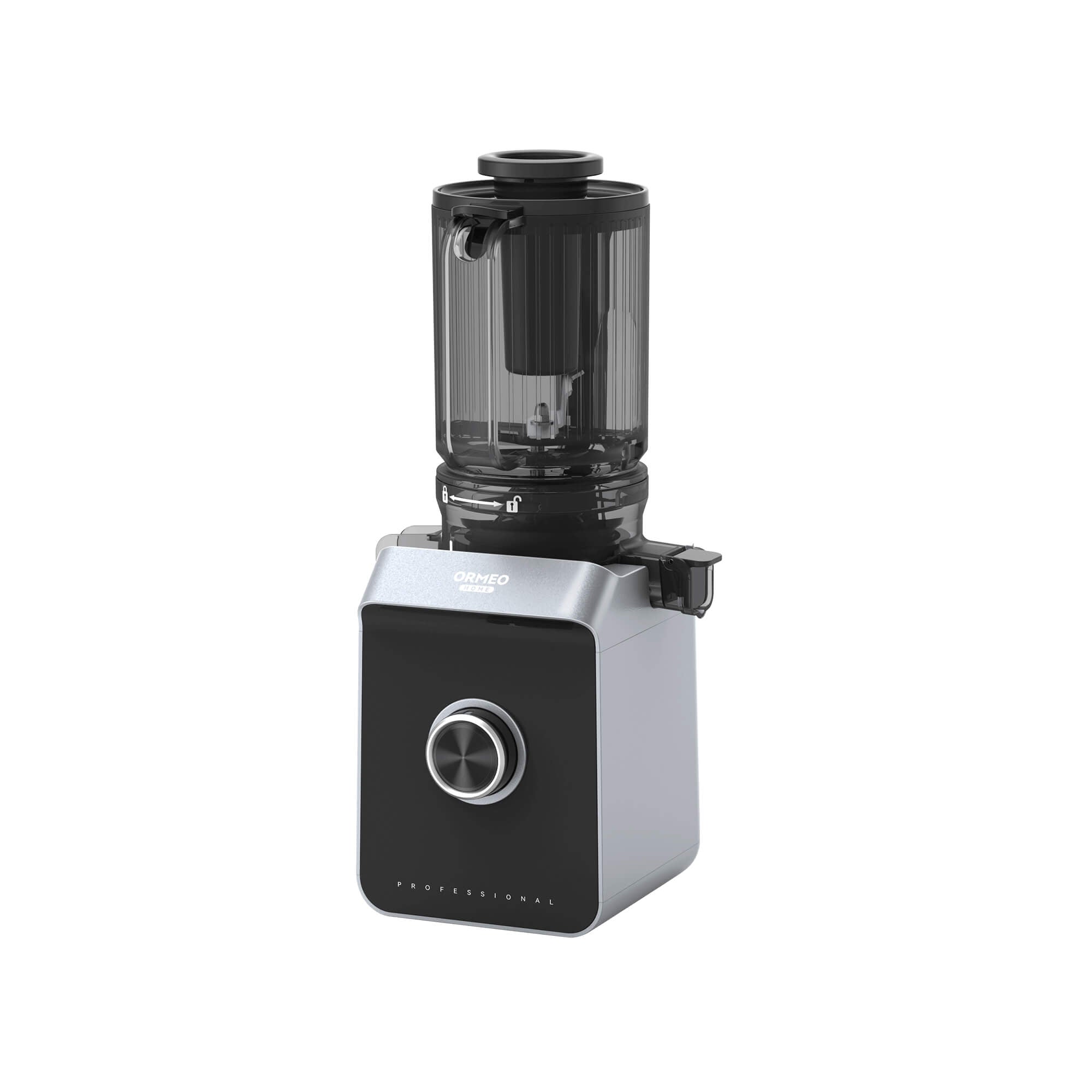
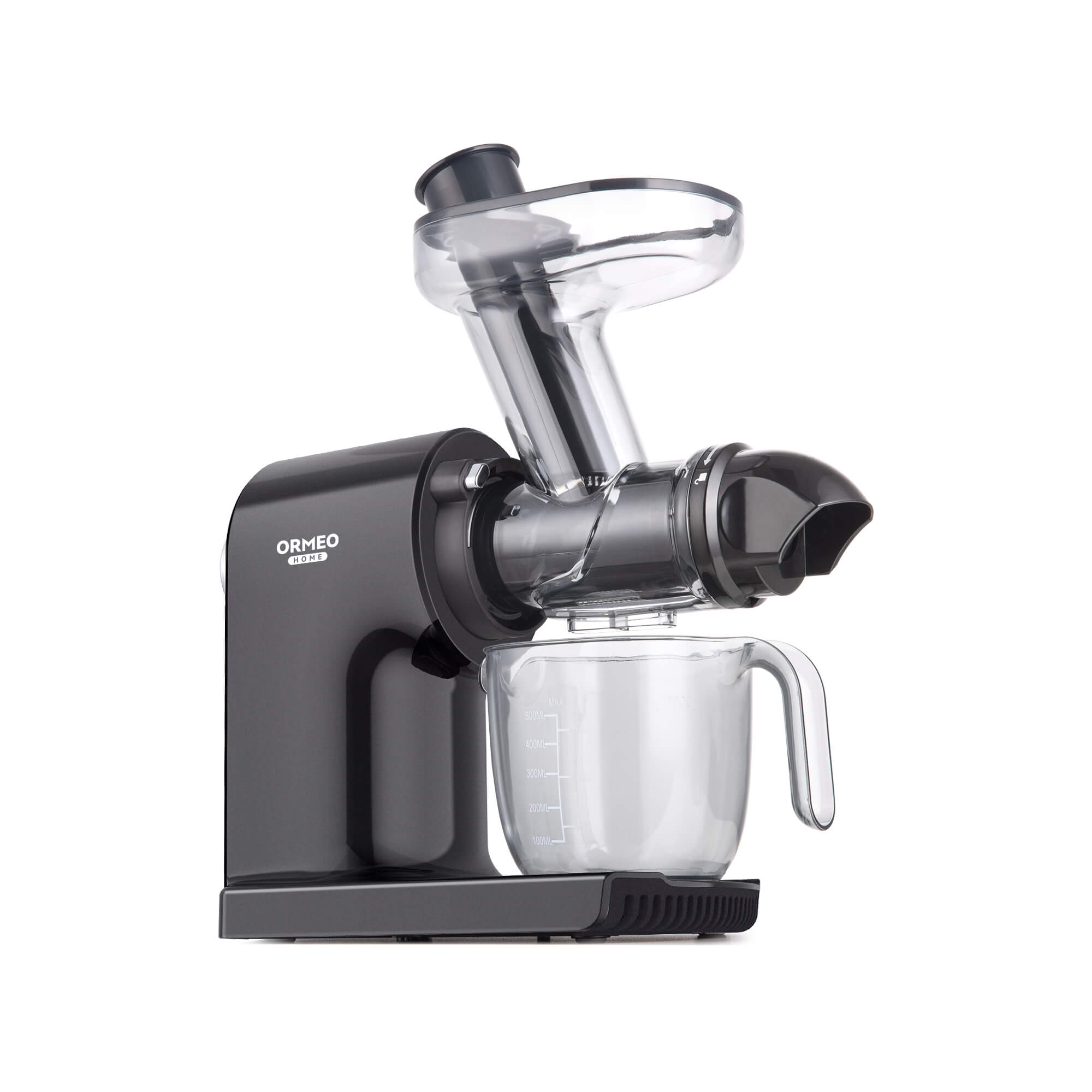
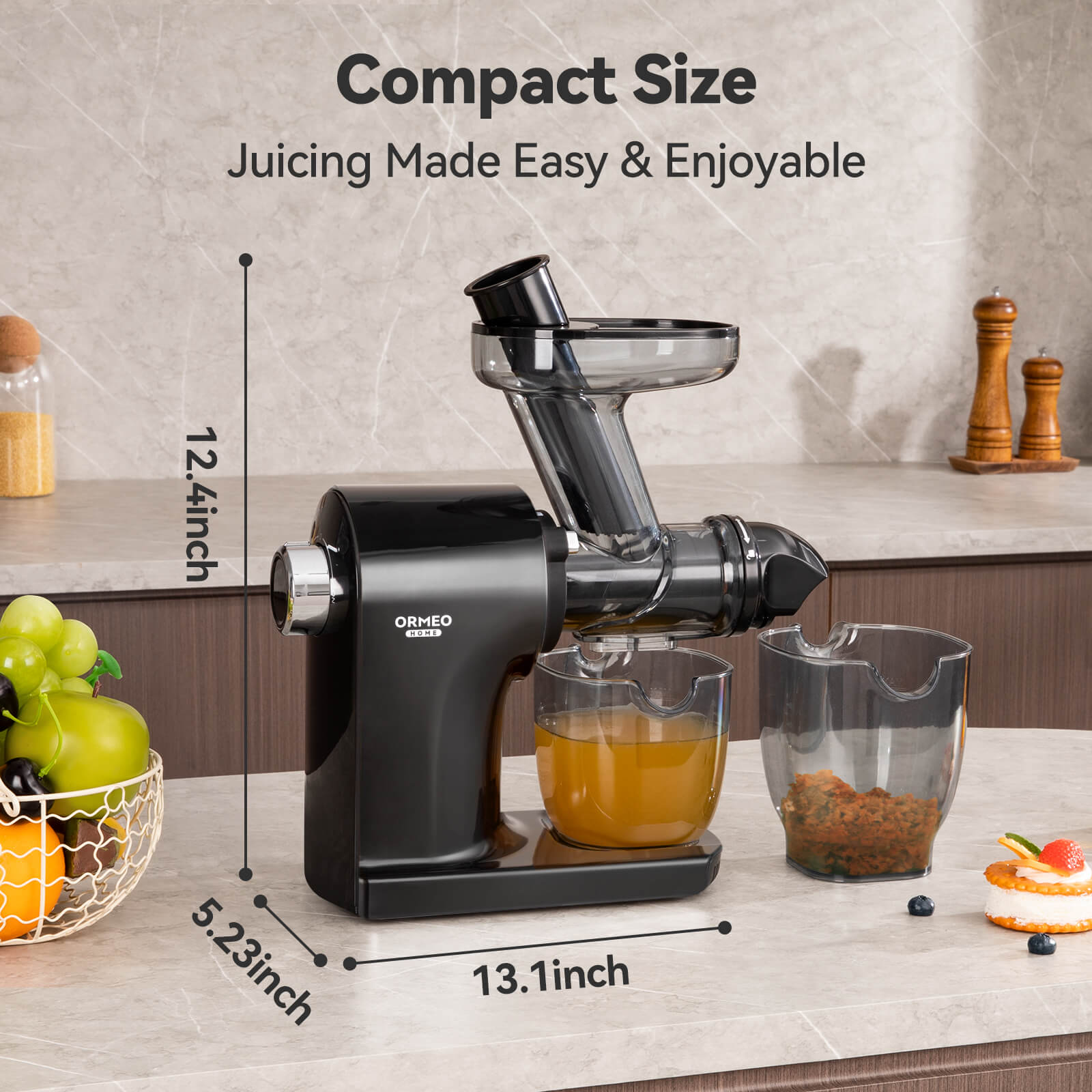
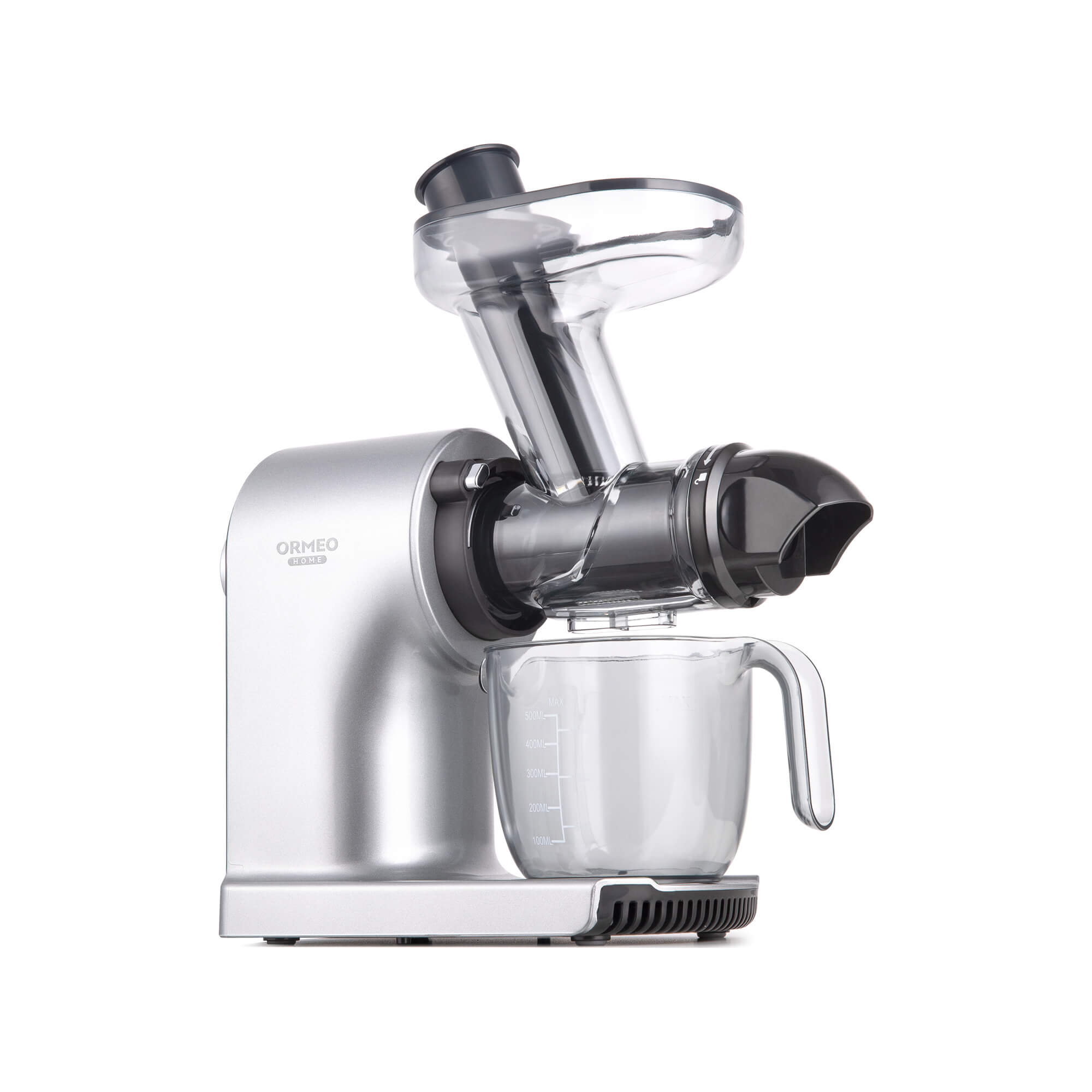
The "Smart" Choice: Ormeo 2311 Quiet Cold Press Juicer
If you want the nutrient-rich benefits of a slow juicer without the $500 price tag of a Hurom slow juicer, the Ormeo 2311 is the breakout star of 2025.
Unlike the loud NutriBullet blenders or centrifugals, the Ormeo 2311 Quiet Cold Press Juicer uses a high-torque, low-speed auger.
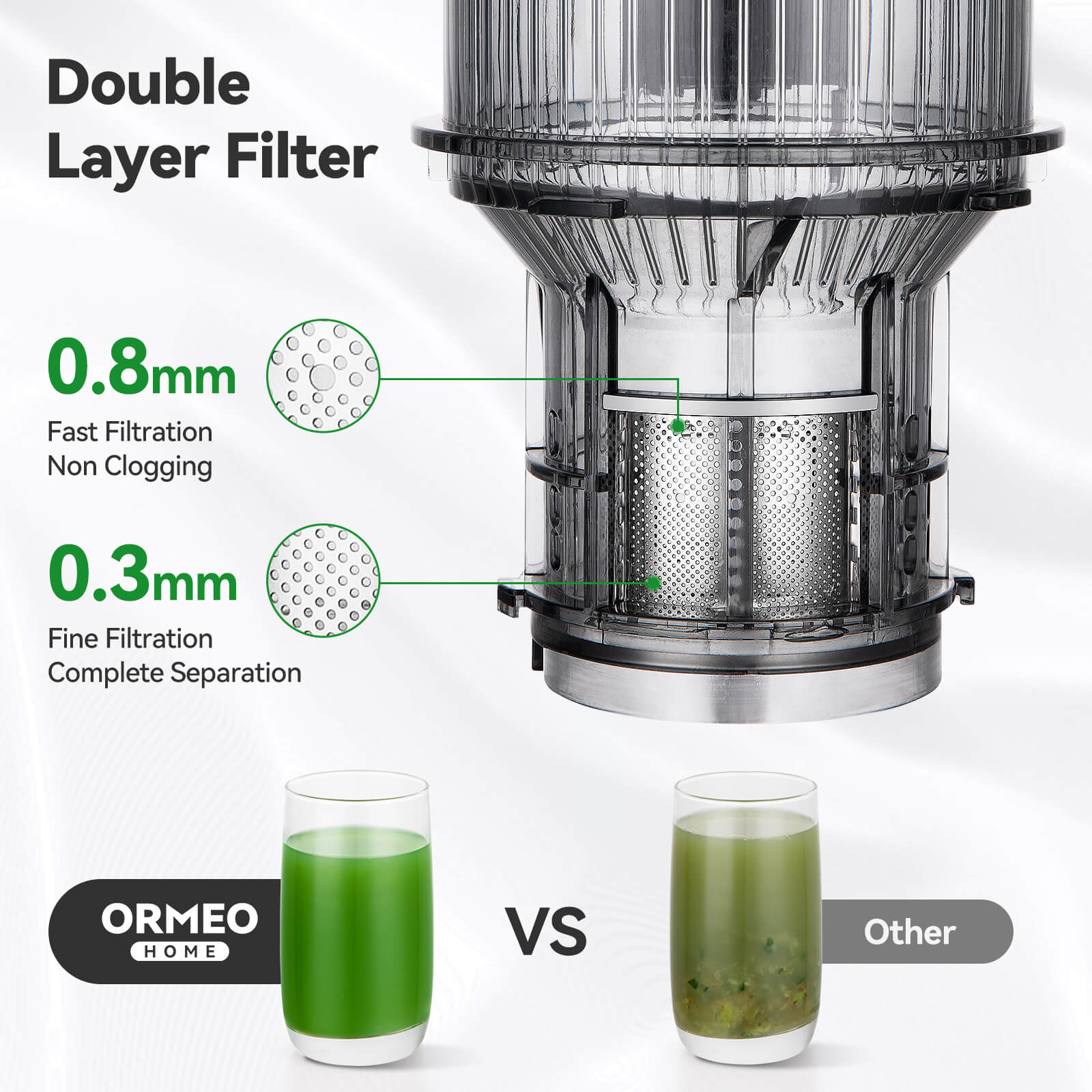
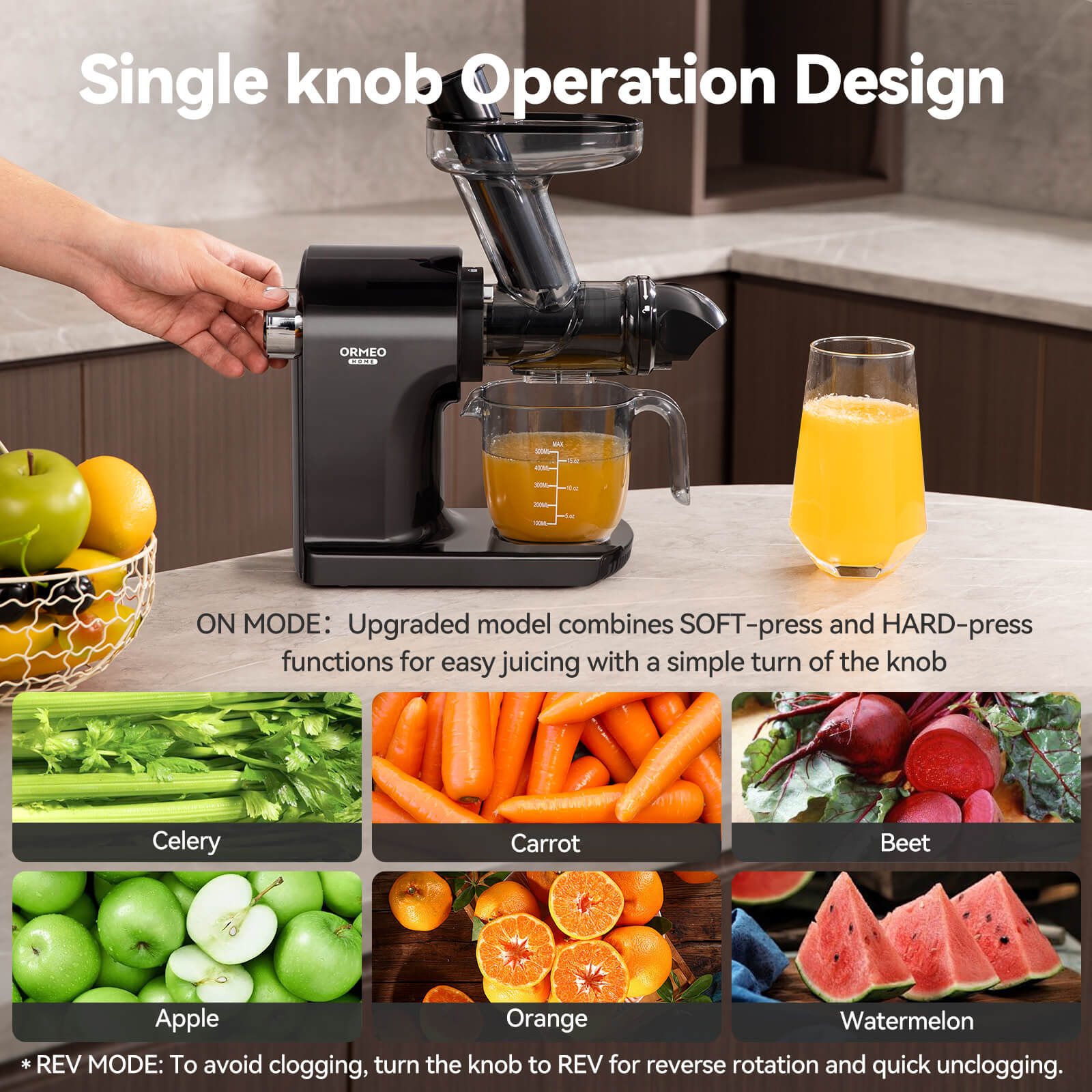
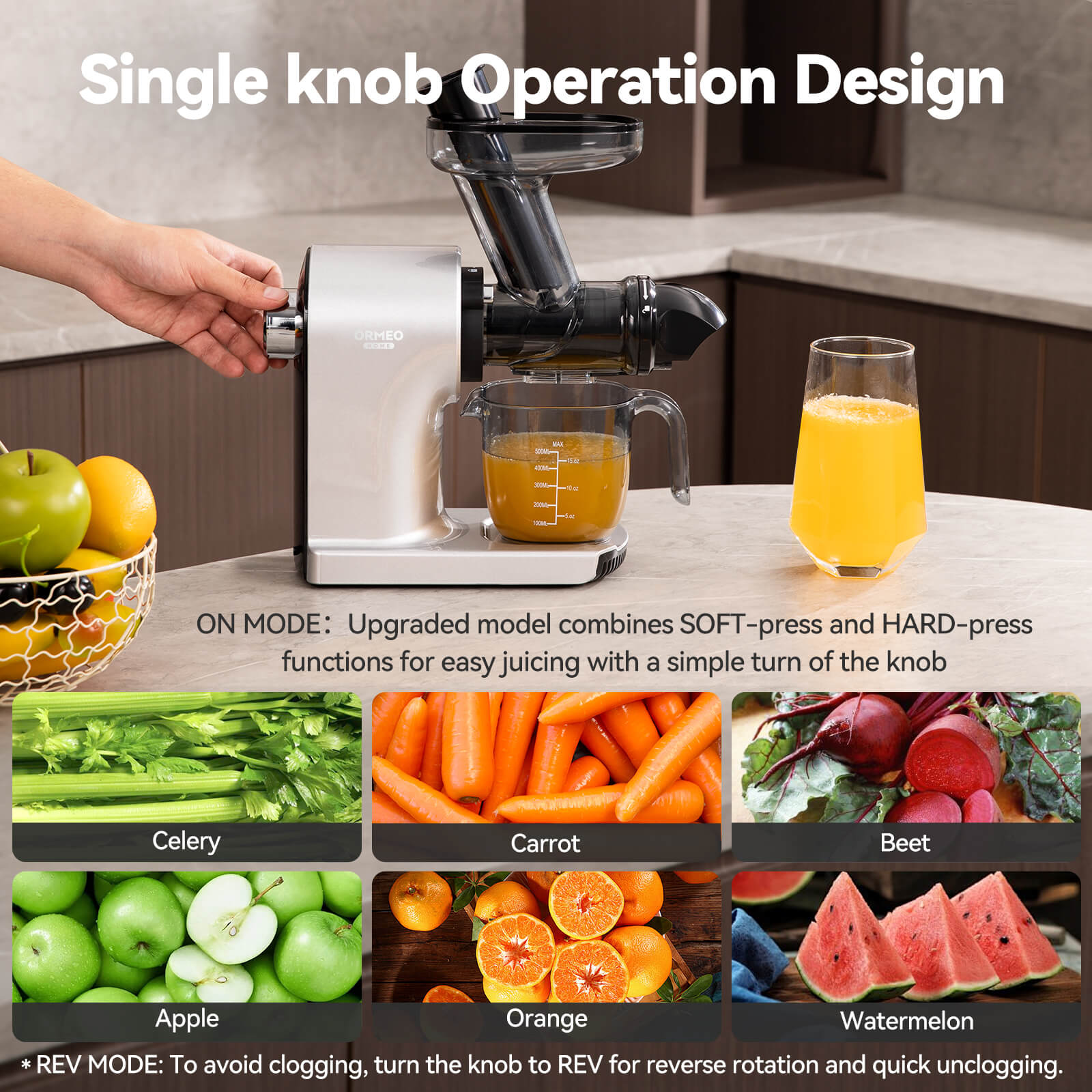
- Yield: It excels with produce like carrots, beets, and specifically celery (which usually clogs other machines).
- Quality: The cold press action minimizes oxidation. You can store the juice for up to 72 hours.
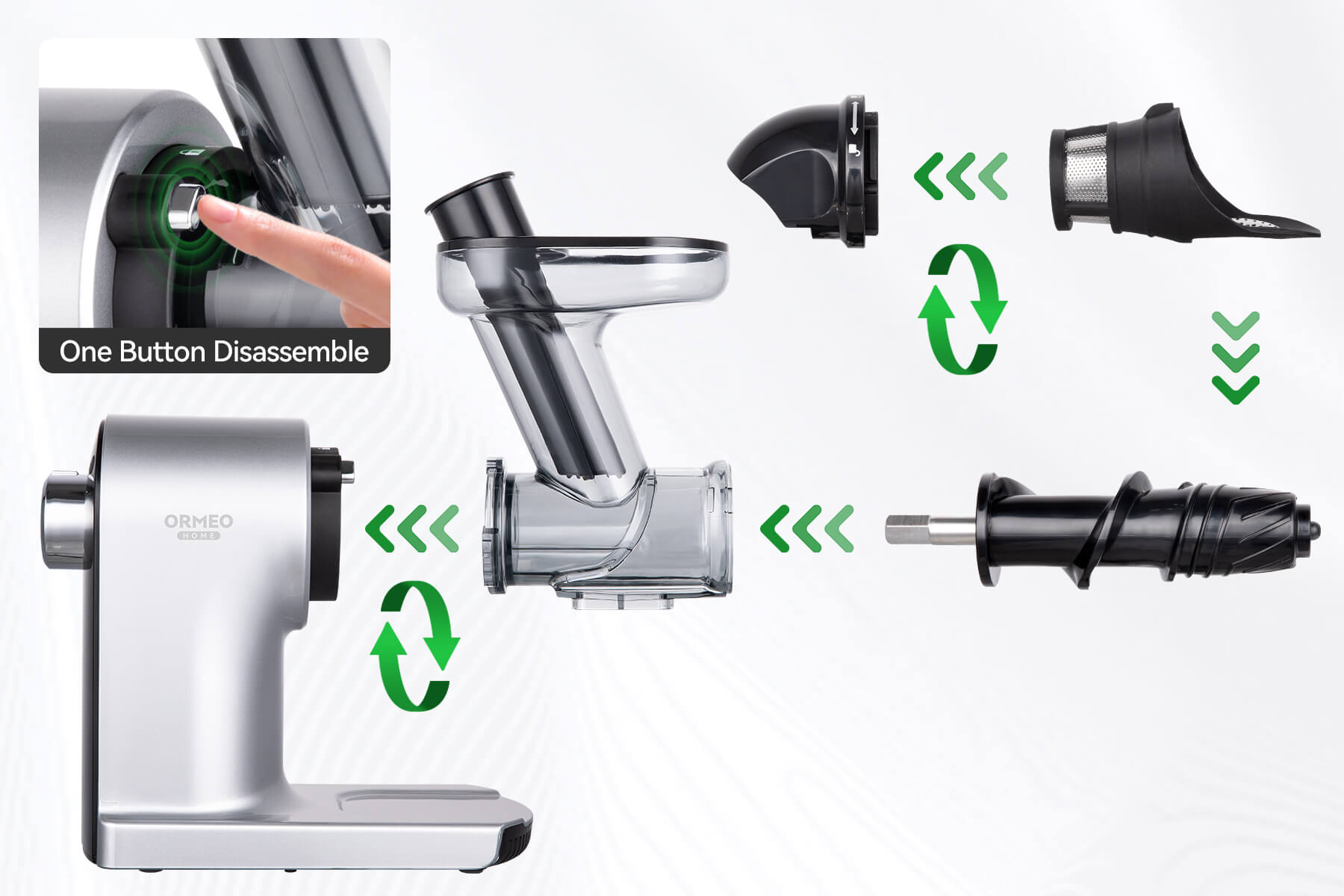
- Usability: It is designed to be easy to clean. Most parts just need a quick rinse.
Why it wins on value: It competes with well-known brands like Cuisinart and Omega, but the price is reasonable for a family. It shows that you don't have to spend a lot of money to get good results.
Check out the 2025 Best Cold Pressed Juicer - 2311 here
Deep Dive: Analyzing Features and Build Quality
When you review these machines, look closely at the materials.
Plastic vs. Stainless Steel
While a full stainless steel body looks nice, high-quality BPA-free plastic (Tritan) is standard for the juicing bowl. What matters more is the auger (the crushing gear). A durable auger is essential for grinding through fibrous ingredients like ginger or old beets without cracking.
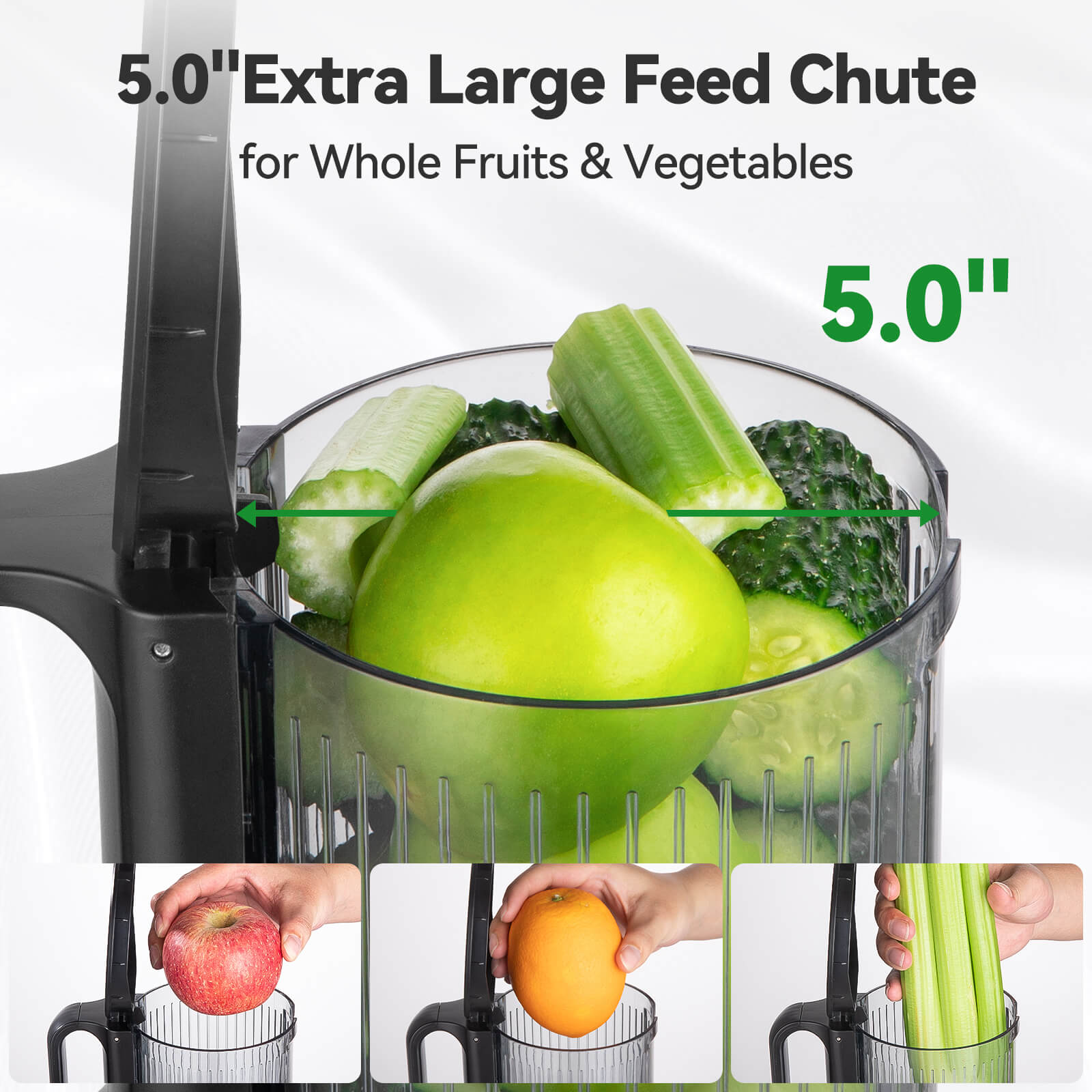
The Feeding Chute
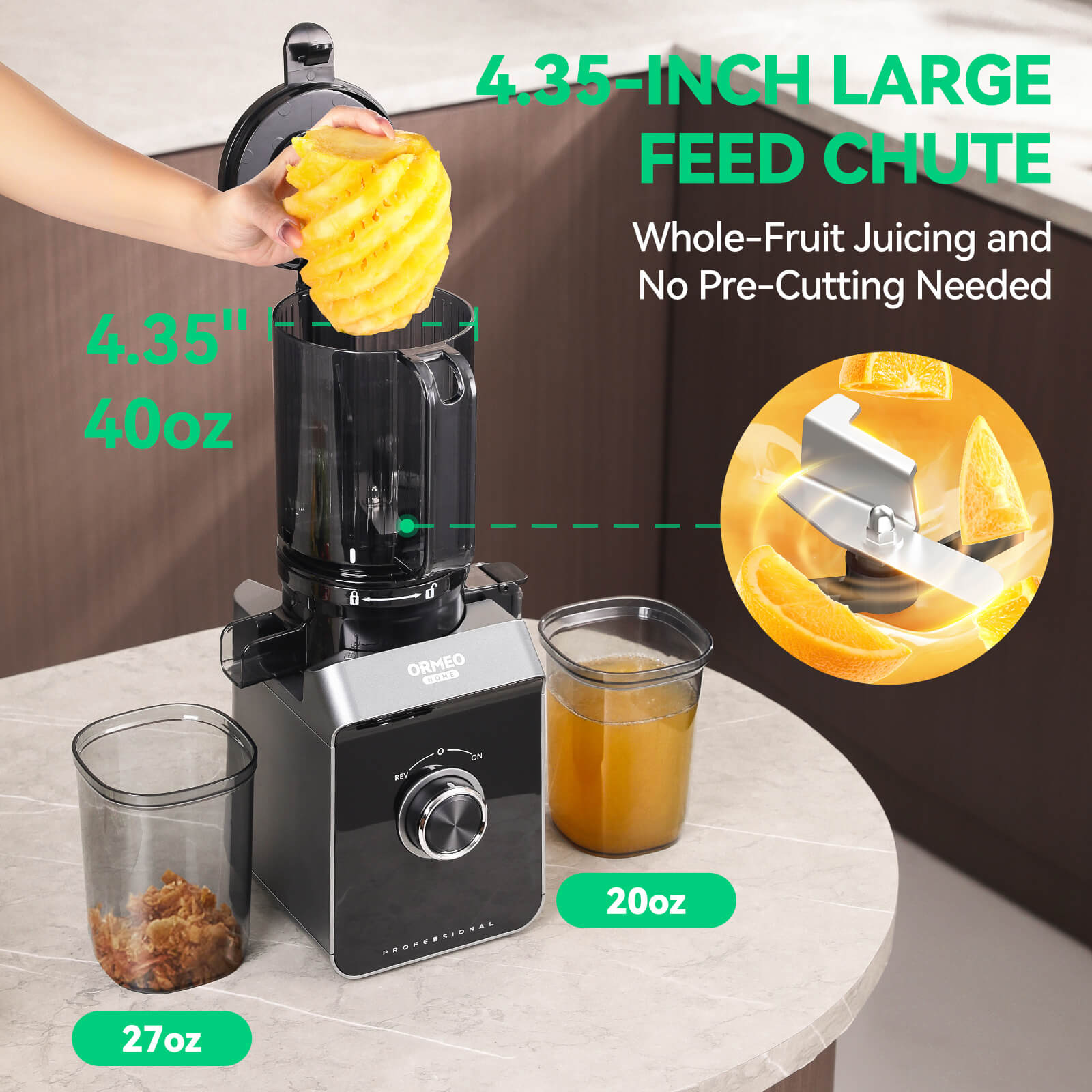
A wide chute reduces prep time because you don't have to chop everything into tiny bits. However, be careful: some cheap "wide mouth" slow juicers lack the torque to crush a whole apple, leading to a clog. The best juicer balances chute size with motor power.
Warranty and Support
Always check the warranty. A kitchen appliance that spins or crushes daily undergoes a lot of stress. You want to ensure the juicer delivers reliability. Brands that stand behind their motor for at least a year or two are preferable. This protects you from extra cost down the line.
The Battle of the Greens: Kale, Celery, and Wheatgrass
This is the ultimate test. Many affordable juicer models fail here.
If you are serious about health, you likely want to juice leafy greens.
- Centrifugal Test: When we put kale into a standard centrifugal spinner, the leaves often flew through the mesh without being juiced.
- Masticating Test: A masticating juicer grabs the leaves and squeezes them tight.
For the Ormeo 2311, the results with wheatgrass and celery were particularly impressive. It separates the juice from the pulp with surgical precision. If your goal is a daily green juice to boost your health, a centrifugal juicer is simply the wrong tool for the job, regardless of how cheap it is.
Tips to Choose the Best Juicer for Your Lifestyle
Here is a quick checklist to help you pick the winner:
-
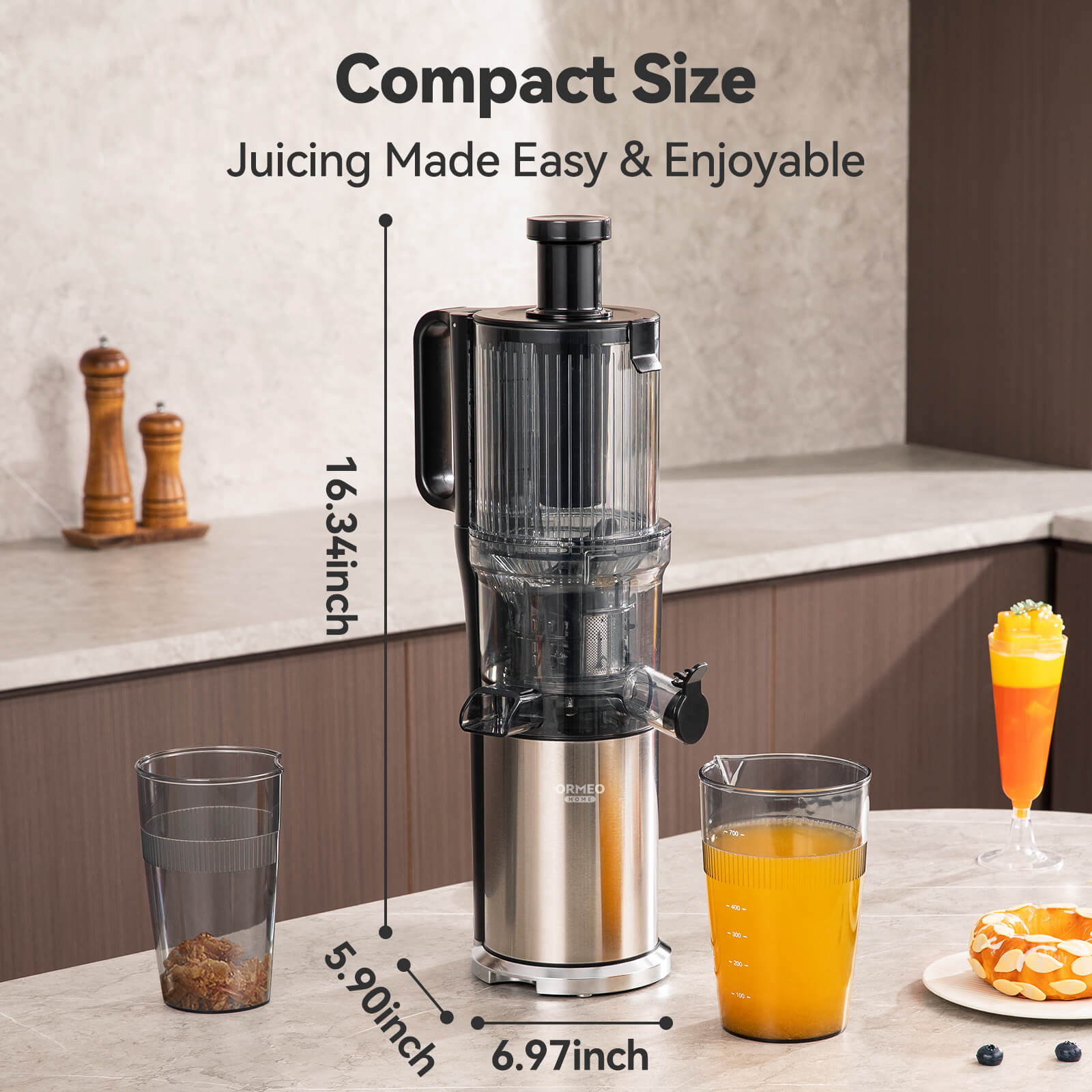
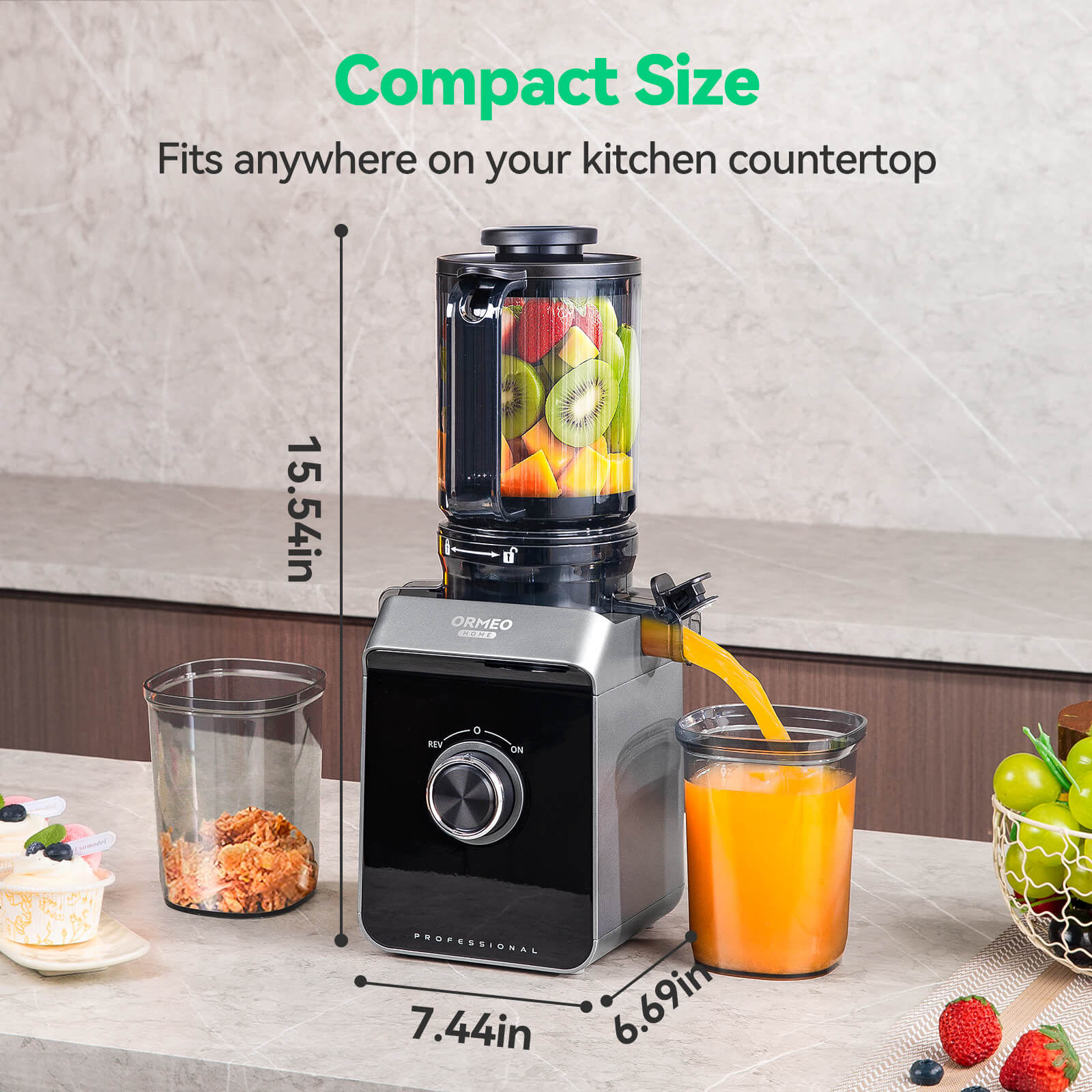
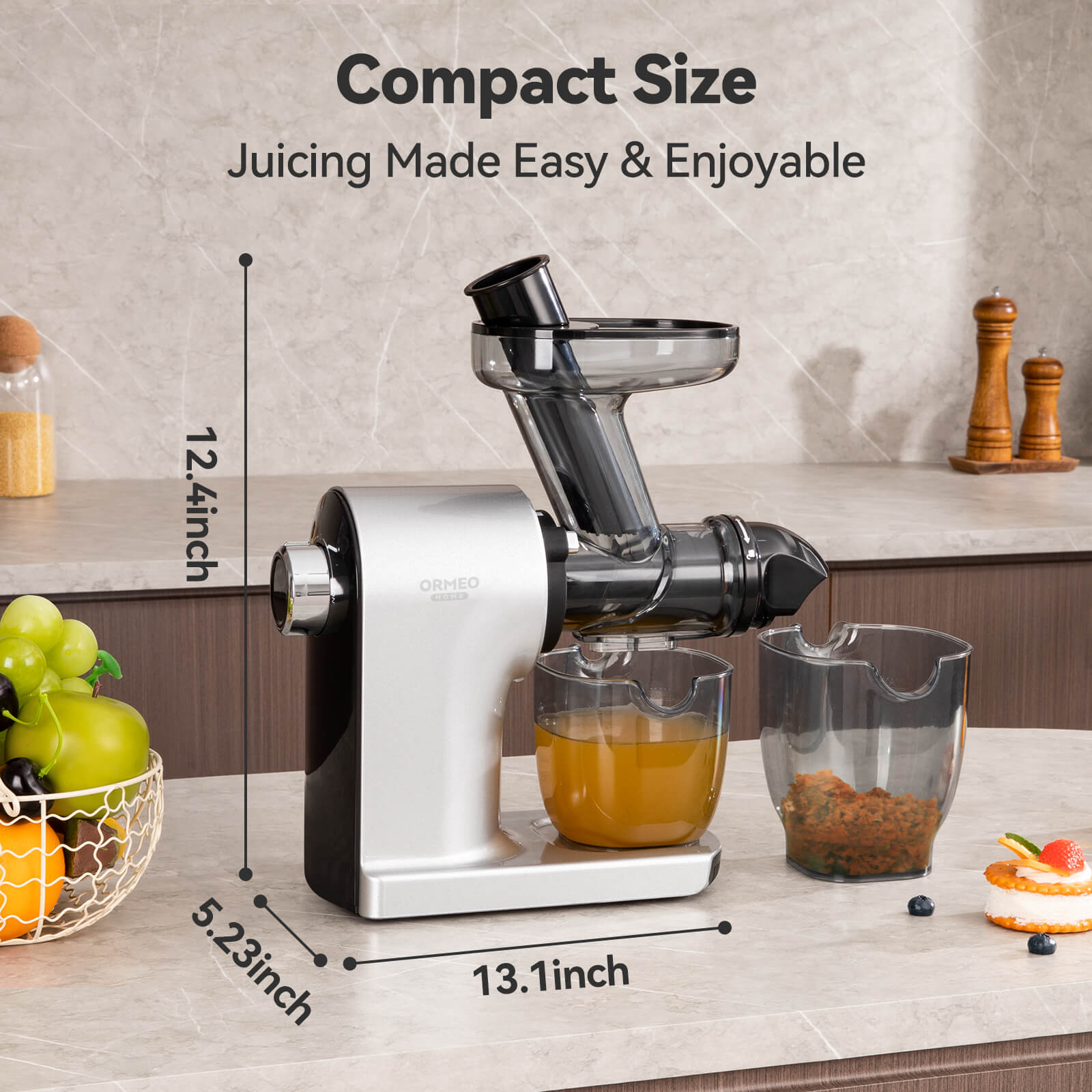
Assess Your Space: Cold press juicers are often vertical and take up less counter space than the bulky, round centrifugal ones.
-
Assess Your Morning: Do you have 5 minutes or 15? If you have zero time, maybe a blender (smoothie) is better. But if you want pure juice, a cold press takes about 3-5 minutes more but tastes 10x better.
-
Assess Your Ingredients:
- Mostly Oranges/Apples? A cheap centrifuge is fine.
- Mostly Greens/Beets/Ginger? You need a masticating model like the Ormeo.
Final Verdict: Making the Right Pick
In 2025, the gap between "cheap" and "premium" has narrowed. You no longer need to break the bank to get high-quality cold-pressed juice at home.
While juicers on the market from giants like Breville and Cuisinart have their place, they often charge a premium for the name. The NutriBullet is great for smoothies, but mediocre for raw juice.
For the savvy shopper who wants to maximize value, the Ormeo 2311 Quiet Cold Press Juicer stands out. It offers the durability, yield, and easy-to-clean features of a $400 machine at a fraction of the cost. It respects your produce, your ears, and your wallet.
Don't just buy the cheapest box on the shelf. Pick the best juicer that will actually make you want to juice every single day. That is true value.
Frequently Asked Questions (FAQ)
1. What is the difference between a cheap juicer and an expensive one?
The main difference lies in the yield and the motor quality. Cheap juicers, usually centrifugal, spin very fast, creating heat and leaving wet pulp. This means you waste money on produce. Expensive models, usually masticating juicers, turn slowly to crush fruit, extracting about 20-30% more juice. They are also quieter and built with more durable materials like stronger plastics or stainless steel components, offering a better long-term performance and price ratio.
2. Is a cold press juicer really worth the extra cost?
Yes, absolutely. While the upfront cost might be higher than a basic centrifugal model, a cold press (or slow juicer) pays for itself in grocery savings. Because it squeezes the pulp dry, you get more juice from the same amount of fruits and veggies. Additionally, the juice has less oxidation, meaning it tastes better and keeps its nutrients for up to 72 hours, whereas centrifugal juice spoils quickly.
3. Can I juice bananas and avocados?
No! This is a common mistake. Bananas, avocados, and creamy fruits like mangoes have very low water content and are meant for blending, not juicing. Putting them in a juicer (especially a cold press) can cause a clog and damage the screen. Use a blender or a NutriBullet to make a smoothie for these ingredients. Juicers are strictly for water-rich produce like carrots, apples, celery, and leafy greens.
4. How long does it take to clean a masticating juicer?
In 2025, it is much faster than it used to be. Modern designs like the Ormeo 2311 are created to be easy to clean. Most parts just need a quick rinse under warm water immediately after use. If you let the pulp dry, it becomes hard to scrub. However, if you clean it right away, the whole process should take less than 3 minutes. Many parts are also top-rack dishwasher safe.
5. Which juicer is best for leafy greens and celery?
A masticating juicer is the only real choice for leafy greens (kale, spinach) and celery. Centrifugal juicers spin so fast that light leaves just fly into the trash bin without being juiced. Slow juicers crush the leaves, extracting the maximum amount of juice. If you love green juice, do not buy a centrifugal machine; you will be disappointed with the yield and the texture.
6. Will a budget juicer be loud?
It depends on the type. A budget centrifugal juicer is usually very loud, similar to a blender or a vacuum cleaner. However, a budget masticating juicer (like the Ormeo models) is generally very quiet because it uses a slow-turning motor rather than high-speed spinning. If noise is a concern for your household, always check the decibel rating and prioritize slow juicers over high-speed options.









Share:
10 Best Recipes for Juicing: Boost Immunity with Your Cold Press
The Best Detox Juice Cleanse for Weight Loss: A 7-Day Cold Press Plan